

Tundra Swan
Cygnus columbianus
A large all-white swan of the Arctic tundra, smaller and more compact than the Trumpeter Swan, often showing a small yellow spot at the base of the bill.
- Feather type
- Contour and flight feathers
- Colours
- Pure white
- Bird size
- Large, ~130 cm
Found a feather like this?
Identify any feather from a photo, free.
Overview
The Tundra Swan breeds across the high Arctic tundra of North America and Eurasia (where it is sometimes called the Bewick's Swan) and migrates long distances to winter on coastal bays, estuaries, and inland lakes at temperate latitudes. Formerly known as the Whistling Swan in North America for its call, it is smaller overall than the Trumpeter Swan.
Identifying the Feather
Body and flight feathers are pure white, closely resembling those of the Trumpeter Swan but averaging smaller and less robust, matching this species' more compact frame. The head is more rounded than the Trumpeter's. Many, though not all, individuals show a small yellow spot on the black facial skin near the base of the bill—a skin feature rather than a feather trait, but a useful clue in the field when paired with body size and head shape.
Plumage & Molt
Sexes are alike. Cygnets are grayish, whitening gradually over their first year or two. Molt follows the typical swan pattern, with a flightless period after breeding.
Habitat & Range
Breeds on wet Arctic tundra across northern North America and Eurasia. Winters on coastal bays, estuaries, and large inland lakes at temperate latitudes, including both coasts of North America and parts of eastern Asia and western Europe for the Eurasian populations.
Behavior & Field Notes
Feeds by grazing on land and dabbling or upending for aquatic vegetation and waste grain, often in large flocks on wintering grounds. Nests on the ground near tundra pools. Gives a higher-pitched, more musical whistling or yodeling call than the deeper trumpeting of the Trumpeter Swan, the source of its historical name.
Frequently asked questions
Why was the Tundra Swan once called the Whistling Swan?
Its call is a higher-pitched, more musical whistle or yodel compared to the deep trumpeting call of the Trumpeter Swan.
Does every Tundra Swan have a yellow spot on the bill?
No, the yellow lore spot is variable—present and often larger in Eurasian birds, smaller or absent in many North American individuals.
How big is a Tundra Swan compared to a Trumpeter Swan?
It is noticeably smaller and more compact, with correspondingly smaller feathers, though both are large white swans.
Where does the Tundra Swan breed?
On wet Arctic tundra across the far north of North America and Eurasia.
Tundra Swan guides
In-depth guides for identifying and understanding Tundra Swan.

Tundra Swan identified by the community
Real feathers identified with Feather Identifier.


Other feathers you may enjoy

Mallard
Wing (speculum), body, and tail feathers

Spectacled Eider
Large sea-duck body feathers with distinctive eye-ring patches

Canada Goose
Body and flight feathers
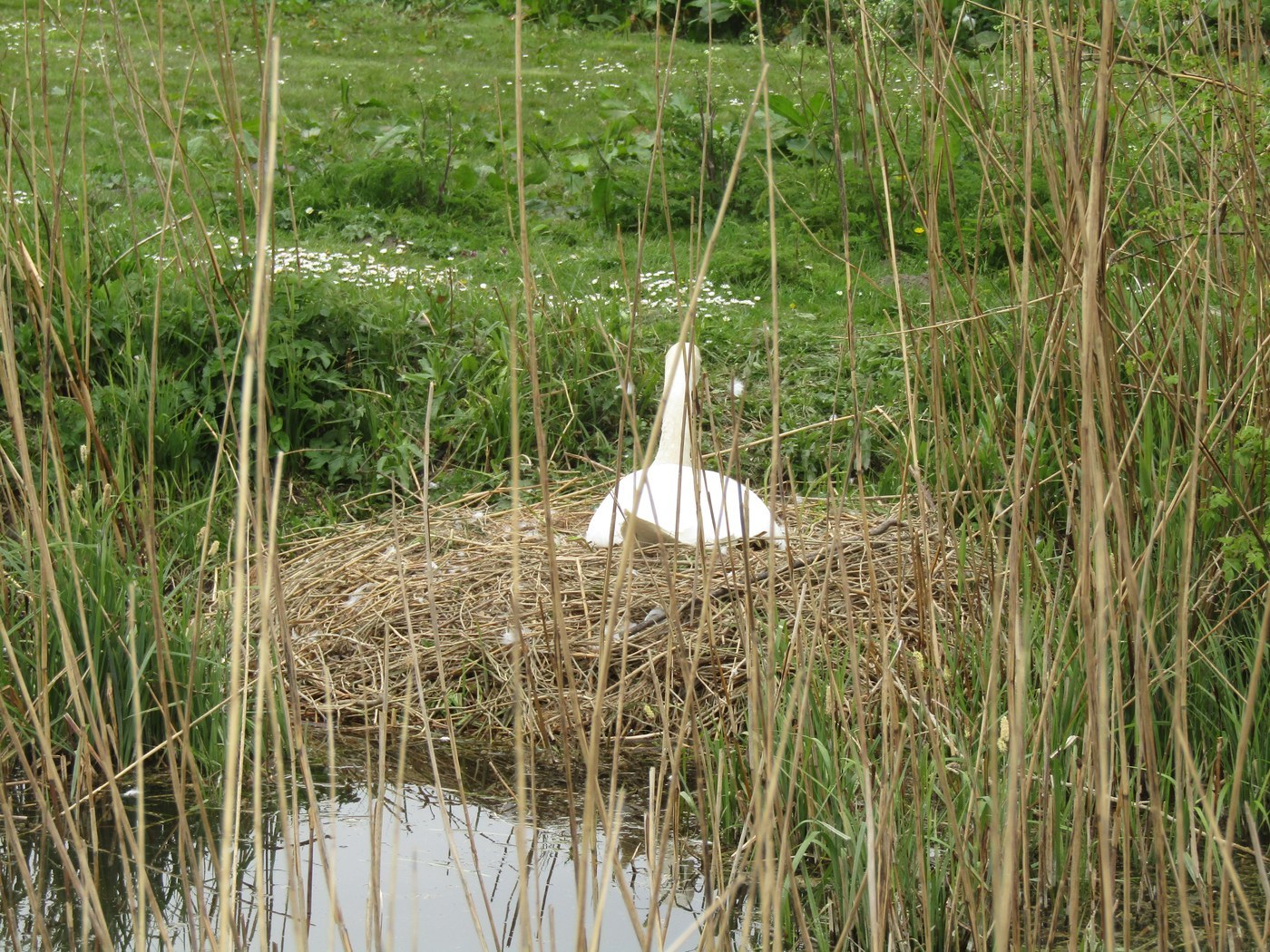
Mute Swan
Body (contour) and flight feathers

Wood Duck
Iridescent crest feathers; ornate scapular and flank feathers; white teardrop facial feathers (female)
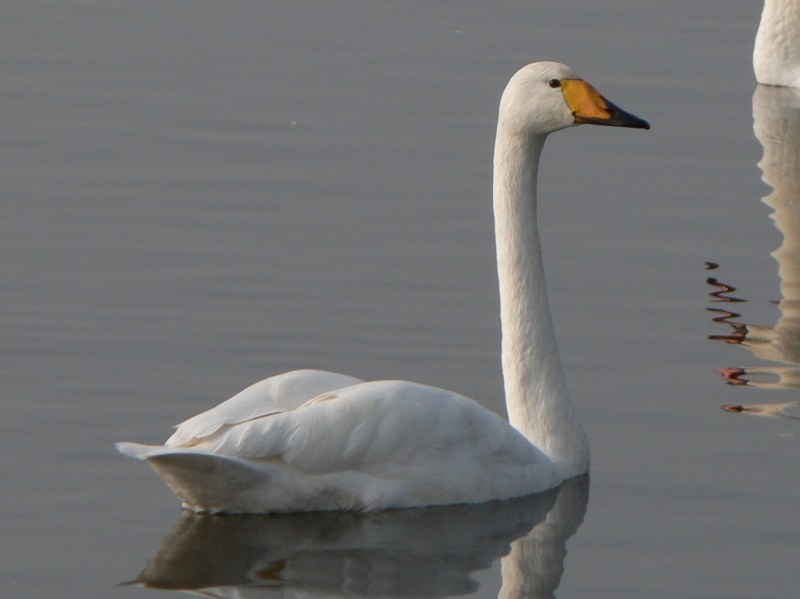
Whooper Swan
Contour and flight feathers

White-winged Scoter
Large sea-duck body feathers with a white wing patch

Ruddy Duck
Stiff tail feathers and compact body plumage

Ross's Goose
Contour and flight feathers

White-cheeked Pintail
Contour and elongated tail feathers

Torrent Duck
Dense, sleek contour feathers; stiff, pointed tail feathers used for bracing against rocks
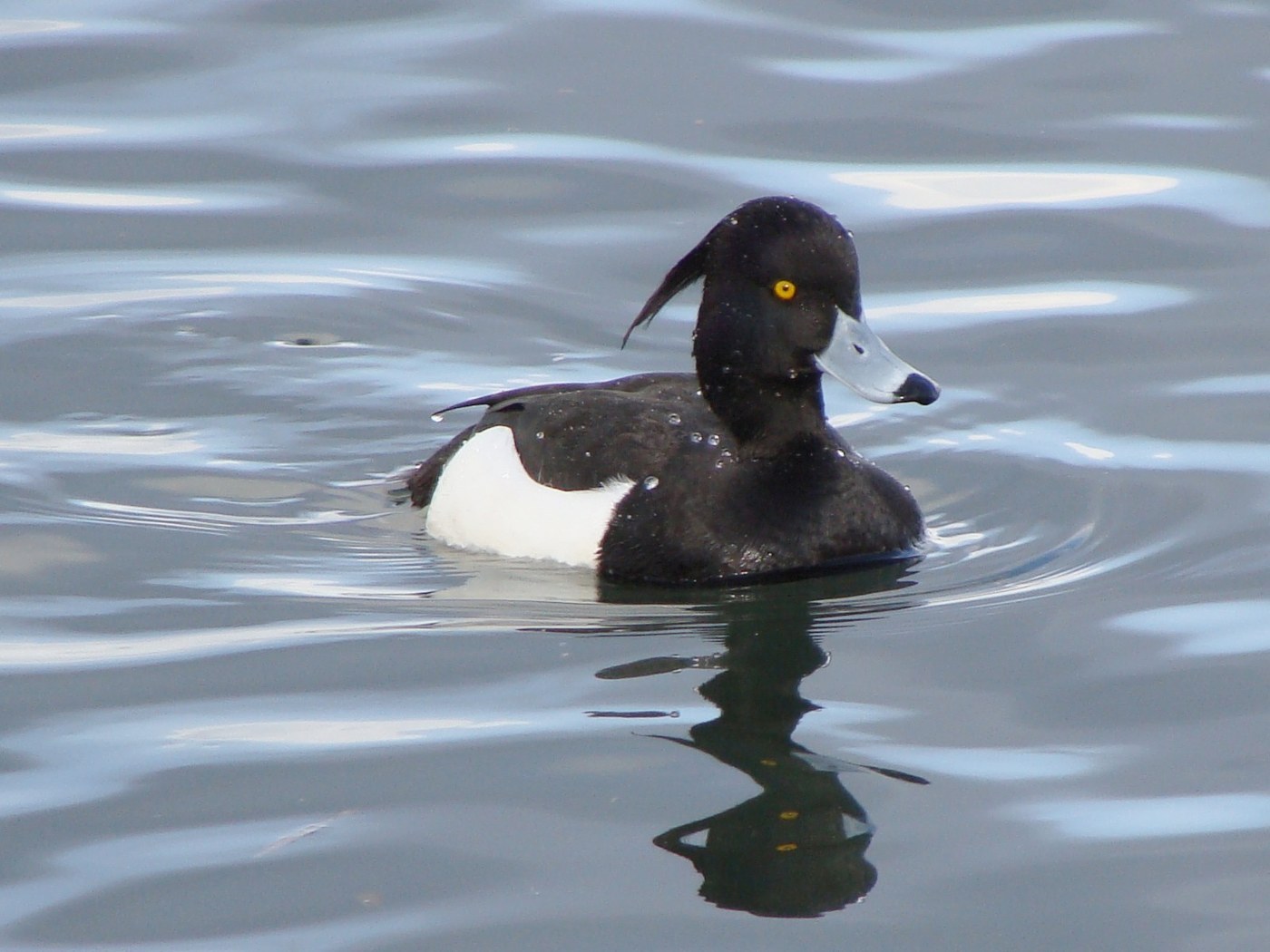
Tufted Duck
Diving-duck body feathers with an elongated crest