
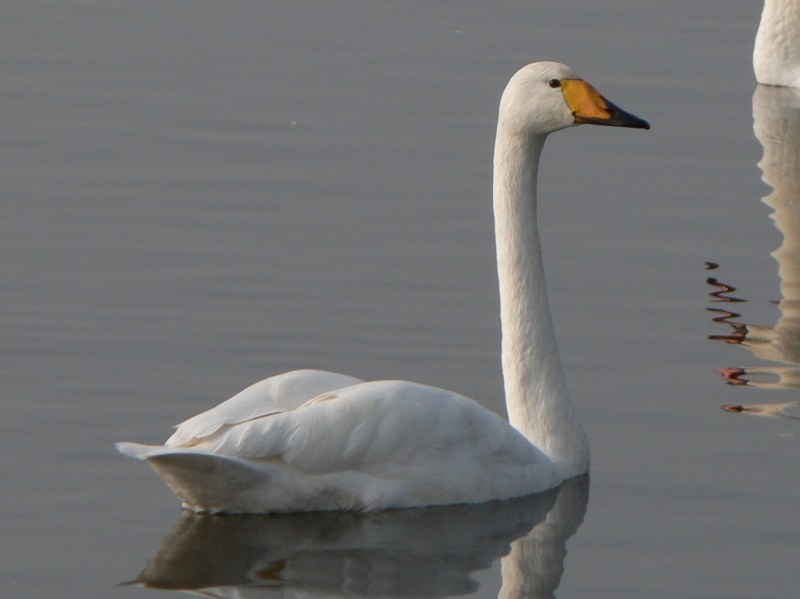
Whooper Swan
Cygnus cygnus
A large Eurasian swan, entirely white with a straighter neck carriage than Mute Swan, known for its loud bugling call given in flight and on the water.
- Feather type
- Contour and flight feathers
- Colours
- Pure white
- Bird size
- Large, ~150 cm
Found a feather like this?
Identify any feather from a photo, free.
Overview
The Whooper Swan is the Eurasian counterpart to North America's Trumpeter Swan, breeding across subarctic Europe and Asia and migrating to winter on temperate wetlands, lakes, and estuaries further south. It is named for its loud, far-carrying bugling call, a sound it gives frequently and which lends the species an evocative presence on its wintering grounds.
Identifying the Feather
Body and flight feathers are pure white in adults, similar in texture and structure to those of other white swans. The neck is typically held straight and erect rather than gracefully curved, giving the species a more angular silhouette than the Mute Swan, though this is a posture rather than a feather trait. Feather size is large and robust, consistent with this species' substantial body mass.
Plumage & Molt
Sexes look alike. Cygnets are gray-brown, gradually whitening over roughly their first two years. Adults undergo a complete flightless molt after the breeding season.
Habitat & Range
Breeds on lakes, large rivers, and wetlands across subarctic Europe and Asia, including Iceland, Scandinavia, and Siberia. Winters on temperate wetlands, farmland, lakes, and estuaries further south, including the British Isles, continental Europe, and parts of eastern Asia.
Behavior & Field Notes
Feeds by grazing on land and dabbling or upending for submerged aquatic plants, and readily takes waste grain on agricultural land in winter. Nests as a large mound of vegetation near water, defended fiercely by the pair. Highly vocal, with a loud, resonant bugling or whooping call given both in flight and while on the water, giving rise to its common name.
Frequently asked questions
How does the Whooper Swan differ from the Mute Swan?
The Whooper Swan holds its neck straighter and gives loud bugling calls, whereas the Mute Swan has a curved neck posture and is largely silent.
Where does the Whooper Swan breed?
Across subarctic Europe and Asia, including Iceland, Scandinavia, and Siberia.
How long does it take a Whooper Swan cygnet to turn white?
Roughly two years, with plumage gradually shifting from gray-brown to full adult white.
Is the Whooper Swan the Old World equivalent of a North American species?
Yes, it fills a similar ecological role to the Trumpeter Swan, its close North American relative.
Whooper Swan guides
In-depth guides for identifying and understanding Whooper Swan.
Other feathers you may enjoy

Mallard
Wing (speculum), body, and tail feathers

Spectacled Eider
Large sea-duck body feathers with distinctive eye-ring patches

Canada Goose
Body and flight feathers
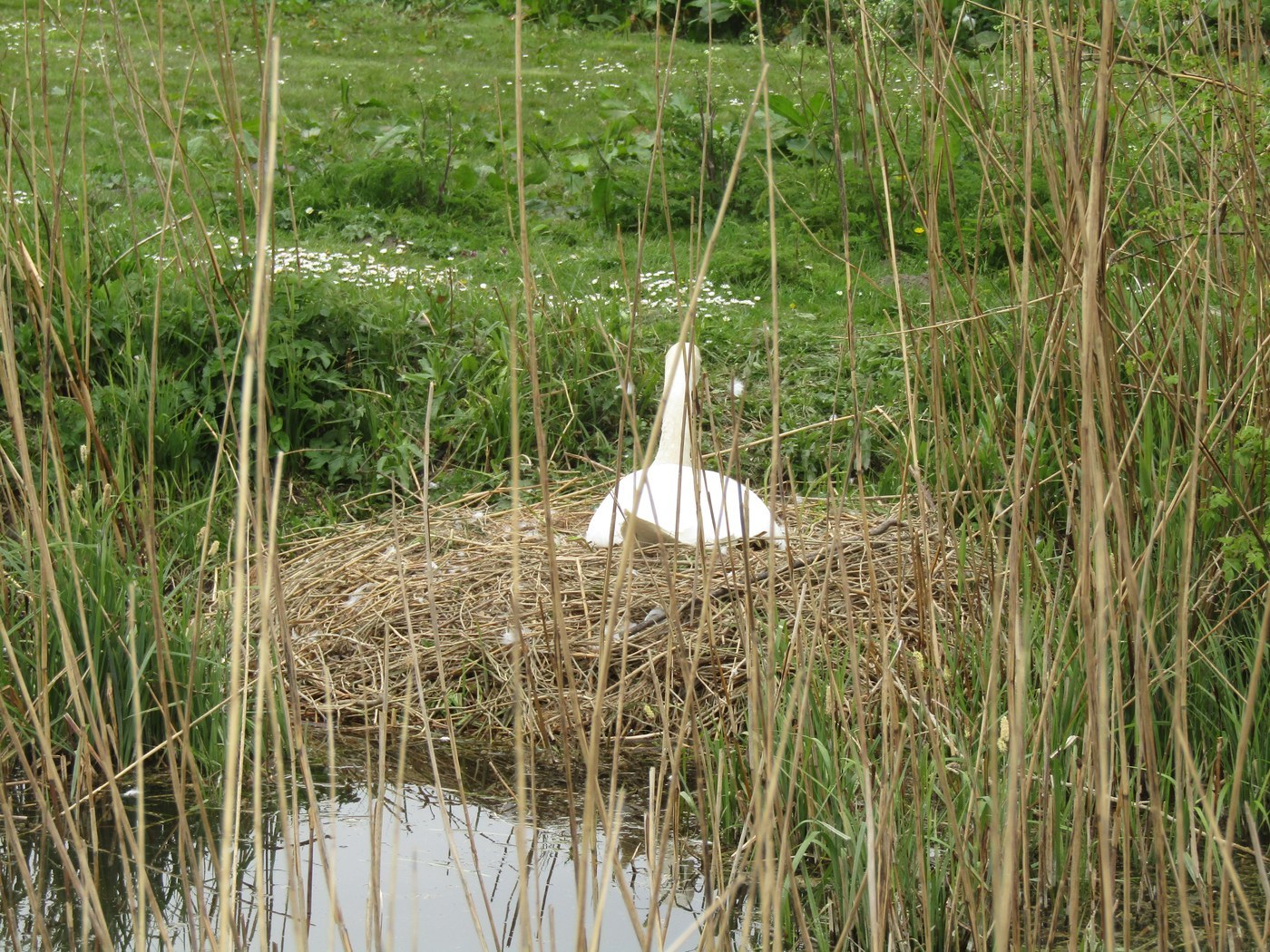
Mute Swan
Body (contour) and flight feathers

Wood Duck
Iridescent crest feathers; ornate scapular and flank feathers; white teardrop facial feathers (female)

White-winged Scoter
Large sea-duck body feathers with a white wing patch

Ruddy Duck
Stiff tail feathers and compact body plumage

Ross's Goose
Contour and flight feathers

White-cheeked Pintail
Contour and elongated tail feathers

Torrent Duck
Dense, sleek contour feathers; stiff, pointed tail feathers used for bracing against rocks

Tundra Swan
Contour and flight feathers
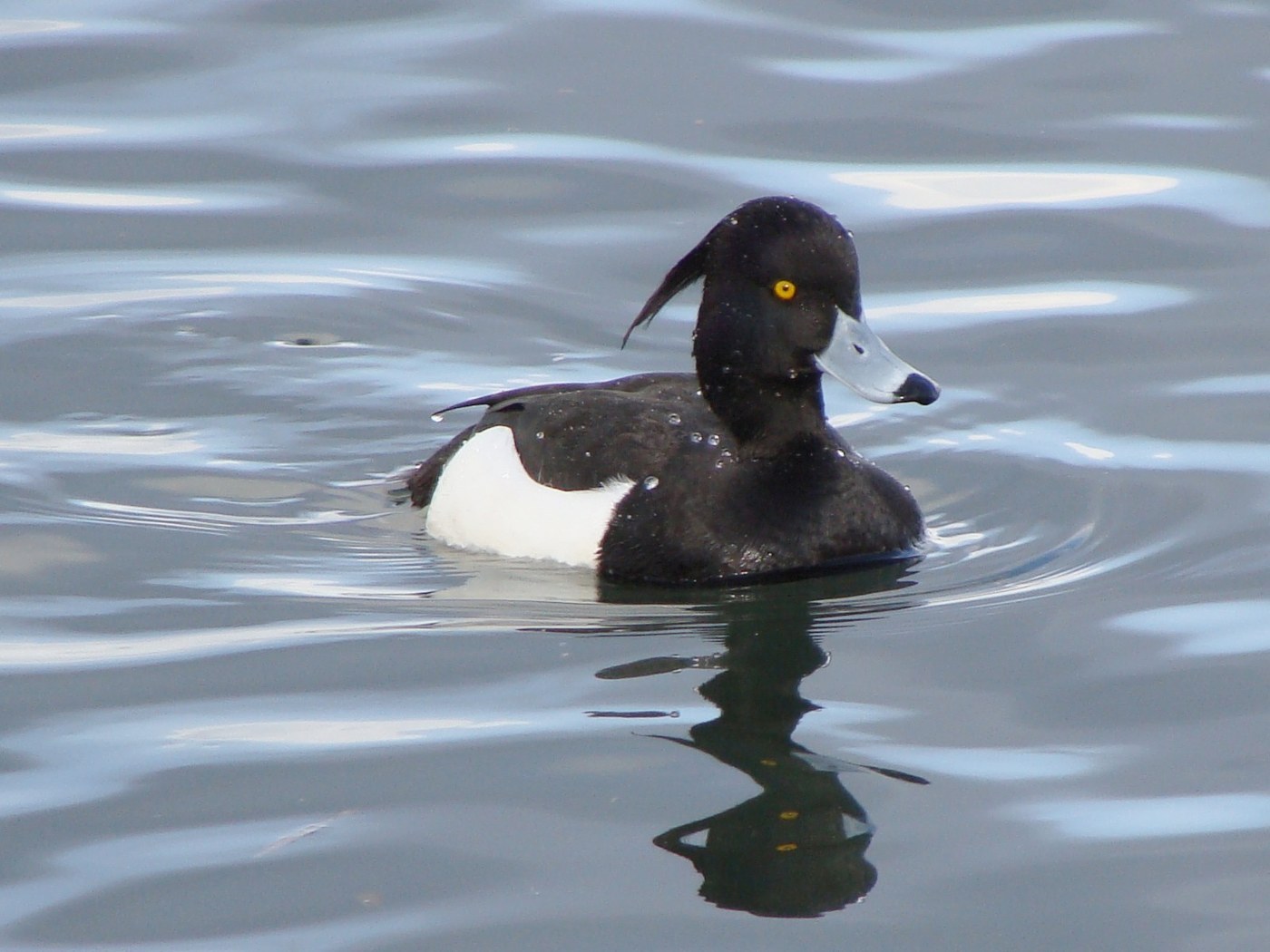
Tufted Duck
Diving-duck body feathers with an elongated crest