

Tropical Screech-Owl
Megascops choliba
The Tropical Screech-Owl is a small, widespread Neotropical owl with cryptic grey-brown or rufous plumage and small ear tufts that help it blend against tree bark.
- Feather type
- Small, softly barred flight feathers with cryptic bark-like body plumage
- Colours
- Grey-brown to rufous-brown, finely vermiculated and streaked
- Bird size
- Small, roughly 20-24 cm
Found a feather like this?
Identify any feather from a photo, free.
Overview
The Tropical Screech-Owl is one of the most common and widespread small owls across Central and South America, found from Costa Rica south through much of the continent. It occupies a broad range of semi-open habitats, from savanna woodland to gardens and forest edges, including areas near human settlement.
Its plumage occurs in both grey and rufous color morphs, both patterned with fine streaking and vermiculation that mimics tree bark, allowing it to roost inconspicuously against tree trunks during the day.
Because of its adaptability and abundance, this is one of the more frequently encountered small owls in its range, and its compact, finely patterned feathers with small ear-tuft plumes are a helpful identification clue.
Identifying the Feather
Shape and Size
Flight feathers are small, generally 10-13 cm on primaries, with the soft comb-edged leading vane typical of owls. Ear-tuft feathers are short and narrow.
Color and Pattern
- Ground color ranges from grey-brown to rufous-brown depending on morph
- Fine dark vermiculations and streaking create a bark-like camouflage pattern
- Underpart feathers show pale bases with dark shaft streaks and cross-barring
Shaft and Vane
Shafts are pale brown, often visible as a fine dark streak down the center of each body feather. Feathers are soft and light, consistent with a small owl.
Distinguishing from Similar Species
Compared to other small Neotropical owls, Tropical Screech-Owl feathers show finer, more even vermiculation rather than bold spotting. Size and habitat context (semi-open woodland rather than dense unbroken forest) help narrow identification among similar screech-owls.
Plumage & Molt
Adults occur in grey and rufous morphs, both finely vermiculated and streaked over a brown or grey-brown ground color, with a pale facial disc bordered by a darker rim and small ear tufts. Eyes are yellow.
Sexes look alike, with females slightly larger. Juveniles show softer, less patterned down before molting into adult-like barred plumage within their first year. Adults undergo one annual molt, generally timed around the end of the breeding season.
Habitat & Range
This species ranges widely across Central and South America, from Costa Rica through Panama, into much of the Amazon basin, and south to Argentina, occupying savanna woodland, gallery forest, gardens, plantations, and forest edge.
It is generally a non-migratory resident throughout its range, though some populations may make minor local movements related to habitat conditions.
Behavior & Field Notes
The Tropical Screech-Owl is nocturnal, roosting by day against tree trunks or in dense foliage where its bark-like plumage provides camouflage. It feeds on large insects, small vertebrates, and occasionally small birds.
It nests in tree cavities, including old woodpecker holes. Its call is a distinctive trilling or purring note, often given at dusk. A small, finely vermiculated grey-brown or rufous feather found in semi-open Neotropical woodland or garden habitat is consistent with this species.
Frequently asked questions
Why does this species have two color forms?
Grey and rufous color morphs occur naturally within the population, both providing effective camouflage against different tree bark tones.
How small are Tropical Screech-Owl feathers?
Flight feathers are quite small, generally under 13 cm, reflecting the bird's compact size.
Does this owl live near people?
Yes, it readily uses gardens, plantations, and semi-open habitats near human settlement across its Neotropical range.
What color are the eyes, and does that help with identification?
Yellow eyes are typical, though this is only visible on the living bird, not on found feathers.
Tropical Screech-Owl guides
In-depth guides for identifying and understanding Tropical Screech-Owl.

Other feathers you may enjoy

Tawny Owl
Wing (flight) and body (contour) feathers
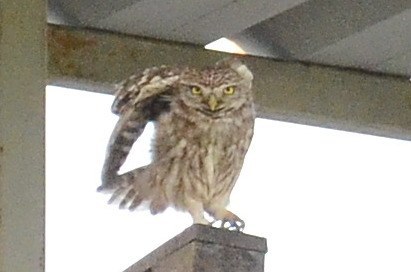
Little Owl
Wing and body feathers

Balsas Screech-Owl
Small ear-tuft feathers; soft, finely vermiculated body feathers

Blakiston's Fish Owl
Massive flight feathers with looser structure; shaggy body plumage; prominent ear-tuft feathers

Barn Owl
Wing and facial-disc feathers
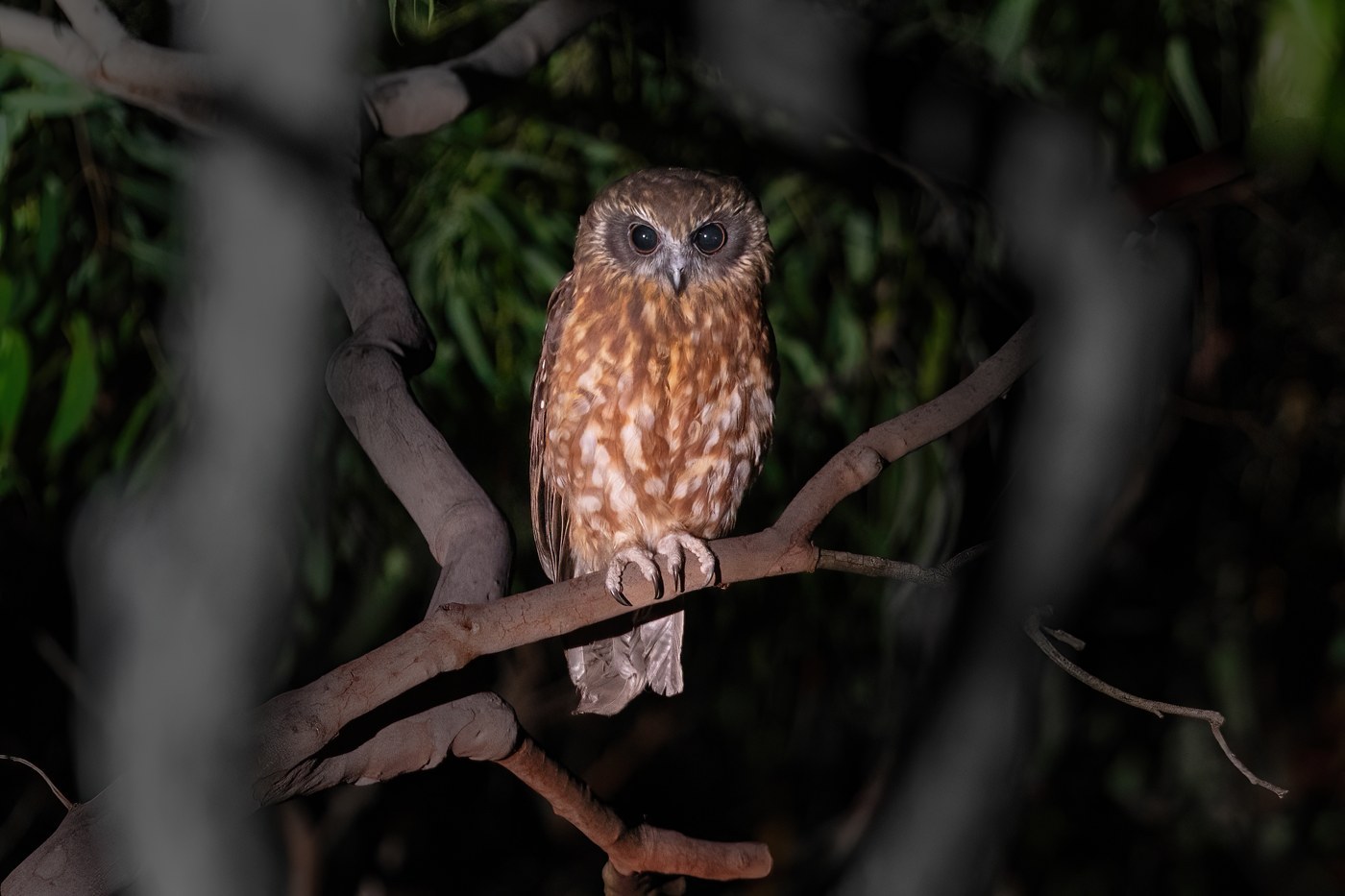
Southern Boobook
Rounded flight feathers; banded tail; spotted body plumage

Sooty Owl
Broad soft-edged flight feathers; heart-shaped facial disc feathers; finely speckled body plumage

Short-eared Owl
Broad soft-fringed flight feathers; streaked body feathers; tiny, rarely visible ear tufts

Stygian Owl
Dark, mottled flight and body feathers with long, closely-set ear tufts
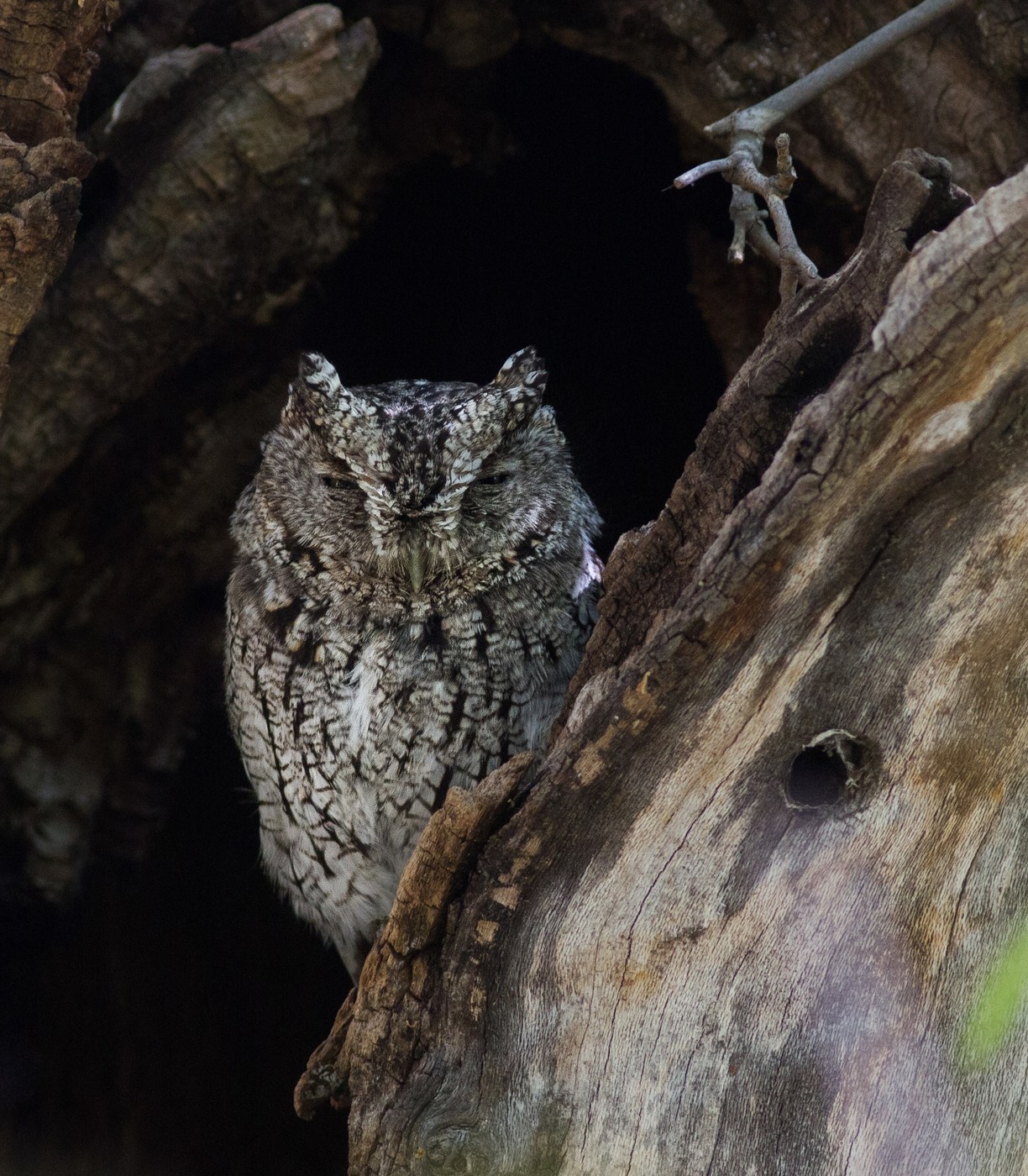
Whiskered Screech-Owl
Small soft-fringed flight feathers; finely mottled body feathers; short ear tufts
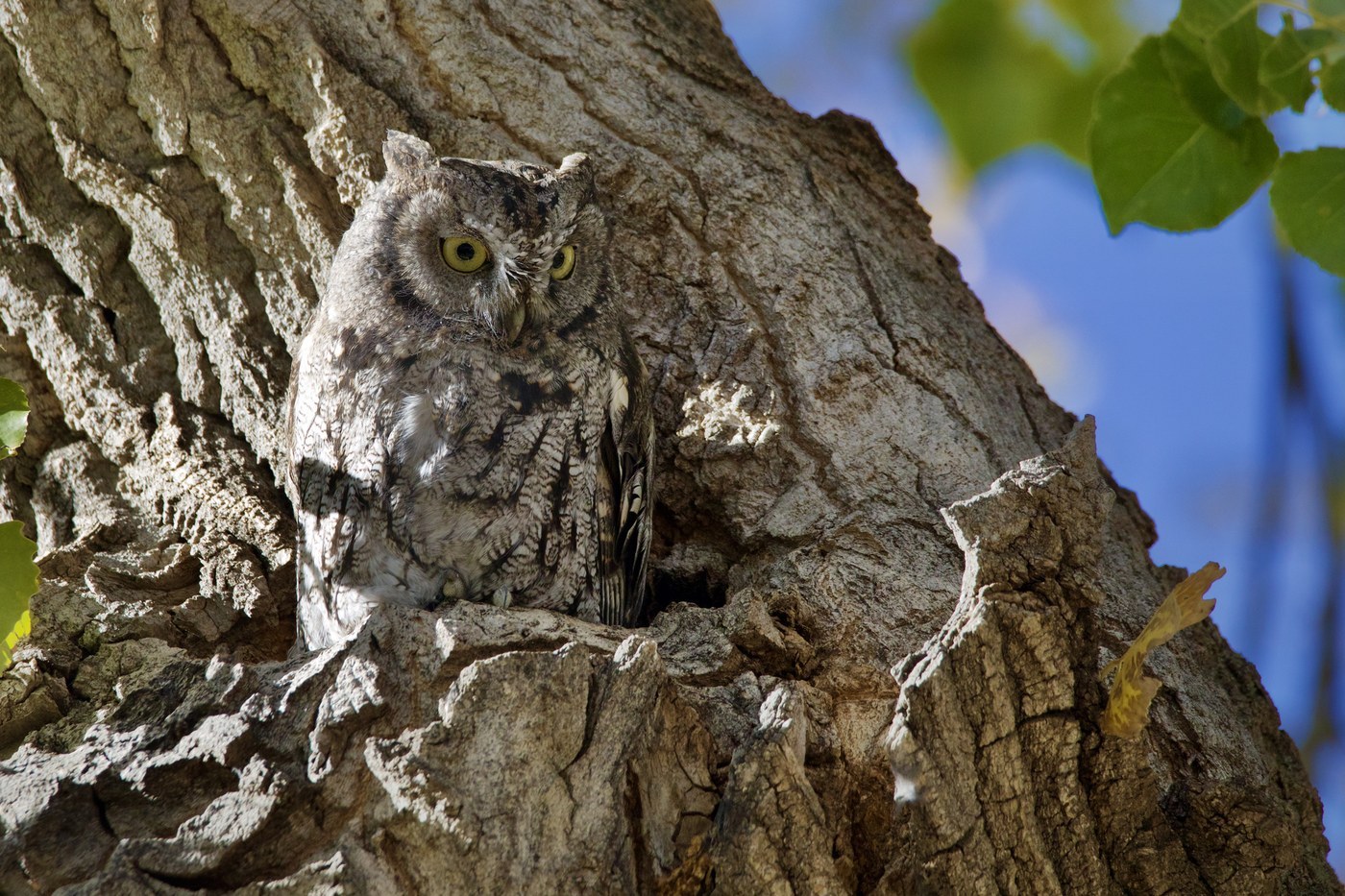
Western Screech-Owl
Small soft-fringed flight feathers; cryptic mottled/streaked body feathers; short ear tufts

White-faced Scops Owl
Small to medium flight feathers with a distinctive whitish facial disc and long ear-tuft plumes