

Whiskered Tern
Chlidonias hybrida
A compact marsh tern that turns a striking dark slate-gray across the body in breeding plumage, with a crisp white stripe dividing the black cap from the gray cheek.
- Feather type
- Contour, flight, and tail feathers
- Colours
- Slate-gray body, black cap, white cheek stripe in breeding plumage
- Bird size
- Small tern, ~24-29 cm
Found a feather like this?
Identify any feather from a photo, free.
Overview
The Whiskered Tern is the most broadly distributed of the marsh terns, breeding across warm-temperate wetlands of Europe, Asia, Africa, and Australia. Its shallowly forked tail and buoyant, dipping flight over open water distinguish it from the coastal terns it is sometimes seen alongside on migration.
Identifying the Feather
- Breeding-plumage body feathers are a distinctive medium slate-gray, darker than the pale gray of coastal terns
- Undertail coverts are white, contrasting with the darker gray belly and flanks
- Tail feathers are only shallowly forked, shorter and less streamer-like than in coastal Sterna terns
- Flight feathers are gray above with paler, silvery underwing linings
- Body feathers lack the heavy barring seen in some shorebird families, appearing smooth and evenly toned
Plumage & Molt
- Breeding adults show a full black cap, dark slate-gray underparts, and a white stripe along the cheek separating cap from body color
- Non-breeding adults become largely white below with a streaky gray crown and a dark smudge through the eye
- Juveniles show a scaly, brownish-buff pattern on the upperpart feathers that is lost during the first partial molt
- A complete molt follows breeding, with a further partial molt into breeding condition the following spring
- Sexes appear alike
Habitat & Range
This species breeds colonially on floating or emergent vegetation in shallow freshwater marshes, lakes, and flooded rice fields across a broad swath of the Old World, from southern Europe through Africa, Asia, and Australia. Populations at higher latitudes migrate to winter in tropical wetlands and coastal lagoons of Africa and southern Asia, while equatorial populations tend to be more sedentary.
Behavior & Field Notes
Whiskered Terns forage with a light, buoyant flight, dipping to the water surface to pick up insects, small fish, and amphibians rather than plunge-diving from height. They nest in dense colonies on floating mats of vegetation, building a simple platform nest just above the waterline. Their calls are short, harsh, tern-like notes given mainly around the breeding colony.
Frequently asked questions
How do Whiskered Tern feathers differ from coastal terns?
Whiskered Tern body feathers are a darker, more uniform slate-gray in breeding plumage, and the tail is only shallowly forked compared with the long, deeply forked tails of many coastal terns.
What is the white cheek stripe made of?
It is formed by a band of white feathers running along the side of the face, sharply separating the black crown feathers from the dark gray body plumage in breeding adults.
Do Whiskered Terns molt before migrating?
They undergo a complete molt after the breeding season, replacing worn breeding feathers with duller non-breeding plumage before undertaking their migratory movements.
Whiskered Tern guides
In-depth guides for identifying and understanding Whiskered Tern.

Other feathers you may enjoy

Western Gull
Body, flight, and tail feathers
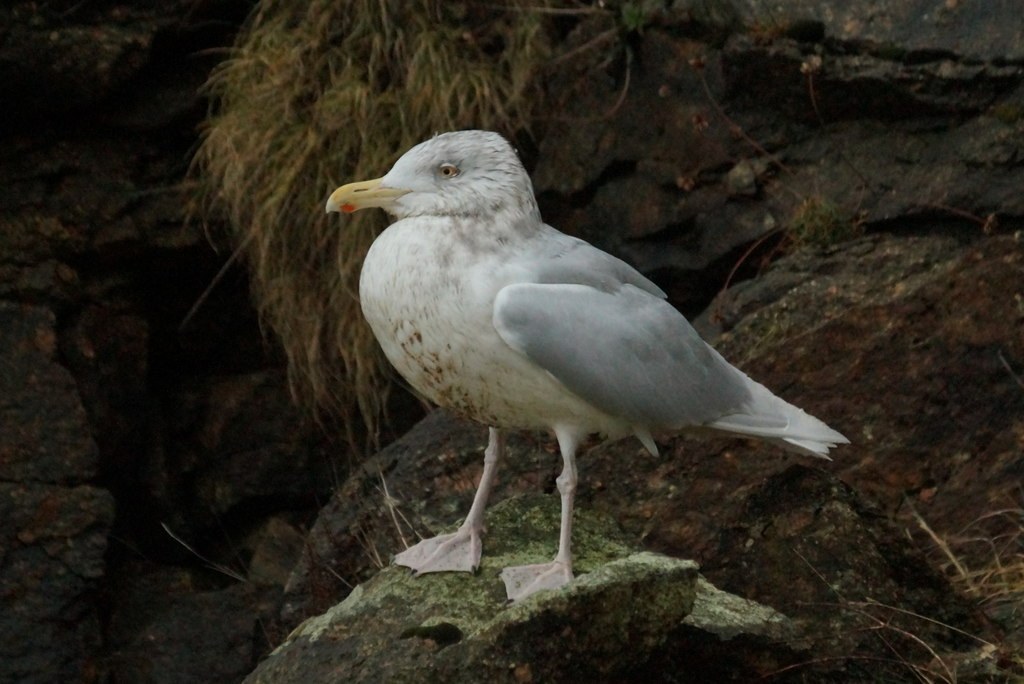
Glaucous Gull
Body, flight, and tail feathers

American Herring Gull
Body, flight, and tail feathers

Great Black-backed Gull
Body, flight, and tail feathers

Common Gull
Body, flight, and tail feathers
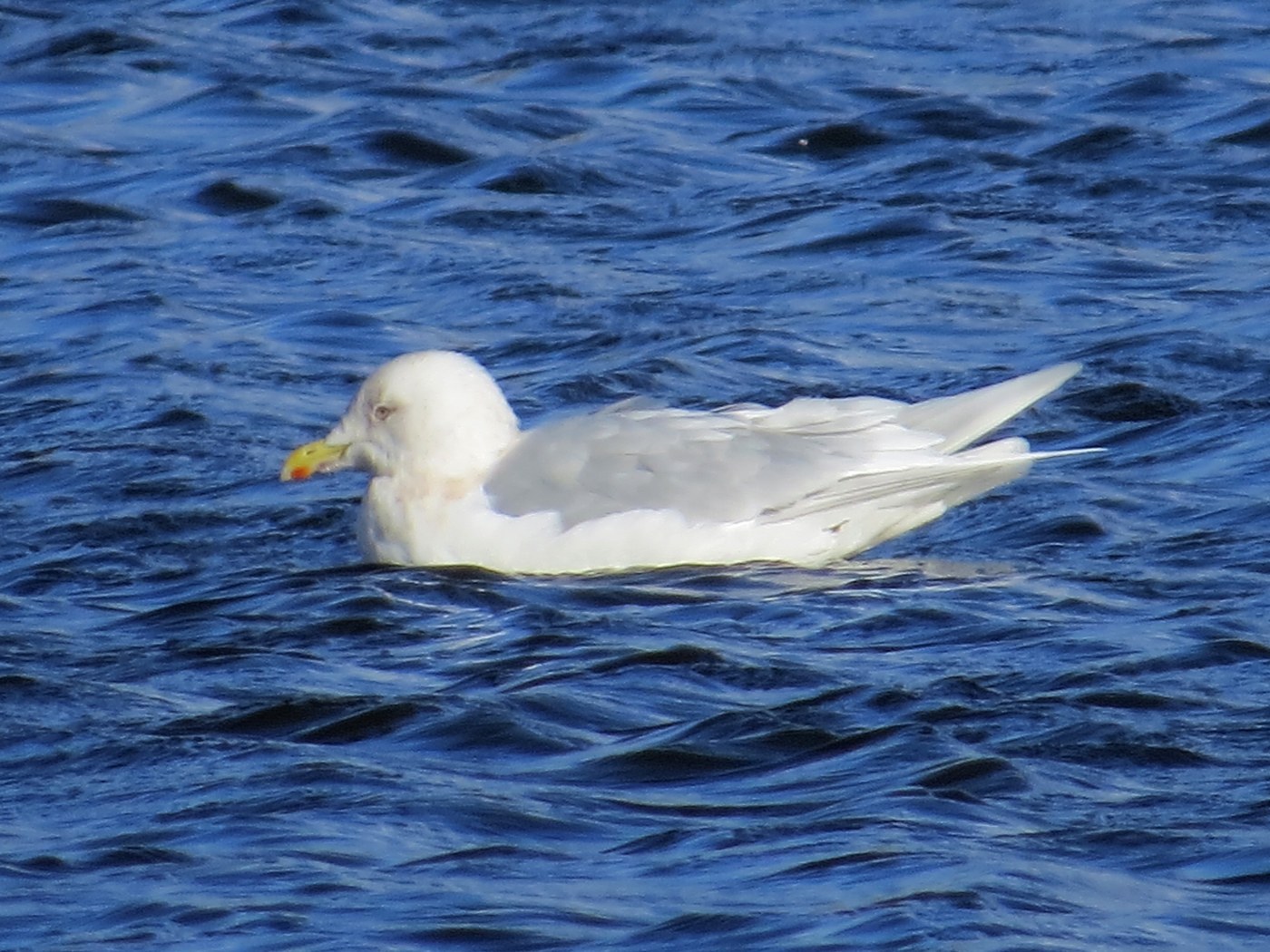
Iceland Gull
Body, flight, and tail feathers

Ring-billed Gull
Body, flight, and tail feathers

Glaucous-winged Gull
Body, flight, and tail feathers

Herring Gull
Body, flight, and tail feathers

Lesser Black-backed Gull
Body, flight, and tail feathers

California Gull
Body, flight, and tail feathers
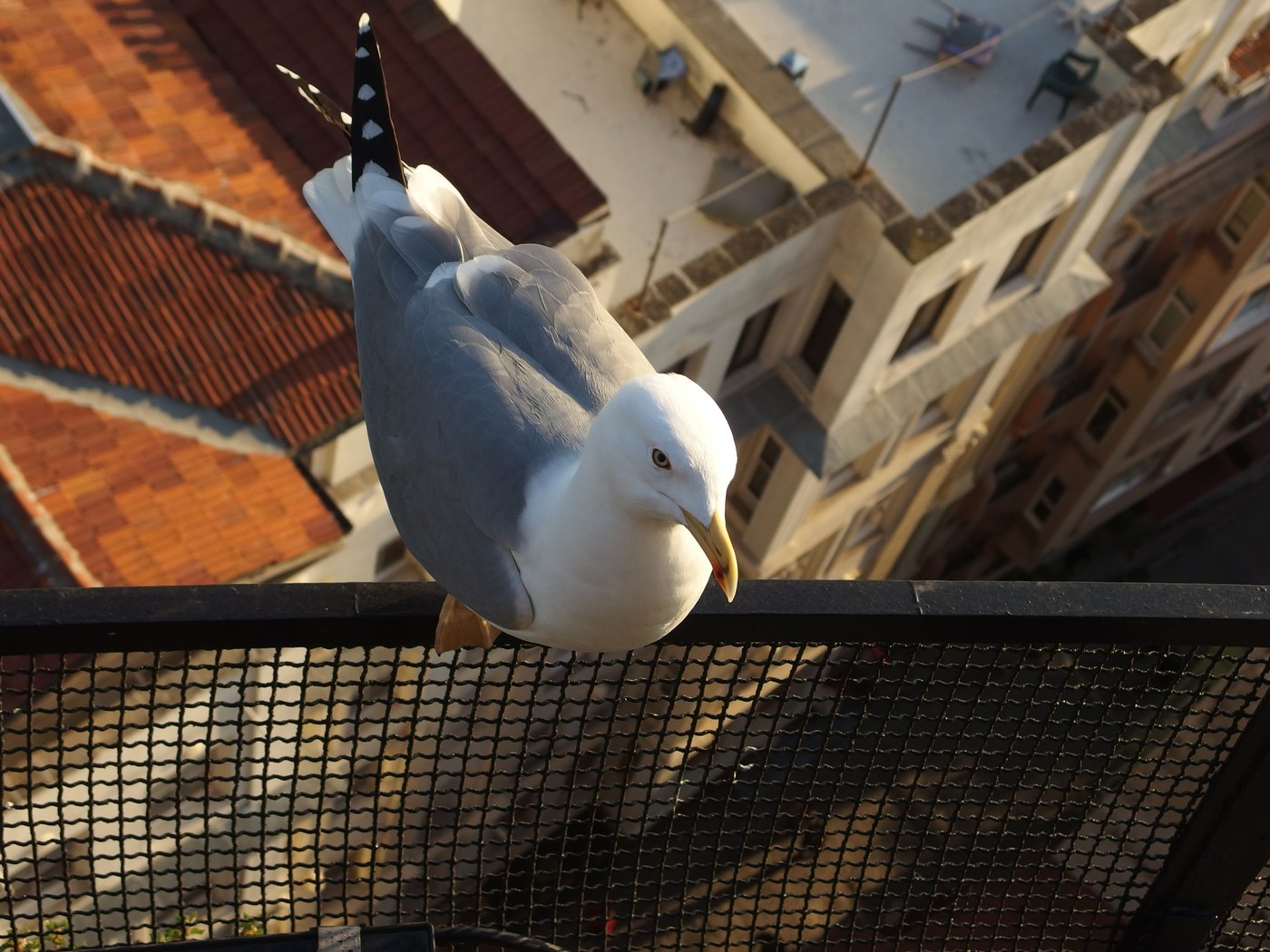
Yellow-legged Gull
Body, wing covert, and flight feathers