

Yellow-throated Bunting
Emberiza elegans
A crested East Asian bunting whose breeding males combine a black crown, bright yellow throat, and chestnut breast band.
- Feather type
- Body contour feathers with a short blunt crest tuft
- Colours
- Black, chestnut, yellow, and white
- Bird size
- Sparrow-sized, ~15 cm
Found a feather like this?
Identify any feather from a photo, free.
Overview
Overview
The Yellow-throated Bunting is a small East Asian songbird found from the Russian Far East and Korea through Japan and eastern China. It favors forest edges, secondary growth, and shrubby thickets, often staying low in dense cover.
Its short, spiky crest and bright yellow throat make breeding males one of the more distinctive buntings in its range.
Identifying the Feather
Feather Identification
- Crown feathers: black and slightly elongated, raised into a short pointed crest.
- Throat feathers: vivid yellow, bordered by a black bib that separates them from the chestnut breast band.
- Back and mantle: streaked chestnut-brown, providing camouflage against leaf litter.
- Tail: dark with white edges on the outer feathers, flashed in flight.
Compared with other Emberiza buntings, the combination of a crest and solid yellow throat is diagnostic; most similar species lack both features together.
Plumage & Molt
Plumage Notes
Breeding males show a bold black-and-white head pattern with a black crest, yellow throat, and chestnut breast band across white underparts. Females and non-breeding males are much duller, with a brownish crest, buffy throat wash, and softer streaking replacing the sharp black-and-chestnut contrast.
Juveniles resemble females but are more diffusely streaked overall. A single complete molt occurs after breeding, with partial molt producing brighter head feathers before the next season.
Habitat & Range
Habitat & Range
Breeding range spans southeastern Russia, the Korean Peninsula, and parts of northeastern China, with Japan hosting wintering and some resident populations. Birds favor forest understory, edges, and scrubby second growth rather than open fields.
Most populations are migratory, shifting to lower elevations and more open scrub in winter, though some resident populations occur in milder parts of the range.
Behavior & Field Notes
Behavior & Field Notes
Yellow-throated Buntings forage on the ground and in low vegetation for seeds and small invertebrates, often in pairs or small loose groups outside the breeding season.
The nest is a cup built low in shrubs or on the ground among dense cover. The song is a clear, varied warble delivered from a low perch. Look for the short crest and yellow throat, and listen for the song, to distinguish this species from plainer buntings sharing its range.
Frequently asked questions
What is the easiest field mark for a Yellow-throated Bunting?
A short black crest paired with a solid yellow throat is the quickest giveaway on breeding males; females show a duller, buffier version of the same pattern.
Do female Yellow-throated Buntings have a crest?
Yes, though it is smaller and browner than the male's black crest, making it less conspicuous in the field.
Where would I find this species in winter?
Wintering birds move to lower-elevation scrub, forest edges, and thickets, including parts of Japan and eastern China, rather than staying in high breeding forest.
How does its feather pattern differ from other Asian buntings?
Few other Emberiza buntings combine a raised crest with an unstreaked yellow throat, making this pairing a reliable distinguishing feature.
Yellow-throated Bunting guides
In-depth guides for identifying and understanding Yellow-throated Bunting.

Other feathers you may enjoy

Yellow-breasted Bunting
Contour and flight feathers, chestnut-and-yellow breeding pattern
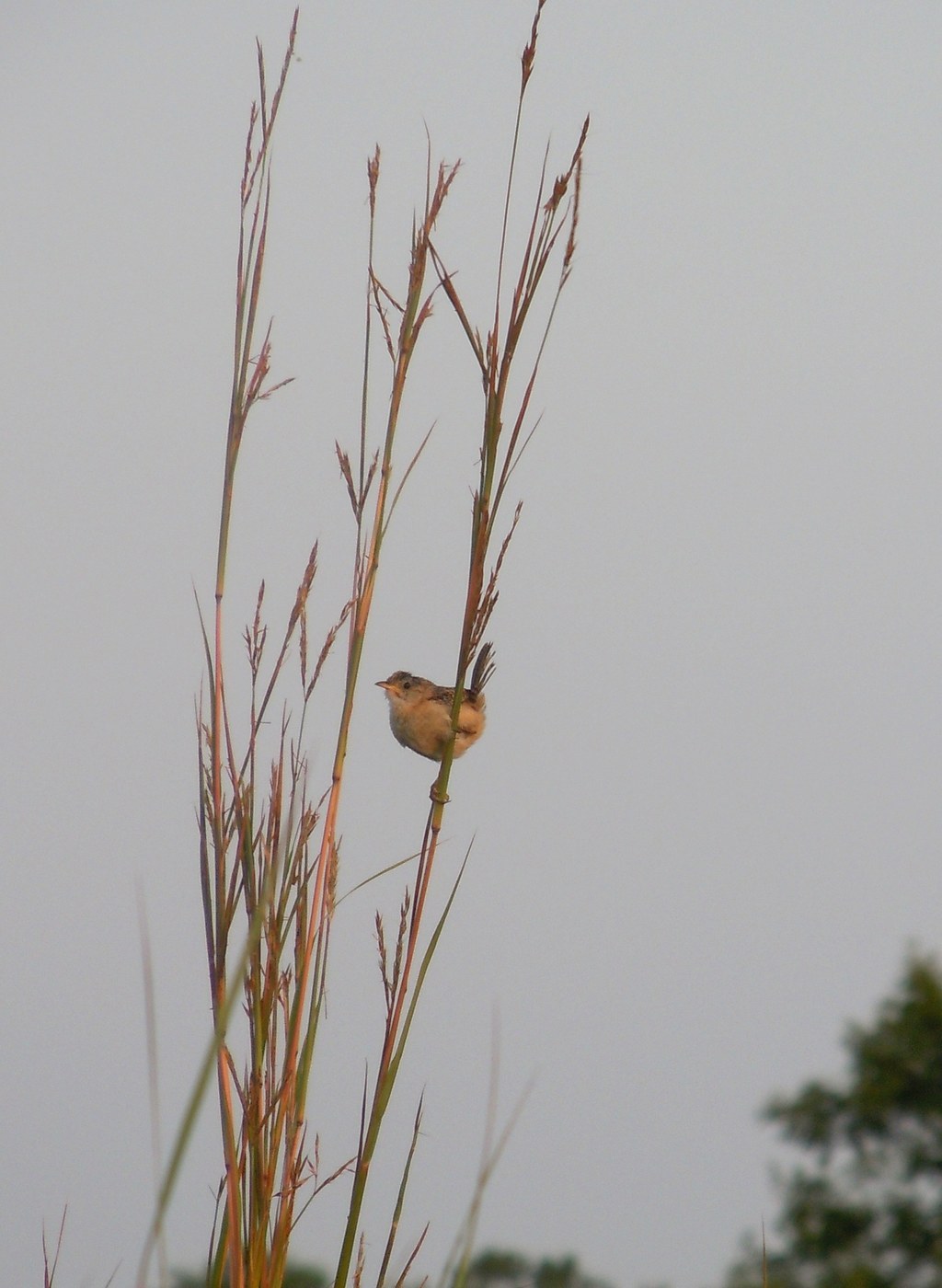
Sedge Wren
Tiny streaked crown and back feathers

Yellow-winged Cacique
Glossy black body feathers, yellow wing patch, shaggy crest

Yellow Warbler
Small contour and flight feathers
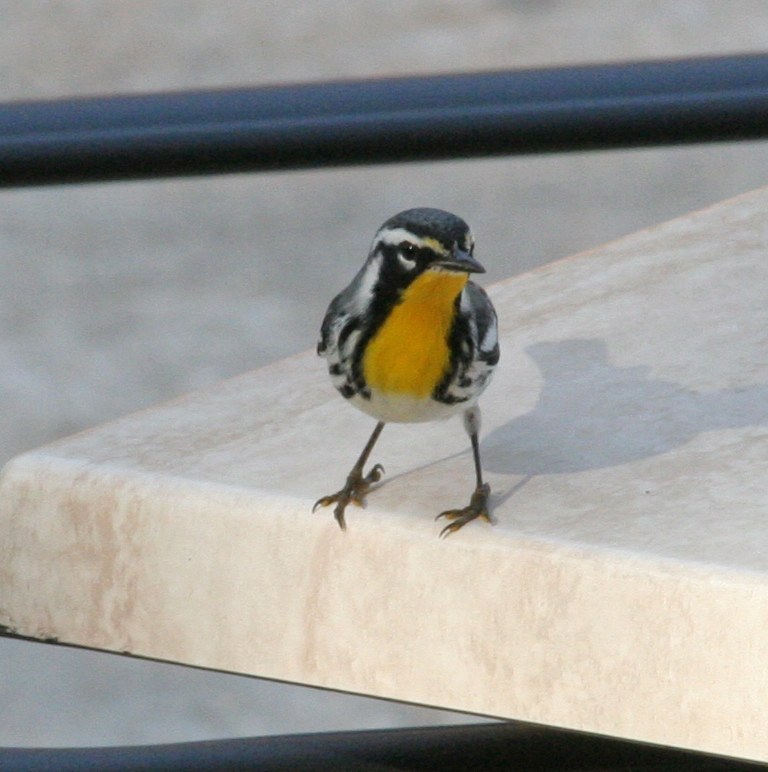
Yellow-throated Warbler
Small contour and flight feathers
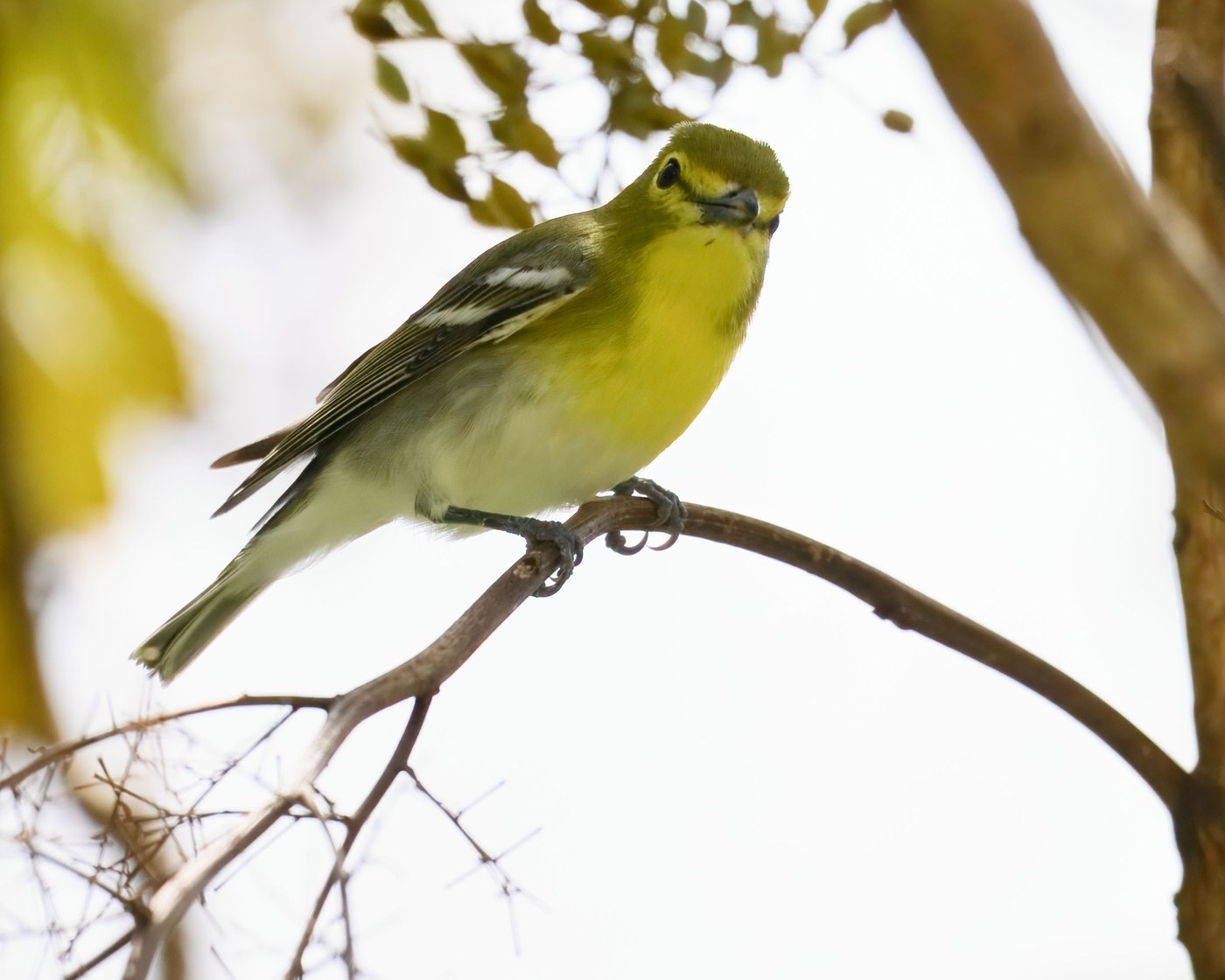
Yellow-throated Vireo
Bright yellow throat and spectacle feathers; olive-green back feathers; two white wing-bar feathers

Yellow-rumped Warbler
Small contour and flight feathers
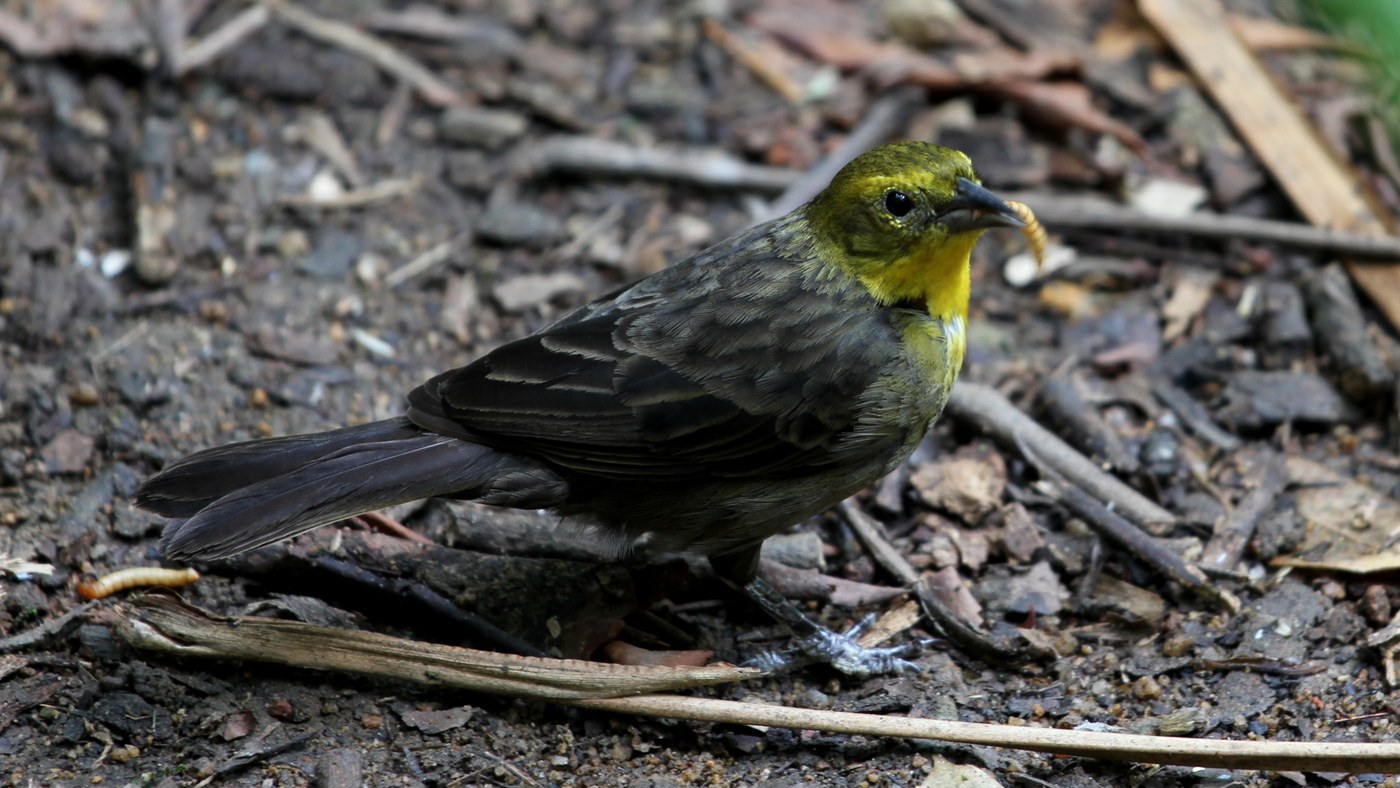
Yellow-hooded Blackbird
Contrasting hood and body feathers
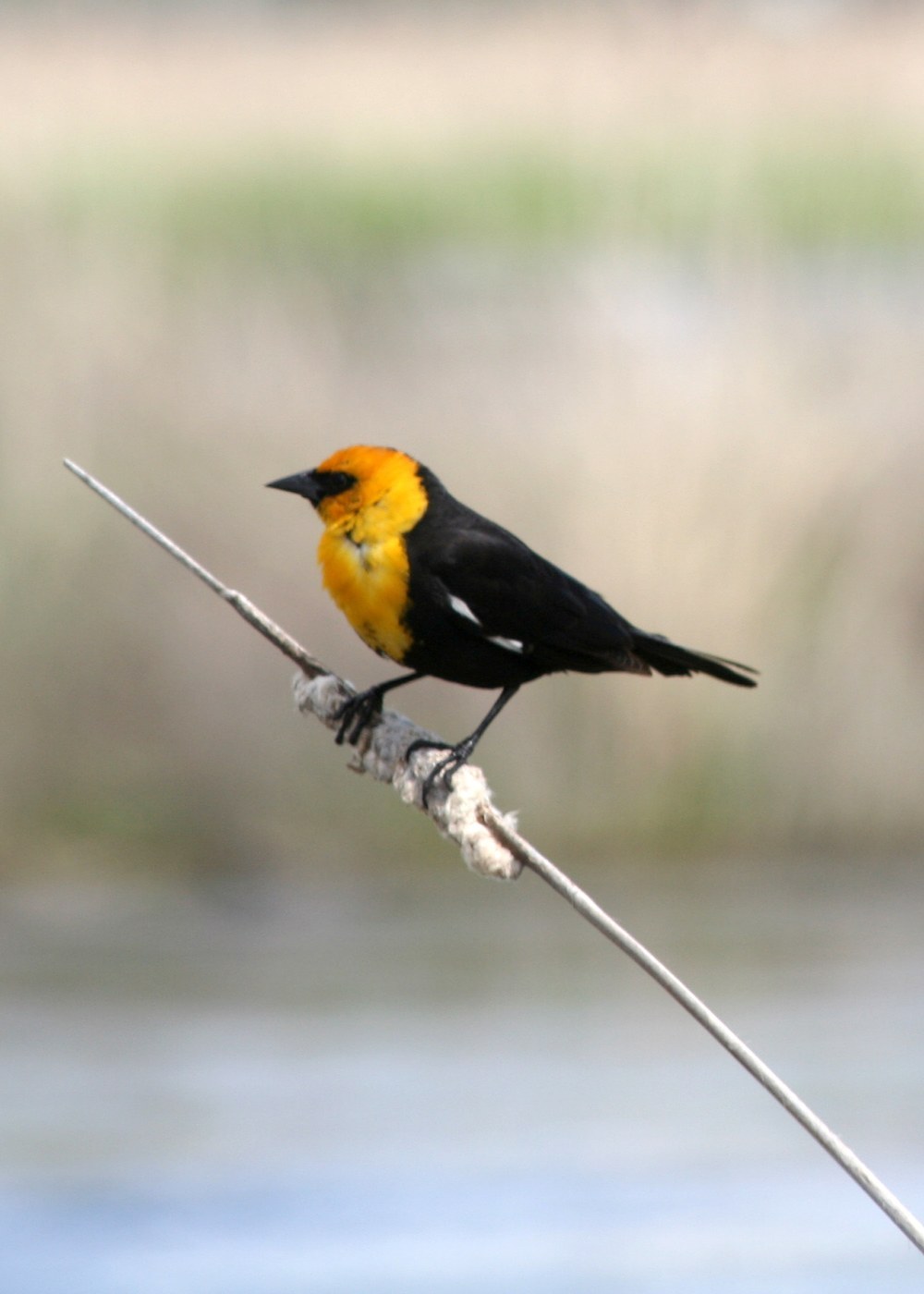
Yellow-headed Blackbird
Glossy black body plumage with a bright yellow head and breast

Yellow-eyed Junco
Contour and flight feathers

Yellow-fronted Canary
Small, smooth body plumage

Yellow-breasted Greenfinch
Compact, smooth body plumage