

American Black Duck
Anas rubripes
A large, dark dabbling duck of eastern North America that resembles a female Mallard but is much darker overall, with a contrasting pale head and white underwings visible in flight.
- Feather type
- Dense, dark contour feathers; violet-blue speculum feathers with black borders; white underwing coverts
- Colours
- Very dark chocolate-brown body with a paler, streaked head; violet-blue speculum bordered black
- Bird size
- Large dabbling duck, ~54-59 cm
Found a feather like this?
Identify any feather from a photo, free.
Overview
The American Black Duck is a large dabbling duck native to eastern North America, closely related to the Mallard and capable of hybridizing with it. Both sexes resemble a dark female Mallard, but the Black Duck's body is noticeably darker chocolate-brown, with a paler, finely streaked head and neck that stand out by contrast.
In flight, one of the most useful field marks is the flash of white underwing coverts against the dark body, visible from a distance even when other details are hard to see.
Feathers of this species are recognizable by their dark, rich brown tone, a violet-blue speculum patch bordered in black rather than the white borders seen in Mallard speculum feathers, and an overall dusky look distinct from any other dabbling duck in its range.
Identifying the Feather
Size and shape
- Large dabbling-duck body and wing feathers, similar in size and shape to Mallard feathers
- Broad, squared-off wingtip feathers typical of dabbling ducks
Color and pattern
- Body and back feathers dark chocolate-brown, notably darker than a female Mallard's warm buffy-brown
- Head and neck feathers paler buff with fine dark streaking, contrasting with the darker body
- Speculum feathers violet-blue, bordered by black rather than the white borders typical of Mallard speculum feathers
- Underwing covert feathers white, creating a strong contrast with the dark body in flight
Distinguishing from similar species
- The dark body combined with a contrastingly pale, streaked head separates it from Mallard, which shows warmer, more uniformly patterned body feathers
- Black borders on the speculum (rather than white) are a key difference from Mallard
- Compare with Mottled Duck, a similar dark dabbler found further south with an unstreaked, plain pale throat rather than the Black Duck's streaked head and neck
Plumage & Molt
Both sexes look similar, an unusual trait among dabbling ducks where males and females are typically quite different; both show the same dark chocolate-brown body with a paler streaked head. Males have an olive-yellow bill, while females typically show a duller, more mottled greenish-black bill. Legs and feet are orange to reddish, giving the species its scientific name rubripes. Juveniles resemble adults but with softer, less defined feather edges. Molt follows the standard dabbling-duck pattern, including a flightless period during wing molt in late summer.
Habitat & Range
Found across eastern North America, from the Great Lakes and Atlantic Canada south along the Atlantic coast to the Gulf states in winter. It breeds in freshwater marshes, wooded wetlands, and beaver ponds, and winters heavily in coastal marshes and estuaries. Many populations are migratory, moving south for the winter, though some remain resident in milder coastal areas year-round.
Behavior & Field Notes
A dabbling duck that feeds by tipping up in shallow water and grazing at the surface, eating aquatic vegetation, seeds, and invertebrates depending on season and habitat. Nests are built on the ground, typically well hidden in vegetation near water. Its voice includes the classic quacking calls typical of Anas ducks, with females giving a loud descending quack similar to a Mallard's. Population declines linked to habitat loss and hybridization with Mallards make range and plumage darkness useful clues when evaluating a found feather.
Frequently asked questions
How can I tell an American Black Duck feather from a Mallard's?
Black Duck feathers are darker chocolate-brown overall with a contrasting paler, streaked head, and the speculum is bordered in black rather than the white borders seen on Mallard speculum feathers.
Do male and female American Black Ducks look different?
Not dramatically; unlike most dabbling ducks, both sexes look broadly similar, resembling a dark female Mallard, though bill color differs slightly.
Where would I find this species' feathers?
Across eastern North America, especially coastal marshes and estuaries in winter and freshwater wetlands in the breeding season.
Can Black Ducks hybridize with Mallards?
Yes, hybridization with Mallards is well documented and is a conservation concern, which can occasionally produce feathers with intermediate features.
American Black Duck guides
In-depth guides for identifying and understanding American Black Duck.

Other feathers you may enjoy

Mallard
Wing (speculum), body, and tail feathers

Spectacled Eider
Large sea-duck body feathers with distinctive eye-ring patches

Canada Goose
Body and flight feathers
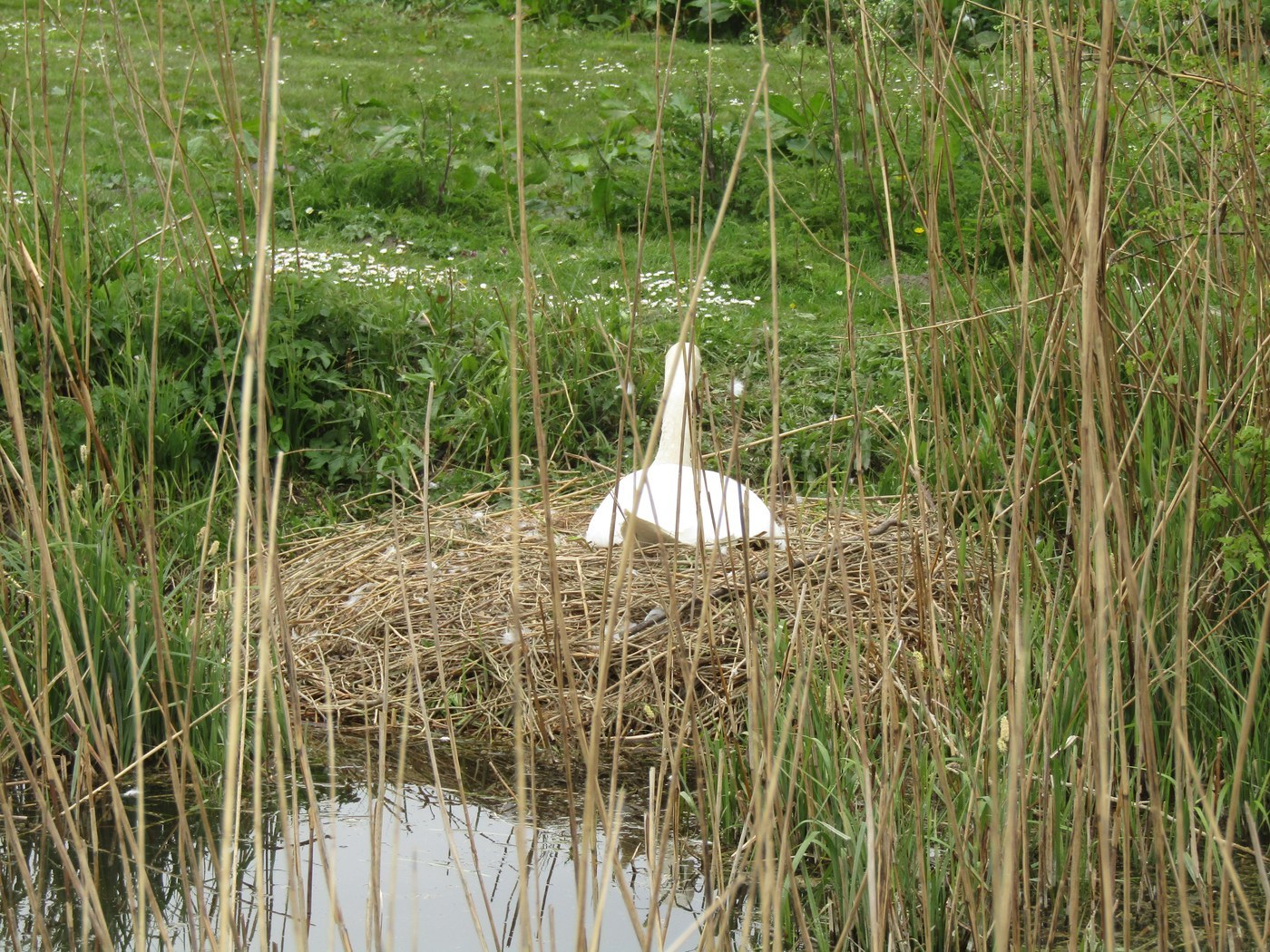
Mute Swan
Body (contour) and flight feathers

Wood Duck
Iridescent crest feathers; ornate scapular and flank feathers; white teardrop facial feathers (female)
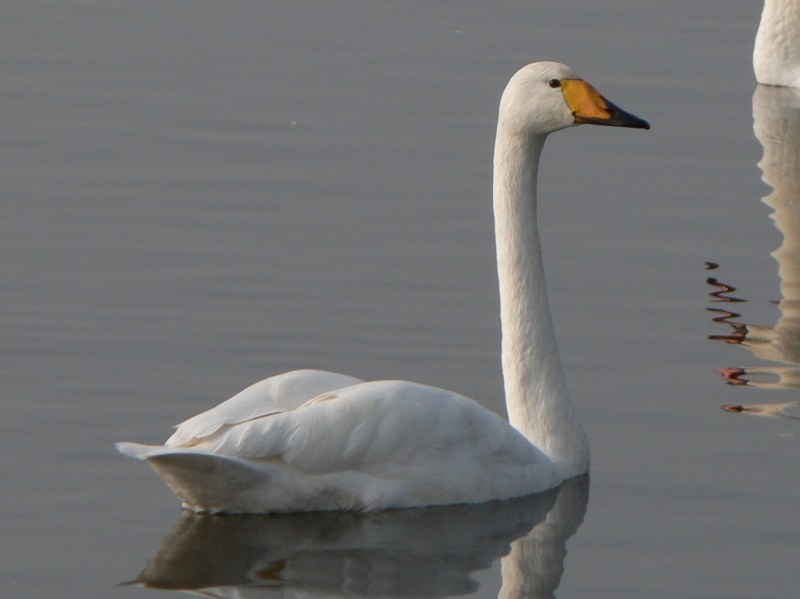
Whooper Swan
Contour and flight feathers

White-winged Scoter
Large sea-duck body feathers with a white wing patch

Ruddy Duck
Stiff tail feathers and compact body plumage

Ross's Goose
Contour and flight feathers

White-cheeked Pintail
Contour and elongated tail feathers

Torrent Duck
Dense, sleek contour feathers; stiff, pointed tail feathers used for bracing against rocks

Tundra Swan
Contour and flight feathers