

Canada Goose
Branta canadensis
A large, familiar goose whose black neck feathers set off by a bold white chinstrap patch make it one of the easiest waterfowl to recognize from a single feather cluster.
- Feather type
- Body and flight feathers
- Colours
- Black head and neck with a white chinstrap, brown body, pale breast
- Bird size
- Large goose, ~90-110 cm depending on subspecies
Found a feather like this?
Identify any feather from a photo, free.
Overview
The Canada Goose is native to North America but has established large, often resident feral populations in Europe and elsewhere following introductions. It is a highly adaptable species, equally common on wild lakes and manicured urban parks.
Identifying the Feather
The neck and head feathers of a Canada Goose are black, broken by a striking white patch running from the chin up across the cheeks - the single most reliable identification feature of the species. Body feathers are brown to greyish-brown with pale fringes giving a scaled appearance on the back and flanks, while the breast is paler buff-brown. Undertail covert feathers are white, contrasting with the black tail. Flight feathers are uniformly dark brown to blackish, strong and moderately broad, typical of a goose built for sustained flight.
Plumage & Molt
Sexes look alike, with males averaging slightly larger. Subspecies vary considerably in overall size and depth of body color, from small, dark forms to large, pale ones. Juveniles resemble adults fairly closely but with slightly duller feather edges. Adults undergo a complete molt after breeding, becoming flightless for several weeks.
Habitat & Range
Canada Geese use a very wide range of open water and grassy habitats, including lakes, rivers, farmland, golf courses, and urban parks, needing only water for safety and short grass or grain fields for grazing. Native to North America, the species is either migratory or resident depending on the population, while introduced populations in Europe and elsewhere are largely resident and non-migratory.
Behavior & Field Notes
Canada Geese feed mainly by grazing on grasses, grains, and aquatic vegetation, often in large flocks outside the breeding season, and are well known for flying in V-formation skeins while giving loud, honking calls. Pairs are highly territorial and can be aggressive when defending nests or goslings. Nests are built on the ground, often on islands or banks close to water.
Frequently asked questions
What is the easiest way to recognize a Canada Goose feather?
A black head or neck feather adjoining the bold white chinstrap patch is the clearest sign, since few other geese share this pattern.
Do all Canada Goose subspecies look the same?
No, subspecies vary in size and the depth of brown in the body plumage, from small dark forms to large pale ones, though the black neck and white chinstrap remain consistent.
Are Canada Geese native outside North America?
No, the species is native to North America and has become an established feral resident in Europe and other regions through introduction.
Where would I typically find Canada Goose feathers?
Almost any open water with adjacent grassland, including urban parks, farmland ponds, and lakes.
Canada Goose guides
In-depth guides for identifying and understanding Canada Goose.

Canada Goose identified by the community
Real feathers identified with Feather Identifier.


Other feathers you may enjoy

Mallard
Wing (speculum), body, and tail feathers

Spectacled Eider
Large sea-duck body feathers with distinctive eye-ring patches
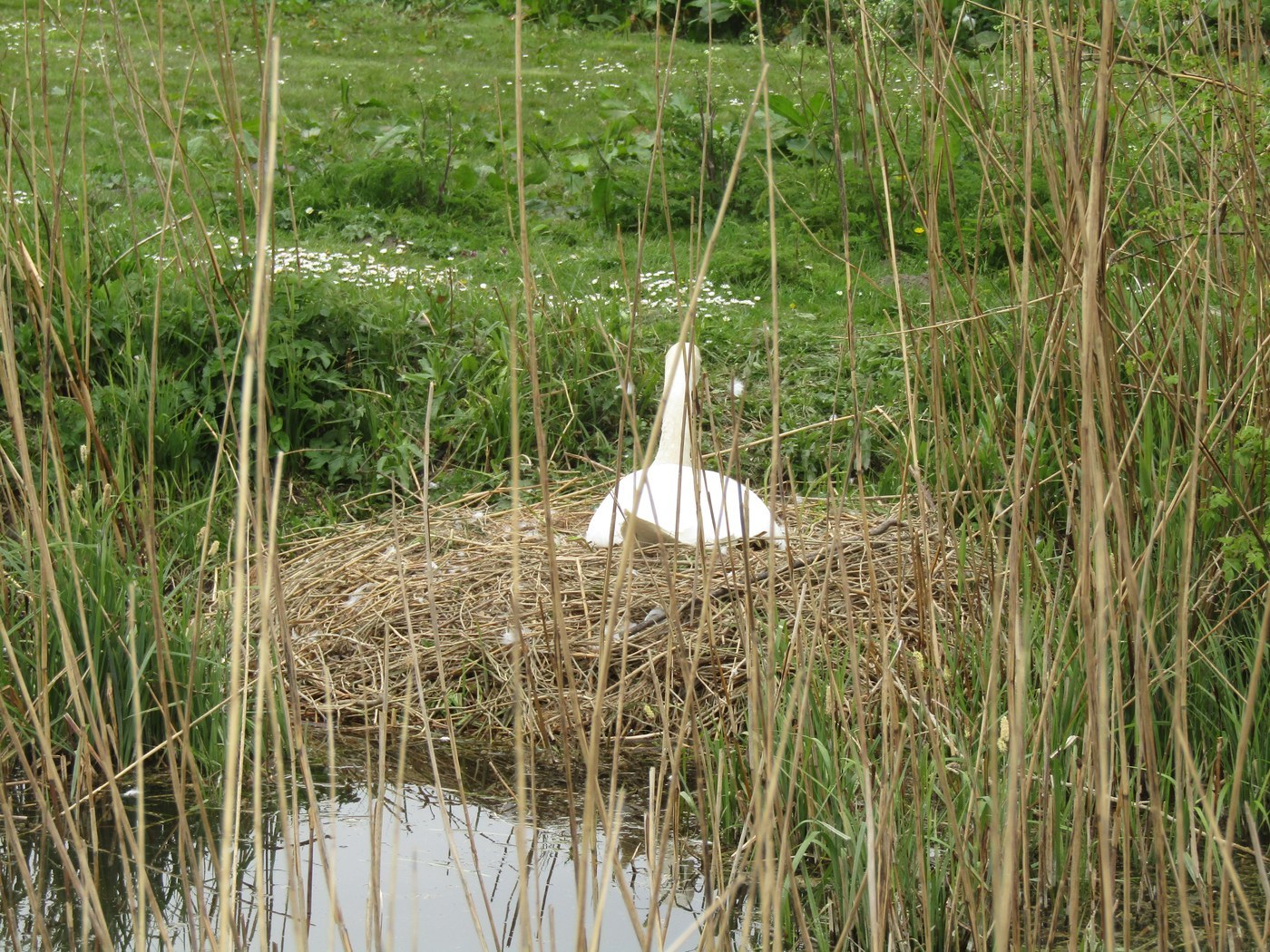
Mute Swan
Body (contour) and flight feathers

Wood Duck
Iridescent crest feathers; ornate scapular and flank feathers; white teardrop facial feathers (female)
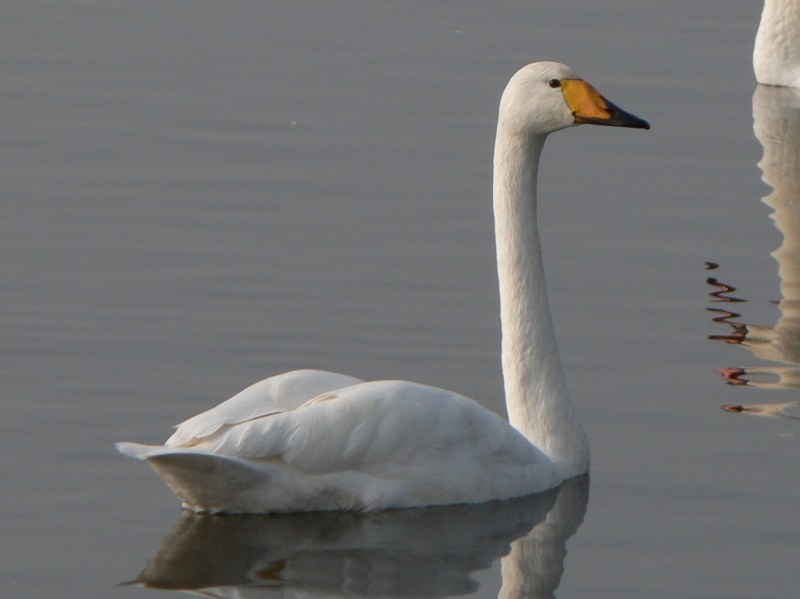
Whooper Swan
Contour and flight feathers

White-winged Scoter
Large sea-duck body feathers with a white wing patch

Ruddy Duck
Stiff tail feathers and compact body plumage

Ross's Goose
Contour and flight feathers

White-cheeked Pintail
Contour and elongated tail feathers

Torrent Duck
Dense, sleek contour feathers; stiff, pointed tail feathers used for bracing against rocks

Tundra Swan
Contour and flight feathers
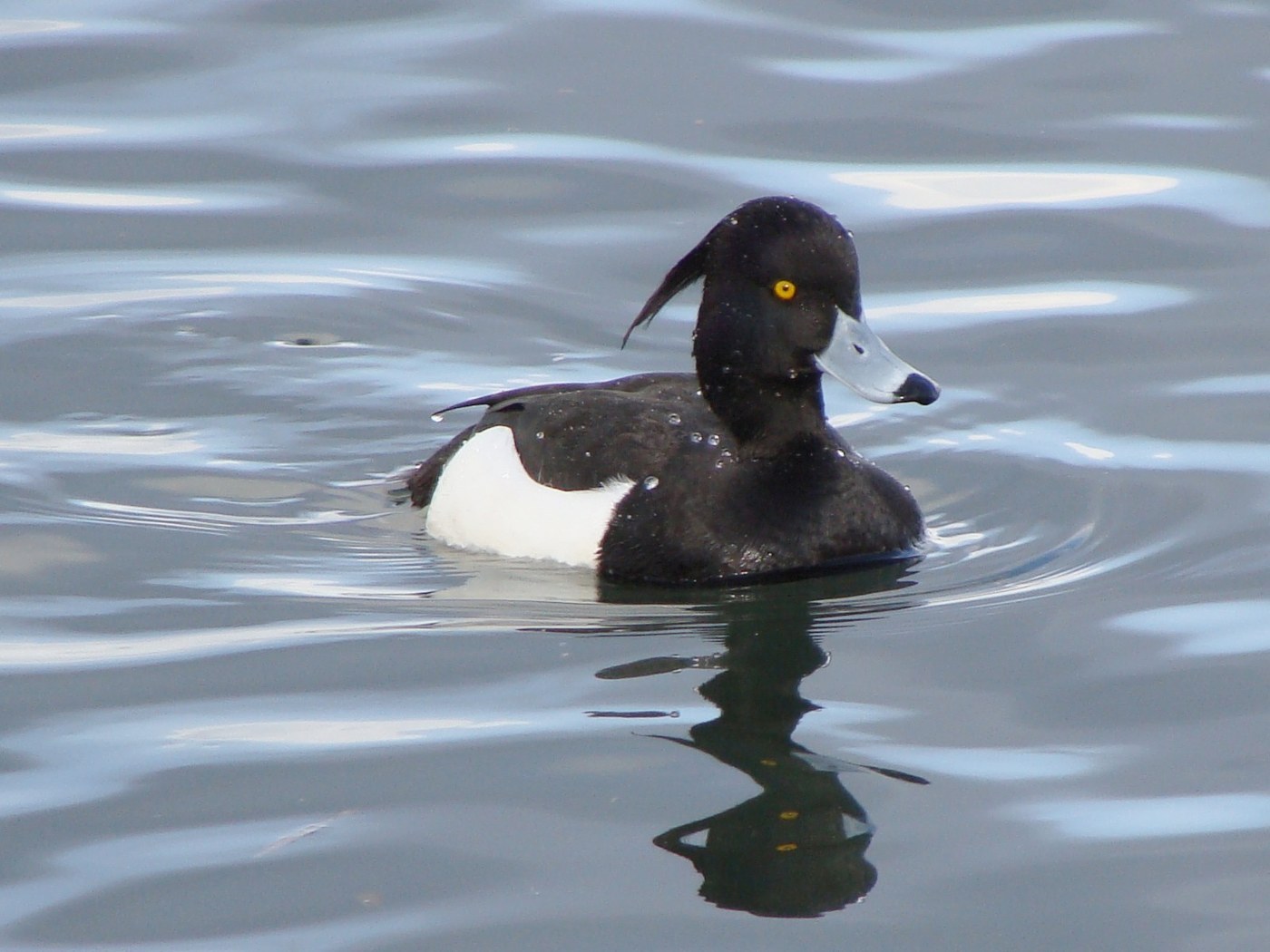
Tufted Duck
Diving-duck body feathers with an elongated crest