
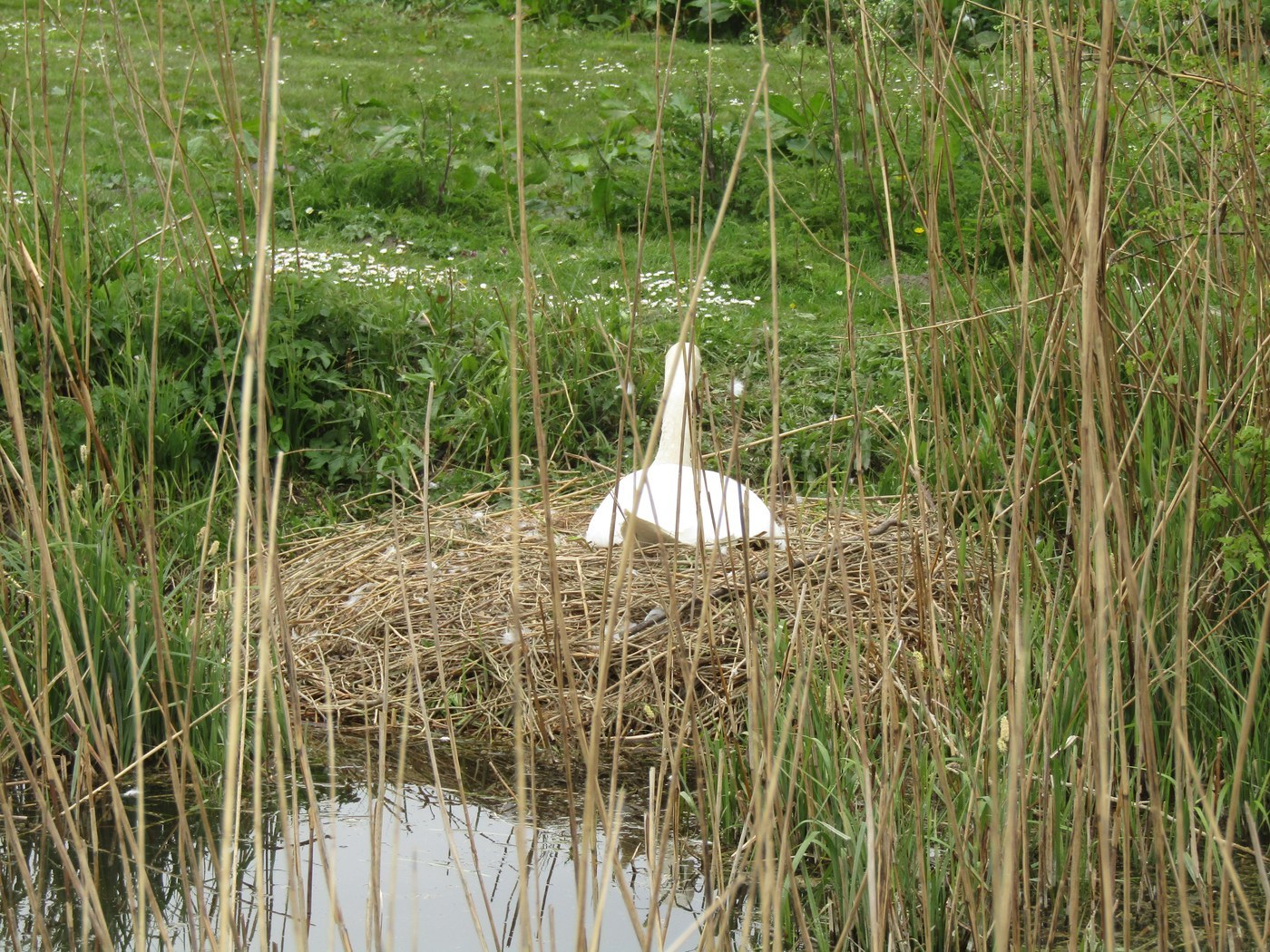
Mute Swan
Cygnus olor
An enormous, entirely white waterbird whose large, gently curved feathers are unmistakable simply by their sheer size among freshwater birds.
- Feather type
- Body (contour) and flight feathers
- Colours
- Pure white throughout in adults; grey-brown in cygnets
- Bird size
- Very large waterfowl, ~140-160 cm
Found a feather like this?
Identify any feather from a photo, free.
Overview
The Mute Swan is one of the largest flying birds in Europe and Asia, familiar for its graceful S-curved neck posture and orange bill with a black basal knob. Introduced populations are also well established in North America and elsewhere.
Identifying the Feather
Adult Mute Swan feathers are pure white and notably large, with primaries and secondaries stiff and strongly built to support the bird's considerable weight in flight; the wings produce an audible throbbing or singing sound in flight due to the shape and vibration of these flight feathers, unlike the largely silent flight of geese. Body feathers are dense, curved, and pure white, without any of the grey or buff tones seen in immature birds. Cygnet down and early feathers are grey-brown, gradually replaced with white plumage over the first year.
Plumage & Molt
Sexes look identical in plumage, though males (cobs) average larger with a bigger bill knob. Juveniles (cygnets) are grey-brown, molting gradually into white first-winter plumage with grey-brown remnants persisting into the second year in some birds. Adults undergo a complete molt in late summer, becoming flightless for several weeks.
Habitat & Range
Mute Swans favor lakes, slow rivers, and estuaries with abundant aquatic vegetation, and are equally at home on rural waters and urban park ponds. Native to much of Europe and central Asia, they have been introduced and become established in North America, Australia, and elsewhere, generally remaining resident or making only short-distance movements.
Behavior & Field Notes
Mute Swans graze on aquatic plants both by dabbling and by upending in shallow water, and can be highly territorial and aggressive in defense of nests and cygnets, hissing loudly at intruders. Despite the name, they are not silent, producing grunts, hisses, and snorting calls, though they lack the loud trumpeting calls of some other swan species. Nests are large mounds of vegetation built at the water's edge.
Frequently asked questions
How can I tell a Mute Swan feather from a goose feather?
Mute Swan feathers are considerably larger and pure white in adults, while most geese show at least some grey, brown, or black in their plumage.
Why do Mute Swan wings make a throbbing sound in flight?
The stiff structure and vibration of the flight feathers produce a distinctive rhythmic sound as the bird flies, unlike the quieter wingbeats of geese and ducks.
Are cygnet feathers the same color as adult feathers?
No, cygnets have grey-brown down and early feathers that are gradually replaced by white plumage over the first year or so of life.
Where are Mute Swan feathers commonly found?
Lake and river edges, park ponds, and estuaries where the species nests and forages are the most likely locations.
Mute Swan guides
In-depth guides for identifying and understanding Mute Swan.
Mute Swan identified by the community
Real feathers identified with Feather Identifier.


Other feathers you may enjoy

Mallard
Wing (speculum), body, and tail feathers

Spectacled Eider
Large sea-duck body feathers with distinctive eye-ring patches

Canada Goose
Body and flight feathers

Wood Duck
Iridescent crest feathers; ornate scapular and flank feathers; white teardrop facial feathers (female)
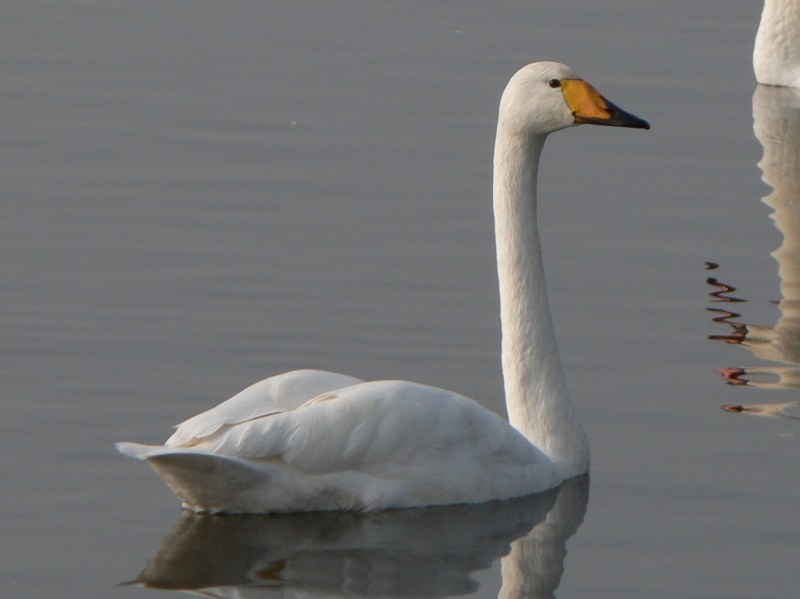
Whooper Swan
Contour and flight feathers

White-winged Scoter
Large sea-duck body feathers with a white wing patch

Ruddy Duck
Stiff tail feathers and compact body plumage

Ross's Goose
Contour and flight feathers

White-cheeked Pintail
Contour and elongated tail feathers

Torrent Duck
Dense, sleek contour feathers; stiff, pointed tail feathers used for bracing against rocks

Tundra Swan
Contour and flight feathers
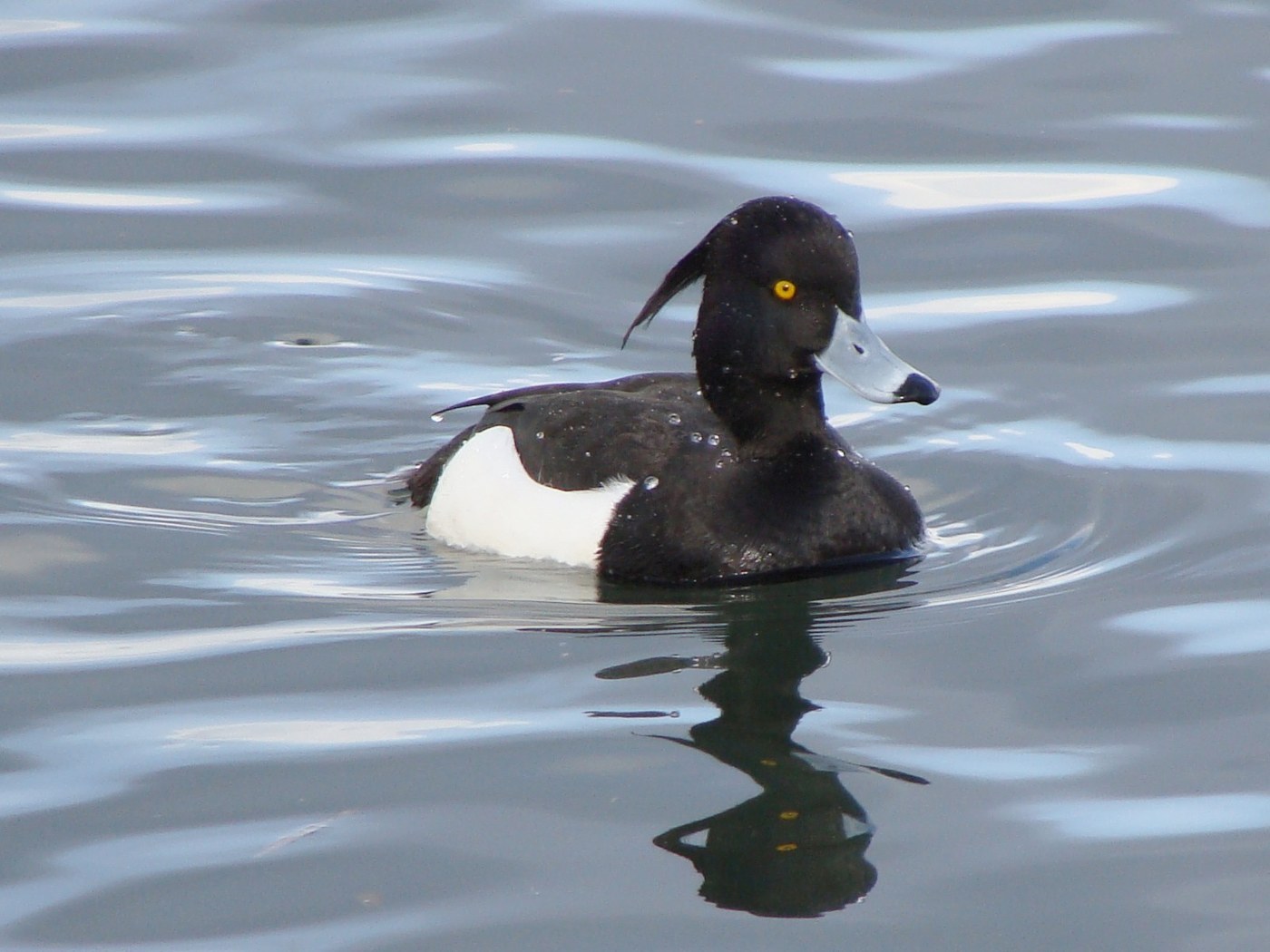
Tufted Duck
Diving-duck body feathers with an elongated crest