

Arctic Tern
Sterna paradisaea
A slender, long-distance migrant famous for traveling between Arctic breeding grounds and Antarctic waters each year, distinguished from the similar Common Tern by an all-red bill and more uniformly translucent primaries.
- Feather type
- Body and flight feathers
- Colours
- Pale gray upperparts, white underparts, black cap, translucent primaries
- Bird size
- Small-medium tern, ~33-36 cm (including long tail streamers)
Found a feather like this?
Identify any feather from a photo, free.
Overview
Overview
The Arctic Tern is renowned for having one of the longest migrations of any animal, breeding in Arctic and subarctic regions and wintering in the productive waters around Antarctica, a round-trip journey covering enormous distances each year. It closely resembles the Common Tern in overall shape and plumage pattern but differs in several subtle features, including shorter legs, an all-red bill lacking a black tip in breeding adults, and primaries that remain pale and translucent rather than developing a dark wedge with wear.
Because the two species frequently occur together on shared breeding and staging grounds, careful attention to bill color, leg length, and wing translucency is often necessary to separate Arctic Tern from Common Tern in the field or from isolated feathers.
Identifying the Feather
Feather Identification
- Wing feathers: Primaries remain pale and translucent along most of their length, lacking the pronounced dark outer wedge that develops on Common Tern's primaries with wear, giving a more uniformly silvery appearance to the wingtip in flight.
- Tail feathers: Long, deeply forked tail streamers, proportionately longer relative to the wingtips than in Common Tern when the bird is at rest.
- Size and shape: Flight feathers are slender and lightweight, and the overall body is compact with very short legs, an adaptation that gives the species a distinctive low, short-legged stance on the ground.
- Body feathers: Pale gray upperparts, white underparts sometimes with a light gray wash, and a full black cap in breeding adults.
- Compared to similar species: Common Tern shows a black-tipped bill and a more contrasty dark wingtip wedge; Forster's Tern shows frostier white primaries and a different winter head pattern; leg length is a helpful supporting feature, as Arctic Tern's legs are notably shorter than those of Common Tern.
Plumage & Molt
Plumage Details
Breeding adults show a full black cap, pale gray upperparts and underparts, an entirely red bill without a black tip, and short red legs. Nonbreeding adults show a white forehead with the black restricted to a band from the eye around the nape, similar to Common Tern's winter pattern, and the bill darkens. Juveniles show scaly buff-and-brown upperparts with a dark carpal bar, a white forehead, and a dark bill base, molting into an immature plumage that resembles the nonbreeding adult but with retained juvenile wing feathers before acquiring full adult plumage over the following couple of years.
Habitat & Range
Habitat & Range
Arctic Terns breed on coasts, tundra, and islands across the high Arctic and subarctic regions of North America, Europe, and Asia, including some of the northernmost breeding sites of any bird species. Their migration is extraordinary, with birds traveling from Arctic breeding grounds to productive waters around Antarctica and back each year, exploiting continuous daylight in both polar summers. Outside the breeding season they are highly pelagic, spending much of the year over open ocean far from land.
Behavior & Field Notes
Behavior & Field Notes
Arctic Terns forage by hovering and plunge-diving for small fish and invertebrates near the ocean surface, often in cold, productive waters near polar ice edges. They nest in colonies on open ground, tundra, or rocky islands, and are notably aggressive in defense of their nests, frequently diving at and striking intruders, including humans, that approach too closely. The call is similar to Common Tern's but often described as slightly higher-pitched or more strident. Its extraordinary migratory distance, short red legs, and translucent wingtips are key points of interest and identification for this species.
Frequently asked questions
Why is the Arctic Tern's migration so notable?
It travels between Arctic breeding grounds and wintering areas near Antarctica each year, a round-trip covering some of the greatest distances known among migratory birds, allowing it to experience two polar summers annually.
How do I tell Arctic Tern feathers from Common Tern feathers?
Arctic Tern primaries remain pale and translucent along their length, while Common Tern primaries develop a darker, more contrasty wedge on the outer web with wear over the season.
Does bill color help distinguish the two species?
Yes, breeding Arctic Terns have an entirely red bill with no black tip, whereas breeding Common Terns typically show a black tip to an otherwise red-orange bill.
Why does the Arctic Tern have such short legs?
Its notably short legs are a distinguishing physical feature from Common Tern and give it a lower stance when standing or walking on the ground.
Arctic Tern guides
In-depth guides for identifying and understanding Arctic Tern.

Other feathers you may enjoy

Western Gull
Body, flight, and tail feathers
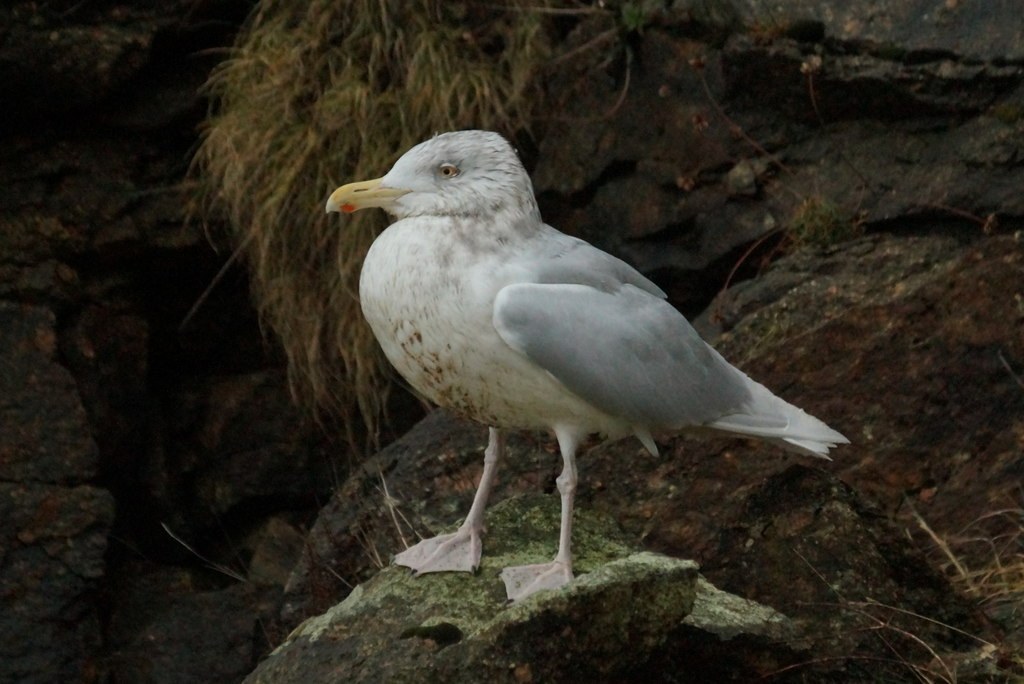
Glaucous Gull
Body, flight, and tail feathers

American Herring Gull
Body, flight, and tail feathers

Great Black-backed Gull
Body, flight, and tail feathers

Common Gull
Body, flight, and tail feathers
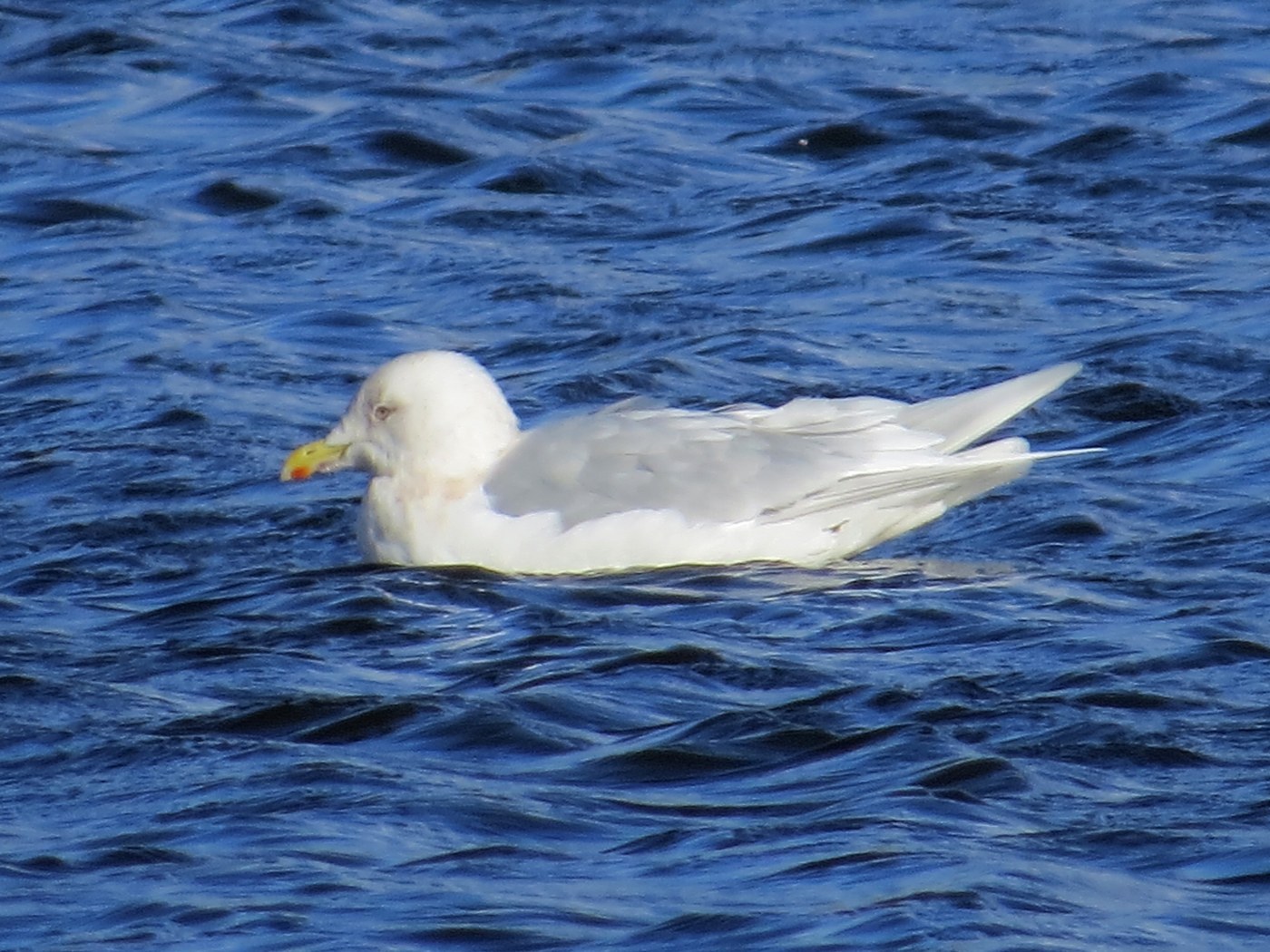
Iceland Gull
Body, flight, and tail feathers

Ring-billed Gull
Body, flight, and tail feathers

Glaucous-winged Gull
Body, flight, and tail feathers

Herring Gull
Body, flight, and tail feathers

Lesser Black-backed Gull
Body, flight, and tail feathers

California Gull
Body, flight, and tail feathers
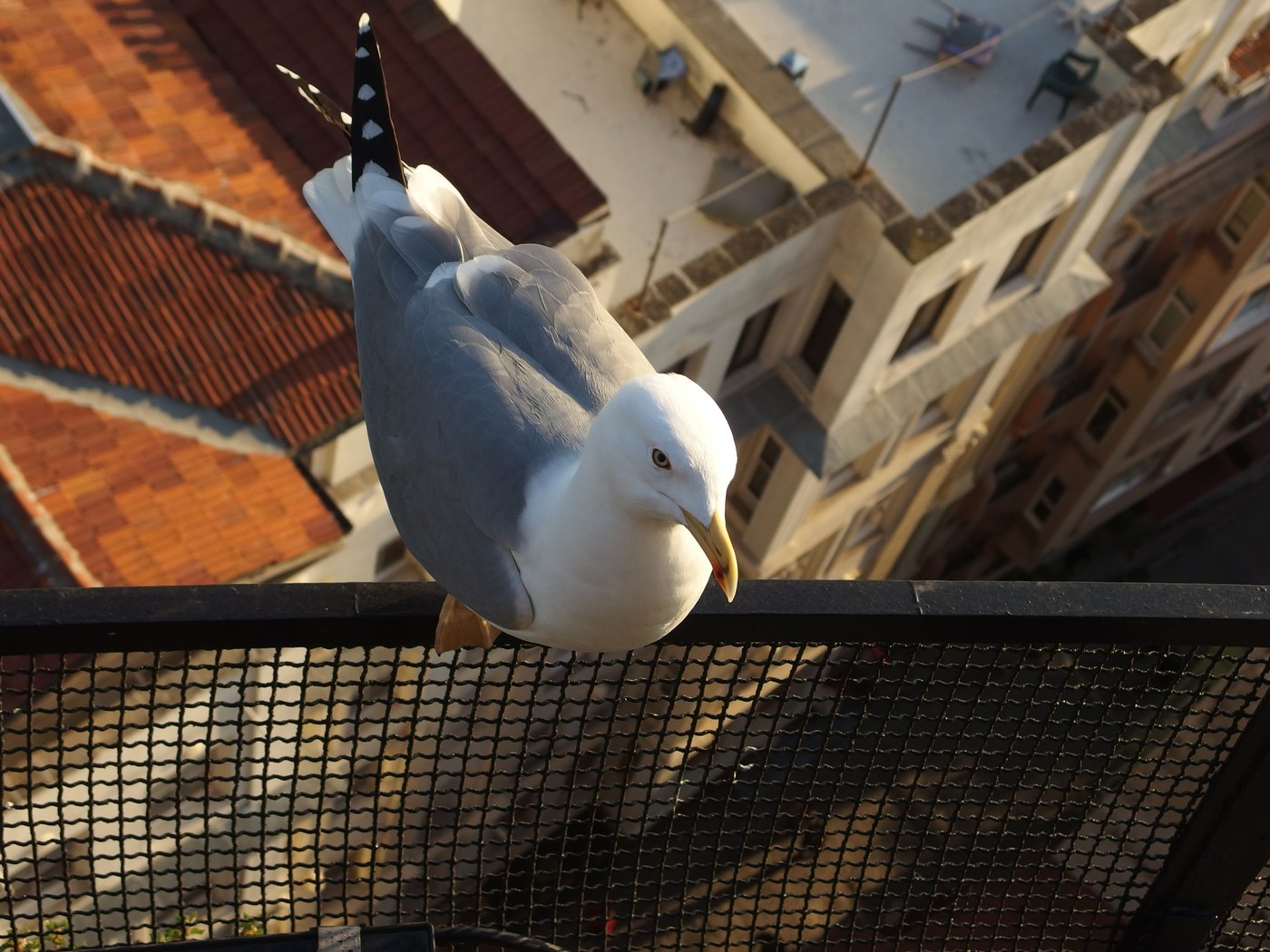
Yellow-legged Gull
Body, wing covert, and flight feathers