

Arizona Woodpecker
Leuconotopicus arizonae
A woodpecker of southwestern oak canyons notable for its plain brown back, unlike the black-and-white barred pattern of most related species.
- Feather type
- Solid brown back feathers, unusual among North American woodpeckers
- Colours
- Solid brown back, spotted underparts, red nape patch on male
- Bird size
- Sparrow-to-robin-sized, ~20 cm
Found a feather like this?
Identify any feather from a photo, free.
Overview
The Arizona Woodpecker occupies oak and pine-oak canyon woodland in the mountains of southeastern Arizona, New Mexico, and northern Mexico. It stands out from other small woodpeckers in the region by lacking any black-and-white barring on the back, showing instead a plain solid brown color.
This brown back, paired with heavily spotted white underparts, makes it one of the more distinctive members of its genus and a sought-after identification among woodpeckers in its limited U.S. range.
Identifying the Feather
- Back: solid brown, without barring, unlike almost all other North American woodpeckers
- Underparts: white with bold dark spotting, particularly on the flanks
- Nape: males show a red patch; females lack it
- Face: brown-and-white striped pattern around the eye
- Vs. Hairy/Downy Woodpecker: the plain brown back immediately separates this species from the black-and-white barred or striped backs of Hairy and Downy Woodpeckers
Plumage & Molt
Males show a red patch on the nape that females lack; both sexes otherwise share the same brown back and spotted underparts. Juveniles are duller brown with less crisp spotting below. The species undergoes a single annual molt after breeding.
Habitat & Range
Resident in oak and pine-oak canyon woodland in the sky island mountain ranges of southeastern Arizona and southwestern New Mexico, extending south through the Sierra Madre of Mexico. It does not migrate and remains within its canyon woodland habitat year-round.
Behavior & Field Notes
Forages on oak trunks and branches, gleaning bark-dwelling insects, and shows a preference for mature oak stands. It excavates nest cavities in dead limbs or snags within its canyon habitat. Calls include a sharp, distinctive rattling note, and drumming is relatively soft compared to larger woodpeckers.
Frequently asked questions
Why is the plain brown back so distinctive on this species?
Almost all other small woodpeckers in its range show black-and-white barring or striping on the back, so the solid brown color of the Arizona Woodpecker stands out immediately.
Where can the Arizona Woodpecker be found in the United States?
It occurs in oak and pine-oak canyon woodland in the sky island mountains of southeastern Arizona and southwestern New Mexico.
How do males and females differ?
Males show a red patch on the nape, while females lack any red and have a plain brown-and-white head.
Is the Arizona Woodpecker migratory?
No, it is a non-migratory resident of oak and pine-oak canyon woodland throughout the year.
Arizona Woodpecker guides
In-depth guides for identifying and understanding Arizona Woodpecker.

Other feathers you may enjoy

Ivory-billed Woodpecker
Very large flight feathers with a solid white trailing patch

Great Slaty Woodpecker
Massive, uniformly colored contour feathers

Yellow-tufted Woodpecker
Black body feathers with bright yellow forehead tufts

Magellanic Woodpecker
Very large, glossy contour feathers with a recurved crest

Yellow-bellied Sapsucker
Black-and-white patterned back and facial-stripe feathers
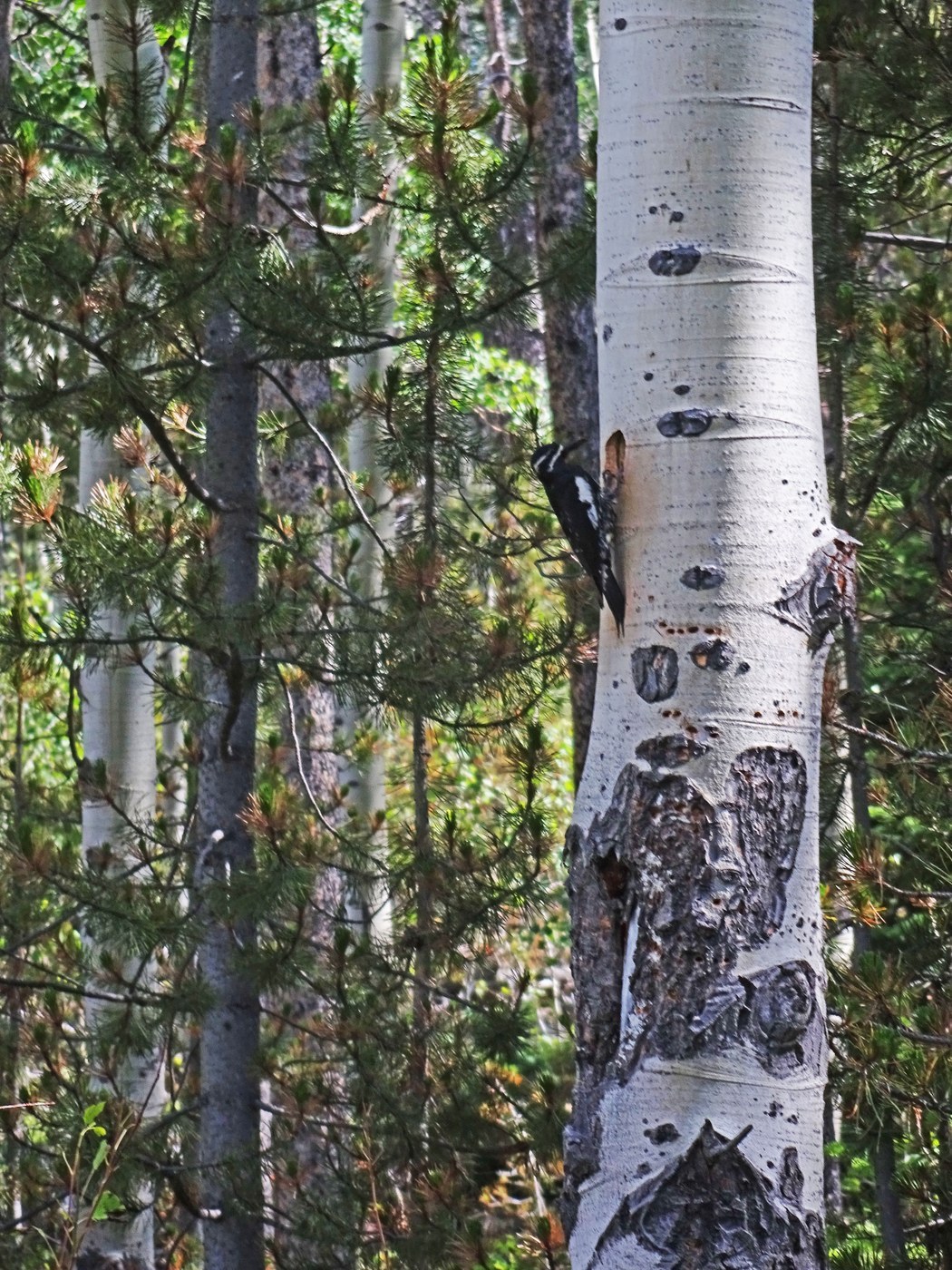
Williamson's Sapsucker
Strongly sexually dimorphic body feathers, glossy black or finely barred brown

Yellow-crowned Woodpecker
Contour and flight feathers

White Woodpecker
Mostly white body feathers with contrasting black wings and back

Red-throated Wryneck
Soft, cryptically mottled contour feathers

White-bellied Woodpecker
Large, glossy black contour and flight feathers

White-backed Woodpecker
Barred back feathers rather than a solid white patch
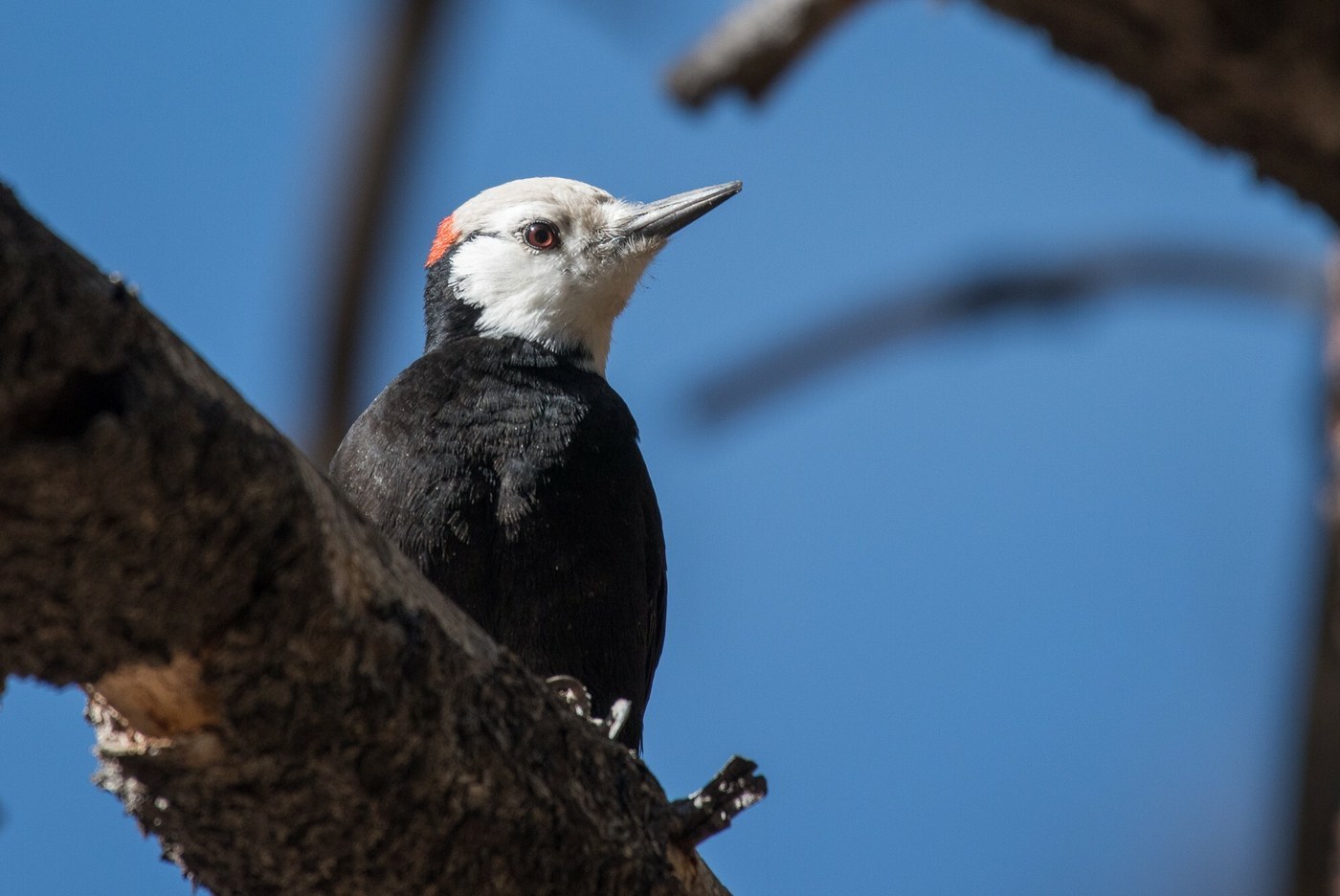
White-headed Woodpecker
Solid black body feathers with an entirely white head