

Rufous Woodpecker
Micropternus brachyurus
An unusually uniform rufous-brown woodpecker of South and Southeast Asia, best known for nesting inside the arboreal nests of tree ants.
- Feather type
- Uniformly barred rufous contour feathers
- Colours
- Warm rufous-chestnut finely barred with black
- Bird size
- Medium, ~25 cm
Found a feather like this?
Identify any feather from a photo, free.
Overview
The Rufous Woodpecker is a distinctive woodpecker of South and Southeast Asian forests, forest edge, and plantations, notable for its warm, uniformly rufous-chestnut plumage rather than the bold black-white-red pattern typical of most woodpeckers. It has an unusual nesting habit, excavating its nest cavity directly into the active arboreal nests of tree ants, which tolerate the bird's presence.
This close association with ant nests sets it apart ecologically from nearly all other woodpecker species.
Identifying the Feather
Key features:
- Overall plumage is warm rufous-chestnut, finely barred with blackish crossbars throughout
- Lacks the strong black-white contrast typical of most other woodpeckers
- Males show a small crimson-red patch on the lower cheek or ear-covert area; females lack this patch
- Overall rufous, finely barred pattern is distinctive among sympatric woodpeckers
Compared to similar species: the uniform warm rufous tone finely barred with black, rather than the bold black-and-white patterning of most other Asian woodpeckers, makes this species relatively easy to distinguish by feather color alone.
Plumage & Molt
Males show a small crimson-red patch on the lower cheek, absent in females, which otherwise share the same rufous, finely barred plumage. Juveniles are similar to adults but slightly duller and less crisply barred. A complete molt occurs annually.
Habitat & Range
This species occurs in forest, forest edge, bamboo stands, and plantations across South and Southeast Asia, from India to Indonesia and toward the Philippines fringe. It is a non-migratory resident throughout its range.
Behavior & Field Notes
Rufous Woodpeckers have an unusual nesting behavior, excavating their nest cavity directly into the active arboreal nests of tree ants, which appear to tolerate the bird despite the disturbance. They feed on ants and other insects, are generally quiet, and have soft calls. This close association with ant colonies is one of the more distinctive behavioral traits among woodpeckers worldwide.
Frequently asked questions
How can I identify a Rufous Woodpecker feather?
A uniformly warm rufous-chestnut feather with fine blackish barring, lacking the bold black-and-white contrast of most other Asian woodpeckers, is characteristic of this species.
Does cheek color help identify sex?
Yes, males show a small crimson-red patch on the lower cheek or ear-covert area, which females lack entirely.
What is unusual about this species' nesting behavior?
It excavates its nest cavity directly into the active arboreal nests of tree ants, an unusual behavior not shared by most other woodpecker species.
What habitat is this species found in?
Forest, forest edge, bamboo, and plantations across South and Southeast Asia, from India to Indonesia and toward the Philippines fringe.
Rufous Woodpecker guides
In-depth guides for identifying and understanding Rufous Woodpecker.

Other feathers you may enjoy

Ivory-billed Woodpecker
Very large flight feathers with a solid white trailing patch

Great Slaty Woodpecker
Massive, uniformly colored contour feathers

Yellow-tufted Woodpecker
Black body feathers with bright yellow forehead tufts

Magellanic Woodpecker
Very large, glossy contour feathers with a recurved crest

Yellow-bellied Sapsucker
Black-and-white patterned back and facial-stripe feathers
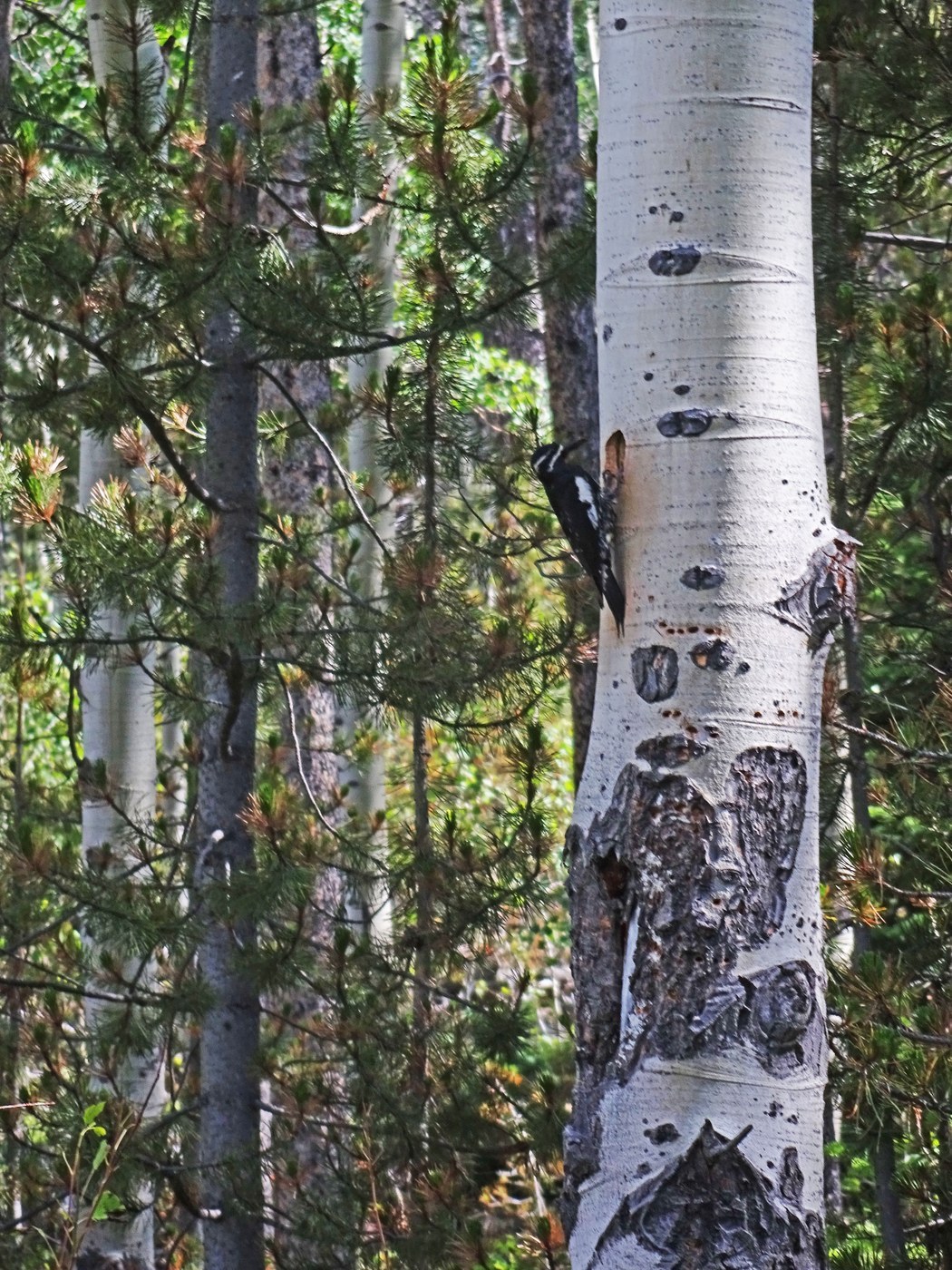
Williamson's Sapsucker
Strongly sexually dimorphic body feathers, glossy black or finely barred brown

Yellow-crowned Woodpecker
Contour and flight feathers

White Woodpecker
Mostly white body feathers with contrasting black wings and back

Red-throated Wryneck
Soft, cryptically mottled contour feathers

White-bellied Woodpecker
Large, glossy black contour and flight feathers

White-backed Woodpecker
Barred back feathers rather than a solid white patch
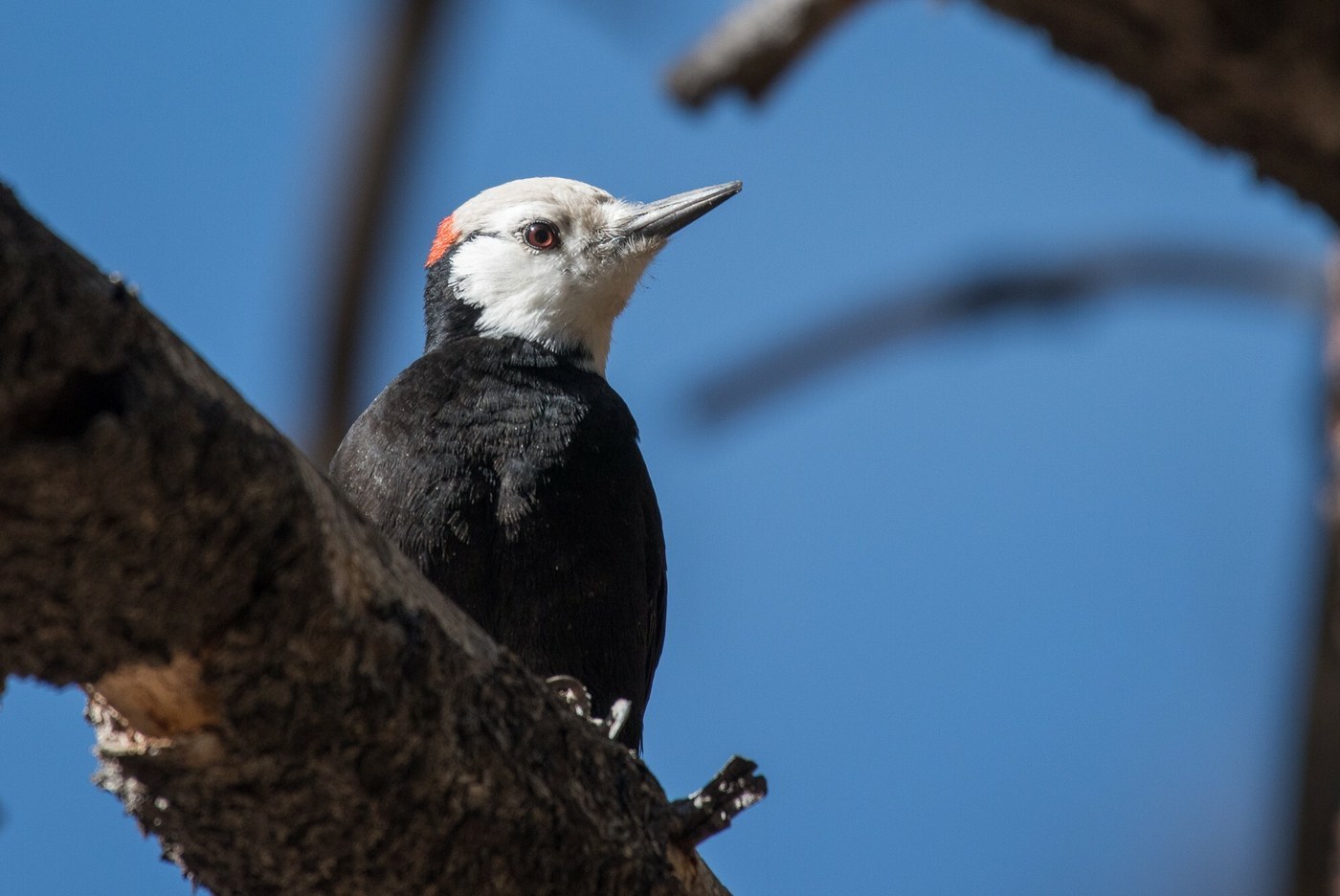
White-headed Woodpecker
Solid black body feathers with an entirely white head