

Yellow-bellied Sapsucker
Sphyrapicus varius
A migratory eastern woodpecker known for drilling neat rows of small holes in tree bark to feed on sap.
- Feather type
- Black-and-white patterned back and facial-stripe feathers
- Colours
- Black-and-white barred back, red forehead, pale yellow wash below
- Bird size
- Robin-sized, ~21 cm
Found a feather like this?
Identify any feather from a photo, free.
Overview
The Yellow-bellied Sapsucker breeds across northern and eastern North American forests and migrates south for the winter, unlike most resident woodpeckers. Its most recognizable sign is not its plumage but its feeding work: tidy horizontal rows of shallow holes drilled in tree bark.
In the hand or at close range, its black-and-white striped face, red forehead patch, and subtle pale yellow underparts distinguish it from other small woodpeckers sharing its range.
Identifying the Feather
- Face: bold black-and-white stripes running through the eye and cheek
- Forehead: red patch on both sexes; males also show a red throat, which females lack
- Back: black with white barring and a long white wing patch visible at rest and in flight
- Underparts: pale with a faint yellow wash, giving the species its name
- Vs. Red-naped Sapsucker: Yellow-bellied shows a solid white throat border and less red bleeding into the nape, unlike the red nape patch of Red-naped Sapsucker
Plumage & Molt
Males have a red throat and forehead; females typically show a white throat with only the red forehead patch. Juveniles are mottled brown and lack the clean black-white-red adult pattern until their first fall or winter. The species has a single complete annual molt after breeding, with a partial molt in some individuals before spring.
Habitat & Range
Breeds in deciduous and mixed forest across Canada, the northeastern United States, and the Appalachians, then migrates to spend winter in the southeastern United States, Mexico, and Central America. It is one of the few truly migratory woodpecker species in North America.
Behavior & Field Notes
Feeds heavily on tree sap, drilling neat horizontal rows of wells in bark and returning repeatedly to lap up sap and trapped insects; it also eats insects and fruit. Nests are excavated in live or dead deciduous trees, often the same tree used in prior years. Its call is a nasal, cat-like mewing note, and its drumming has an irregular, stuttering rhythm distinct from steady drumming woodpeckers.
Frequently asked questions
How can I tell sapsucker feathers from other small woodpeckers?
Look for the combination of bold black-and-white facial stripes with a red forehead patch and a long white wing patch on an otherwise black back.
Is the Yellow-bellied Sapsucker migratory?
Yes, it is one of the few migratory woodpeckers in North America, breeding in northern forests and wintering farther south.
What is distinctive about its feeding sign?
It drills neat horizontal rows of small holes in tree bark to access sap, a feeding pattern that is often easier to identify than the bird itself.
How do males and females differ in plumage?
Males show a red throat in addition to the red forehead patch, while females typically have a white throat.
Yellow-bellied Sapsucker guides
In-depth guides for identifying and understanding Yellow-bellied Sapsucker.

Yellow-bellied Sapsucker identified by the community
Real feathers identified with Feather Identifier.


Other feathers you may enjoy

Ivory-billed Woodpecker
Very large flight feathers with a solid white trailing patch

Great Slaty Woodpecker
Massive, uniformly colored contour feathers

Yellow-tufted Woodpecker
Black body feathers with bright yellow forehead tufts

Magellanic Woodpecker
Very large, glossy contour feathers with a recurved crest
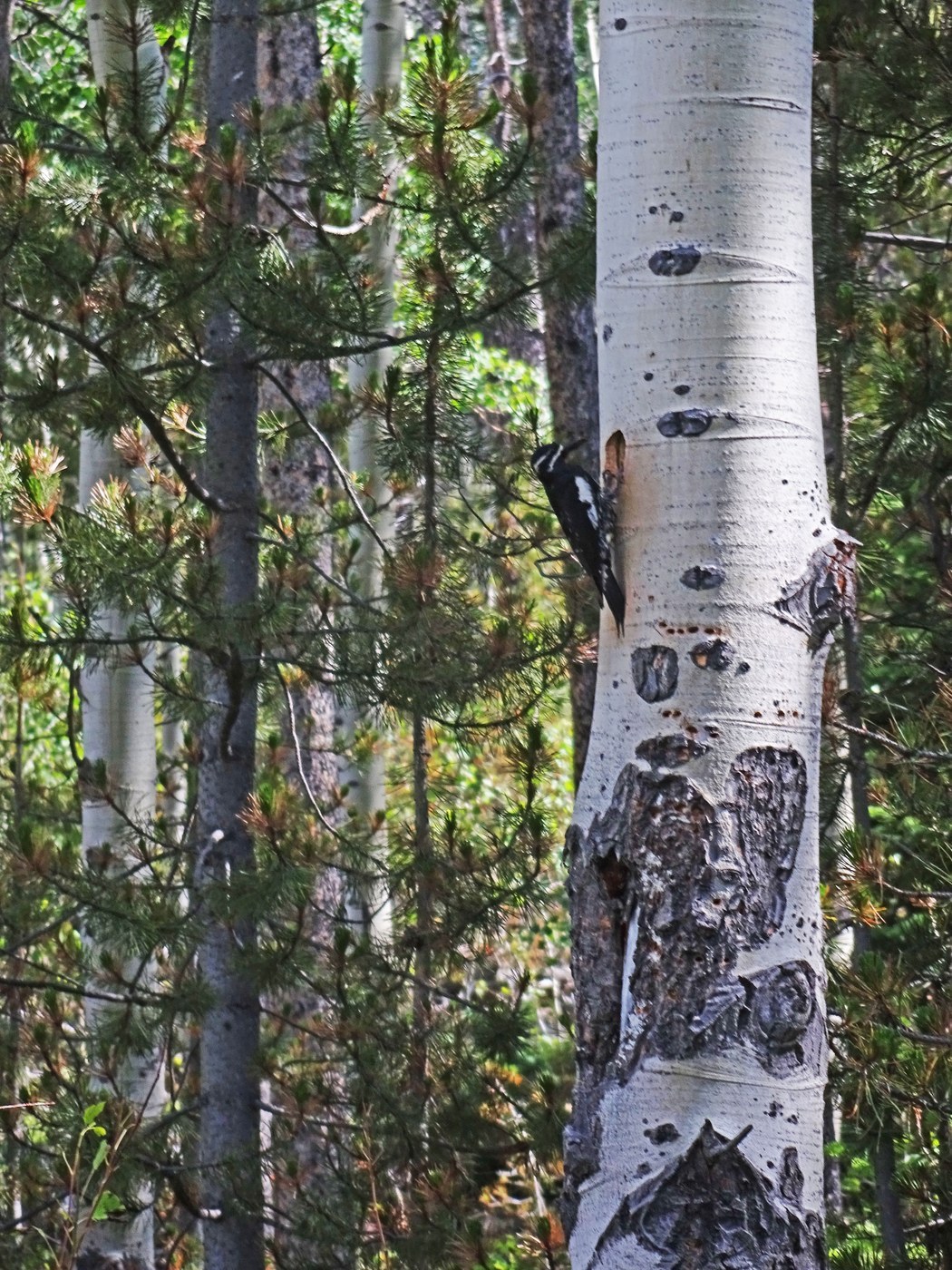
Williamson's Sapsucker
Strongly sexually dimorphic body feathers, glossy black or finely barred brown

Yellow-crowned Woodpecker
Contour and flight feathers

White Woodpecker
Mostly white body feathers with contrasting black wings and back

Red-throated Wryneck
Soft, cryptically mottled contour feathers

White-bellied Woodpecker
Large, glossy black contour and flight feathers

White-backed Woodpecker
Barred back feathers rather than a solid white patch
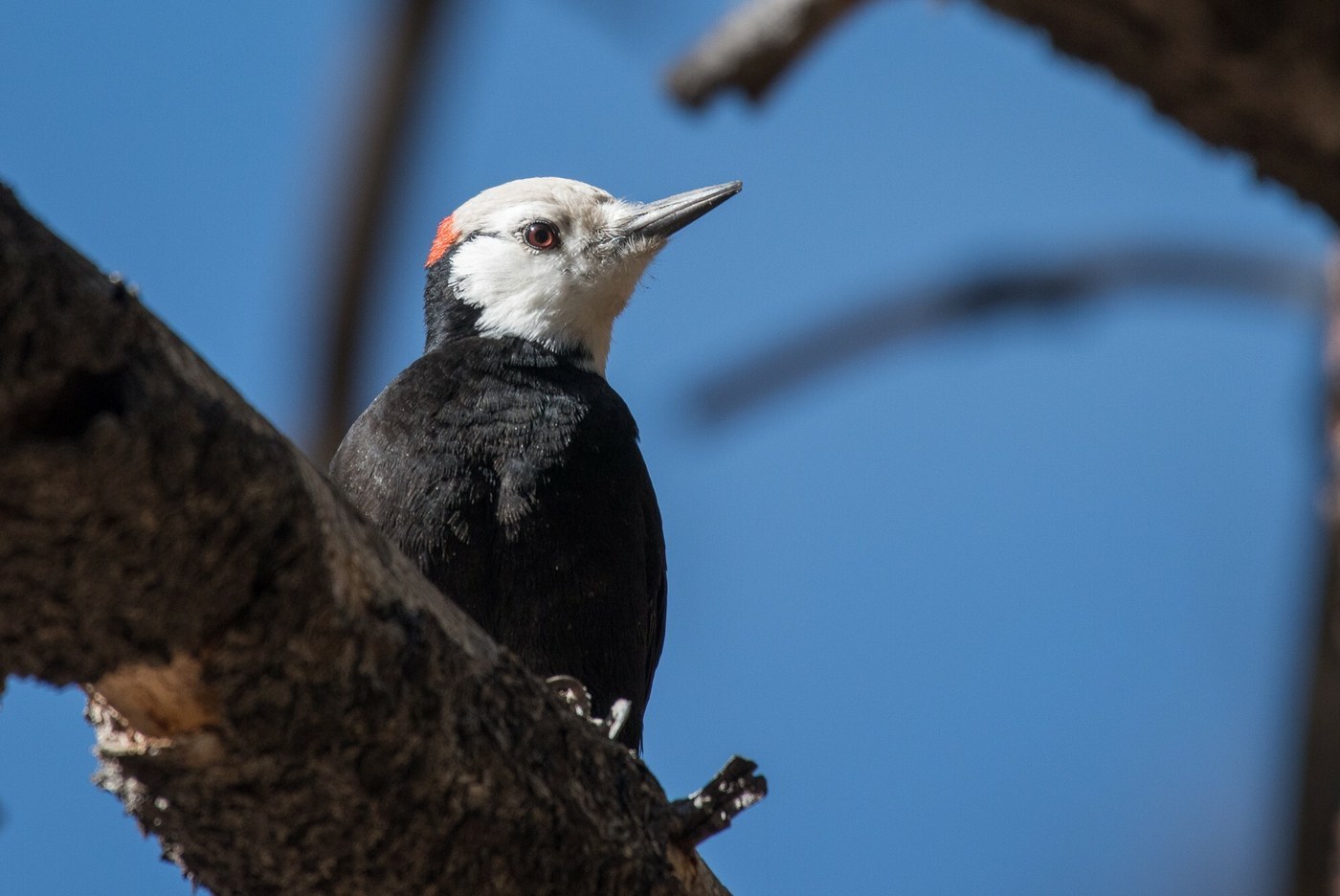
White-headed Woodpecker
Solid black body feathers with an entirely white head

Syrian Woodpecker
Great Spotted-type contour feathers with an incomplete neck bar