

Australian Wood Duck
Chenonetta jubata
The Australian Wood Duck is a distinctive grazing duck, the male showing a dark chocolate-brown head with a low mane, often seen on pasture and grassland rather than open water.
- Feather type
- Dense, waterproof contour feathers with fine vermiculated flank barring
- Colours
- Chocolate-brown head in males with grey, black-and-white barred flanks
- Bird size
- Small duck, ~48 cm
Found a feather like this?
Identify any feather from a photo, free.
Overview
Overview
The Australian Wood Duck, also called the Maned Duck, is a common and adaptable species found across much of the Australian mainland, notable for grazing on land far more than most ducks and often seen well away from water on grassy fields, parks, and golf courses.
- Family: Anatidae (ducks, geese, and swans), within the group of 'perching ducks'
- Distribution: mainland Australia, including many urban and agricultural areas
- Notable trait: low, shaggy mane of feathers at the back of the male's head
Identifying the Feather
Feather Identification
Males have a dark chocolate-brown head with a subtle darker mane at the back, a pale grey body with fine, intricately patterned black-and-white barring across the flanks, and a black lower back and tail. Females are duller grey-brown overall with a distinctive pair of pale stripes above and below the eye and dark spotting on the breast and flanks, quite different from the male's plain-headed pattern.
- Overall tone: males dark-headed and grey-barred; females streaked grey-brown with facial stripes
- Key mark: male's plain dark chocolate head versus female's pale eye stripes and spotted underparts
- Compare with: Pacific Black Duck (much darker overall, lacks the male Wood Duck's plain head and barred flank pattern)
Plumage & Molt
Plumage
Males and females differ clearly, with the male's dark plain head and barred grey flanks contrasting against the female's streaked grey-brown plumage with pale facial stripes and spotted underparts. Juveniles resemble females. There is no strong seasonal plumage change, aside from the annual moult.
Habitat & Range
Habitat & Range
This duck favours a mix of grassy pasture, parkland, and wetland edges across much of mainland Australia, frequently grazing well away from open water on short grass. It is generally sedentary to locally nomadic, with some movement linked to seasonal water and pasture availability.
Behavior & Field Notes
Behavior & Field Notes
Australian Wood Ducks graze on grasses and other plant material much like geese, spending considerable time on land rather than swimming, though they also use water for resting and escape. They nest in tree hollows, sometimes well away from water, with ducklings later led to a suitable wetland. Calls include soft, nasal honking notes, often given in flight.
- Diet: mainly grasses and other plant material obtained by grazing on land
- Voice: soft, nasal honking calls
- Field note: frequently seen grazing on open grass in parks and paddocks, behaving more like a goose than a typical duck
Frequently asked questions
Why is it called the Wood Duck if it grazes on grass?
The common name refers to its habit of nesting in tree hollows and its inclusion in the group of tree-nesting 'perching ducks', not its diet.
How can I tell males from females?
Males have a plain dark chocolate-brown head with fine grey flank barring, while females show pale stripes above and below the eye and dark spotting on the underparts.
Where would I typically see one?
On grazed pasture, parkland, and grassy areas near wetlands, often well away from open water.
What does it eat?
Mainly grasses and other plant material, obtained by grazing on land rather than dabbling in water.
Australian Wood Duck guides
In-depth guides for identifying and understanding Australian Wood Duck.

Other feathers you may enjoy

Mallard
Wing (speculum), body, and tail feathers

Spectacled Eider
Large sea-duck body feathers with distinctive eye-ring patches

Canada Goose
Body and flight feathers
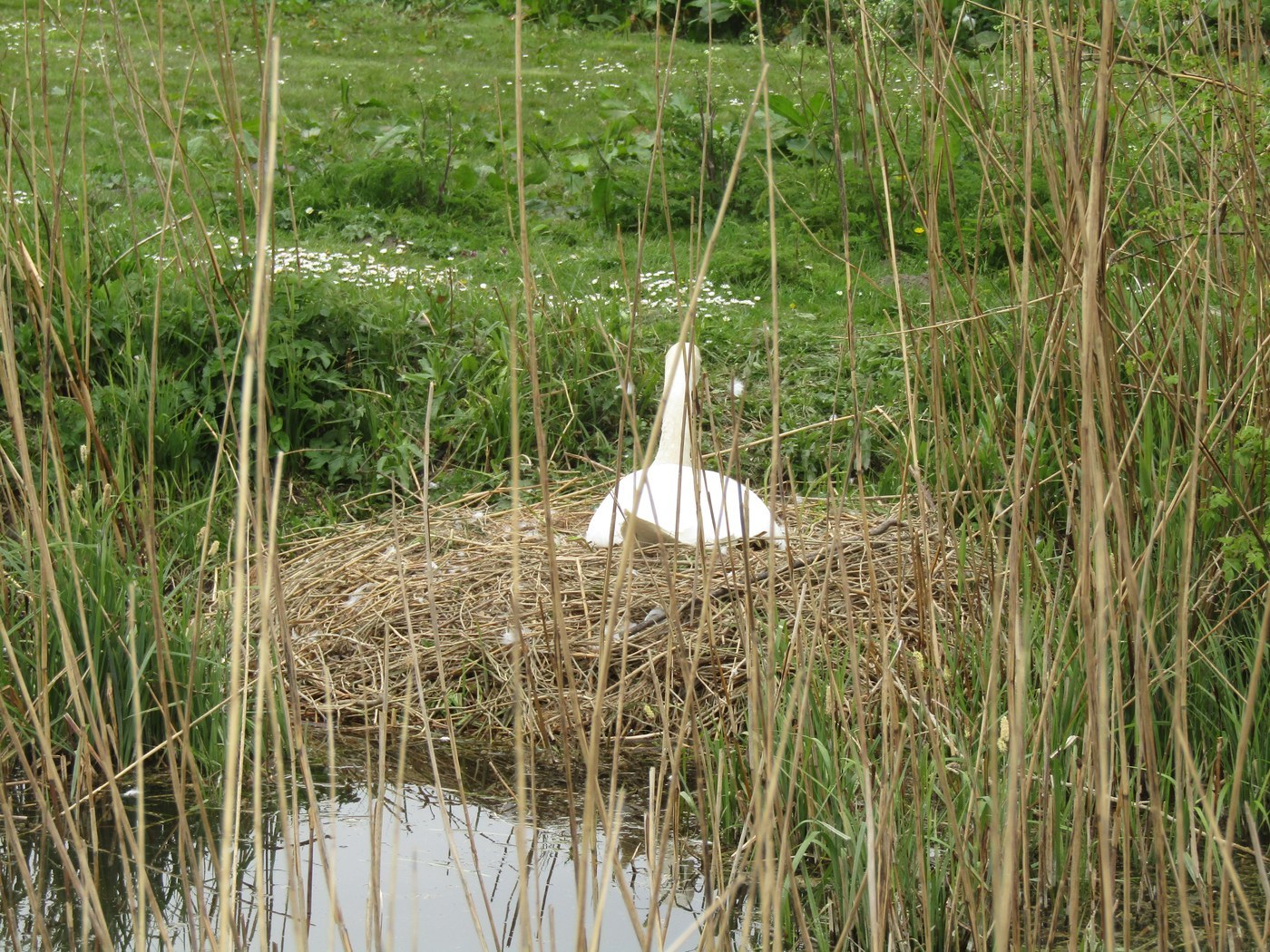
Mute Swan
Body (contour) and flight feathers

Wood Duck
Iridescent crest feathers; ornate scapular and flank feathers; white teardrop facial feathers (female)
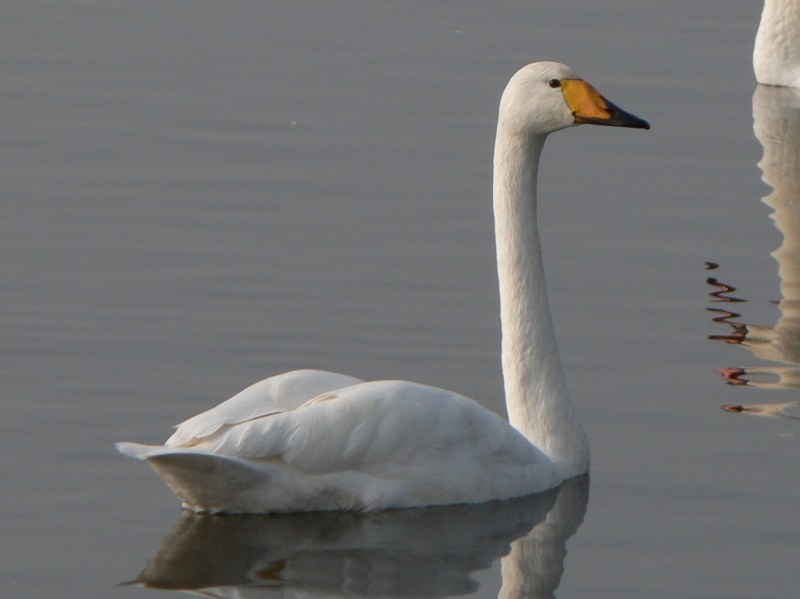
Whooper Swan
Contour and flight feathers

White-winged Scoter
Large sea-duck body feathers with a white wing patch

Ruddy Duck
Stiff tail feathers and compact body plumage

Ross's Goose
Contour and flight feathers

White-cheeked Pintail
Contour and elongated tail feathers

Torrent Duck
Dense, sleek contour feathers; stiff, pointed tail feathers used for bracing against rocks

Tundra Swan
Contour and flight feathers