

Bay-breasted Warbler
Setophaga castanea
A small wood-warbler with rich chestnut coloring on the crown, throat, and flanks, breeding in boreal spruce-fir forest tied to spruce budworm outbreaks.
- Feather type
- Small contour and flight feathers
- Colours
- Chestnut crown, throat, and flanks with a black face mask and buffy neck patch in breeding males
- Bird size
- Small, ~14 cm
Found a feather like this?
Identify any feather from a photo, free.
Overview
The Bay-breasted Warbler is a small wood-warbler breeding in boreal spruce-fir forest across Canada and the northernmost United States, with populations closely tied to outbreaks of spruce budworm, an important food source during the breeding season. Breeding males show rich chestnut, or "bay," coloring on the crown, throat, and flanks, along with a black face mask and a pale buffy patch on the side of the neck. It winters in forest habitats from Central America into northern South America.
Identifying the Feather
Breeding male crown, throat, and flank feathers are a deep chestnut or "bay" color, with a black face mask and a contrasting creamy-buff patch on the neck. The back is streaked black and olive. Nonbreeding adults and immatures lose most of the chestnut coloring, appearing greenish above and pale below with fine streaking, and can be confused with the similar Blackpoll Warbler in fall plumage; the Bay-breasted typically shows a wash of buff on the flanks and undertail, along with dark legs, helping to separate it.
Plumage & Molt
Breeding males show the most extensive chestnut coloring, while breeding females are duller with reduced chestnut, especially on the flanks. Fall and immature birds are much plainer, olive-green above with pale underparts, requiring close attention to subtle buffy tones and leg color for identification. A single complete molt occurs after breeding, contributing to the dramatic shift in appearance between breeding and nonbreeding plumage.
Habitat & Range
This species breeds in coniferous forest, especially spruce and fir stands, across the Canadian boreal forest and adjacent northern United States. It winters in forest habitats from southern Central America into northern South America.
Behavior & Field Notes
Bay-breasted Warblers forage in the mid to upper canopy for insects, with populations often fluctuating alongside spruce budworm abundance. The male's song is a high, thin, repeated note. Nests are built in dense conifer branches. The species undertakes long nocturnal migrations between boreal breeding grounds and tropical wintering areas.
Frequently asked questions
How do I identify a Bay-breasted Warbler feather?
Breeding male feathers show rich chestnut coloring on the crown, throat, and flanks with a black face mask, though nonbreeding feathers are much plainer olive and pale.
How can I tell fall Bay-breasted Warblers from Blackpoll Warblers?
Fall Bay-breasted Warblers typically show a buffy wash on the flanks and undertail along with dark legs, whereas Blackpoll Warblers usually show paler, yellowish legs.
Why does this species' population fluctuate?
Its numbers are closely tied to outbreaks of spruce budworm, an important food source during the breeding season.
Where does the Bay-breasted Warbler winter?
It winters in forest habitats from southern Central America into northern South America.
Bay-breasted Warbler guides
In-depth guides for identifying and understanding Bay-breasted Warbler.

Other feathers you may enjoy

Yellow-breasted Bunting
Contour and flight feathers, chestnut-and-yellow breeding pattern
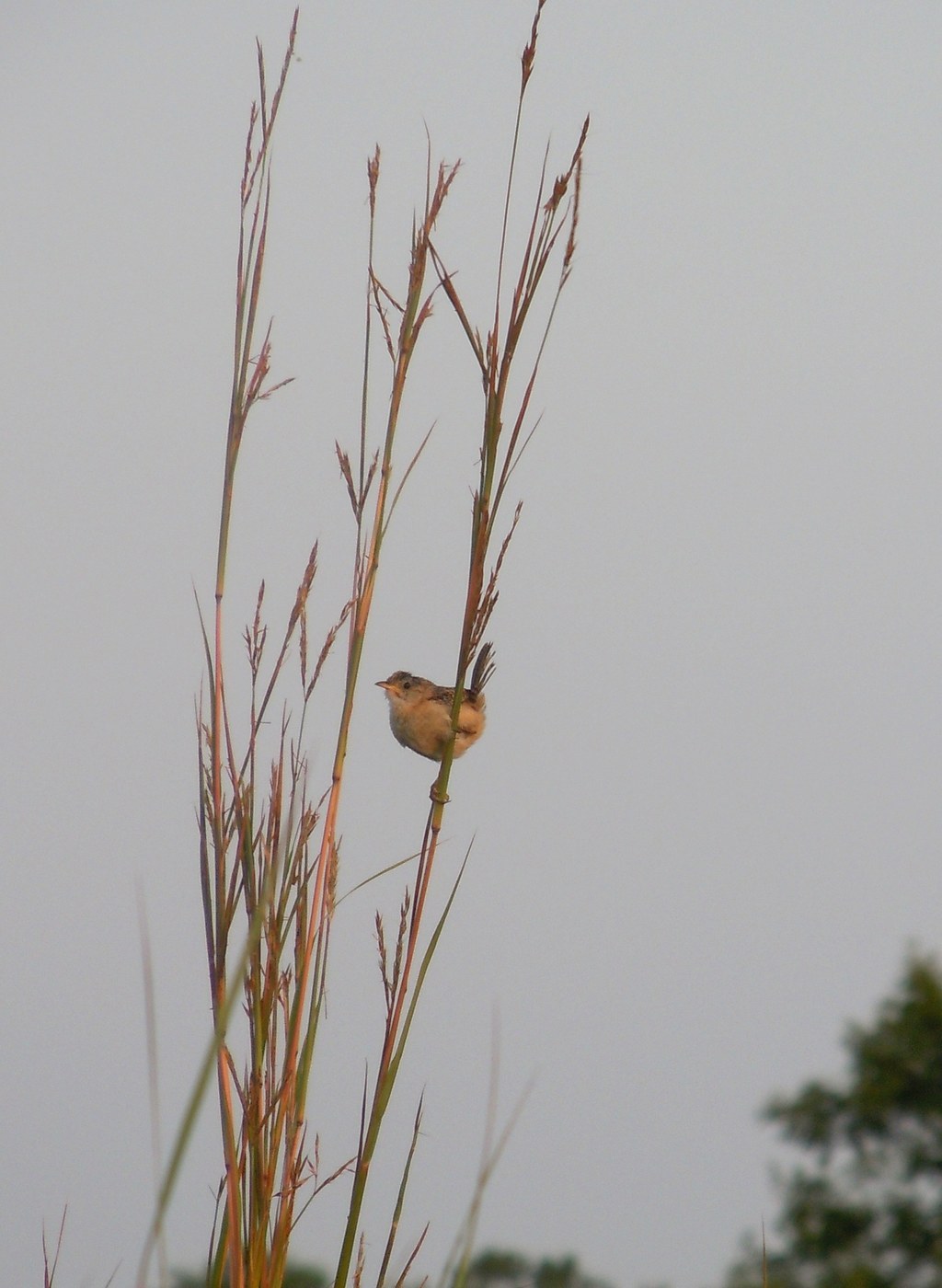
Sedge Wren
Tiny streaked crown and back feathers

Yellow-winged Cacique
Glossy black body feathers, yellow wing patch, shaggy crest

Yellow Warbler
Small contour and flight feathers
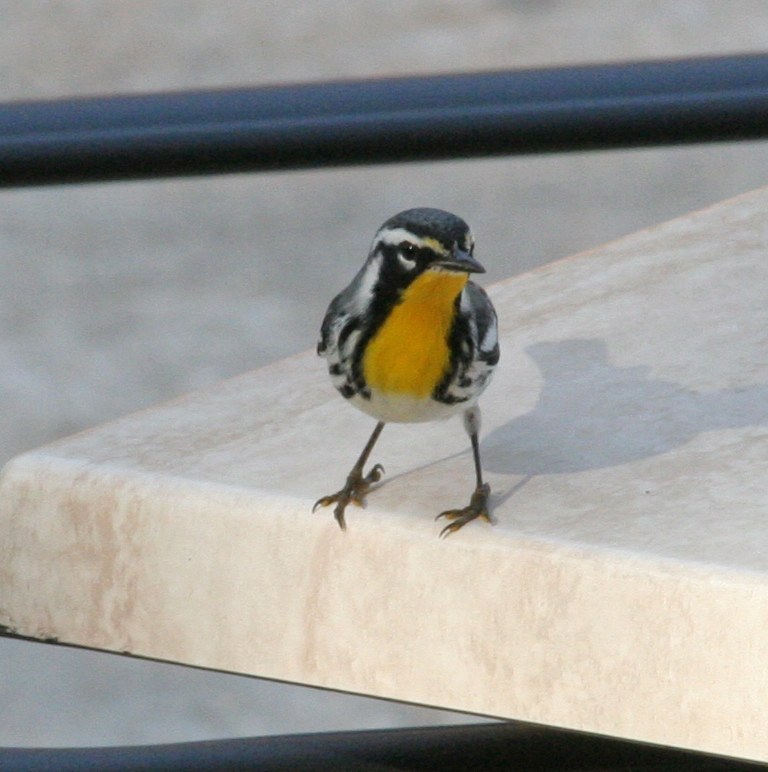
Yellow-throated Warbler
Small contour and flight feathers
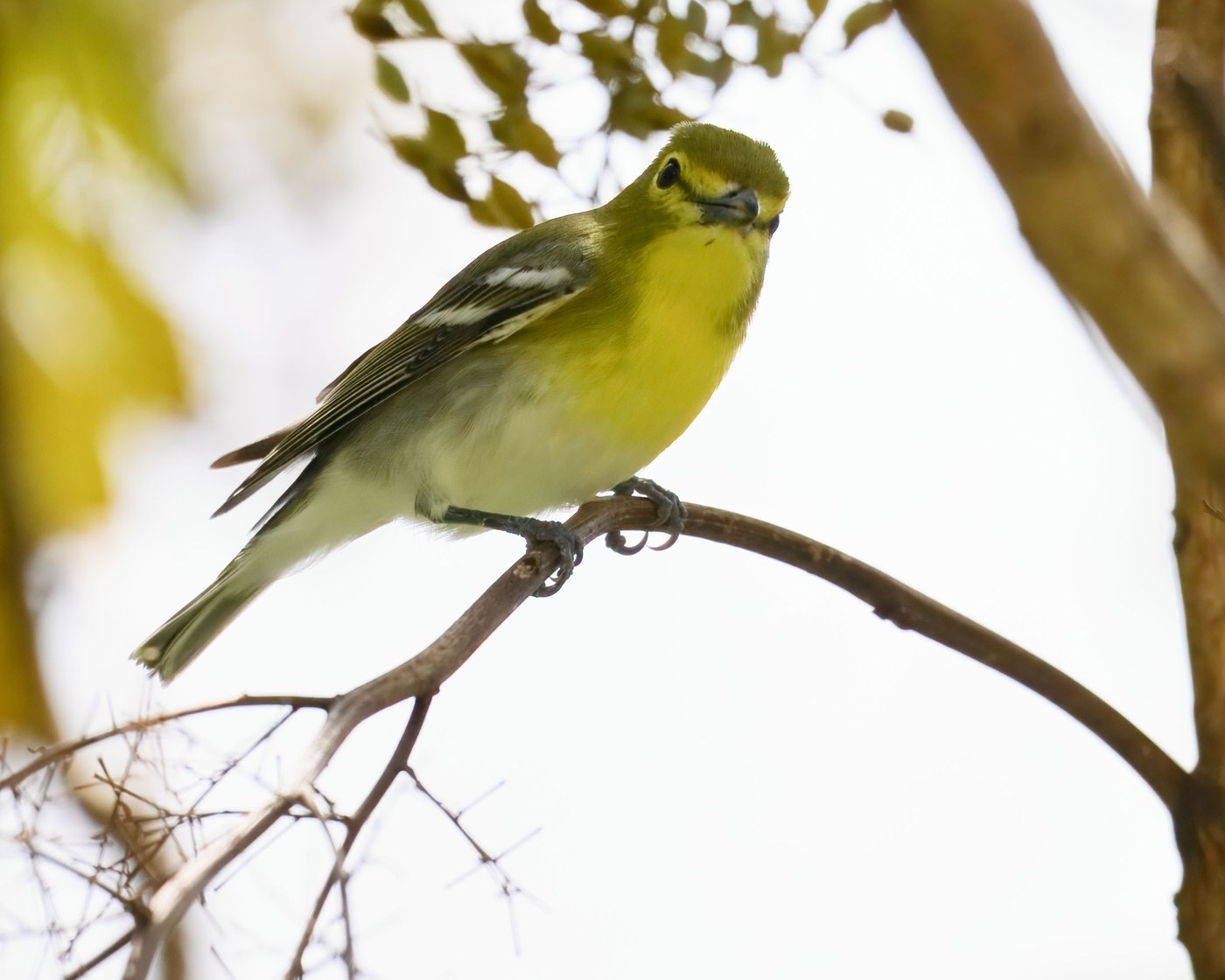
Yellow-throated Vireo
Bright yellow throat and spectacle feathers; olive-green back feathers; two white wing-bar feathers

Yellow-rumped Warbler
Small contour and flight feathers
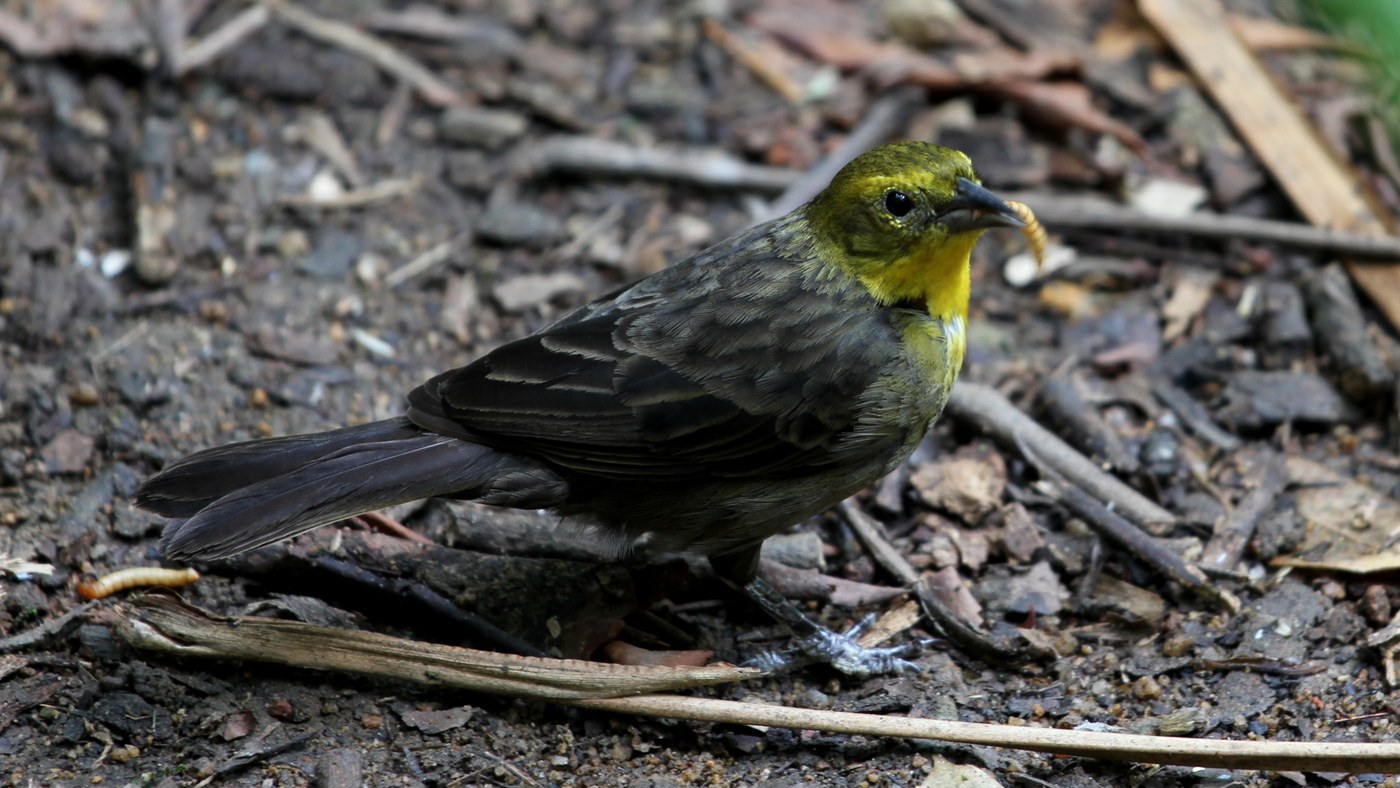
Yellow-hooded Blackbird
Contrasting hood and body feathers
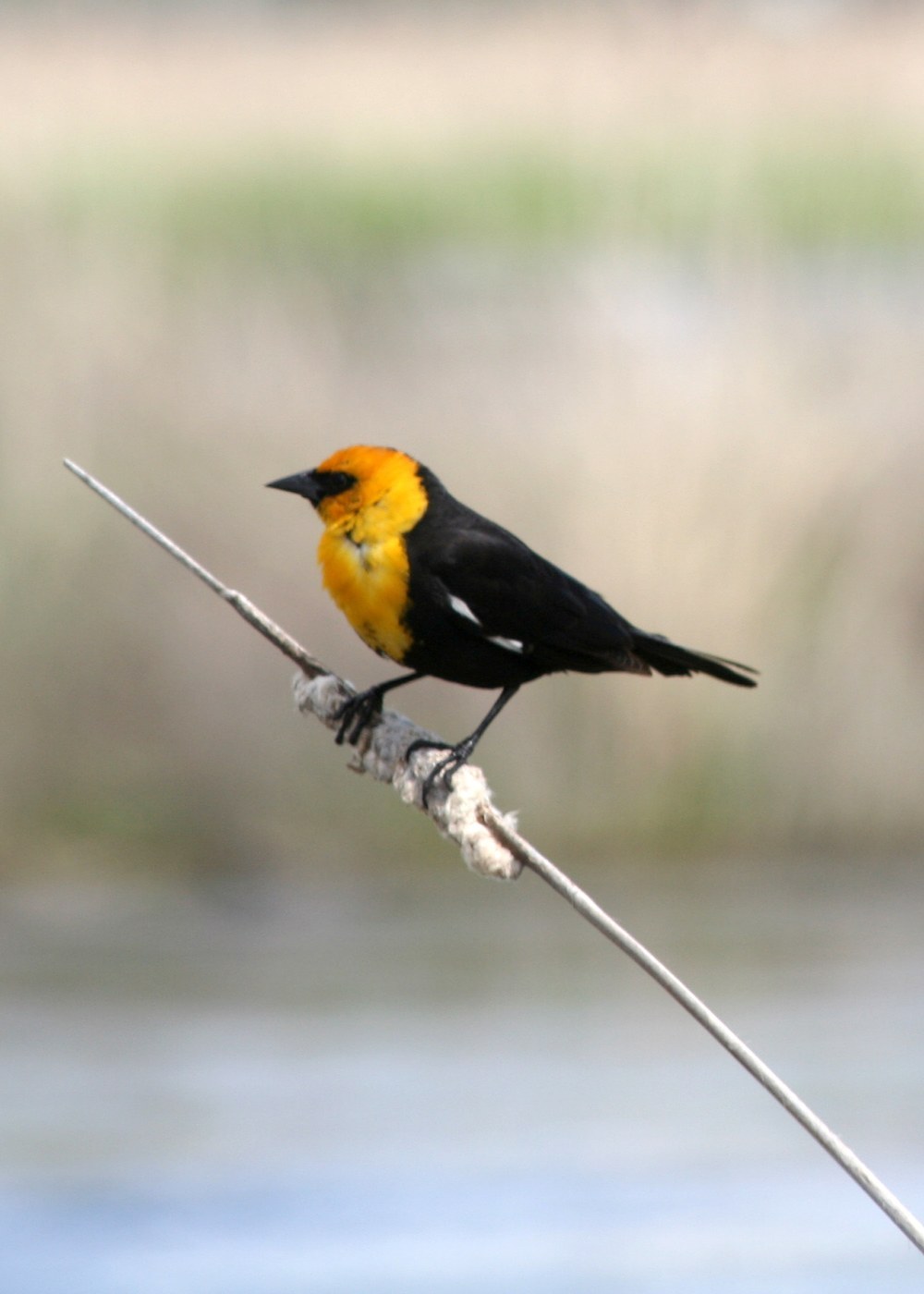
Yellow-headed Blackbird
Glossy black body plumage with a bright yellow head and breast

Yellow-eyed Junco
Contour and flight feathers

Yellow-fronted Canary
Small, smooth body plumage

Yellow-breasted Greenfinch
Compact, smooth body plumage