

Bearded Woodpecker
Chloropicus namaquus
A large, robust African woodpecker named for its bold black 'beard' stripe bordering a white throat, favoring broadleaved woodland such as miombo and mopane.
- Feather type
- Barred back feathers with a bold black malar stripe
- Colours
- Black-and-white barred with a black 'beard' stripe
- Bird size
- Medium-large, ~23-25 cm
Found a feather like this?
Identify any feather from a photo, free.
Overview
The Bearded Woodpecker is a large, sturdily built woodpecker of broadleaved African woodland, including miombo and mopane habitats across much of sub-Saharan Africa. Its common name refers to the broad black malar stripe that borders its white throat, giving a bearded appearance, and it is notably heavier-billed than most similarly patterned African woodpeckers.
It is a powerful excavator capable of exploiting dead wood that smaller woodpeckers cannot access, reflecting its relatively large, heavy bill.
Identifying the Feather
Key features:
- Back feathers are barred black and white
- A broad black malar stripe extends from the base of the bill downward, forming a 'beard' that borders the white throat and cheek
- Underparts are barred black and white
- Males show a red nape patch; females have a black crown and nape without red
Compared to similar species: the notably broad, bold black malar/'beard' stripe combined with larger size and heavier bill distinguishes this species from most other barred African woodpeckers, such as the much smaller Cardinal Woodpecker.
Plumage & Molt
Males show a red nape patch, while females have an entirely black crown and nape without red. Juveniles are duller with more variable red on the head. A complete molt occurs annually.
Habitat & Range
This species occupies broadleaved woodland across sub-Saharan Africa, including miombo, mopane, and acacia savanna habitats. It is a non-migratory resident throughout its range.
Behavior & Field Notes
Bearded Woodpeckers are strong excavators, feeding on wood-boring beetle larvae and ants extracted from dead wood. Their calls are loud, and they drum frequently to signal territory. Nest cavities are excavated in dead trees or branches within their woodland habitat.
Frequently asked questions
How do I identify a Bearded Woodpecker feather?
A broad black malar stripe feather bordering white throat feathers, combined with black-and-white barred body feathers and a relatively large size, points to this species.
Does nape color indicate sex?
Yes, males show a red nape patch, while females have an entirely black crown and nape without any red.
What habitat is this species associated with?
Broadleaved woodland across sub-Saharan Africa, particularly miombo, mopane, and acacia savanna habitats.
How does this species compare in size to other African woodpeckers?
It is notably large and heavy-billed compared to many other barred African woodpeckers, reflecting its capacity for strong excavation into dead wood.
Bearded Woodpecker guides
In-depth guides for identifying and understanding Bearded Woodpecker.

Other feathers you may enjoy

Ivory-billed Woodpecker
Very large flight feathers with a solid white trailing patch

Great Slaty Woodpecker
Massive, uniformly colored contour feathers

Yellow-tufted Woodpecker
Black body feathers with bright yellow forehead tufts

Magellanic Woodpecker
Very large, glossy contour feathers with a recurved crest

Yellow-bellied Sapsucker
Black-and-white patterned back and facial-stripe feathers
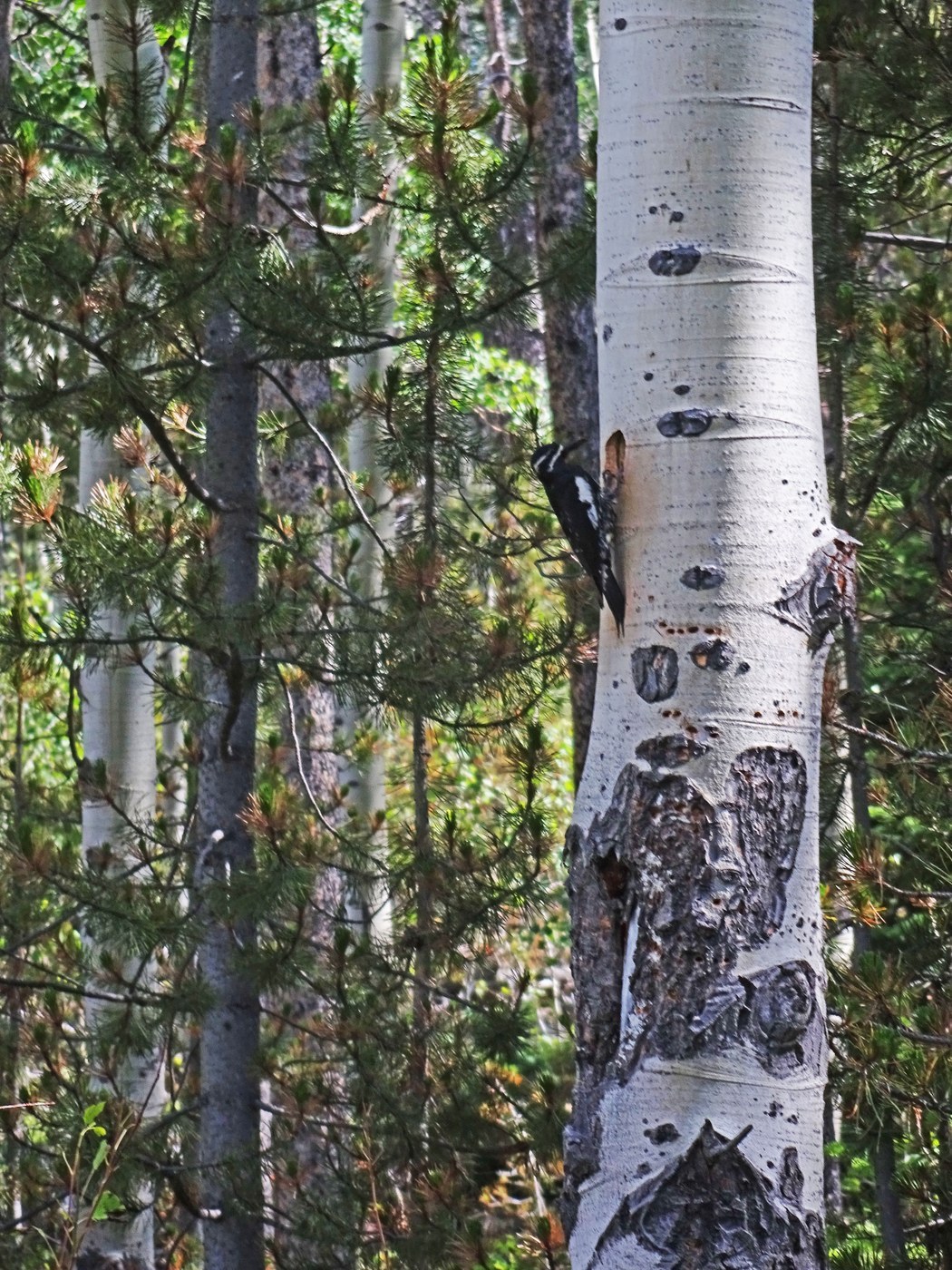
Williamson's Sapsucker
Strongly sexually dimorphic body feathers, glossy black or finely barred brown

Yellow-crowned Woodpecker
Contour and flight feathers

White Woodpecker
Mostly white body feathers with contrasting black wings and back

Red-throated Wryneck
Soft, cryptically mottled contour feathers

White-bellied Woodpecker
Large, glossy black contour and flight feathers

White-backed Woodpecker
Barred back feathers rather than a solid white patch
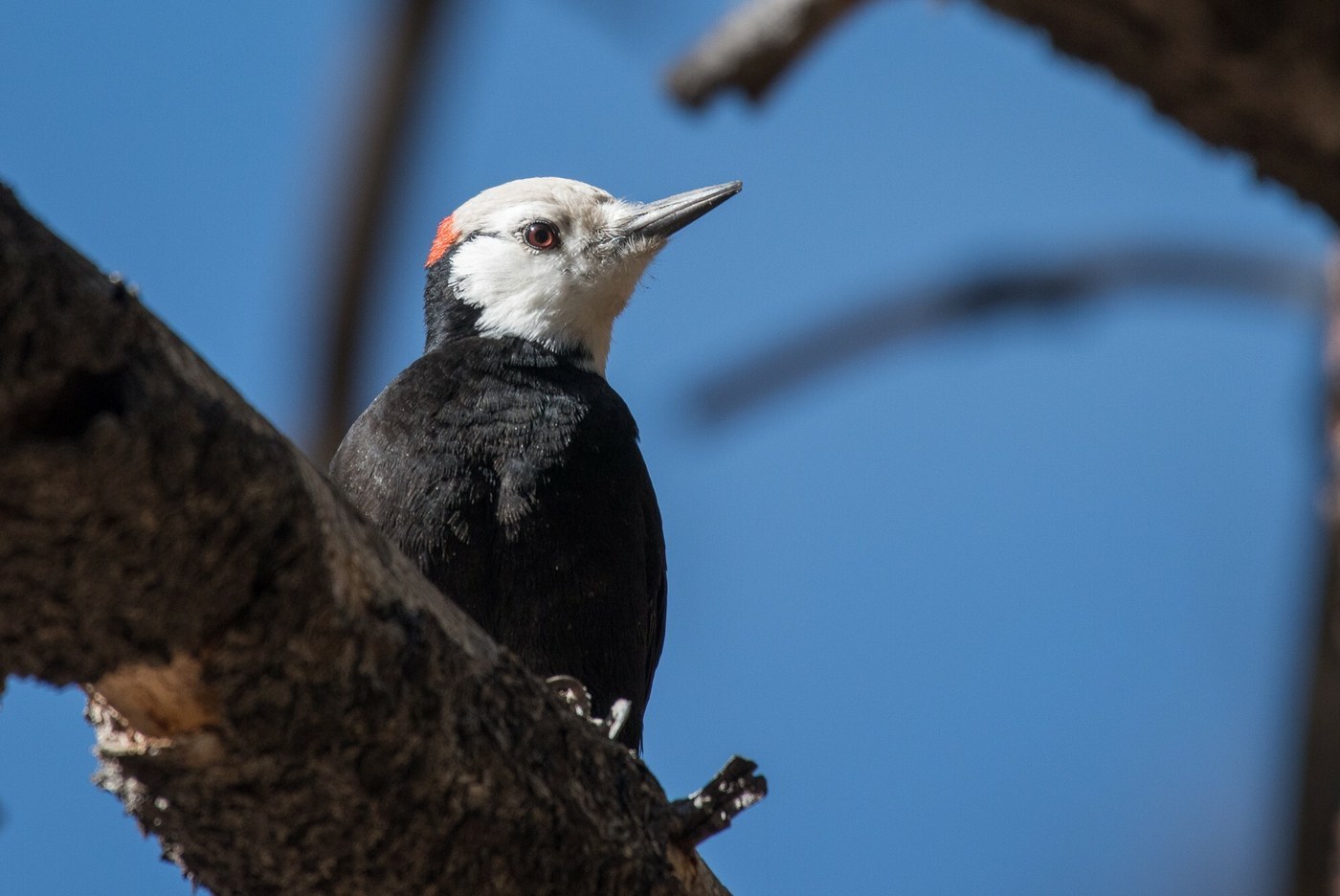
White-headed Woodpecker
Solid black body feathers with an entirely white head