

Beavan's Bullfinch
Pyrrhula erythaca
A compact, orange-breasted bullfinch of Himalayan and Chinese mountain forests, easily told by its gray cap and bold pale wing bar.
- Feather type
- Soft, dense body feathers with contrasting wing bar
- Colours
- Slate-gray head, orange-buff underparts, black wings with a pale bar
- Bird size
- Sparrow-sized, ~15-16 cm
Found a feather like this?
Identify any feather from a photo, free.
Overview
Beavan's Bullfinch is a small, thickset finch found in the mountain forests of the eastern Himalayas, northern Myanmar, and southwestern China. It shares the stocky build and short, stubby bill typical of bullfinches, and is often detected by its soft, piping calls before it is seen moving through dense understory or rhododendron thickets.
Identifying the Feather
- Head feathers: Crown and nape are slate-gray, contrasting with the warmer body tones.
- Underpart feathers: Breast and belly are washed with orange-buff to rufous-orange, deeper in males than females.
- Wing feathers: Black flight feathers crossed by a pale grayish-white wing bar, a key identification feature visible both perched and in flight.
- Rump feathers: White to pale gray, flashing conspicuously when the bird flies.
- Compared to similar species: The gray head paired with orange underparts and a single pale wing bar distinguishes it from the Brown Bullfinch, which lacks the gray cap and shows duller, more uniform brownish tones.
Plumage & Molt
Males show a slate-gray crown and nape, black face, deep orange-buff underparts, and glossy black wings crossed by a pale bar. Females are similar but with more muted, duller orange-brown underparts and slightly less contrast overall. Juveniles lack the black facial mask and appear browner and softer in tone. A single complete molt after breeding renews the plumage, with worn late-season feathers looking faded compared to fresh autumn plumage.
Habitat & Range
This bullfinch favors dense montane broadleaf and mixed forest, bamboo understory, and rhododendron scrub, typically between 2,000 and 4,000 meters elevation. Its range covers the eastern Himalayas, parts of northern Southeast Asia, and southwestern China. It is largely resident, with some local altitudinal movement to lower forest in winter.
Behavior & Field Notes
Beavan's Bullfinch forages quietly in pairs or small groups, gleaning buds, seeds, and small fruits from shrubs and low branches. It is often more easily heard than seen, giving soft, low piping whistles as contact calls within dense cover. Nests are built low in shrubs or small trees using twigs, moss, and fine roots. Its unobtrusive habits and preference for tangled vegetation make it a species best identified by voice and brief glimpses of its gray-and-orange plumage.
Frequently asked questions
How can you tell Beavan's Bullfinch from other bullfinches?
Look for the slate-gray crown paired with orange-buff underparts and a single pale wing bar crossing otherwise black wings.
Do males and females look different?
Yes, males show richer, deeper orange underparts while females are duller and more muted in tone.
What kind of habitat does it prefer?
It lives in montane forest, bamboo understory, and rhododendron scrub at moderate to high elevations in the eastern Himalayas and southwestern China.
Is it a vocal or visually conspicuous bird?
It tends to stay hidden in dense cover and is often detected first by its soft piping calls rather than by sight.
Beavan's Bullfinch guides
In-depth guides for identifying and understanding Beavan's Bullfinch.

Other feathers you may enjoy

Yellow-breasted Bunting
Contour and flight feathers, chestnut-and-yellow breeding pattern
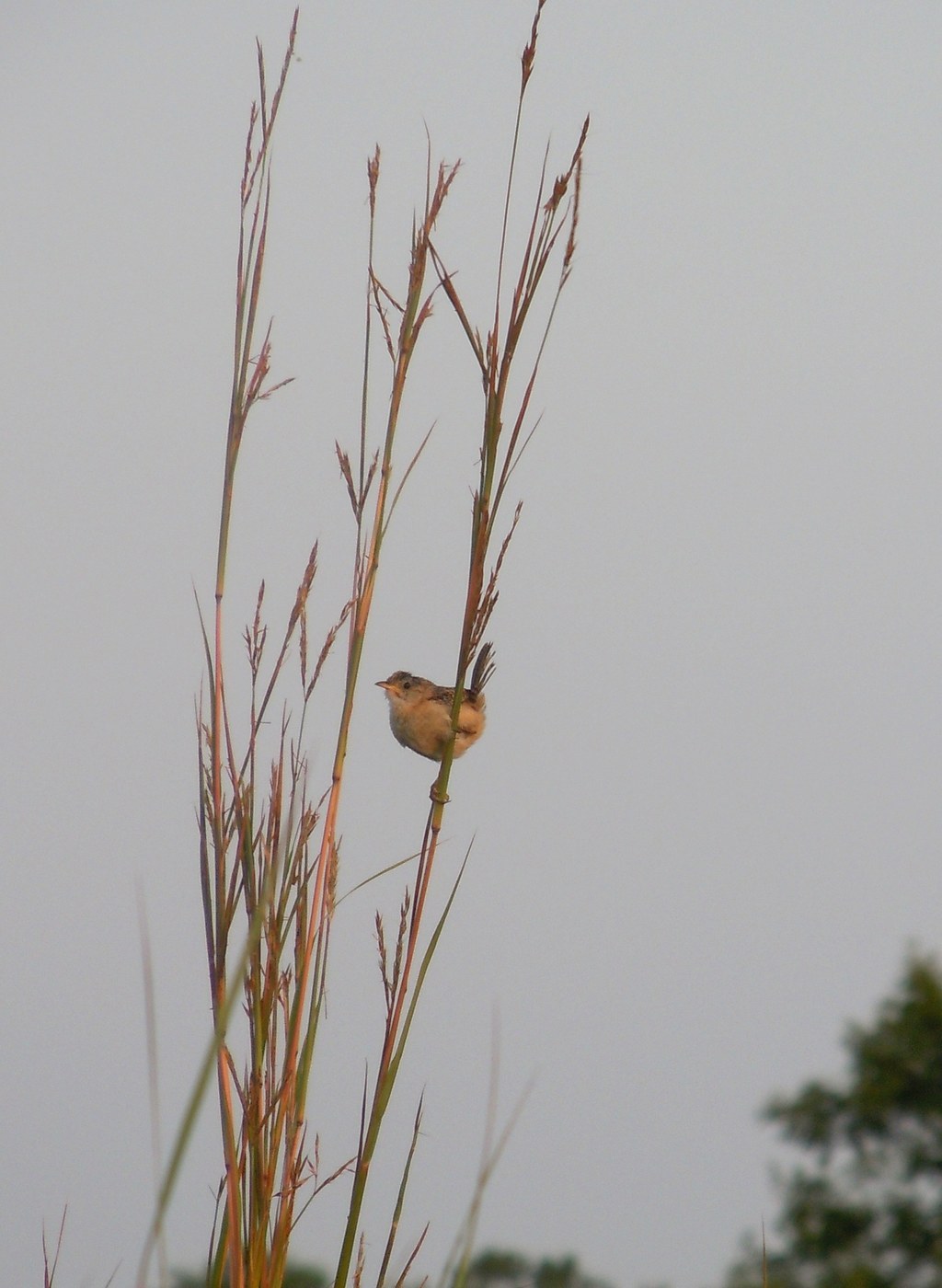
Sedge Wren
Tiny streaked crown and back feathers

Yellow-winged Cacique
Glossy black body feathers, yellow wing patch, shaggy crest

Yellow Warbler
Small contour and flight feathers
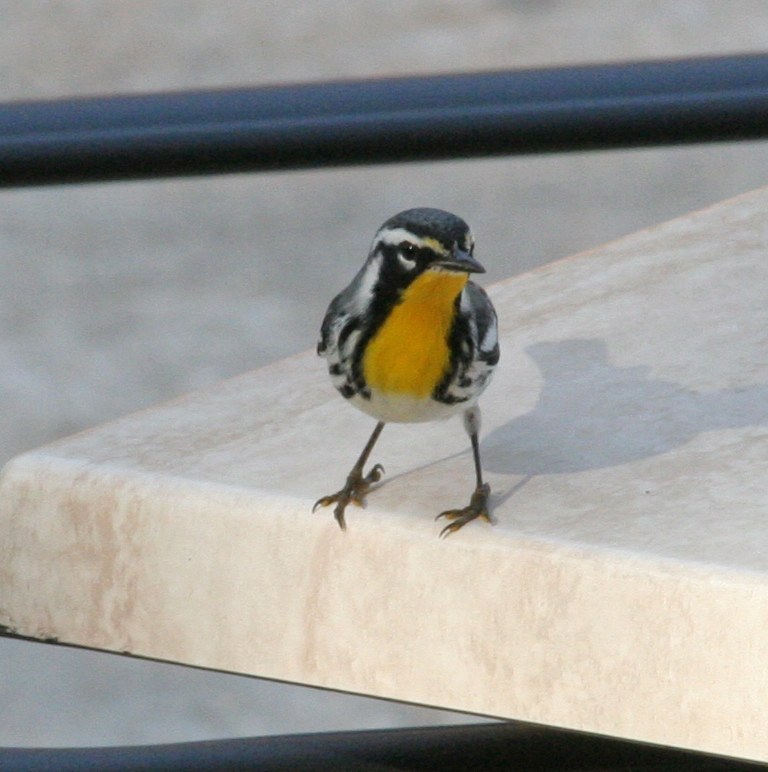
Yellow-throated Warbler
Small contour and flight feathers
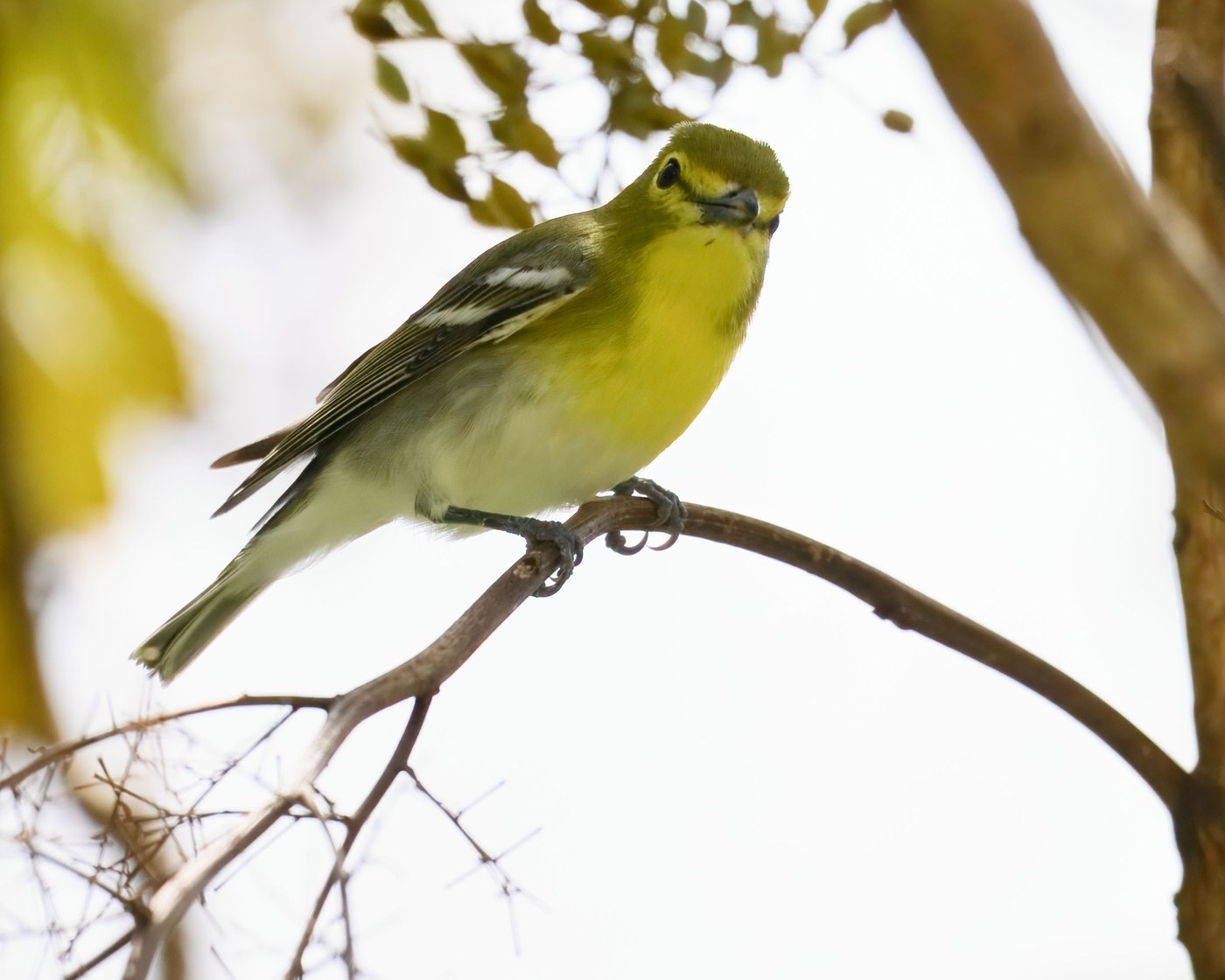
Yellow-throated Vireo
Bright yellow throat and spectacle feathers; olive-green back feathers; two white wing-bar feathers

Yellow-rumped Warbler
Small contour and flight feathers
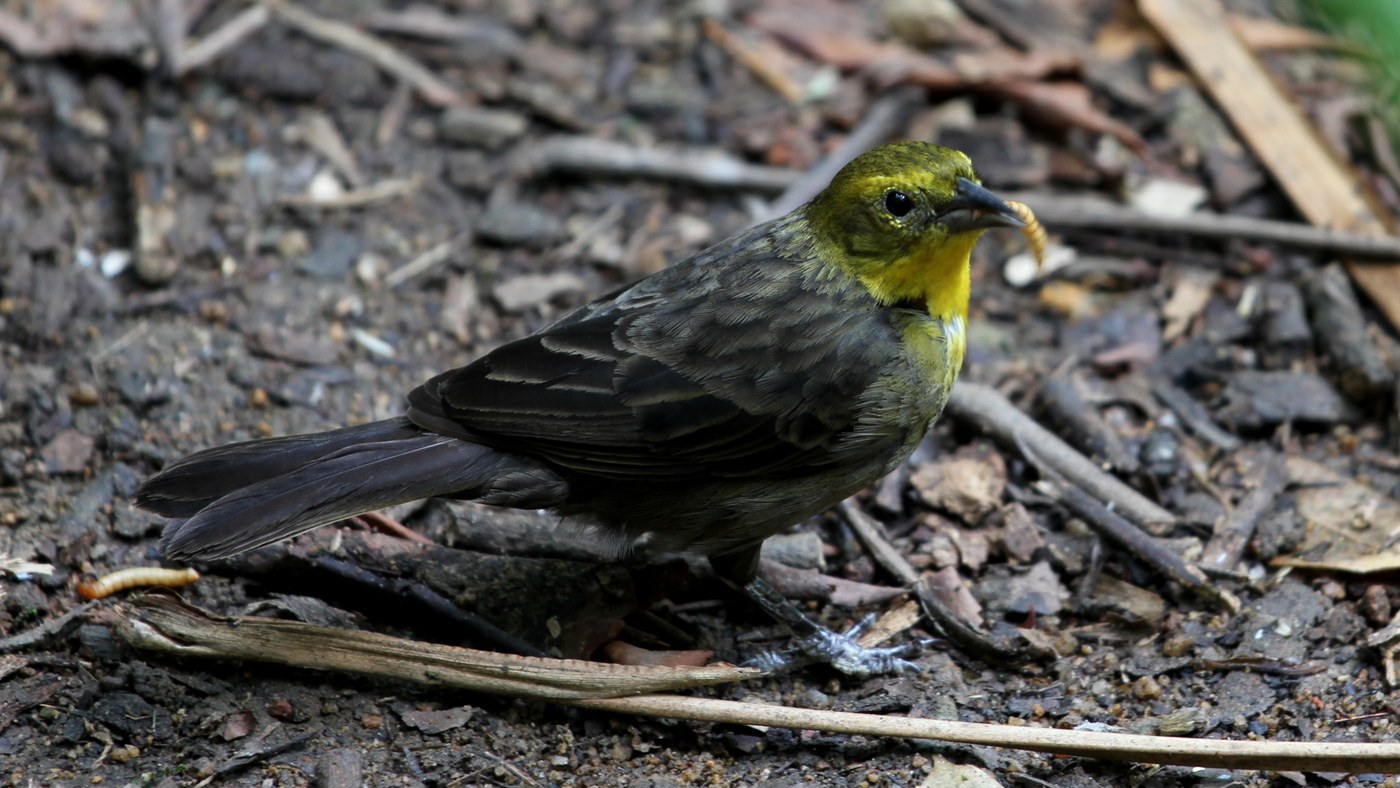
Yellow-hooded Blackbird
Contrasting hood and body feathers
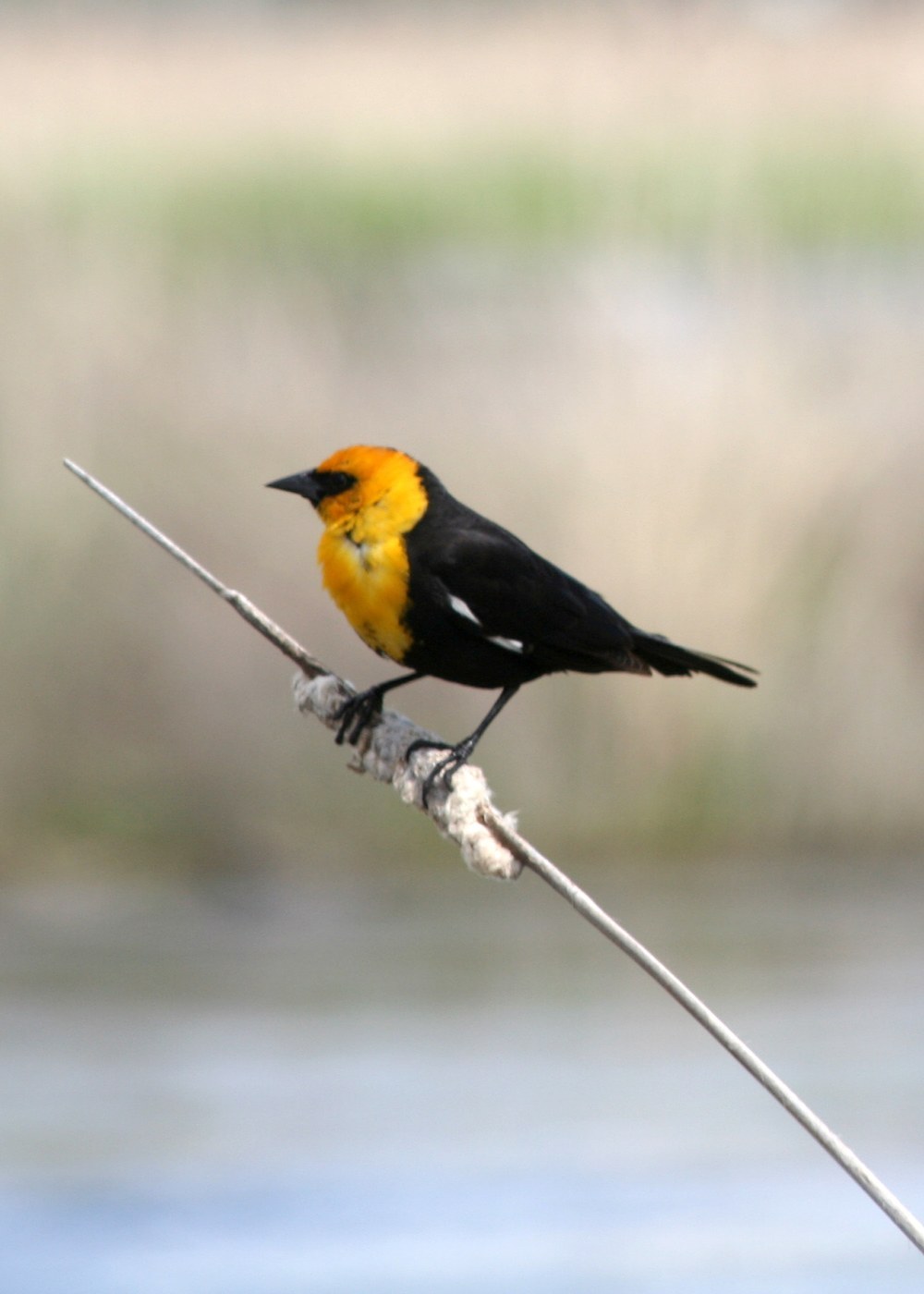
Yellow-headed Blackbird
Glossy black body plumage with a bright yellow head and breast

Yellow-eyed Junco
Contour and flight feathers

Yellow-fronted Canary
Small, smooth body plumage

Yellow-breasted Greenfinch
Compact, smooth body plumage