

Black-and-white Warbler
Mniotilta varia
A boldly striped, zebra-patterned wood-warbler that creeps along tree trunks and branches nuthatch-style, entirely lacking yellow or green tones.
- Feather type
- Small contour and flight feathers
- Colours
- Bold black-and-white streaking overall with no yellow or green tones
- Bird size
- Small, ~13 cm
Found a feather like this?
Identify any feather from a photo, free.
Overview
The Black-and-white Warbler is a distinctive wood-warbler found across deciduous and mixed forests of eastern North America, easily recognized by its bold black-and-white streaked plumage that lacks any yellow or green coloring found in most other warblers. It is also notable for its unusual foraging behavior, creeping along tree trunks and branches in a manner similar to a nuthatch, a habit reflected in its genus name.
Identifying the Feather
Body feathers are boldly streaked black and white throughout, including the crown, back, and underparts, giving an overall zebra-like appearance. The crown shows a black-and-white striped pattern, and the wings display white wingbars against black flight feathers. Unlike nearly every other North American wood-warbler, there is no yellow, olive, or green in the plumage at any age, making the strongly contrasting black-and-white pattern a very reliable identification feature.
Plumage & Molt
Breeding males show the boldest, blackest streaking, particularly a solid black throat, while females and nonbreeding birds have a whiter throat and slightly less contrasting streaking overall. Immatures are similar to adult females but may appear slightly buffier on the flanks. A single complete molt occurs after breeding.
Habitat & Range
This species breeds in mature deciduous and mixed forest across a broad range of eastern North America, favoring forests with abundant large trees for its trunk-foraging behavior. It winters from the Gulf Coast states of the United States through Mexico, Central America, and into northern South America.
Behavior & Field Notes
The Black-and-white Warbler forages by creeping along tree trunks and large branches probing bark crevices for insects, a distinctly nuthatch-like or treecreeper-like behavior unusual among wood-warblers, which more typically glean from foliage. Its song is a very high, thin, repeated squeaky phrase. Nests are built on the ground at the base of trees or logs, unlike many warblers that nest higher up. It is one of the earlier-arriving wood-warblers in spring migration.
Frequently asked questions
How do I identify a Black-and-white Warbler feather?
Feathers show bold black-and-white streaking throughout the body with no yellow, olive, or green tones at any age, a pattern unique among common wood-warblers.
How does this species forage differently from other warblers?
It creeps along tree trunks and large branches probing bark, a nuthatch-like behavior rather than the foliage-gleaning typical of most warblers.
Where does the Black-and-white Warbler nest?
It nests on the ground at the base of trees or logs, unlike many warblers that build nests higher in vegetation.
Where does it winter?
It winters from the Gulf Coast states through Mexico and Central America into northern South America.
Black-and-white Warbler guides
In-depth guides for identifying and understanding Black-and-white Warbler.

Other feathers you may enjoy

Yellow-breasted Bunting
Contour and flight feathers, chestnut-and-yellow breeding pattern
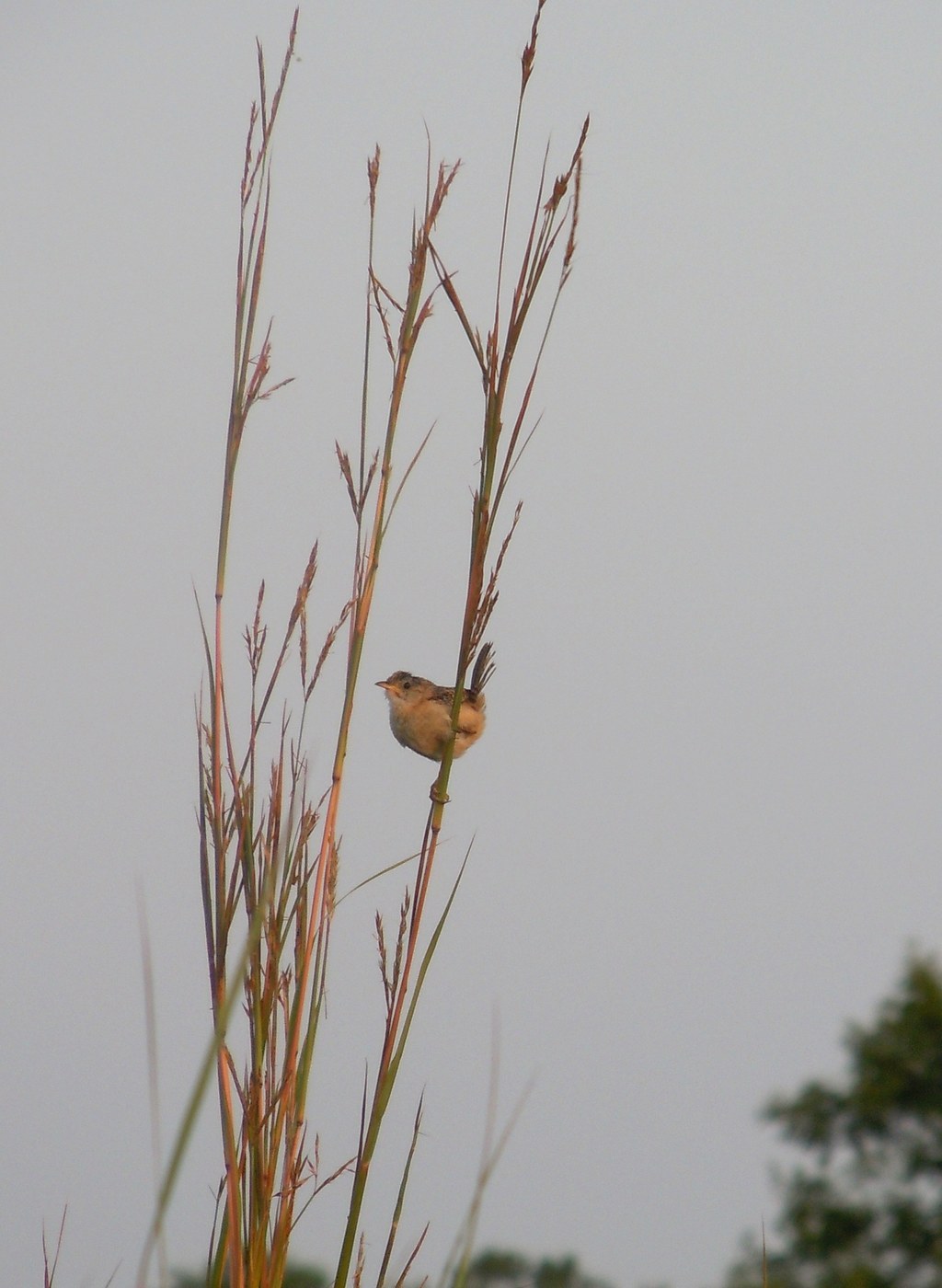
Sedge Wren
Tiny streaked crown and back feathers

Yellow-winged Cacique
Glossy black body feathers, yellow wing patch, shaggy crest

Yellow Warbler
Small contour and flight feathers
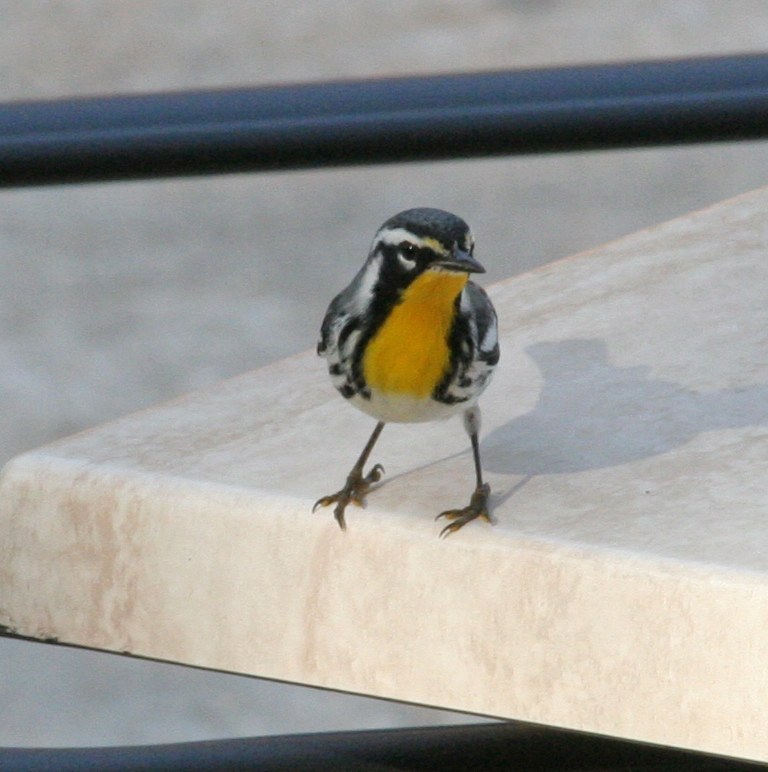
Yellow-throated Warbler
Small contour and flight feathers
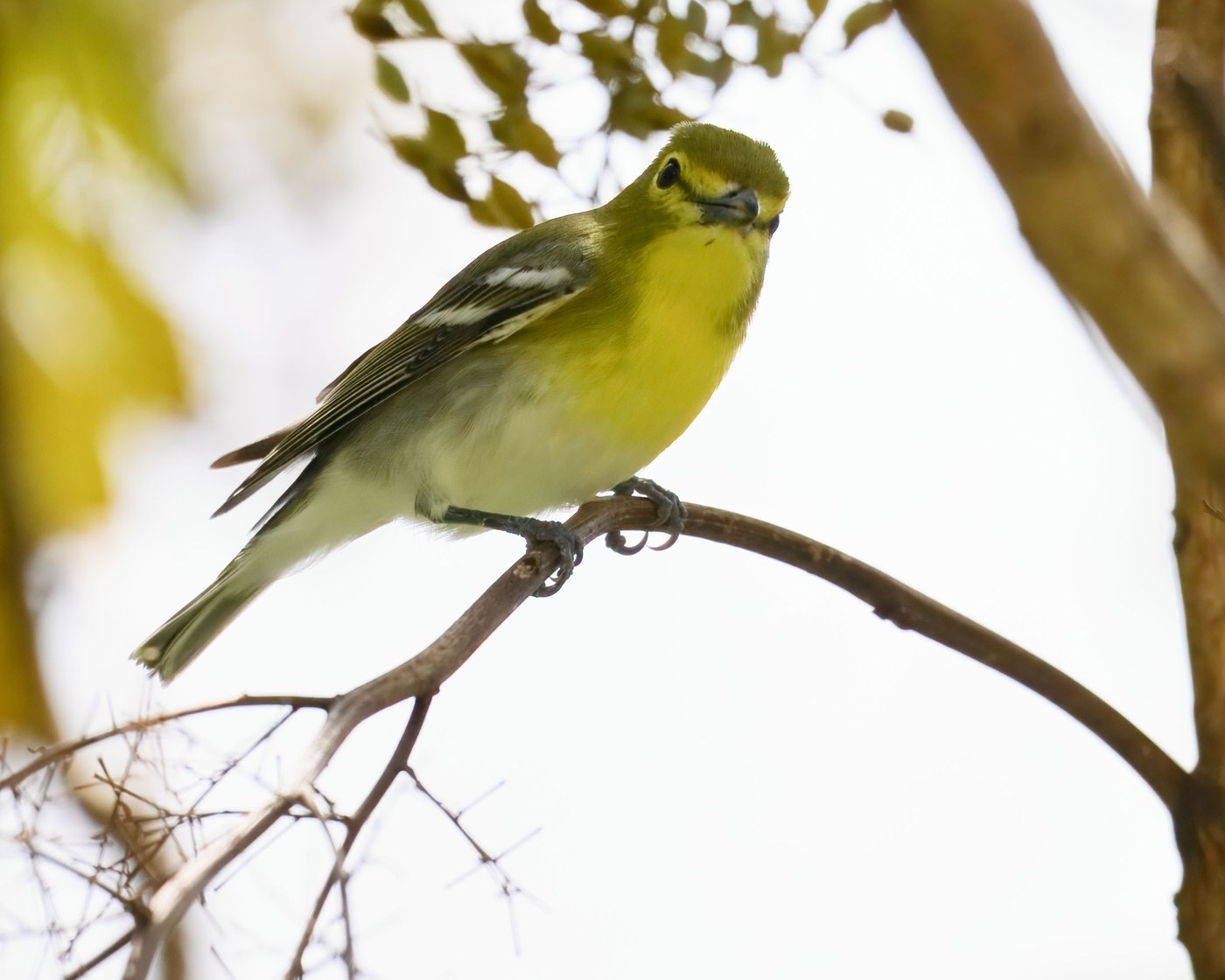
Yellow-throated Vireo
Bright yellow throat and spectacle feathers; olive-green back feathers; two white wing-bar feathers

Yellow-rumped Warbler
Small contour and flight feathers
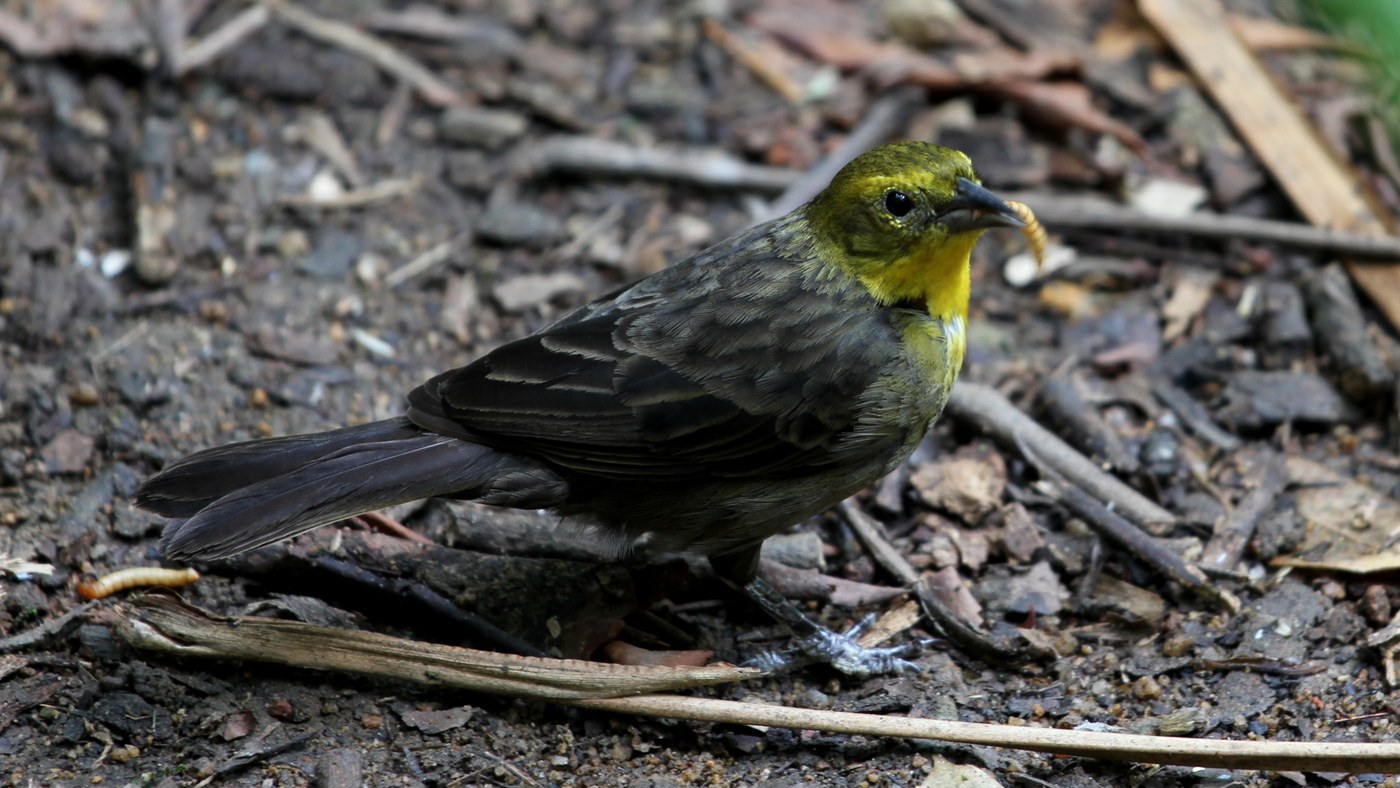
Yellow-hooded Blackbird
Contrasting hood and body feathers
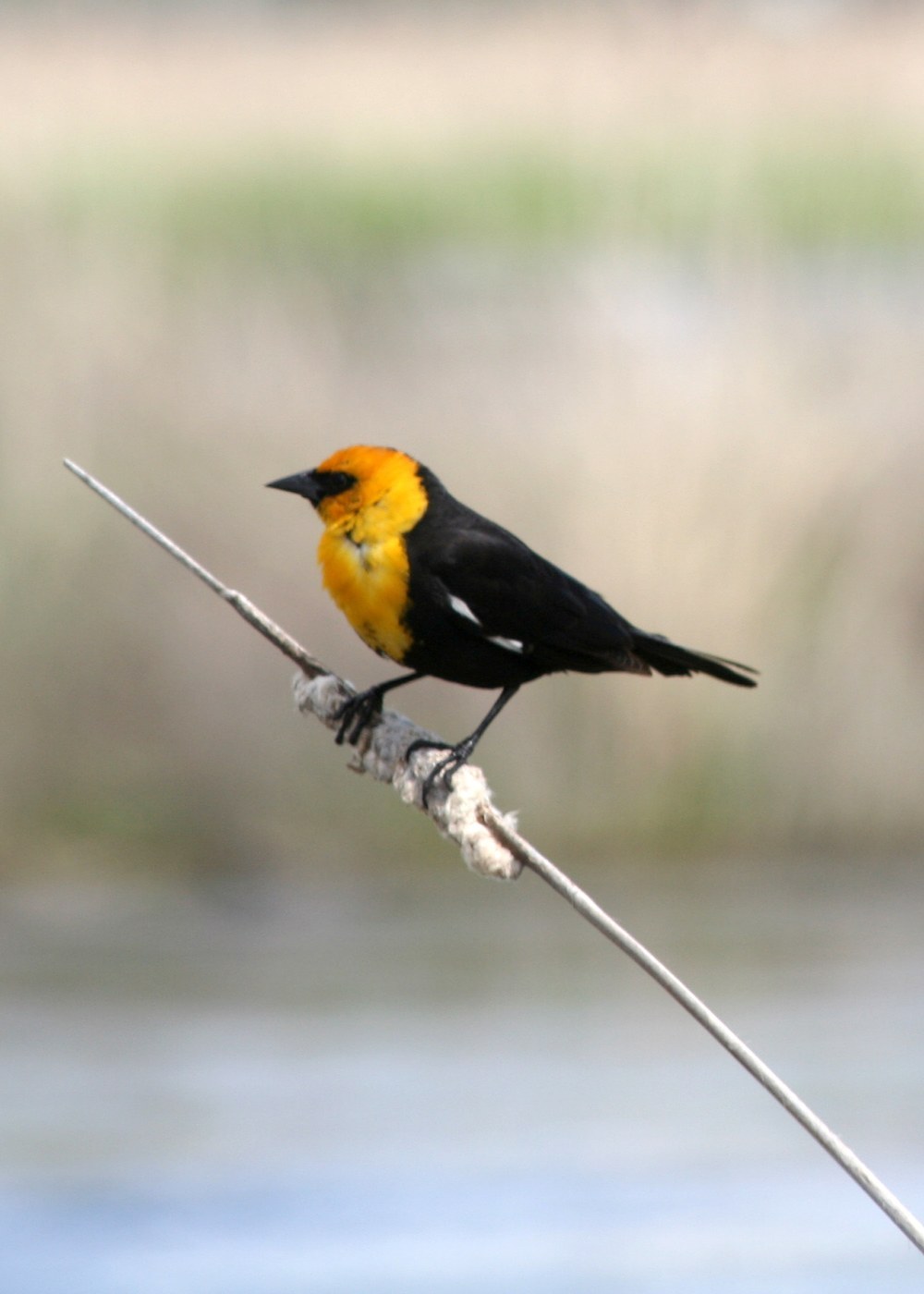
Yellow-headed Blackbird
Glossy black body plumage with a bright yellow head and breast

Yellow-eyed Junco
Contour and flight feathers

Yellow-fronted Canary
Small, smooth body plumage

Yellow-breasted Greenfinch
Compact, smooth body plumage