

Black-capped Siskin
Spinus atriceps
A highland finch of Mexico and Central America marked by a neat black cap contrasting with olive-yellow body plumage.
- Feather type
- Small pointed flight feathers; compact contour plumage
- Colours
- Black cap, olive-yellow body, yellow wing and tail flashes
- Bird size
- Sparrow-sized, ~11 cm
Found a feather like this?
Identify any feather from a photo, free.
Overview
Overview
The Black-capped Siskin occupies humid pine-oak and cloud forest in the highlands of southern Mexico and northern Central America. It is a social finch, often traveling in small flocks through forest edges and clearings, feeding on seeds from a variety of native and disturbed-habitat plants. Its restricted, patchy montane distribution makes it a sought-after species within its limited range.
Identifying the Feather
Feather Identification
- Black cap restricted to the crown, distinguishing it from siskins with a full black hood extending onto the throat or back
- Body feathers are olive-yellow, brighter on the underparts than the back
- Wings show a bold yellow patch at the primary bases plus pale wing bars, flashing conspicuously in flight
- Tail feathers are dark with yellow at the base
- Females are duller, with a less defined, more olive crown and lighter streaking below
- Distinguished from Black-headed and Hooded Siskins by the cap being confined to the crown rather than extending over the entire head and throat
Plumage & Molt
Plumage Notes
Adult males show a solid black crown patch against an otherwise olive-yellow body, with bright yellow wing and tail markings. Females have a duller, olive-tinged crown and paler underparts with faint streaking. Juveniles resemble females. Molt occurs annually following breeding, with young birds acquiring the black cap gradually.
Habitat & Range
Habitat & Range
Found in humid pine-oak and cloud forest habitats in the highlands of southern Mexico, Guatemala, and neighboring areas of Central America, generally at middle to upper elevations. It is largely resident, with some local movement between forest patches tracking seed availability.
Behavior & Field Notes
Behavior & Field Notes
Black-capped Siskins forage in small, active flocks, feeding on seeds of trees, shrubs, and weedy plants at forest edges and clearings, along with occasional insects. Nests are built in tree branches, often in pine or oak. The call is a thin, wiry twitter typical of siskins, frequently heard as flocks move through the canopy. Birds often associate with other highland finches while foraging.
Frequently asked questions
How do I distinguish a Black-capped Siskin from other siskins?
Look for black confined to the crown only, rather than extending over the whole head and throat, paired with olive-yellow body plumage and yellow wing flashes.
Where does the Black-capped Siskin occur?
In pine-oak and cloud forest habitats in the highlands of southern Mexico and northern Central America.
Do males and females look alike?
No, males show a crisp black cap while females have a duller, olive-tinged crown and paler underparts.
Is this species migratory?
It is mainly resident, moving locally between forest patches rather than migrating long distances.
Black-capped Siskin guides
In-depth guides for identifying and understanding Black-capped Siskin.

Other feathers you may enjoy

Yellow-breasted Bunting
Contour and flight feathers, chestnut-and-yellow breeding pattern
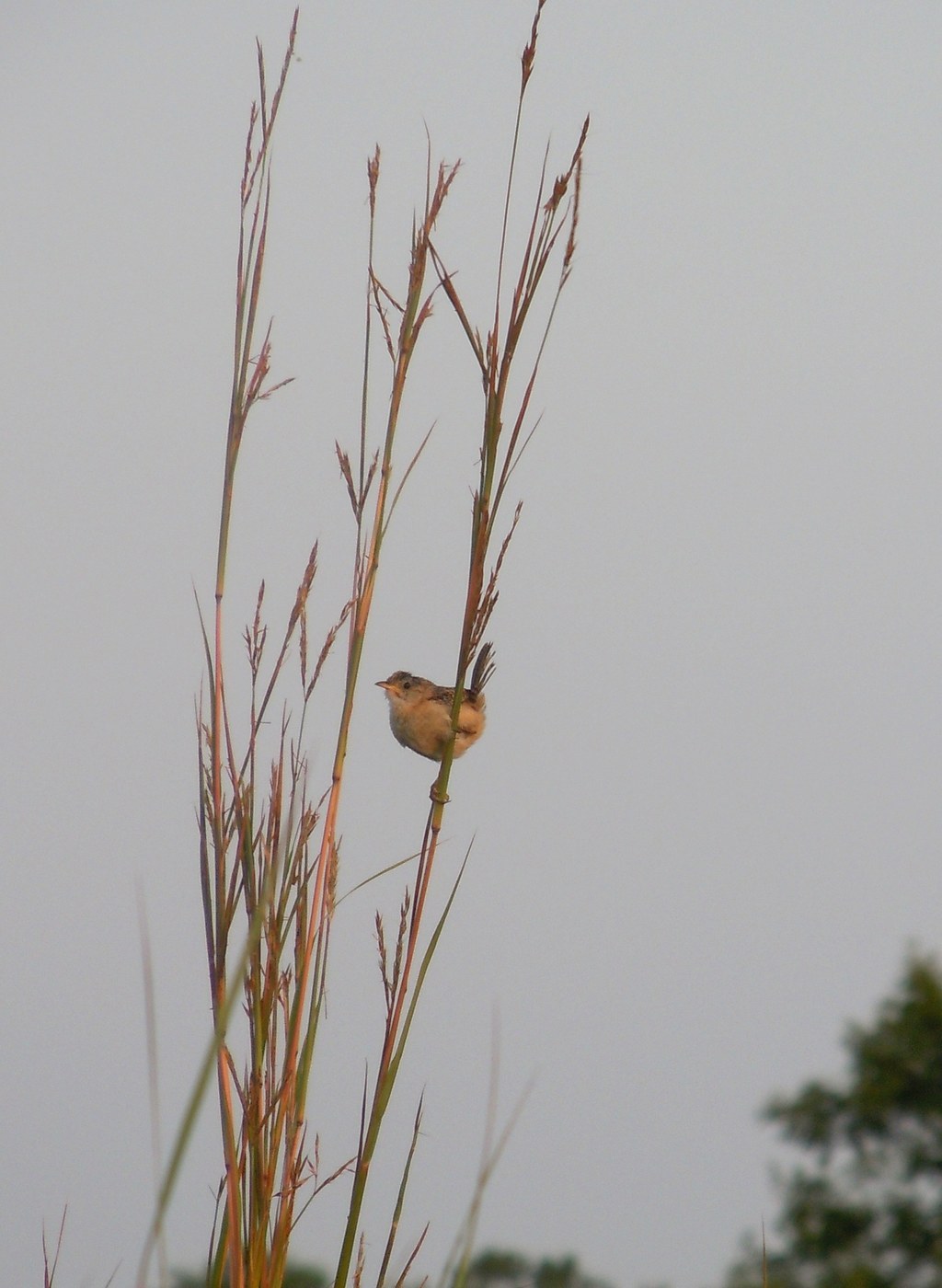
Sedge Wren
Tiny streaked crown and back feathers

Yellow-winged Cacique
Glossy black body feathers, yellow wing patch, shaggy crest

Yellow Warbler
Small contour and flight feathers
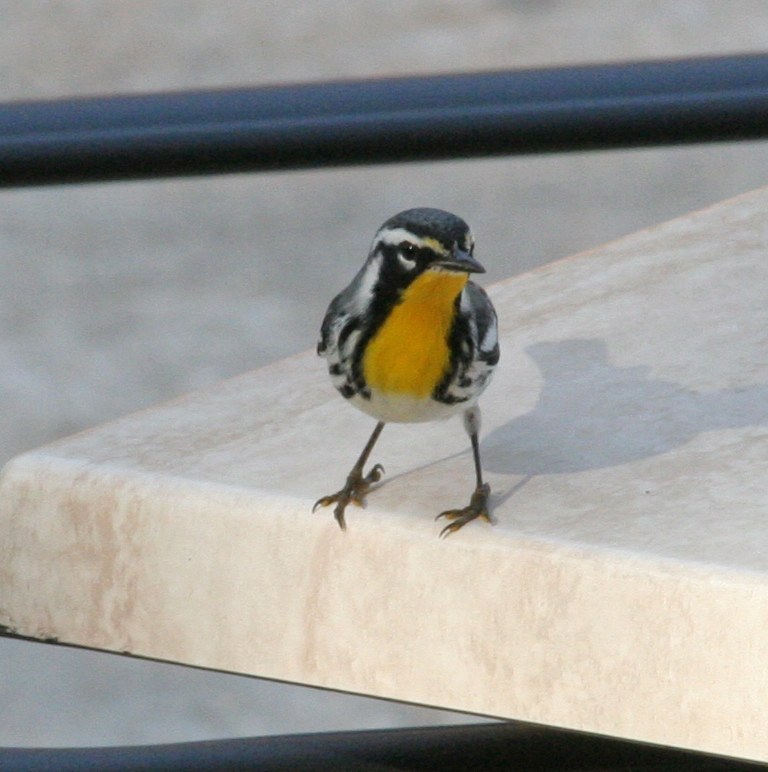
Yellow-throated Warbler
Small contour and flight feathers
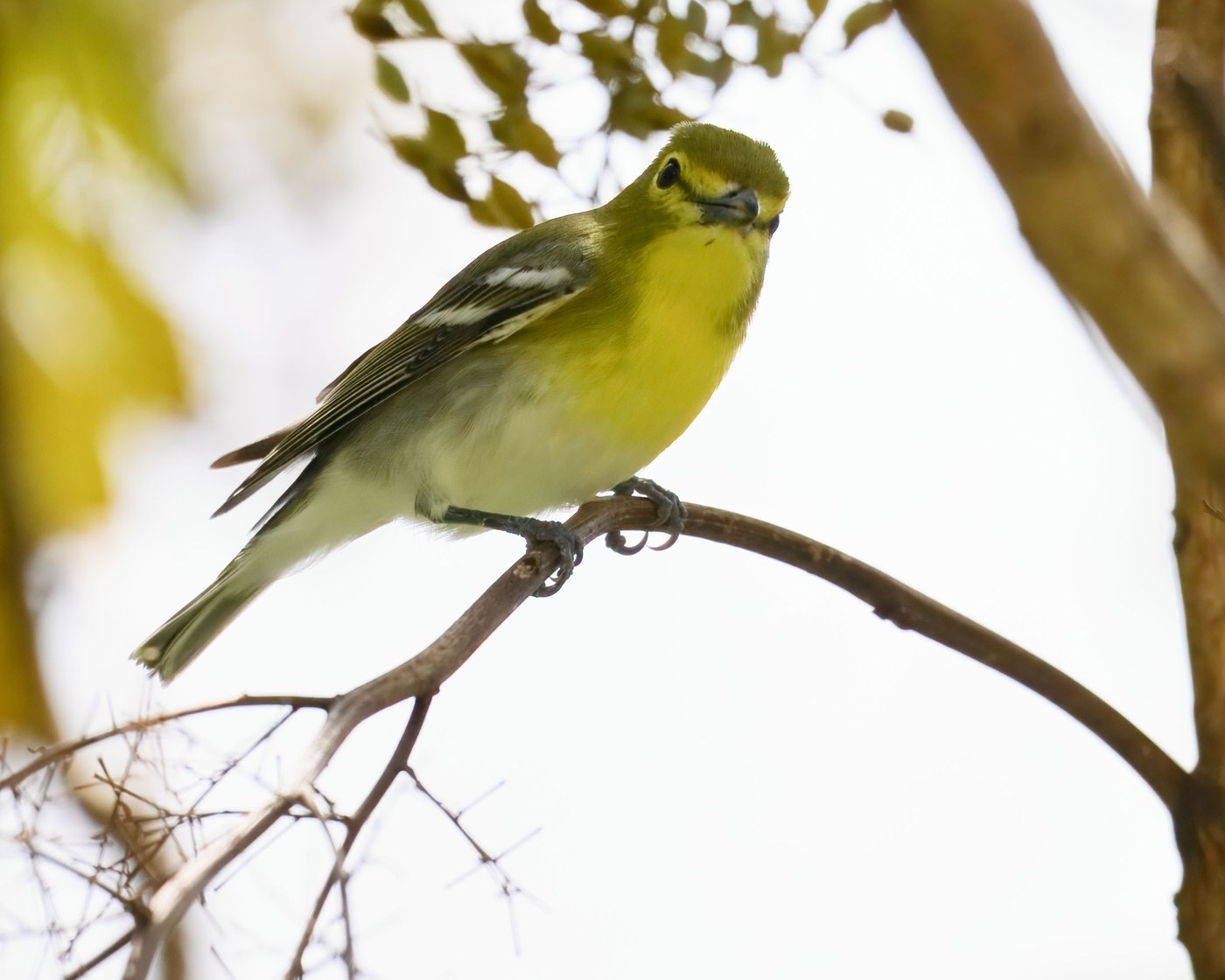
Yellow-throated Vireo
Bright yellow throat and spectacle feathers; olive-green back feathers; two white wing-bar feathers

Yellow-rumped Warbler
Small contour and flight feathers
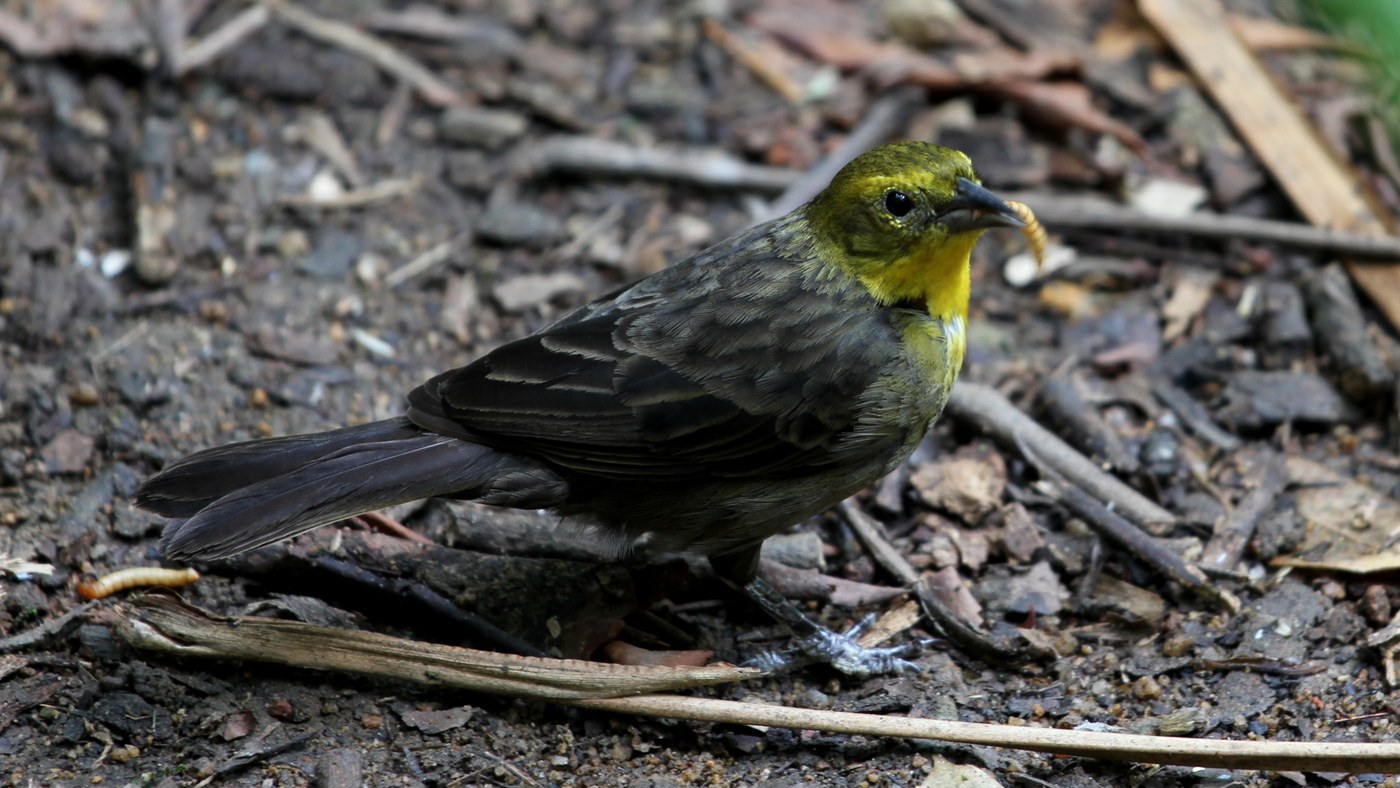
Yellow-hooded Blackbird
Contrasting hood and body feathers
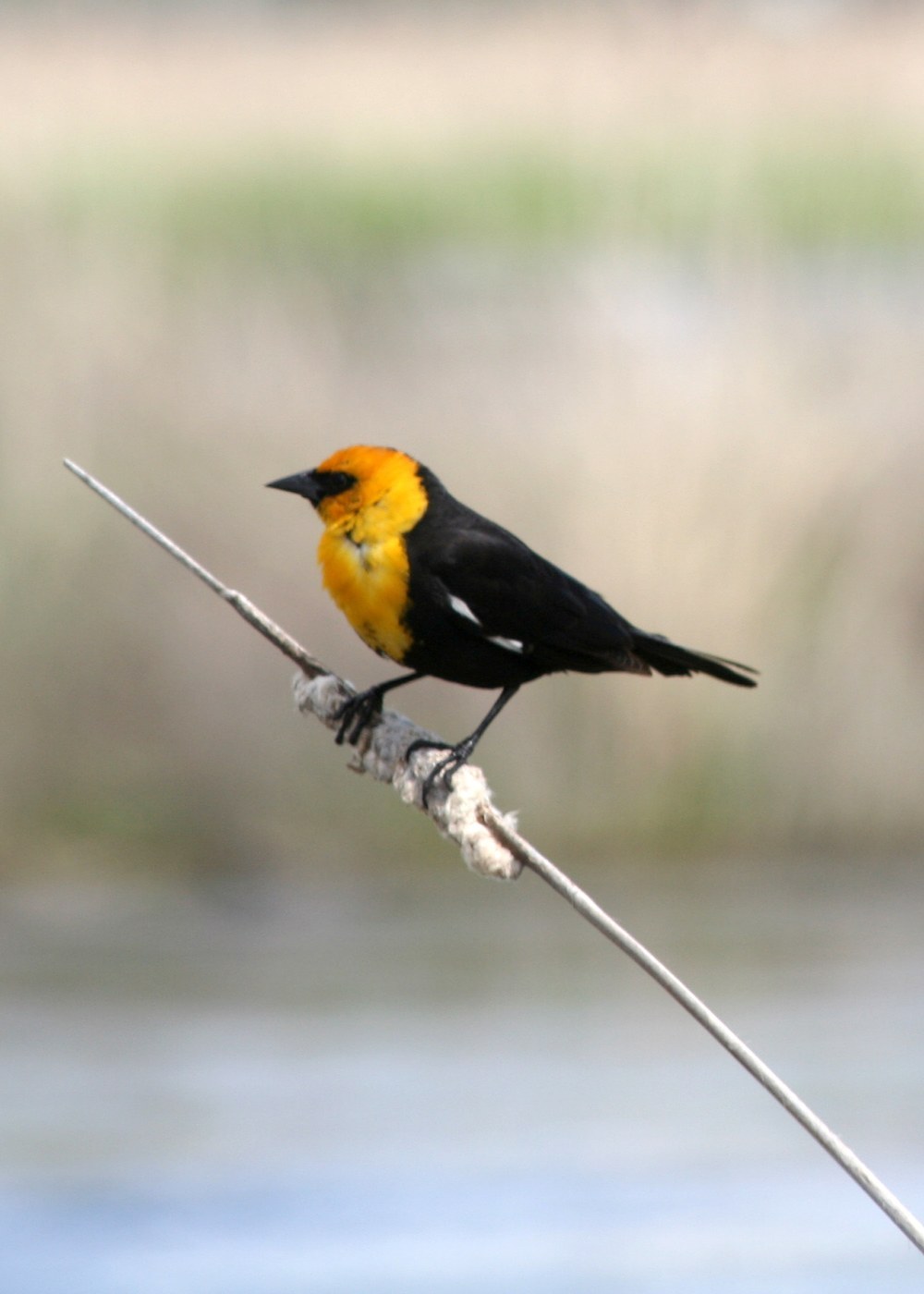
Yellow-headed Blackbird
Glossy black body plumage with a bright yellow head and breast

Yellow-eyed Junco
Contour and flight feathers

Yellow-fronted Canary
Small, smooth body plumage

Yellow-breasted Greenfinch
Compact, smooth body plumage