

Black-footed Albatross
Phoebastria nigripes
A dark, sooty-brown albatross of the North Pacific, lacking the white body of its relative the Laysan Albatross and named for its blackish feet.
- Feather type
- Contour, flight, and tail feathers
- Colours
- Overall dark sooty brown to blackish, whitish patches near bill and eye
- Bird size
- Large, ~68-74 cm
Found a feather like this?
Identify any feather from a photo, free.
Overview
The Black-footed Albatross is the darkest of the North Pacific's common albatrosses, cloaked almost entirely in sooty brown-black plumage. It often forages and breeds in the same regions as the Laysan Albatross but is readily told apart by its overall dark coloration.
Identifying the Feather
- Body feathers are dark sooty brown to blackish overall, without the white underparts of the Laysan Albatross
- Whitish feathering can appear around the base of the bill and beneath the eye, providing limited contrast against the otherwise dark plumage
- Older adults sometimes show white feathering developing at the base of the tail (uppertail coverts), an indicator of advancing age
- Flight feathers are long, narrow, and uniformly dark, adapted for efficient dynamic soaring
- Tail feathers are dark sooty brown, matching the body
Plumage & Molt
- Adults are dark sooty brown to blackish overall, with limited whitish feathering around the bill base and eye
- Some older individuals develop increasing white at the base of the tail and around the face with age
- Juveniles closely resemble adults, generally lacking the whiter facial and tail-base feathering of older birds
Habitat & Range
Black-footed Albatrosses breed on low sandy islands and atolls of the North Pacific, primarily in the Northwestern Hawaiian Islands, often nesting near or among Laysan Albatross colonies. Outside the breeding season they range widely over the North Pacific, including regular occurrence off the west coast of North America.
Behavior & Field Notes
This albatross forages for squid, fish eggs, and other surface prey, often following fishing vessels to scavenge discarded catch. It nests in the open on sandy or sparsely vegetated ground, laying a single egg, and engages in elaborate mutual courtship displays similar to those of the Laysan Albatross. Vocalizations include moans, whistles, and bill-clacking sounds given during these displays.
Frequently asked questions
How do I distinguish a Black-footed Albatross feather from a Laysan Albatross feather?
Black-footed Albatross feathers are dark sooty brown to blackish throughout, without the clean white body feathers found on a Laysan Albatross.
Do Black-footed Albatrosses ever show white feathers?
Some older adults develop patches of white feathering around the bill base, under the eye, and at the base of the tail, but the bulk of the plumage remains dark.
Where does the Black-footed Albatross breed?
It breeds mainly on low sandy islands and atolls of the North Pacific, especially in the Northwestern Hawaiian Islands, often near Laysan Albatross colonies.
Black-footed Albatross guides
In-depth guides for identifying and understanding Black-footed Albatross.

Other feathers you may enjoy

Western Gull
Body, flight, and tail feathers
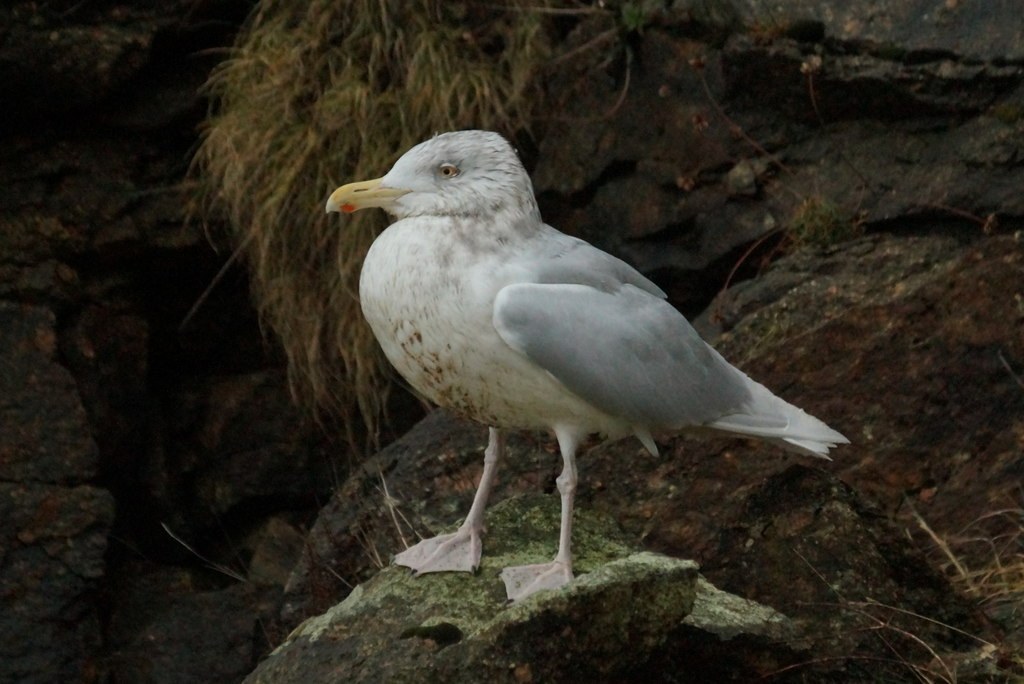
Glaucous Gull
Body, flight, and tail feathers

American Herring Gull
Body, flight, and tail feathers

Great Black-backed Gull
Body, flight, and tail feathers

Common Gull
Body, flight, and tail feathers
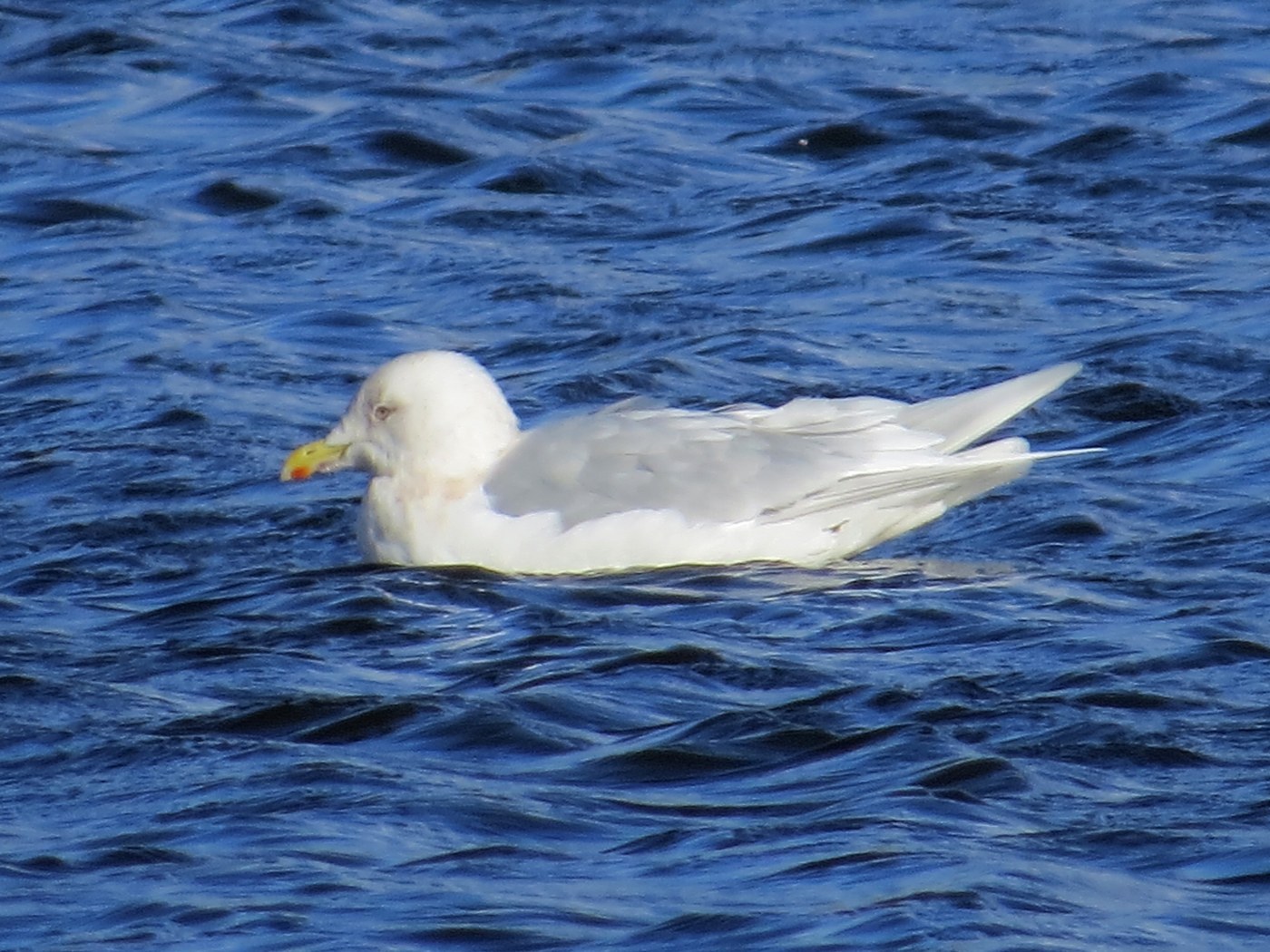
Iceland Gull
Body, flight, and tail feathers

Ring-billed Gull
Body, flight, and tail feathers

Glaucous-winged Gull
Body, flight, and tail feathers

Herring Gull
Body, flight, and tail feathers

Lesser Black-backed Gull
Body, flight, and tail feathers

California Gull
Body, flight, and tail feathers
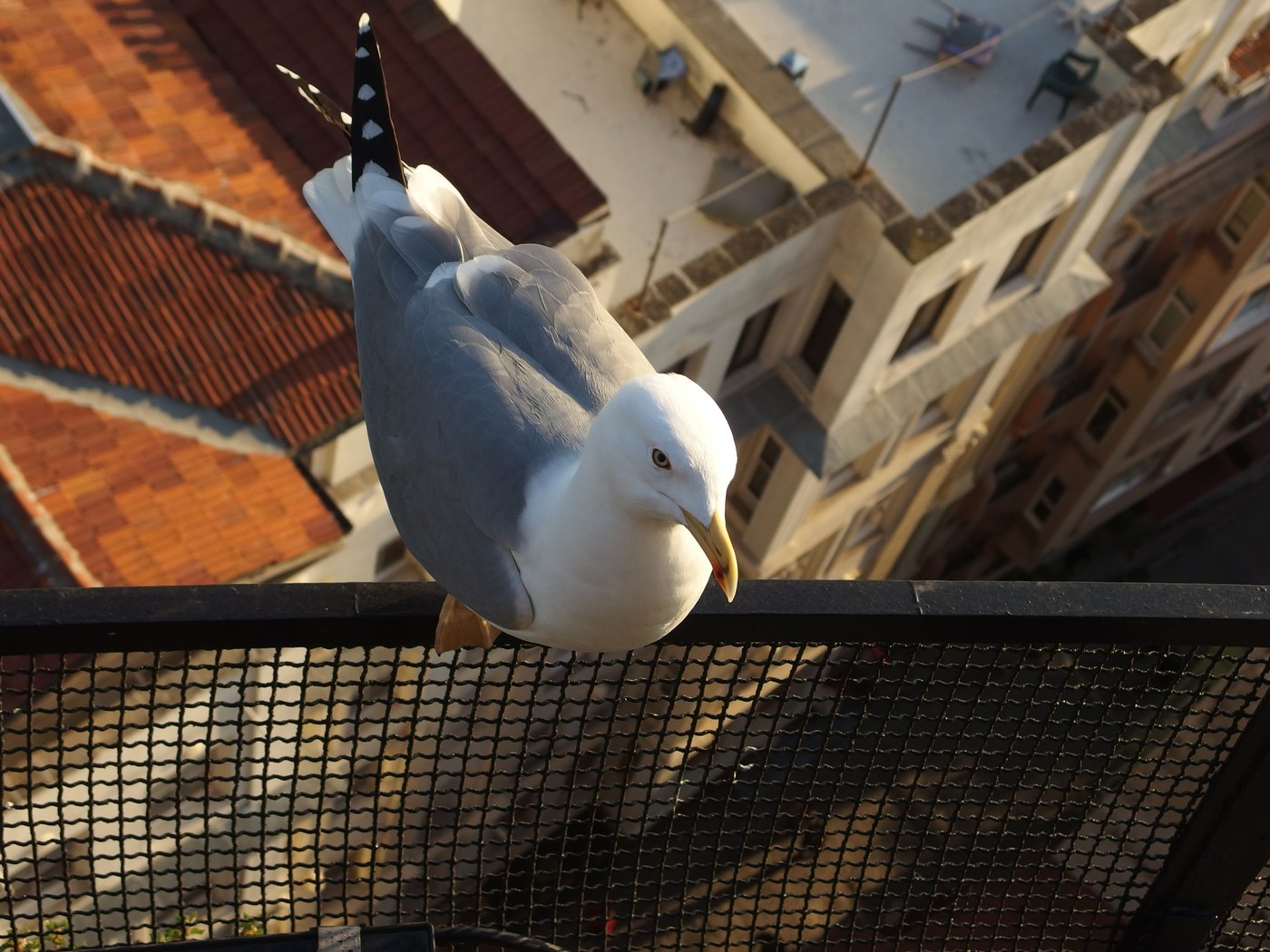
Yellow-legged Gull
Body, wing covert, and flight feathers