

Black-legged Kittiwake
Rissa tridactyla
A truly pelagic gull that spends most of its life far out at sea, recognized by its clean gray-and-white plumage, black legs, and wingtips that look as though they were dipped in black ink.
- Feather type
- Body, wing covert, and flight feathers
- Colours
- Pale gray mantle, white underparts, solid black "dipped-in-ink" wingtips
- Bird size
- Medium gull, ~38-40 cm
Found a feather like this?
Identify any feather from a photo, free.
Overview
Overview
The Black-legged Kittiwake is a highly pelagic gull that spends the majority of the year far from shore over open ocean, coming to land only to breed on narrow ledges of steep sea cliffs. It is smaller and more delicately built than many coastal gulls, with a rounded head, short black legs, and a distinctive solid black wingtip pattern with no white spots, giving the impression that the tips were dipped in ink. This combination of features makes it readily identifiable among mixed flocks of gulls near colonies or following fishing vessels offshore.
Unlike most gulls, which are opportunistic scavengers on land, kittiwakes are true seabirds behaviorally as well as ecologically, rarely visiting refuse sites or inland areas and instead relying on marine prey captured at sea.
Identifying the Feather
Feather Identification
- Wing feathers: Outer primaries are solid black to the tip with no white mirrors or spots, forming a crisp, clean-edged black triangle at the wingtip that contrasts sharply with the pale gray of the rest of the wing.
- Size and shape: Flight feathers are moderately long and pointed, suited to sustained oceanic flight; the wing overall appears narrow and pointed compared to bulkier coastal gulls.
- Mantle and covert feathers: Pale, clean gray, unmarked, providing strong contrast with the black wingtips and white underparts.
- Leg feathers/bare parts note: Legs are black, a useful confirming feature since most similar pale-mantled gulls have pink or yellowish legs.
- Compared to similar species: Red-legged Kittiwake is very similar in wing pattern but has red (not black) legs and a darker gray mantle; larger gulls with black wingtips typically show white mirror spots that kittiwakes lack.
Plumage & Molt
Plumage Details
Adults show a white head and underparts, pale gray mantle and upperwing, black legs, and a yellow-green bill, with little seasonal variation aside from a faint dusky smudge behind the eye in the nonbreeding season. Juveniles show a distinctive black half-collar across the nape, a black bar across the upperwing coverts, and a black tip to the otherwise white tail, together forming a bold "W" pattern across the open wings when viewed from above, a pattern that fades as the bird matures. Adult plumage, including the clean gray-and-white pattern and solid black wingtips, is typically attained by the third year.
Habitat & Range
Habitat & Range
Black-legged Kittiwakes breed in dense colonies on narrow ledges of steep sea cliffs around the North Atlantic and North Pacific, including coasts of Alaska, Canada, Greenland, Iceland, and northern Europe. Outside the breeding season they disperse widely over open ocean, often ranging far from any coastline, and are considered one of the most pelagic of all gulls. Migration and wintering movements are extensive, with birds tracked crossing entire ocean basins outside the breeding period.
Behavior & Field Notes
Behavior & Field Notes
Kittiwakes forage almost entirely at sea, taking small fish and invertebrates from the surface in flight or in shallow plunge-dives, and readily follow fishing vessels to feed on discarded bycatch. Breeding colonies are densely packed on cliff ledges, with nests built from mud, grass, and seaweed cemented to narrow rock shelves, an adaptation to the precarious nesting sites. The species' name derives from its call, a repeated, ringing "kitti-waaake," given frequently at colonies. Because of its pelagic habits, this species is far less often seen at harbors or refuse sites than typical coastal gulls, and most sightings away from cliffs occur well offshore or after storms.
Frequently asked questions
Why are the wingtips of this species described as 'dipped in ink'?
The outer primaries are solid black with sharply defined edges and no white spots, creating a clean, uniform black triangle at the wingtip unlike the mottled or spotted wingtips of many other gulls.
How can I tell a Black-legged Kittiwake from a Red-legged Kittiwake?
Leg color is the most reliable field mark: Black-legged Kittiwake has black legs, while Red-legged Kittiwake has bright red legs and a slightly darker mantle.
Is this gull commonly seen at landfills or parking lots like other gulls?
No, it is highly pelagic and rarely visits inland or urban sites, spending most of its life over open ocean away from shore.
What does the juvenile plumage look like?
Juveniles show a dark half-collar on the nape, a dark bar across the upperwing, and a black-tipped tail, forming a bold 'W' pattern across the wings that fades as the bird matures over about three years.
Black-legged Kittiwake guides
In-depth guides for identifying and understanding Black-legged Kittiwake.

Other feathers you may enjoy

Western Gull
Body, flight, and tail feathers
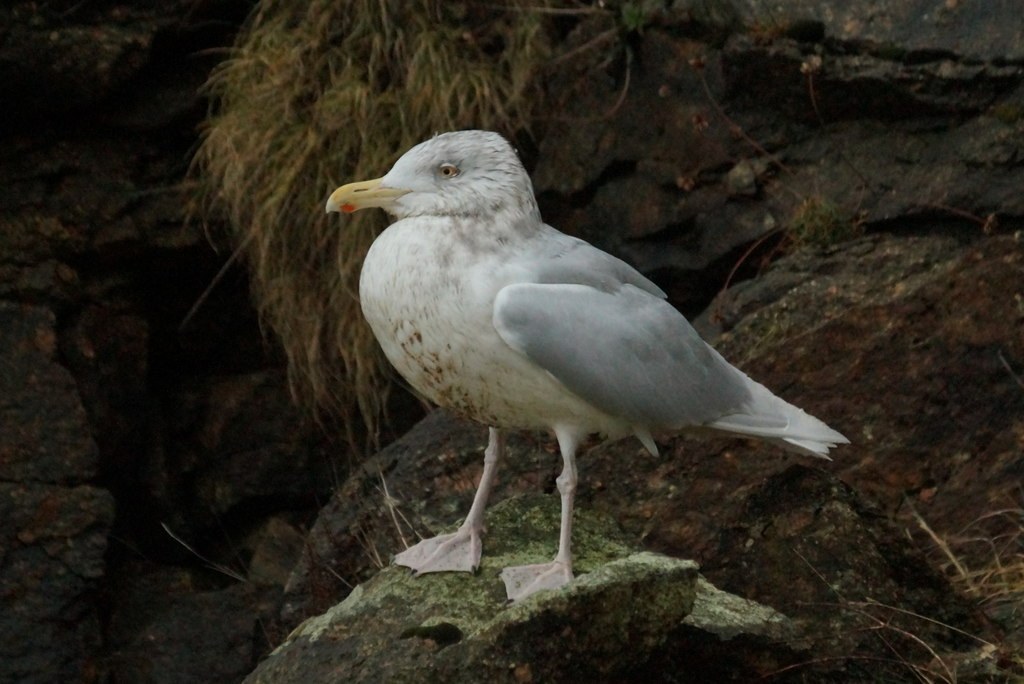
Glaucous Gull
Body, flight, and tail feathers

American Herring Gull
Body, flight, and tail feathers

Great Black-backed Gull
Body, flight, and tail feathers

Common Gull
Body, flight, and tail feathers
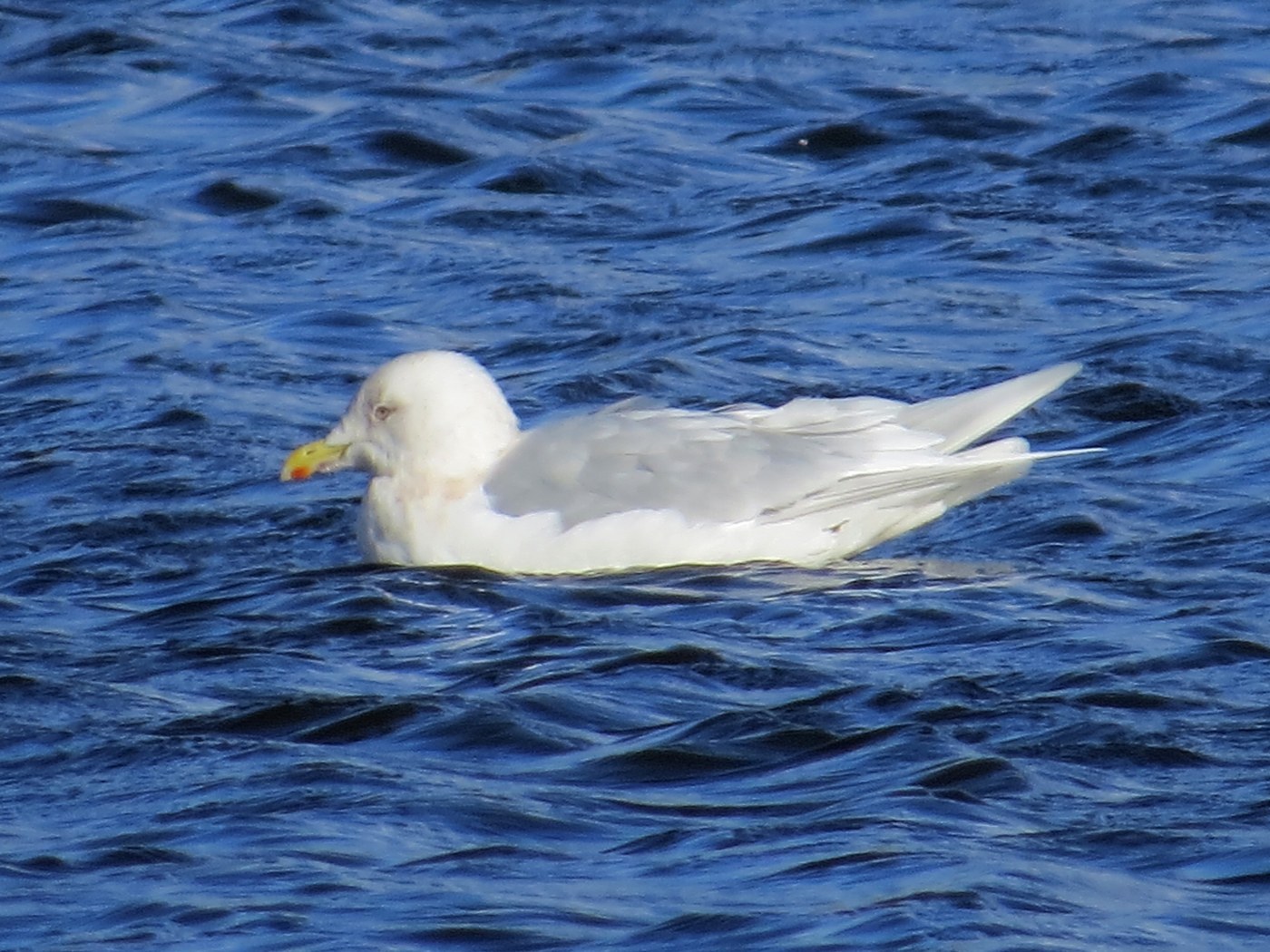
Iceland Gull
Body, flight, and tail feathers

Ring-billed Gull
Body, flight, and tail feathers

Glaucous-winged Gull
Body, flight, and tail feathers

Herring Gull
Body, flight, and tail feathers

Lesser Black-backed Gull
Body, flight, and tail feathers

California Gull
Body, flight, and tail feathers
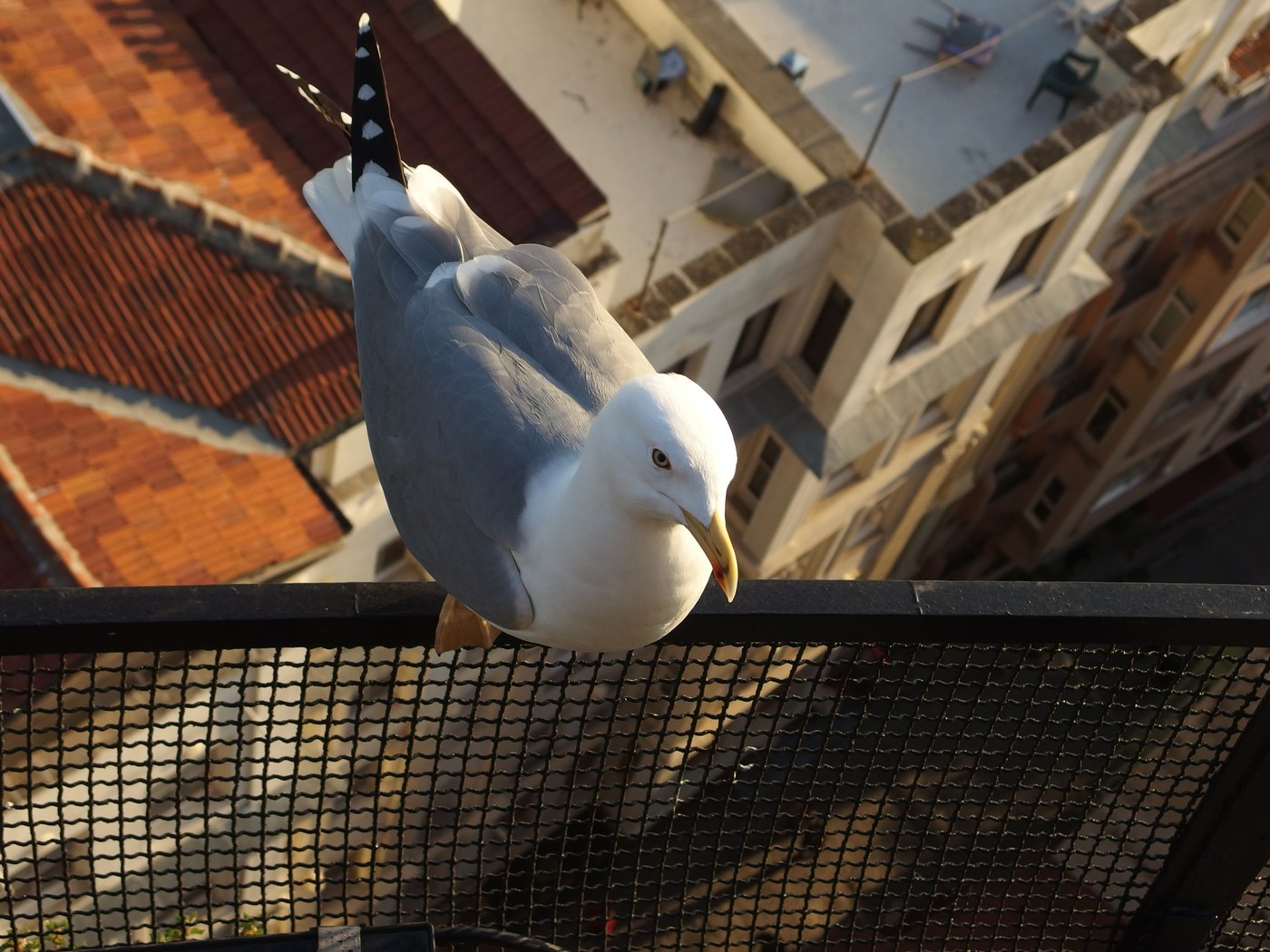
Yellow-legged Gull
Body, wing covert, and flight feathers