

Black-rumped Flameback
Dinopium benghalense
A widespread South Asian woodpecker whose golden back is paired with a black rump, the reverse of its red-rumped Southeast Asian cousin.
- Feather type
- Contour, wing, and tail feathers
- Colours
- Golden back, black rump, black-and-white striped face
- Bird size
- Pigeon-sized, ~26-29 cm
Found a feather like this?
Identify any feather from a photo, free.
Overview
The Black-rumped Flameback is one of the most familiar woodpeckers across the Indian subcontinent, equally at home in city parks, farmland groves, and open woodland. Its golden back and noisy presence make it conspicuous, and it is often seen working low on tree trunks or foraging on the ground for ants.
While similar in overall pattern to other flamebacks, the black rump patch is the species' defining trait and gives the bird its name.
Identifying the Feather
- Back feathers are rich golden-yellow with a slight olive cast, similar to other flamebacks
- Rump feathers are solid black, the key mark distinguishing this species from red-rumped relatives such as the Common Flameback
- Underparts show black crescent-shaped markings scaled across a whitish ground color
- Facial feathers form bold black-and-white stripes: a black band through the eye and a black malar stripe against white cheeks
- Tail feathers are blackish and stiffened, typical of trunk-foraging woodpeckers
Plumage & Molt
Males have a crimson crown, while females show a black crown finely spotted with white. Juveniles are duller with softer edges to the back barring and a less crisp facial pattern. A single post-breeding molt replaces worn plumage each year.
Habitat & Range
- Resident across the Indian subcontinent and Sri Lanka
- Prefers open country: cultivated land, scattered groves, gardens, and forest edge rather than dense unbroken forest
- Non-migratory, generally holding a fixed territory
Behavior & Field Notes
This species forages both on tree trunks and on the ground, where it frequently feeds at ant nests and probes leaf litter. It is a noisy bird, giving loud rattling calls and drumming readily, especially near the nest site. Nests are excavated in dead or dying wood, sometimes in utility poles or palm trunks in more urban settings.
Frequently asked questions
What separates this species from other flamebacks by feather?
The rump is the most reliable single feature: Black-rumped Flameback shows black rump feathers, while several related species show red or golden rumps instead.
Is the golden back color unique to this species?
No, several closely related Asian woodpeckers share a similar golden back, so the rump and range are more useful for confirming identification.
Does this woodpecker feed only in trees?
No, it regularly forages on open ground and lawns, particularly at ant nests, in addition to working tree trunks and branches.
How can I sex a feather from this species?
Crown feathers are the best clue: red-tipped in males, black with white spotting in females.
Black-rumped Flameback guides
In-depth guides for identifying and understanding Black-rumped Flameback.

Other feathers you may enjoy

Ivory-billed Woodpecker
Very large flight feathers with a solid white trailing patch

Great Slaty Woodpecker
Massive, uniformly colored contour feathers

Yellow-tufted Woodpecker
Black body feathers with bright yellow forehead tufts

Magellanic Woodpecker
Very large, glossy contour feathers with a recurved crest

Yellow-bellied Sapsucker
Black-and-white patterned back and facial-stripe feathers
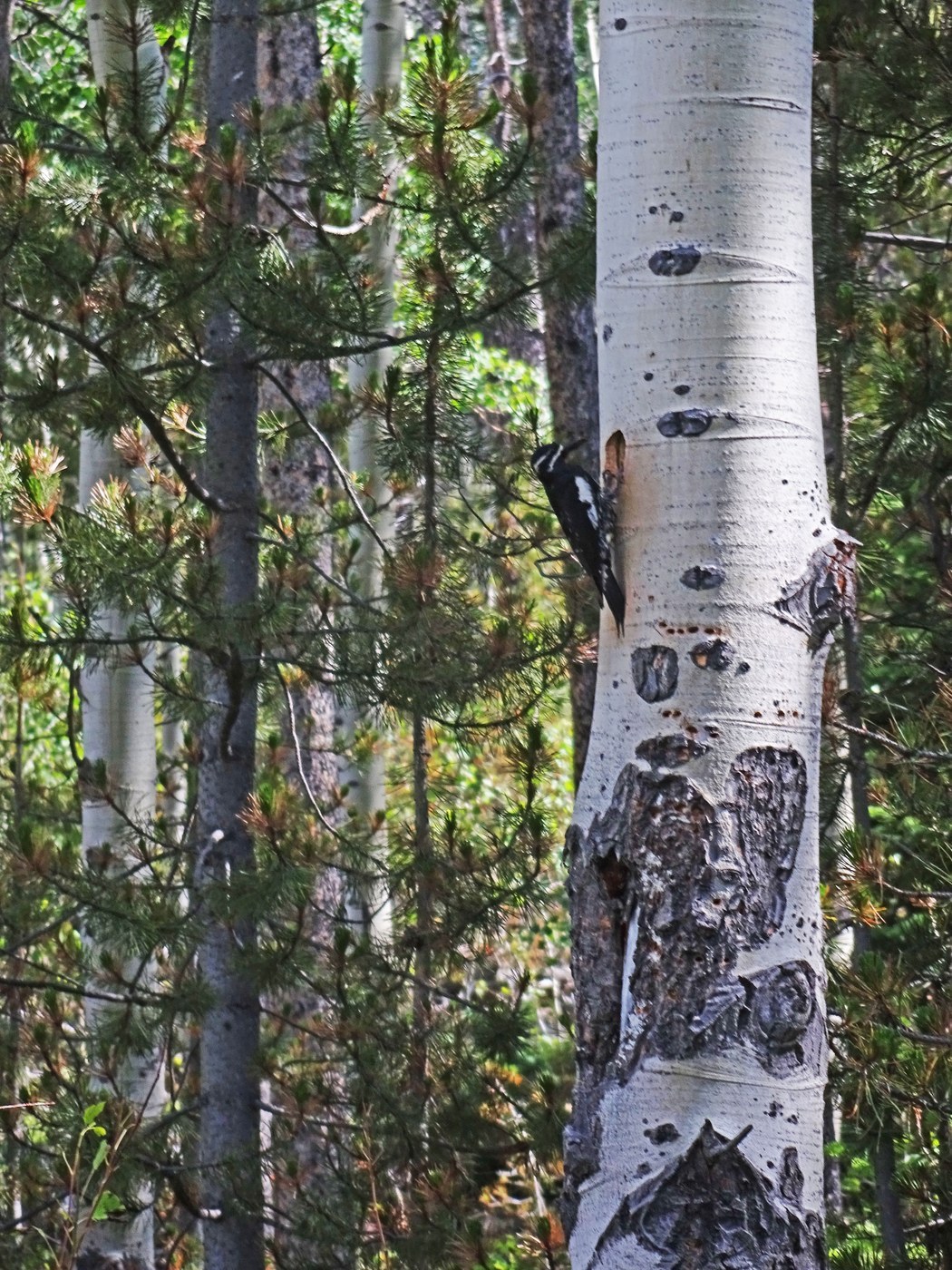
Williamson's Sapsucker
Strongly sexually dimorphic body feathers, glossy black or finely barred brown

Yellow-crowned Woodpecker
Contour and flight feathers

White Woodpecker
Mostly white body feathers with contrasting black wings and back

Red-throated Wryneck
Soft, cryptically mottled contour feathers

White-bellied Woodpecker
Large, glossy black contour and flight feathers

White-backed Woodpecker
Barred back feathers rather than a solid white patch
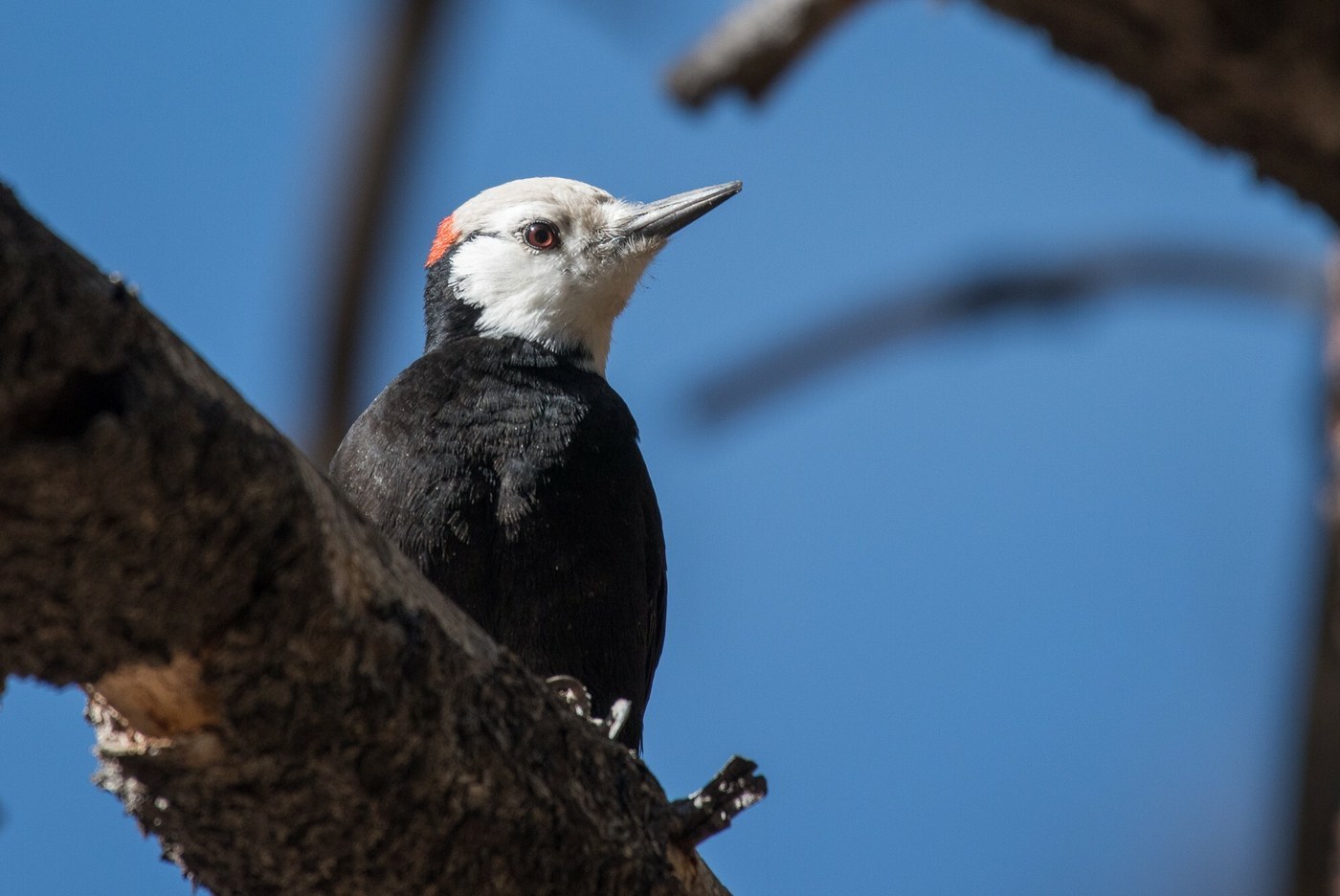
White-headed Woodpecker
Solid black body feathers with an entirely white head