

Black Tern
Chlidonias niger
A distinctive marsh tern that turns almost entirely sooty-black during the breeding season, a striking departure from the pale gray-and-white pattern typical of most terns.
- Feather type
- Body and flight feathers
- Colours
- Black body and head (breeding), gray wings and tail
- Bird size
- Small tern, ~23-26 cm
Found a feather like this?
Identify any feather from a photo, free.
Overview
Overview
The Black Tern is a small, marsh-breeding tern notable for its unusual breeding plumage, in which the head, neck, and underparts become sooty black, contrasting with paler gray wings, back, and tail. This pattern sets it apart strikingly from most other terns, which retain white underparts year-round, and makes breeding adults some of the most distinctive terns to identify. Outside the breeding season the species transitions to a much more typically pied pattern, with white underparts and a dark cap and ear patch, resembling other small terns more closely at that time of year.
Unlike many terns that nest on open sand or gravel, the Black Tern breeds in freshwater marshes, building floating nests among emergent vegetation, a habitat association shared with only a small number of other tern species.
Identifying the Feather
Feather Identification
- Body feathers: In breeding plumage, head, neck, and underparts are sooty black, a pattern essentially unique among regularly encountered terns and unmistakable when present.
- Wing and tail feathers: Pale to medium gray, contrasting with the black body in breeding adults; in nonbreeding and juvenile plumage the gray tone extends across the back as well, with white underparts replacing the black.
- Size and shape: Feathers are small and light, consistent with the species' small body size and buoyant, fluttering flight over marshes and open water.
- Compared to similar species: No other common tern shows an entirely black body in breeding plumage; in nonbreeding plumage, the combination of a dark cap, dark ear patch, and grayish wash on the sides of the breast helps distinguish it from small Sterna and Sternula terns, which typically show cleaner white underparts without the dark shoulder patch.
Plumage & Molt
Plumage Details
Breeding adults show a sooty black head, neck, and underparts, with pale to medium gray wings, back, and tail, and a black bill. In nonbreeding plumage the black is lost, replaced by white underparts, a dark cap, and a dark patch on the side of the breast near the shoulder, along with a grayish wash on the back. Juveniles resemble nonbreeding adults but show a scaly, brownish tinge to the back and covert feathers, gradually molting to the grayer adult-type plumage. The transition between the black breeding plumage and the pied nonbreeding plumage occurs relatively quickly, making transitional, patchily black-and-white individuals a common sight in late summer.
Habitat & Range
Habitat & Range
Black Terns breed in freshwater marshes, wet meadows, and shallow wetlands with abundant emergent vegetation across much of the northern United States, Canada, and parts of Eurasia. Outside the breeding season the species becomes more coastal and even pelagic in places, migrating to wintering grounds along the coasts of Central and South America and parts of Africa for Old World populations. Migration often takes birds well offshore or over large lakes, differing from the mostly coastal or marsh-restricted habits of the breeding season.
Behavior & Field Notes
Behavior & Field Notes
Black Terns forage largely on flying insects taken on the wing over marshes and open water, as well as small fish and aquatic invertebrates picked from the surface, a more insectivorous diet than many other terns. They nest in loose colonies on floating mats of marsh vegetation, muskrat houses, or similar platforms just above the water surface. The call is a sharp, metallic "kik" or "kreek" note. Its buoyant, erratic flight low over marshes, combined with the striking black breeding plumage, make this one of the more distinctive terns of freshwater wetlands in summer.
Frequently asked questions
Why does the Black Tern look so different from other terns?
In breeding plumage its head, neck, and underparts turn sooty black, a pattern not shared by most other terns, which typically retain white underparts throughout the year.
Does the Black Tern look the same all year?
No, outside the breeding season it molts into a much more typical pied pattern with white underparts, a dark cap, and a dark patch near the shoulder, resembling other small terns more closely.
What kind of habitat does this species breed in?
It breeds in freshwater marshes and wetlands with abundant emergent vegetation, nesting on floating platforms rather than the open sand or gravel used by many coastal terns.
What does the Black Tern eat?
It forages largely on flying insects captured over marshes and open water, supplemented by small fish and aquatic invertebrates taken from the surface.
Black Tern guides
In-depth guides for identifying and understanding Black Tern.

Other feathers you may enjoy

Western Gull
Body, flight, and tail feathers
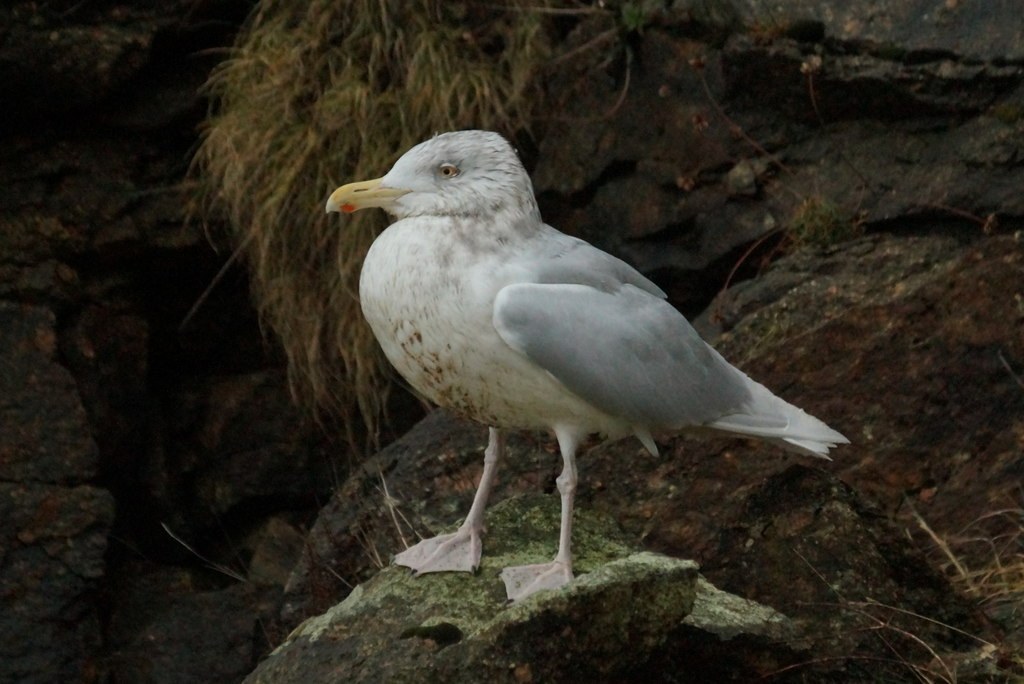
Glaucous Gull
Body, flight, and tail feathers

American Herring Gull
Body, flight, and tail feathers

Great Black-backed Gull
Body, flight, and tail feathers

Common Gull
Body, flight, and tail feathers
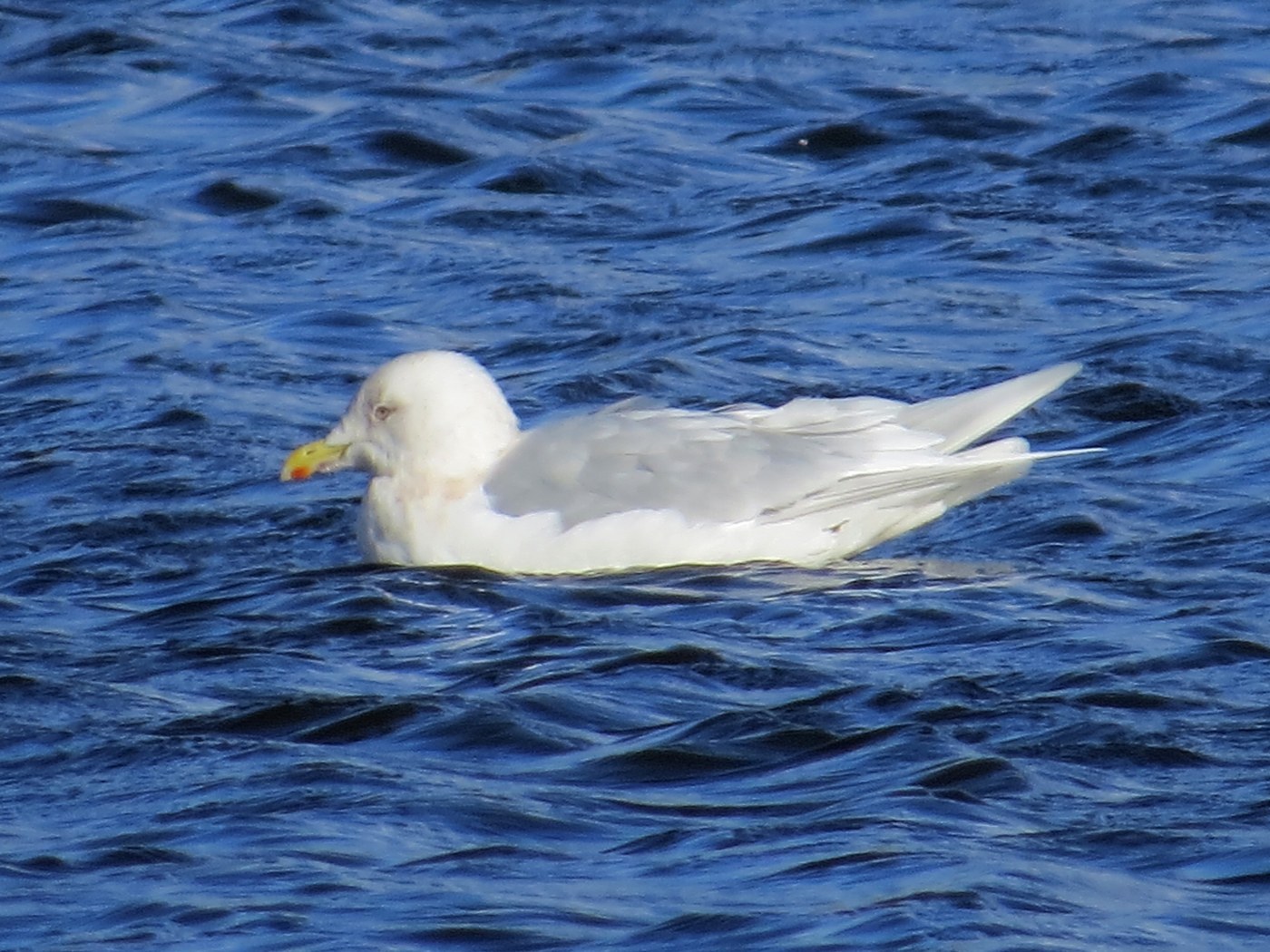
Iceland Gull
Body, flight, and tail feathers

Ring-billed Gull
Body, flight, and tail feathers

Glaucous-winged Gull
Body, flight, and tail feathers

Herring Gull
Body, flight, and tail feathers

Lesser Black-backed Gull
Body, flight, and tail feathers

California Gull
Body, flight, and tail feathers
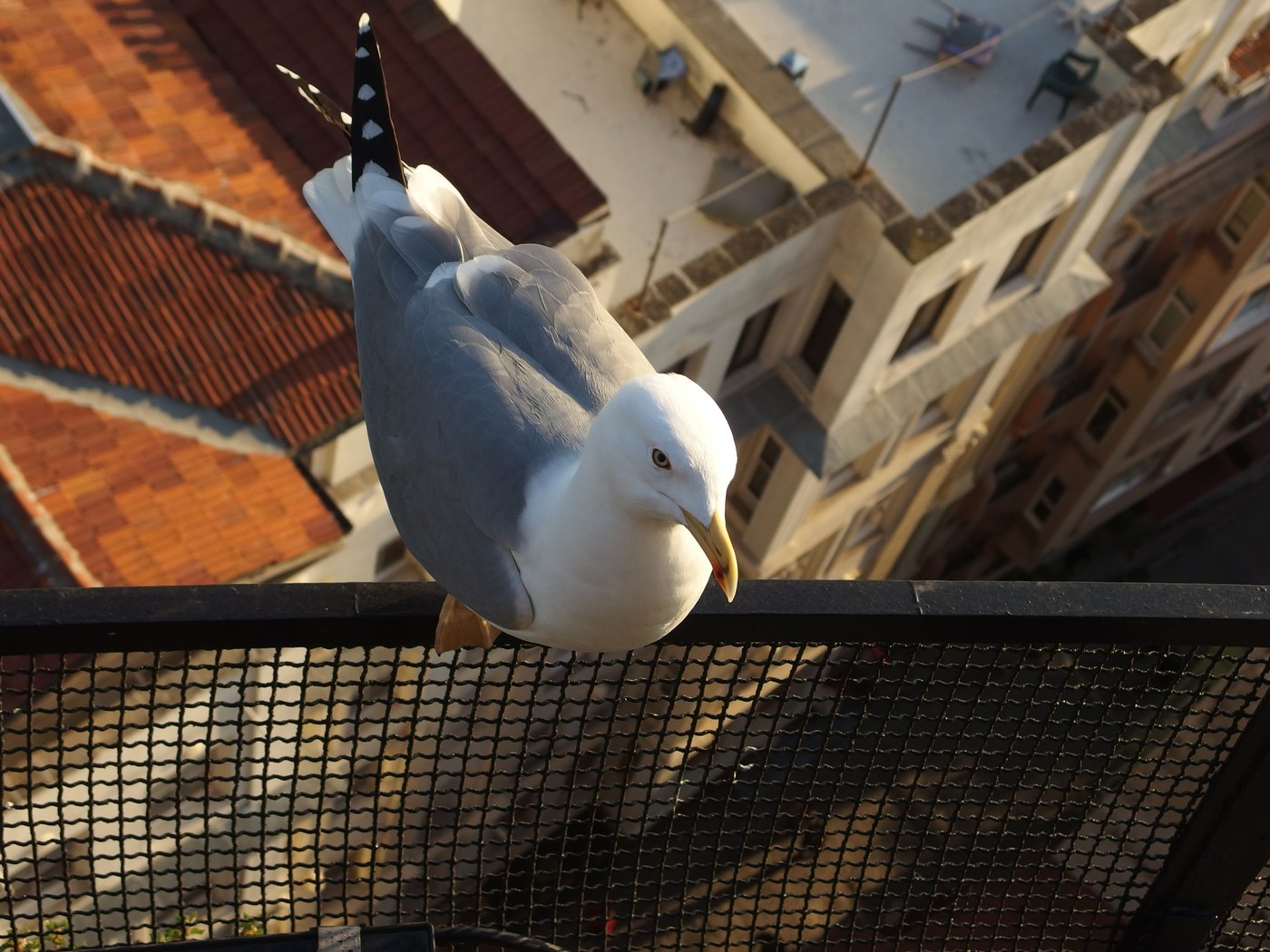
Yellow-legged Gull
Body, wing covert, and flight feathers