

Black-throated Blue Warbler
Setophaga caerulescens
A striking deep-blue wood-warbler with black face and flanks in the male, breeding in eastern deciduous forests with a dense shrub layer.
- Feather type
- Small contour and flight feathers
- Colours
- Deep blue upperparts with a black face and flanks and white underparts in males; olive-brown in females
- Bird size
- Small, ~13 cm
Found a feather like this?
Identify any feather from a photo, free.
Overview
The Black-throated Blue Warbler is a small wood-warbler that breeds in deciduous and mixed forests with a well-developed shrub understory across the eastern United States and southeastern Canada, wintering mainly in the Caribbean. Males are strikingly patterned in deep blue, black, and white, while females look entirely different, being olive-brown overall. Both sexes share a small white patch at the base of the primaries.
Identifying the Feather
Breeding male body feathers are deep slate-blue on the crown, nape, and back, with a solid black face, throat, and flanks contrasting sharply against white underparts. Females and immatures lack the blue and black pattern, instead showing plain olive-brown upperparts and buffy underparts. In both sexes, a small but distinctive white spot at the base of the primary flight feathers, often called the "handkerchief," is a key identification feature not shared by similarly plain-looking warblers.
Plumage & Molt
Adult males in breeding plumage show the classic blue, black, and white pattern, while adult females are a much plainer olive-brown with a pale eyebrow stripe. Nonbreeding males retain much of the same bold plumage, unlike many warblers that become drab outside the breeding season. Immatures resemble females but may show a less distinct wing patch. A single complete molt occurs after breeding, with limited feather wear affecting brightness before migration.
Habitat & Range
This species breeds in deciduous and mixed forests with dense shrub understory, particularly in the northeastern and Appalachian regions of North America. It winters primarily in forested habitats of the Caribbean, especially in mountainous areas of the Greater Antilles.
Behavior & Field Notes
Black-throated Blue Warblers forage low in the forest understory, gleaning insects from leaves and twigs, often close to the ground compared to many canopy-foraging warblers. The male's song is a slow, buzzy "zee-zee-zee-zreee," rising at the end. Nests are built low in shrubs or saplings. The species migrates at night in a fairly direct route between breeding and Caribbean wintering grounds.
Frequently asked questions
How do I identify a Black-throated Blue Warbler feather?
Male feathers show deep slate-blue upperparts with black face and flank feathers, while both sexes share a small white patch at the base of the primary flight feathers.
Why do males and females look so different?
This species shows strong sexual dimorphism, with males boldly patterned in blue, black, and white and females plain olive-brown, making them look like different species at a glance.
Where does this warbler spend the winter?
It winters mainly in forested habitats of the Caribbean, particularly in mountainous parts of the Greater Antilles.
What forest feature does it prefer for breeding?
It favors deciduous and mixed forests with a dense shrub or sapling understory layer.
Black-throated Blue Warbler guides
In-depth guides for identifying and understanding Black-throated Blue Warbler.

Other feathers you may enjoy

Yellow-breasted Bunting
Contour and flight feathers, chestnut-and-yellow breeding pattern
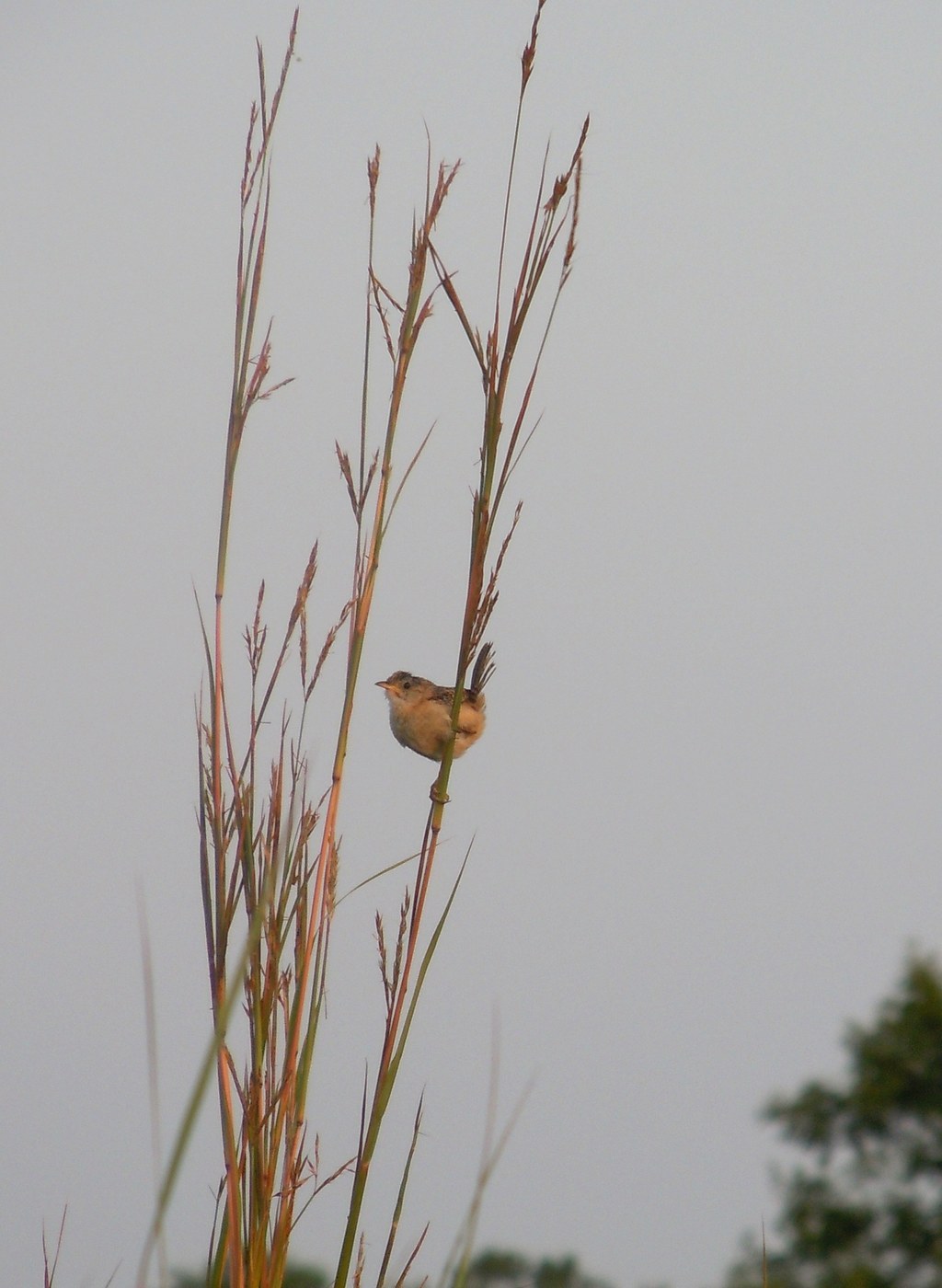
Sedge Wren
Tiny streaked crown and back feathers

Yellow-winged Cacique
Glossy black body feathers, yellow wing patch, shaggy crest

Yellow Warbler
Small contour and flight feathers
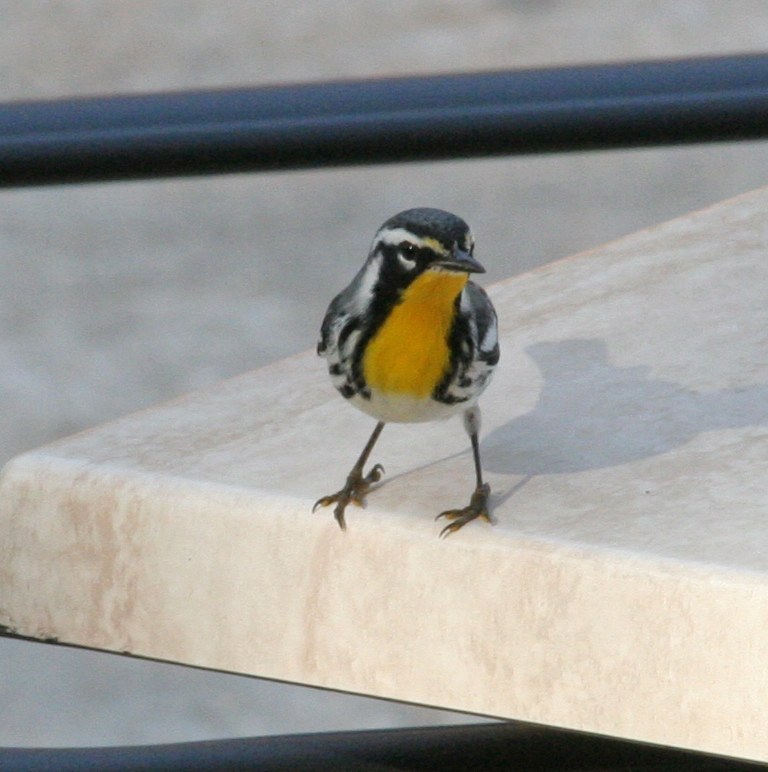
Yellow-throated Warbler
Small contour and flight feathers
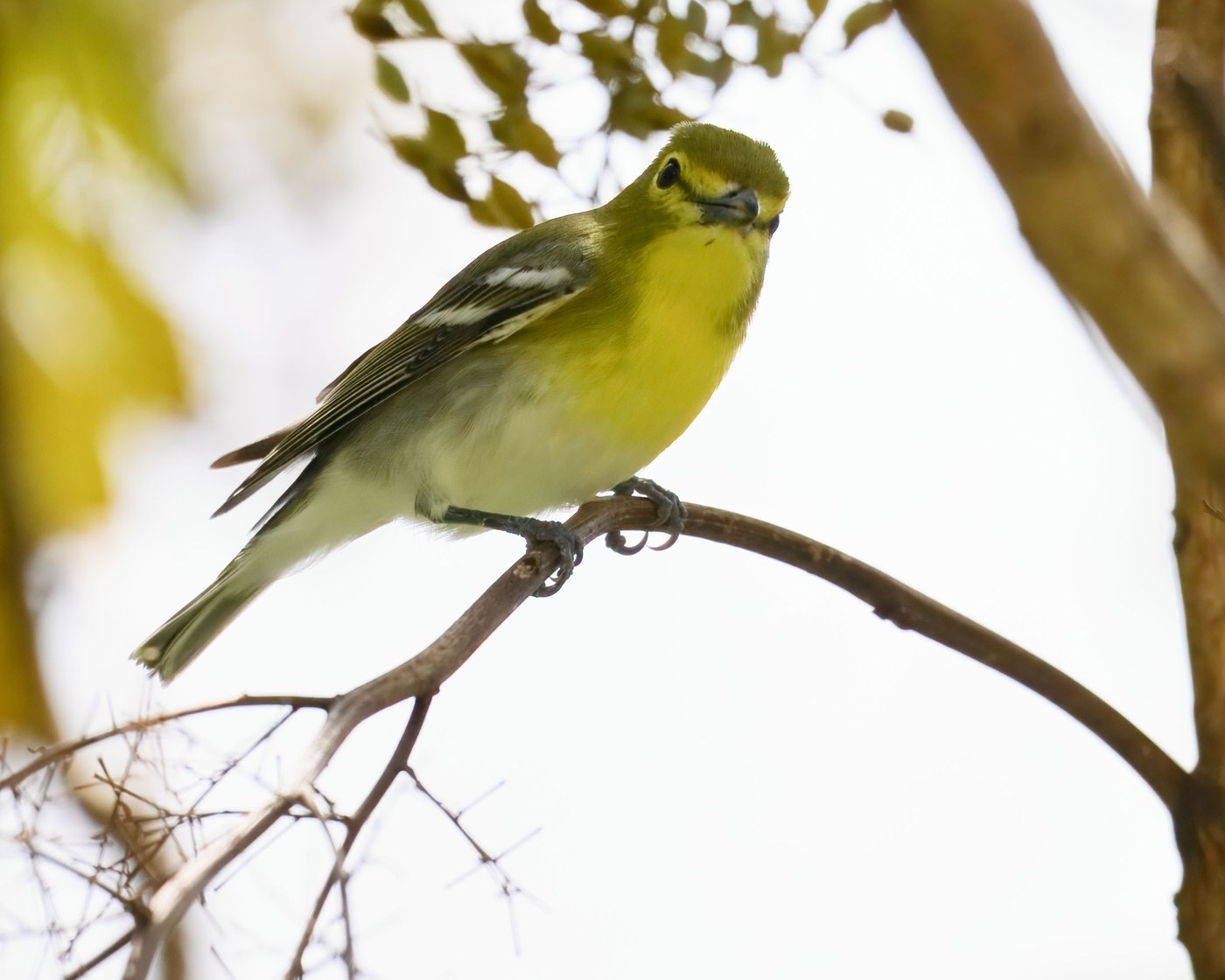
Yellow-throated Vireo
Bright yellow throat and spectacle feathers; olive-green back feathers; two white wing-bar feathers

Yellow-rumped Warbler
Small contour and flight feathers
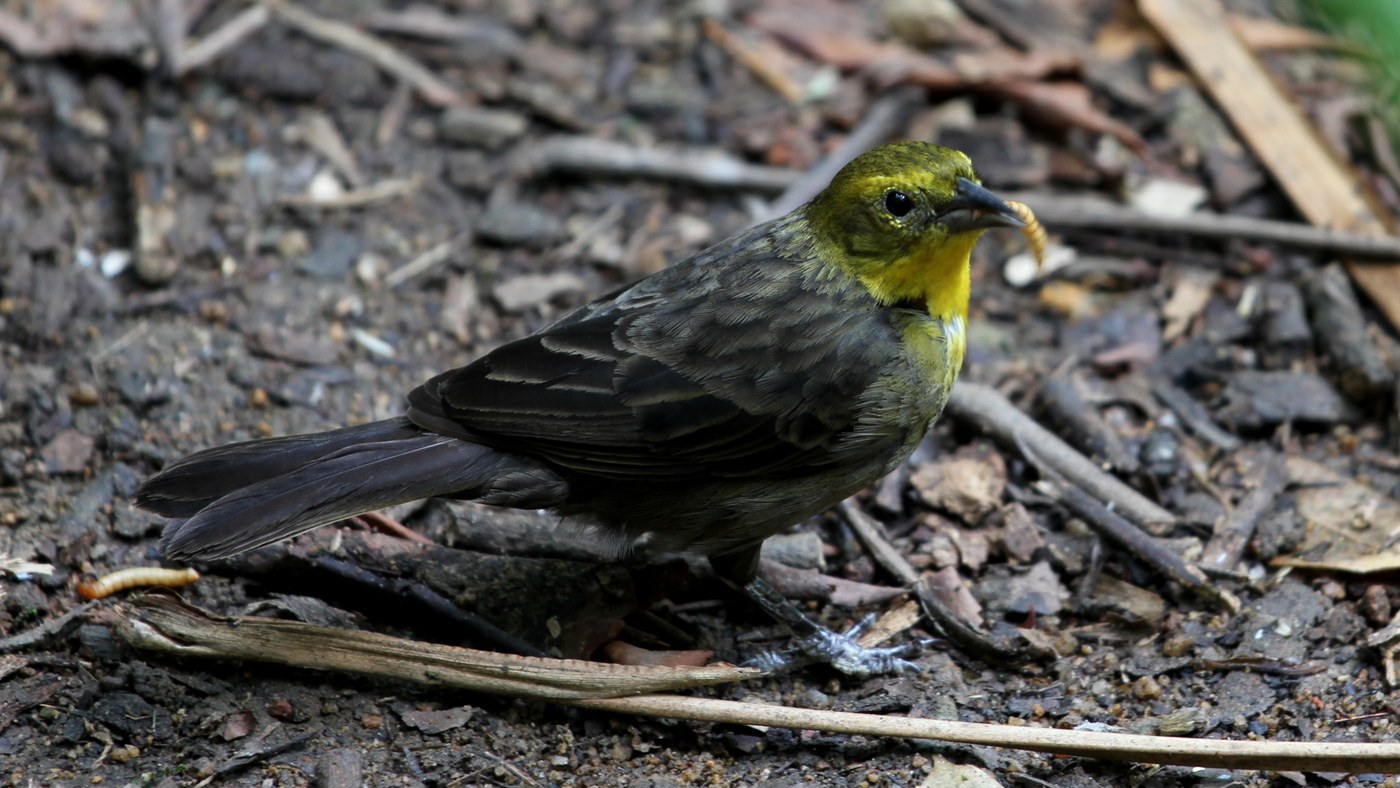
Yellow-hooded Blackbird
Contrasting hood and body feathers
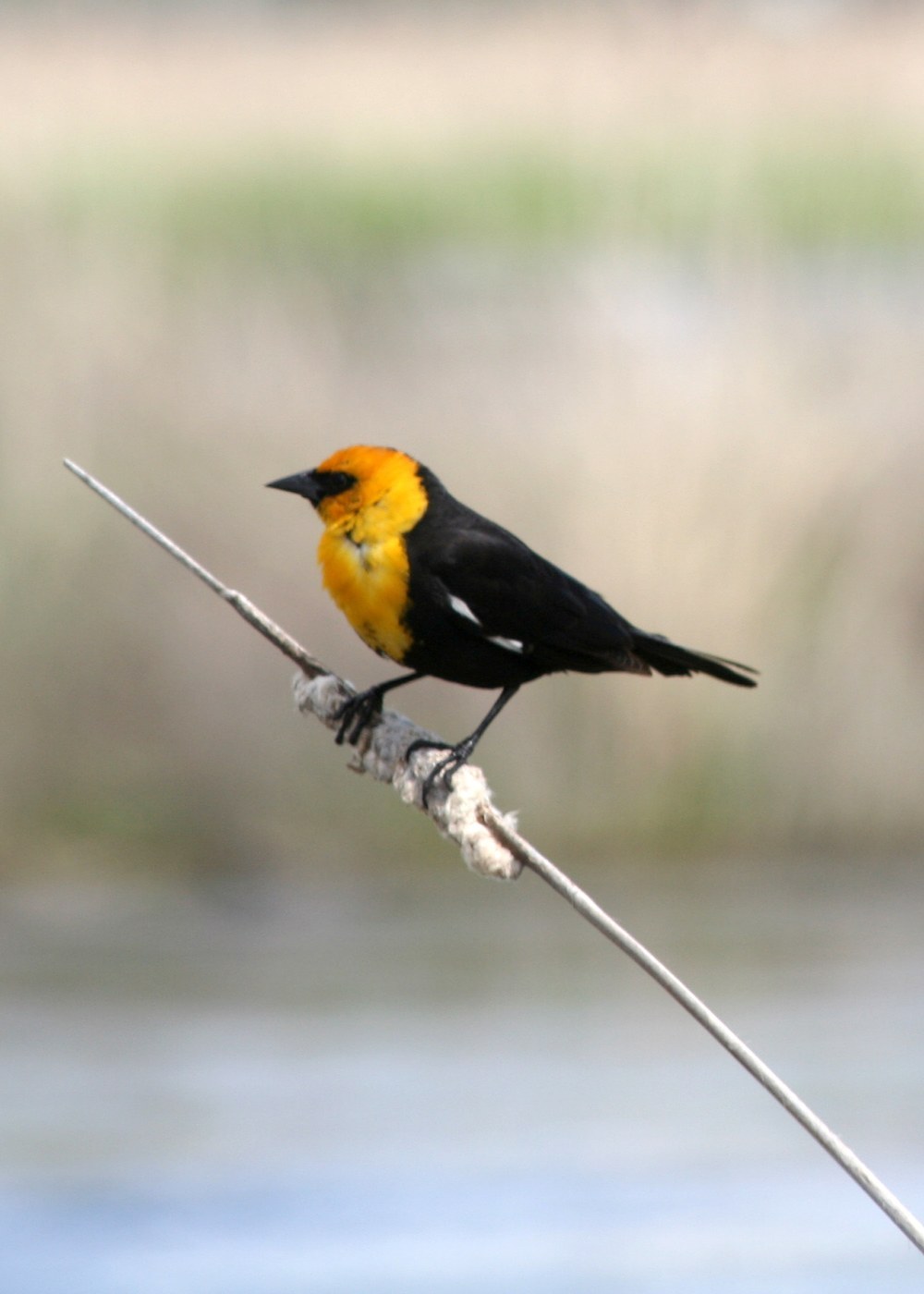
Yellow-headed Blackbird
Glossy black body plumage with a bright yellow head and breast

Yellow-eyed Junco
Contour and flight feathers

Yellow-fronted Canary
Small, smooth body plumage

Yellow-breasted Greenfinch
Compact, smooth body plumage