

Black-whiskered Vireo
Vireo altiloquus
The Black-whiskered Vireo closely resembles the Red-eyed Vireo but shows a distinctive dark malar stripe, and it favors coastal mangroves and hammocks in Florida and the Caribbean.
- Feather type
- Olive-brown back feathers; black malar-stripe feathers; plain wing feathers
- Colours
- Olive-brown upperparts, whitish underparts, distinct black malar stripe (whisker), pale eyebrow
- Bird size
- Sparrow-sized, ~15-16 cm
Found a feather like this?
Identify any feather from a photo, free.
Overview
Overview
The Black-whiskered Vireo breeds in coastal mangroves, hammocks, and adjacent woodland in Florida, the Caribbean, and parts of Central America, closely resembling its widespread relative the Red-eyed Vireo. The clearest distinguishing feature is a dark malar stripe, or "whisker," running below the cheek, which gives the species its name.
Otherwise similar in overall plain olive-and-white pattern, its feathers require close comparison with Red-eyed Vireo, focusing on the presence of the malar stripe and subtle differences in overall tone.
Identifying the Feather
Recognizing the Feathers
- Back feathers: olive-brown, slightly duller than the brighter olive-green of Red-eyed Vireo
- Face feathers: pale eyebrow stripe bordered by a dark eyeline, plus a distinct dark malar stripe below the cheek
- Underpart feathers: whitish, sometimes with a faint buffy or yellowish tone
- Wing feathers: plain, without wing bars
The presence of a distinct dark malar stripe below the cheek is the key feature separating this species from the very similar Red-eyed Vireo, which lacks this marking.
Plumage & Molt
Plumage
Sexes look alike, both showing olive-brown upperparts, whitish underparts, a pale eyebrow, and a distinctive black malar stripe. Immatures are similar to adults. There is no strong seasonal plumage change, with a single complete molt after breeding.
Habitat & Range
Habitat & Range
This vireo breeds in coastal mangroves, hammocks, and adjacent woodland in southern Florida, throughout much of the Caribbean, and locally in parts of Central America. Northern populations migrate to winter in South America.
Behavior & Field Notes
Behavior & Field Notes
Black-whiskered Vireos forage in mangrove and hammock canopy, gleaning insects in a manner very similar to the Red-eyed Vireo. Nests are cup-shaped and suspended from a forked branch, often within mangrove vegetation. Its song closely resembles that of the Red-eyed Vireo, consisting of short, repeated phrases delivered persistently through the day.
Frequently asked questions
How can I tell Black-whiskered Vireo feathers from Red-eyed Vireo feathers?
Look for a distinct dark malar stripe below the cheek in Black-whiskered Vireo, a feature absent in Red-eyed Vireo, along with a slightly duller, more brownish back tone.
What habitat is this species associated with?
Coastal mangroves, hammocks, and adjacent woodland in southern Florida, the Caribbean, and locally in Central America.
Does this species migrate?
Northern breeding populations migrate to winter in South America, while some southern populations may be more resident.
How does its song compare to the Red-eyed Vireo's?
It is very similar, consisting of short, repeated phrases delivered persistently, making voice alone an unreliable way to separate the two species.
Black-whiskered Vireo guides
In-depth guides for identifying and understanding Black-whiskered Vireo.

Other feathers you may enjoy

Yellow-breasted Bunting
Contour and flight feathers, chestnut-and-yellow breeding pattern
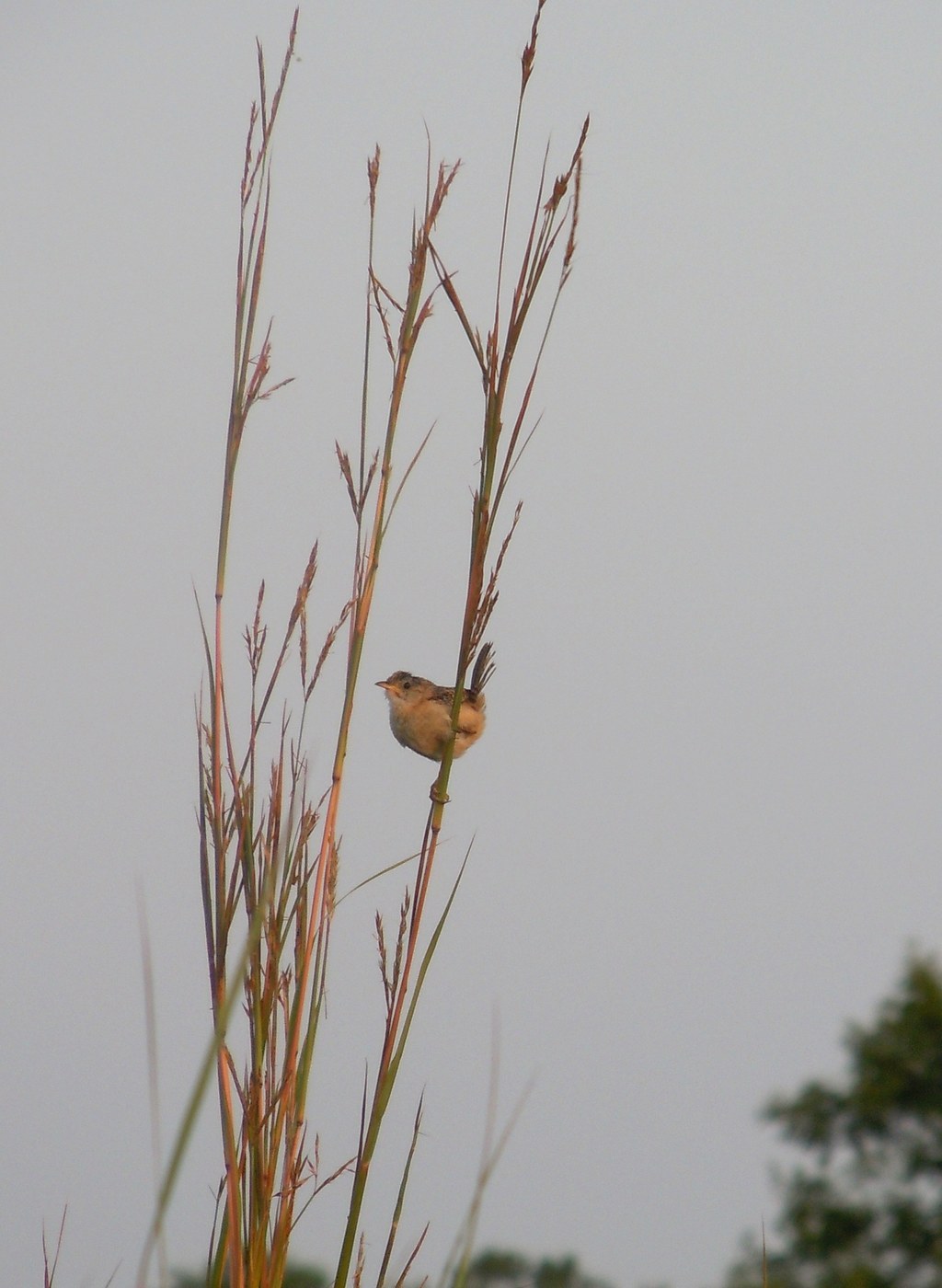
Sedge Wren
Tiny streaked crown and back feathers

Yellow-winged Cacique
Glossy black body feathers, yellow wing patch, shaggy crest

Yellow Warbler
Small contour and flight feathers
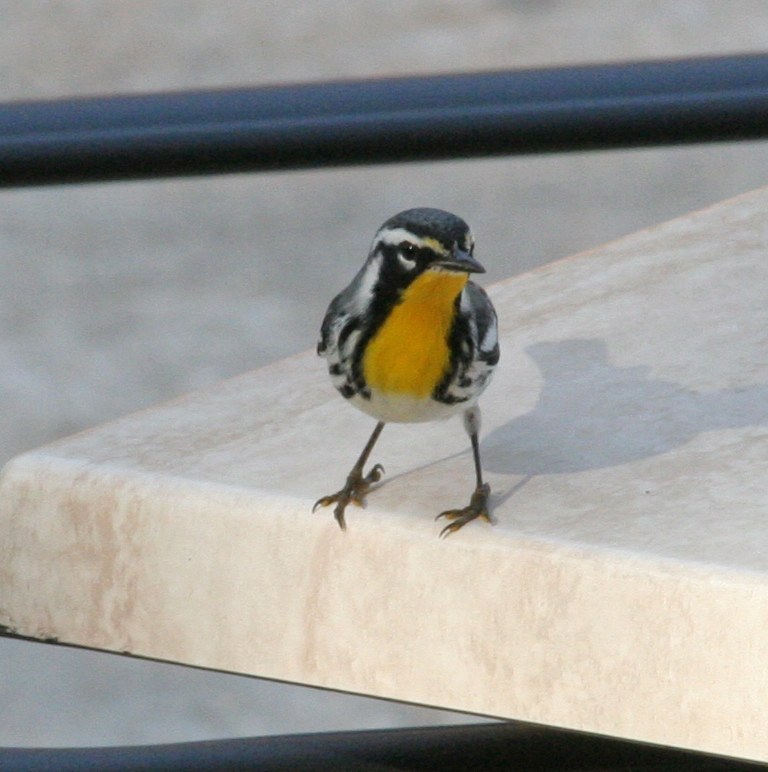
Yellow-throated Warbler
Small contour and flight feathers
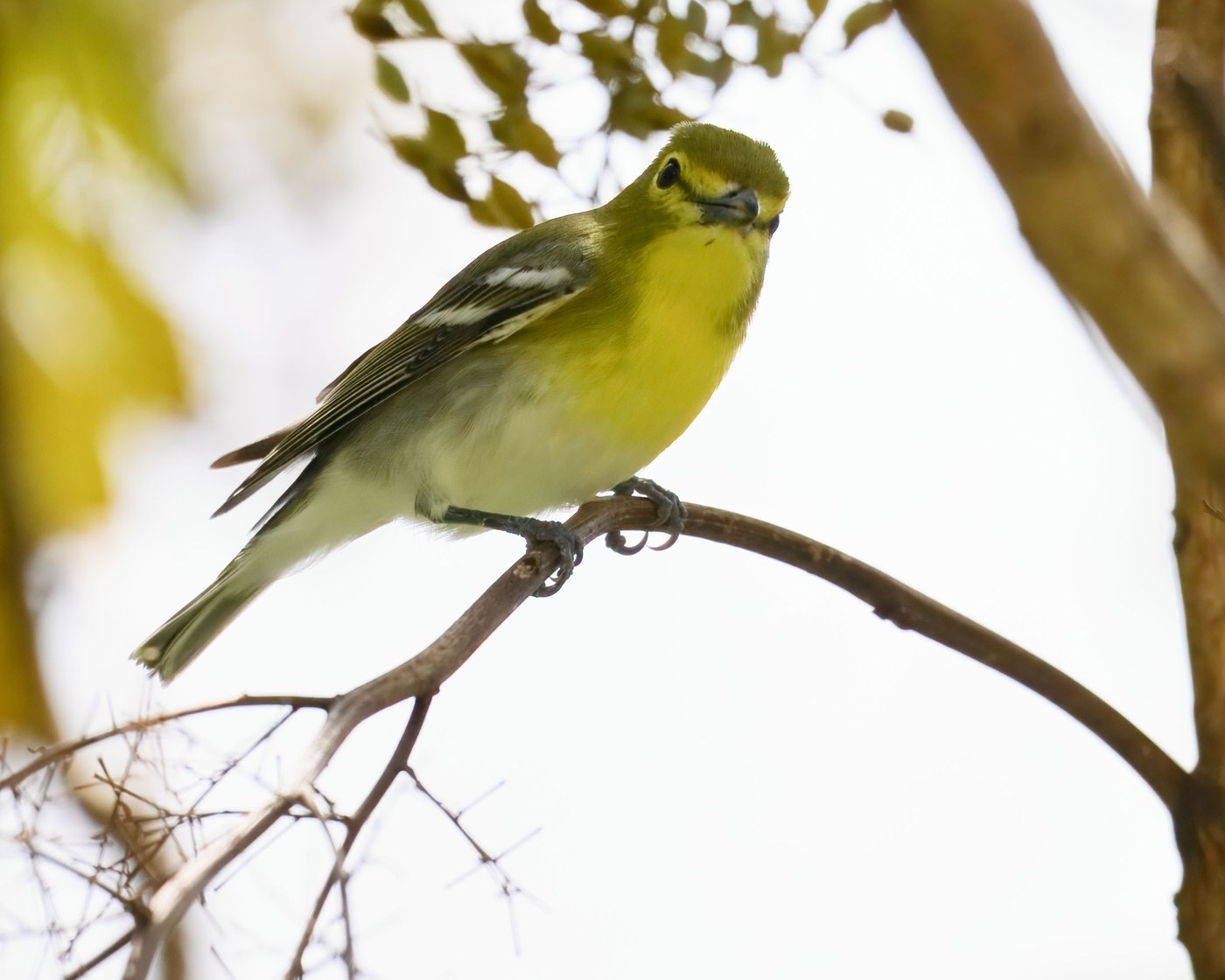
Yellow-throated Vireo
Bright yellow throat and spectacle feathers; olive-green back feathers; two white wing-bar feathers

Yellow-rumped Warbler
Small contour and flight feathers
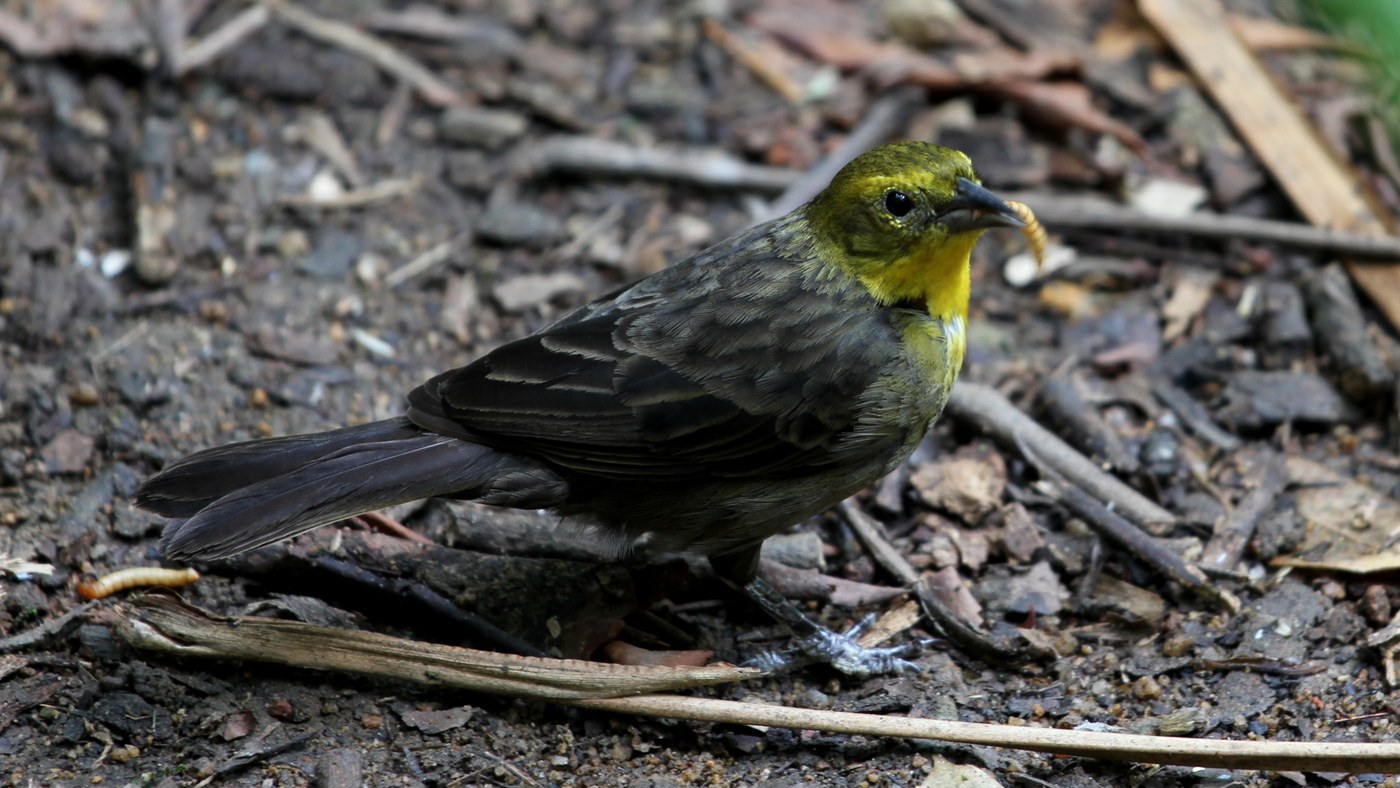
Yellow-hooded Blackbird
Contrasting hood and body feathers
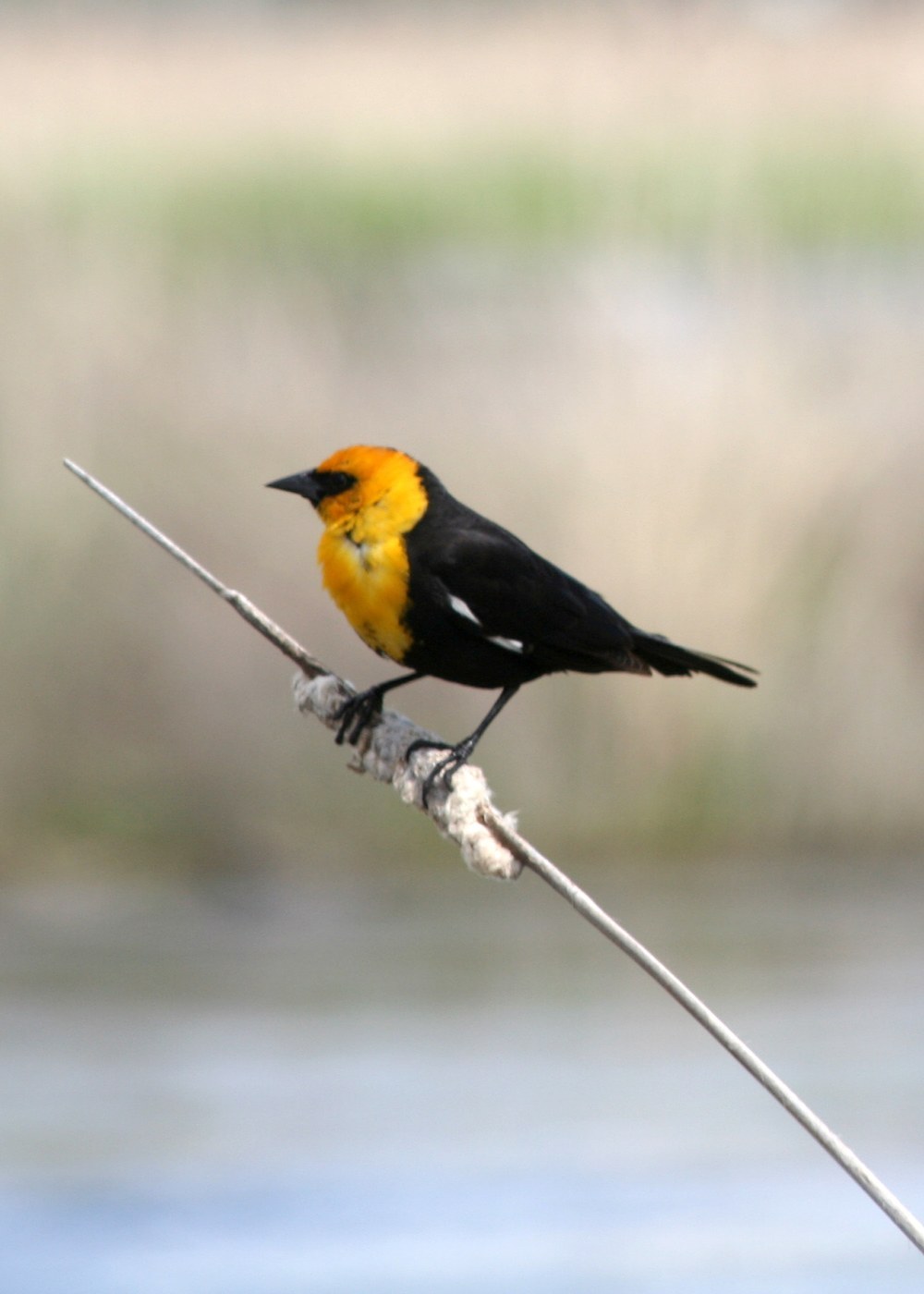
Yellow-headed Blackbird
Glossy black body plumage with a bright yellow head and breast

Yellow-eyed Junco
Contour and flight feathers

Yellow-fronted Canary
Small, smooth body plumage

Yellow-breasted Greenfinch
Compact, smooth body plumage