

Blackburnian Warbler
Setophaga fusca
A small wood-warbler with a vivid orange throat and face set against black facial markings, breeding high in mature conifer canopy.
- Feather type
- Small contour and flight feathers
- Colours
- Fiery orange throat and face with a black-and-white streaked back
- Bird size
- Small, ~11-12 cm
Found a feather like this?
Identify any feather from a photo, free.
Overview
The Blackburnian Warbler is a small wood-warbler renowned for the brilliant orange throat and face of the breeding male, one of the most vividly colored patterns among North American warblers. It breeds in mature coniferous and mixed forest across Canada and the northeastern United States and Appalachians, wintering in montane forests of the Andes in South America. It typically forages high in the forest canopy, making it a challenging bird to view well.
Identifying the Feather
Breeding male throat and face feathers are a vivid burnt-orange, bordered by bold black facial markings including a black crown patch and black cheek patch. The back is black with white streaking, and the wings show a large white patch formed by the coverts. Females and immatures show a much paler yellow-orange throat and a grayer, less contrasting face pattern, but retain the same overall black-and-white streaked back and wing pattern, useful for identification even when the throat color is muted.
Plumage & Molt
Breeding males show the most saturated orange throat and blackest facial pattern of the species' plumages. Females are duller with a pale yellow-orange throat and grayish-olive face markings. Immatures in fall are the plainest, with a washed-out yellowish throat and buffy wingbars rather than a solid white patch. A single complete molt occurs on the breeding grounds.
Habitat & Range
Blackburnian Warblers breed in mature coniferous and mixed forest, favoring tall spruce, fir, and hemlock stands, across Canada, the northeastern United States, and the Appalachian Mountains. They winter in montane forest habitats of the Andes from Colombia to Peru and Bolivia.
Behavior & Field Notes
This species forages high in the forest canopy for insects, gleaning from twigs and needle clusters, which can make it difficult to observe from the ground. Its song is a very high, thin series of notes, sometimes at the upper edge of human hearing. Nests are built high in conifers, often far out on a horizontal branch. It is a long-distance nocturnal migrant between North American breeding grounds and Andean wintering areas.
Frequently asked questions
How do I identify a Blackburnian Warbler feather?
Look for vivid orange throat and face feathers in males, paired with a black-and-white streaked back feather pattern retained across all ages and sexes.
Where does the Blackburnian Warbler spend the winter?
It winters in montane forests of the Andes, from Colombia south to Peru and Bolivia.
Why is this species hard to see well?
It typically forages high in the forest canopy, often near the treetops, making close views difficult without looking almost straight up.
How do females differ from males?
Females show a much paler yellow-orange throat and a grayer face pattern compared to the vivid orange and black of breeding males.
Blackburnian Warbler guides
In-depth guides for identifying and understanding Blackburnian Warbler.

Other feathers you may enjoy

Yellow-breasted Bunting
Contour and flight feathers, chestnut-and-yellow breeding pattern
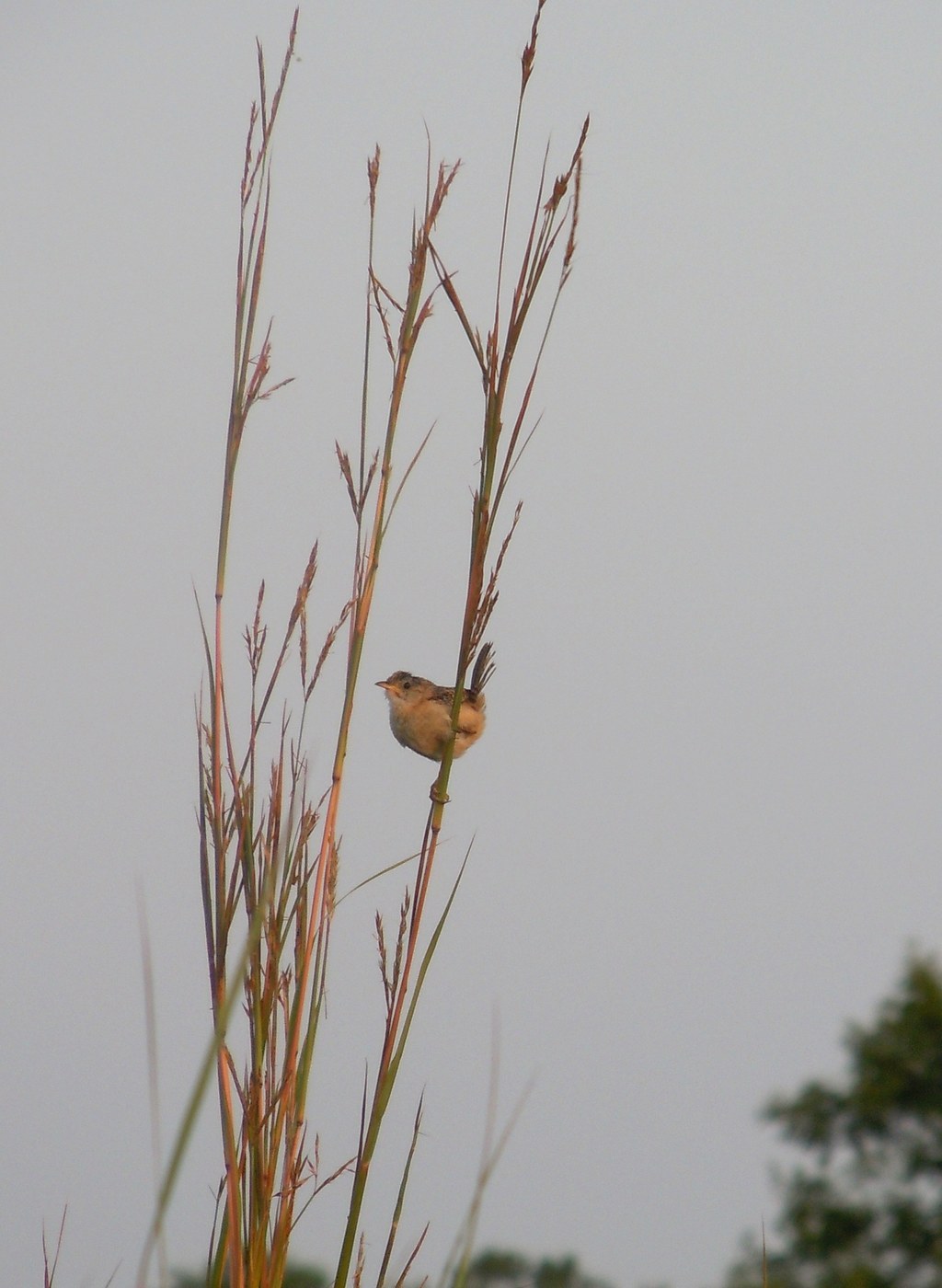
Sedge Wren
Tiny streaked crown and back feathers

Yellow-winged Cacique
Glossy black body feathers, yellow wing patch, shaggy crest

Yellow Warbler
Small contour and flight feathers
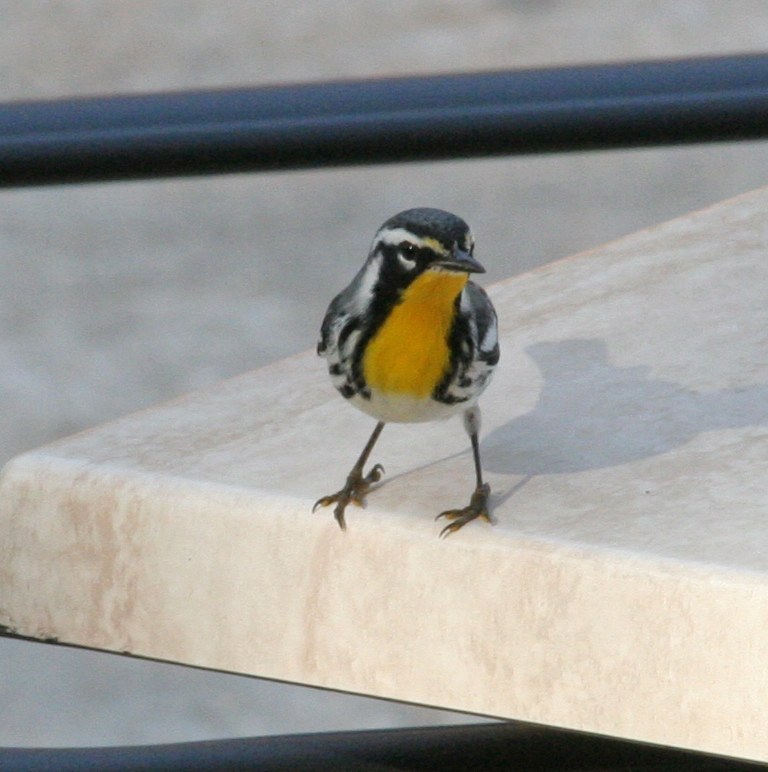
Yellow-throated Warbler
Small contour and flight feathers
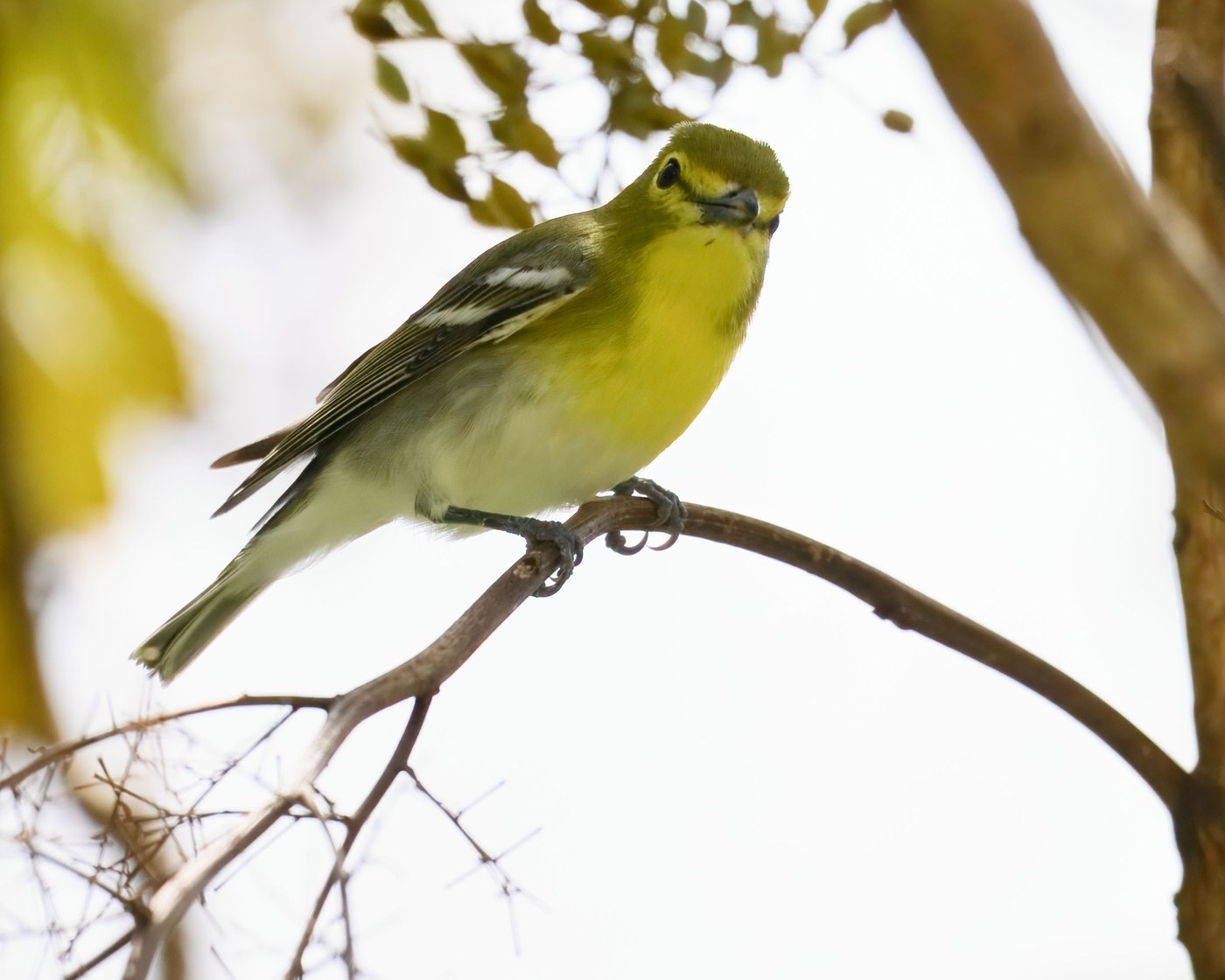
Yellow-throated Vireo
Bright yellow throat and spectacle feathers; olive-green back feathers; two white wing-bar feathers

Yellow-rumped Warbler
Small contour and flight feathers
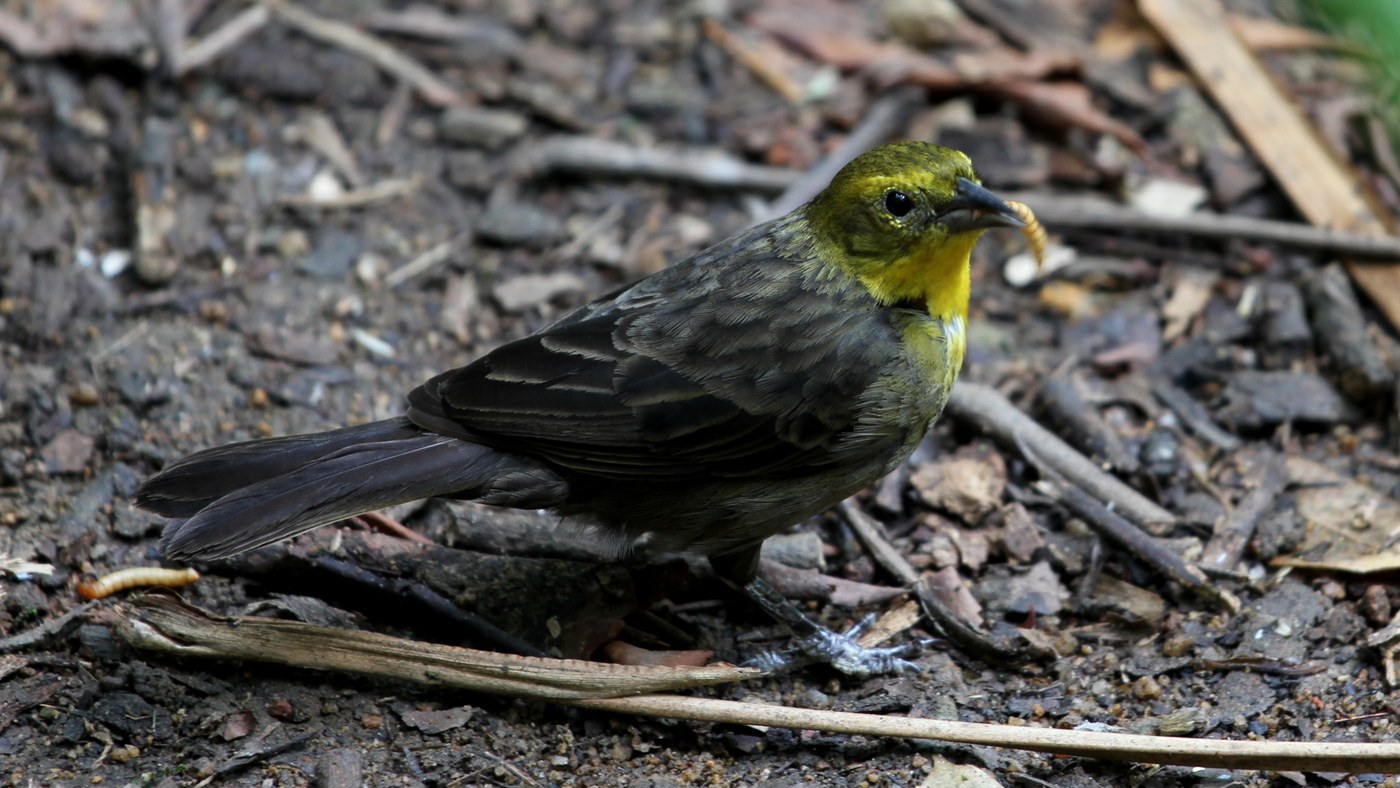
Yellow-hooded Blackbird
Contrasting hood and body feathers
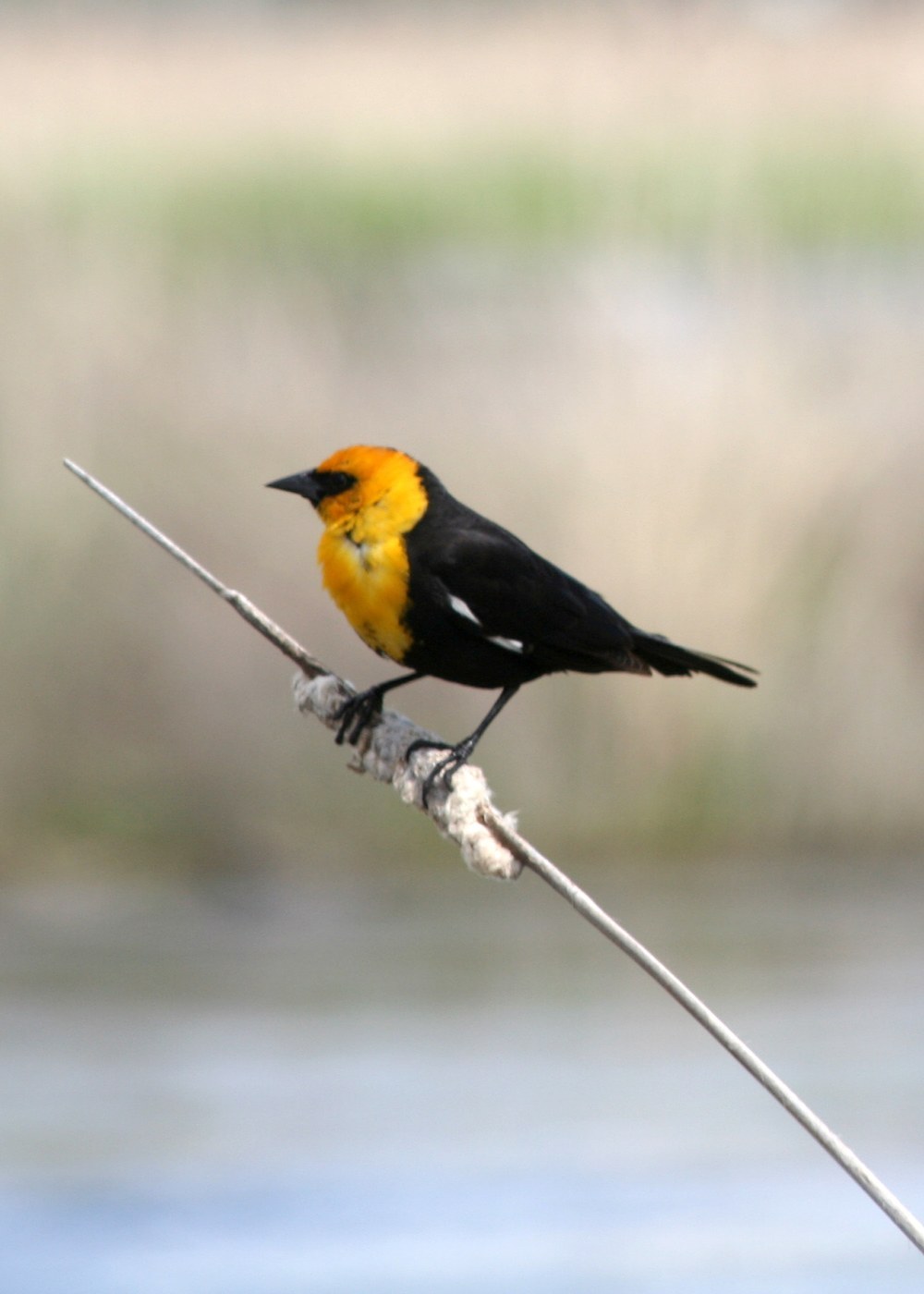
Yellow-headed Blackbird
Glossy black body plumage with a bright yellow head and breast

Yellow-eyed Junco
Contour and flight feathers

Yellow-fronted Canary
Small, smooth body plumage

Yellow-breasted Greenfinch
Compact, smooth body plumage