

Blackpoll Warbler
Setophaga striata
A small wood-warbler famous for its extremely long migratory flights, showing a black cap and white cheeks in breeding males and a plainer streaked plumage in fall.
- Feather type
- Small contour and flight feathers
- Colours
- Black cap and white cheeks with black streaking in breeding males; olive-streaked with pale legs in fall
- Bird size
- Small, ~14 cm
Found a feather like this?
Identify any feather from a photo, free.
Overview
The Blackpoll Warbler breeds across the boreal spruce forest of Canada and Alaska, extending into the northeastern United States at higher elevations, and is well known for undertaking one of the longest migratory journeys of any North American songbird to reach its wintering grounds in South America. Breeding males show a crisp black cap contrasting with white cheeks and black-streaked upperparts, while fall birds are much drabber and can be confusingly similar to several other streaked warblers.
Identifying the Feather
Breeding male crown feathers are solid black, contrasting with white cheek and throat feathers and black streaking along the back and flanks. Wingbars are white and prominent. In fall, both sexes and immatures molt into a plainer olive-green plumage with fine dark streaking on the back and pale, unstreaked or lightly streaked underparts; the legs remain a pale orangish-yellow year-round, a key feature separating it from the similar Bay-breasted Warbler, which typically shows darker legs.
Plumage & Molt
Breeding males show the boldest black-and-white head pattern. Breeding females are duller, with a grayer crown and less contrast than males. Fall adults and immatures are the plainest, appearing olive-streaked above and pale below, requiring careful attention to leg color and streaking pattern for identification. A single complete molt occurs on the breeding grounds before the long southward migration.
Habitat & Range
This species breeds in boreal spruce forest across a broad swath of Canada and Alaska, with an isolated population in mountain spruce-fir forest of the northeastern United States. It winters in forests of northern and central South America, reached via one of the longest nonstop overwater migratory flights known among songbirds.
Behavior & Field Notes
Blackpoll Warblers forage for insects in the mid to upper canopy of coniferous forest. The male's song is an extremely high-pitched, unvarying series of notes, often near the upper limit of human hearing. Before migration, individuals accumulate substantial fat reserves to fuel their long journey. Nests are built low in dense conifers. The species is renowned among ornithologists for its remarkable long-distance migratory strategy.
Frequently asked questions
How do I identify a Blackpoll Warbler feather?
Breeding male feathers show a solid black cap and white cheek, while fall plumage feathers are plainer olive with fine streaking; pale orangish-yellow legs help confirm identification year-round.
How does the Blackpoll Warbler differ from the Bay-breasted Warbler in fall?
The Blackpoll typically has paler, yellowish legs, while the Bay-breasted usually shows darker legs and a buffy wash on the flanks and undertail.
What is notable about this species' migration?
It undertakes one of the longest migratory flights of any songbird, traveling from North America to wintering grounds in South America.
Where does the Blackpoll Warbler breed?
It breeds in boreal spruce forest across Canada and Alaska, with an isolated mountain population in the northeastern United States.
Blackpoll Warbler guides
In-depth guides for identifying and understanding Blackpoll Warbler.

Other feathers you may enjoy

Yellow-breasted Bunting
Contour and flight feathers, chestnut-and-yellow breeding pattern
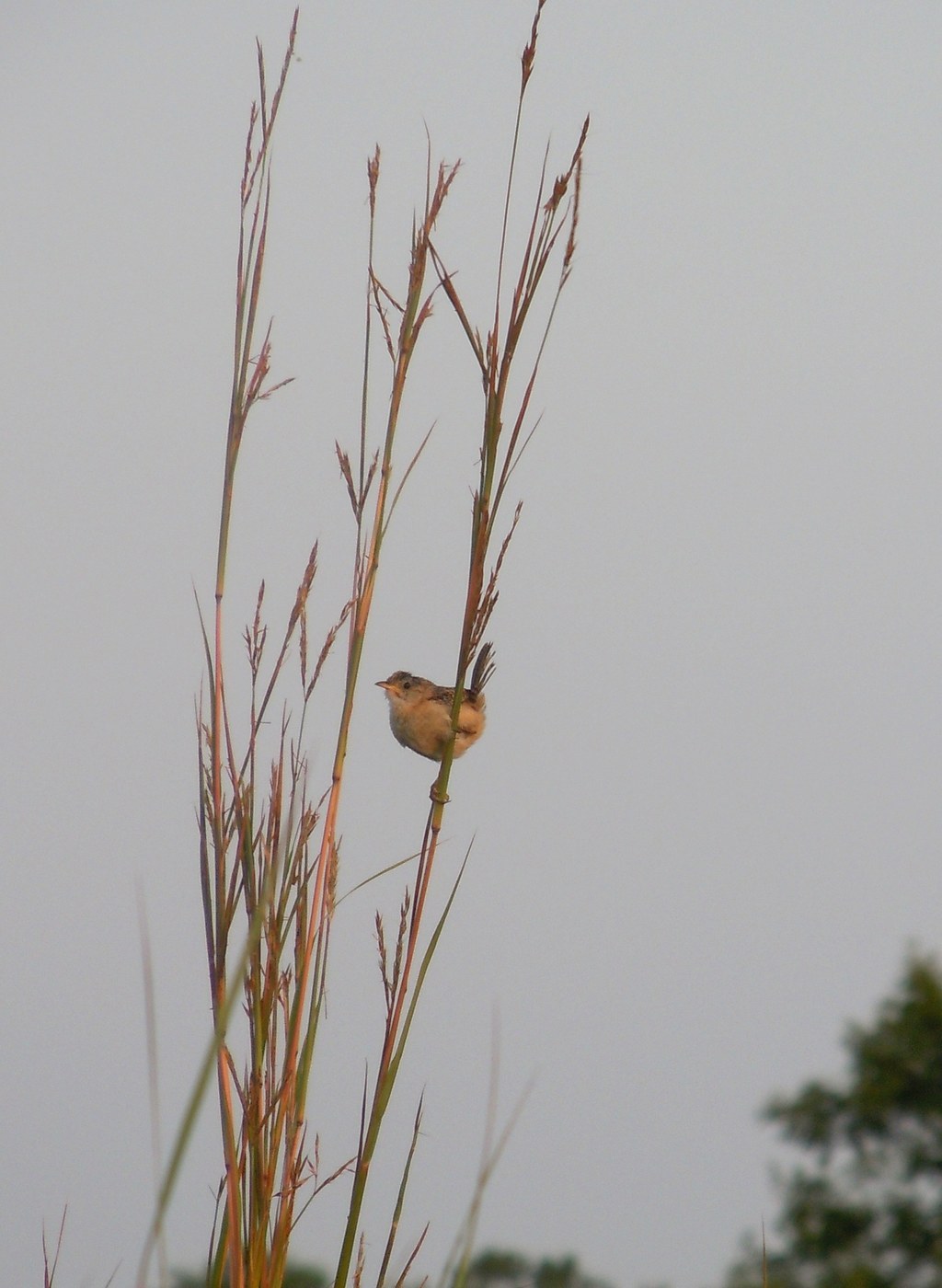
Sedge Wren
Tiny streaked crown and back feathers

Yellow-winged Cacique
Glossy black body feathers, yellow wing patch, shaggy crest

Yellow Warbler
Small contour and flight feathers
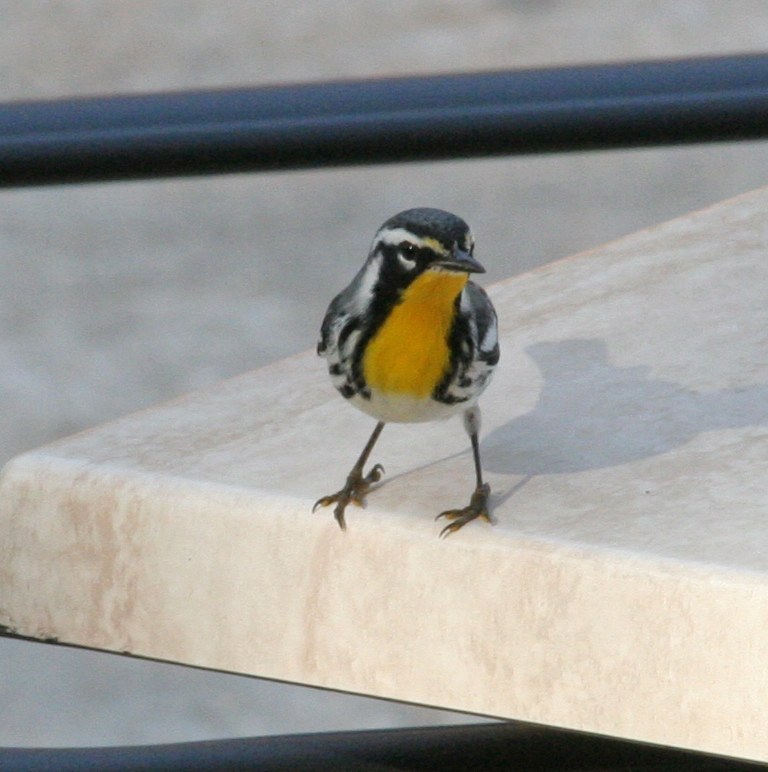
Yellow-throated Warbler
Small contour and flight feathers
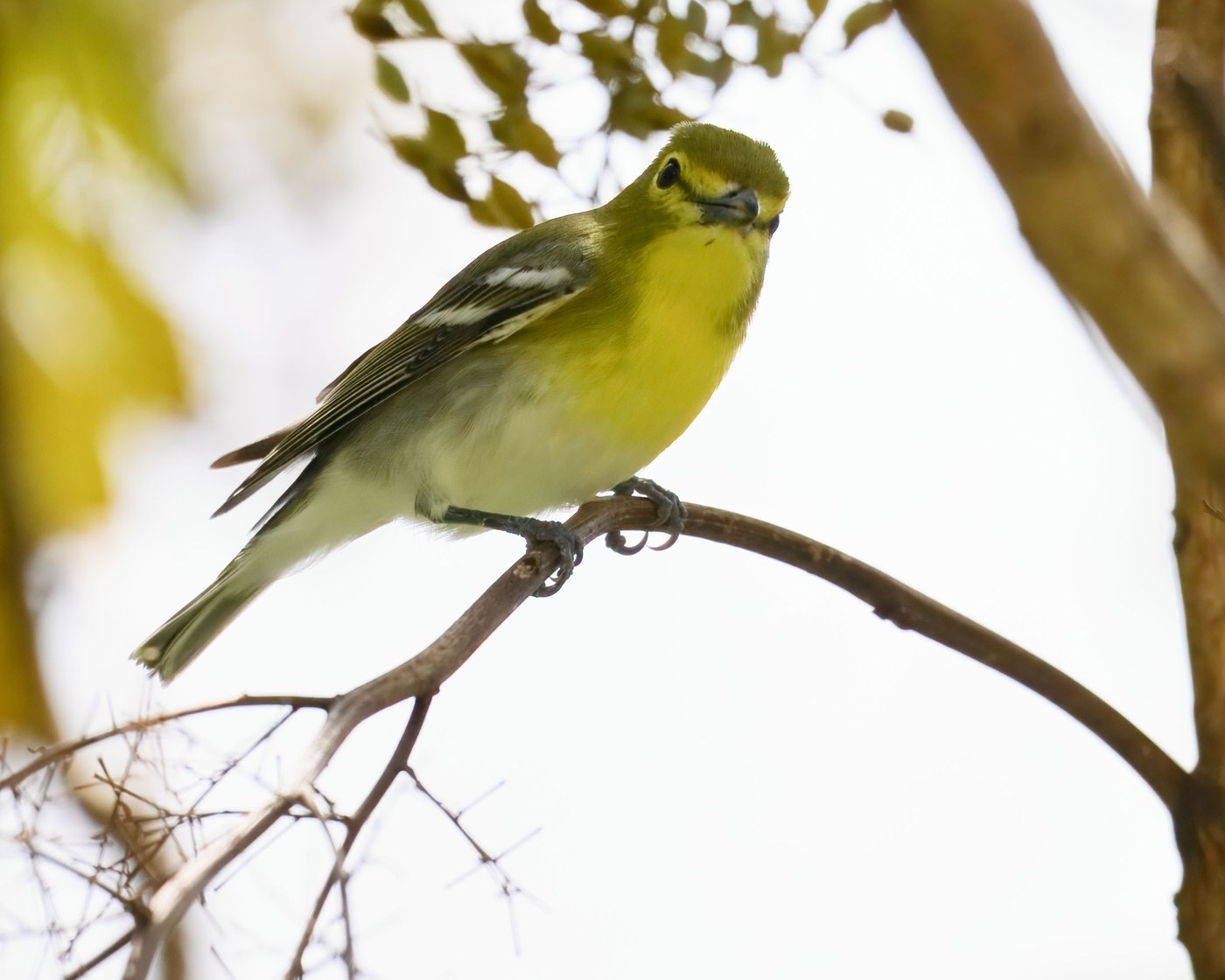
Yellow-throated Vireo
Bright yellow throat and spectacle feathers; olive-green back feathers; two white wing-bar feathers

Yellow-rumped Warbler
Small contour and flight feathers
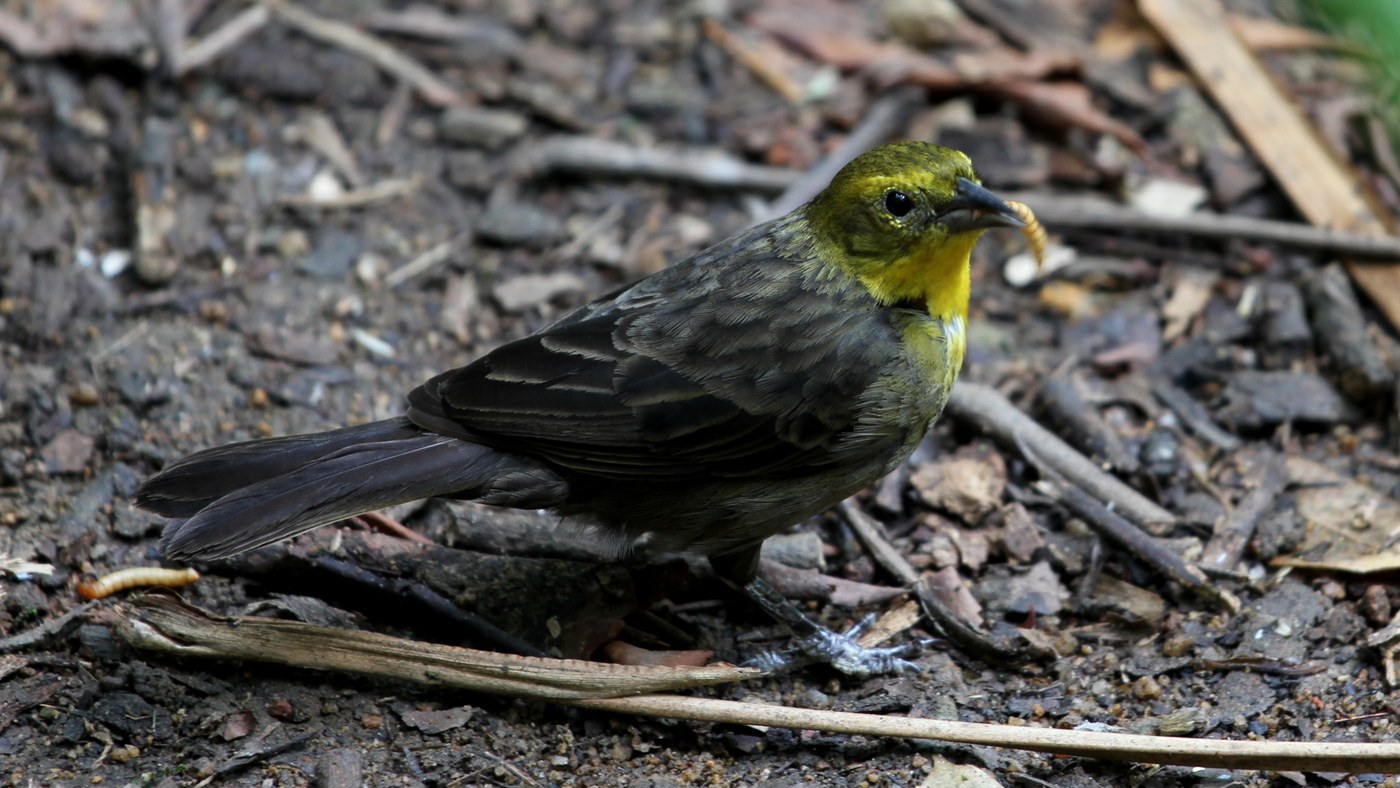
Yellow-hooded Blackbird
Contrasting hood and body feathers
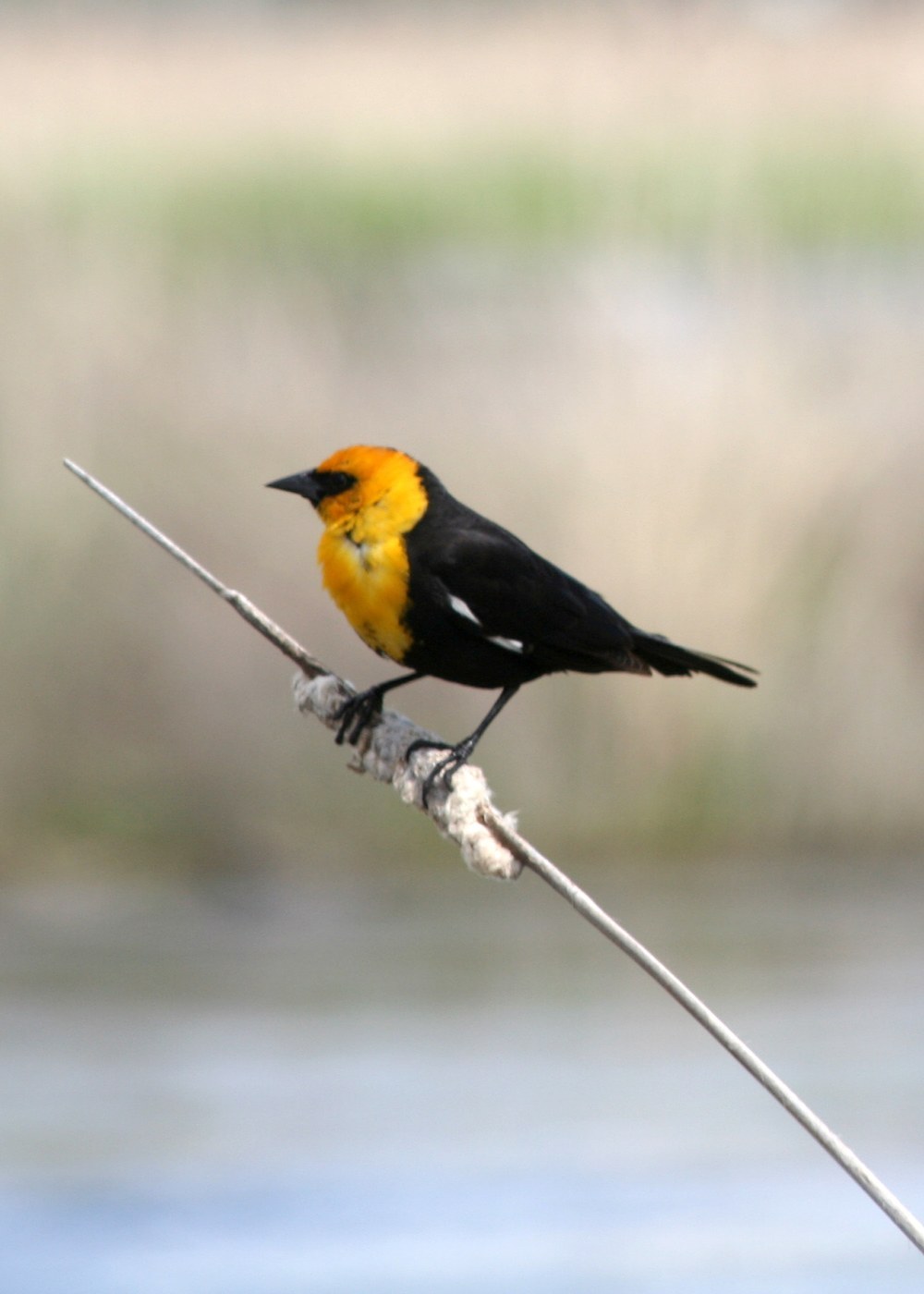
Yellow-headed Blackbird
Glossy black body plumage with a bright yellow head and breast

Yellow-eyed Junco
Contour and flight feathers

Yellow-fronted Canary
Small, smooth body plumage

Yellow-breasted Greenfinch
Compact, smooth body plumage