
Blue-footed Booby
Sula nebouxii
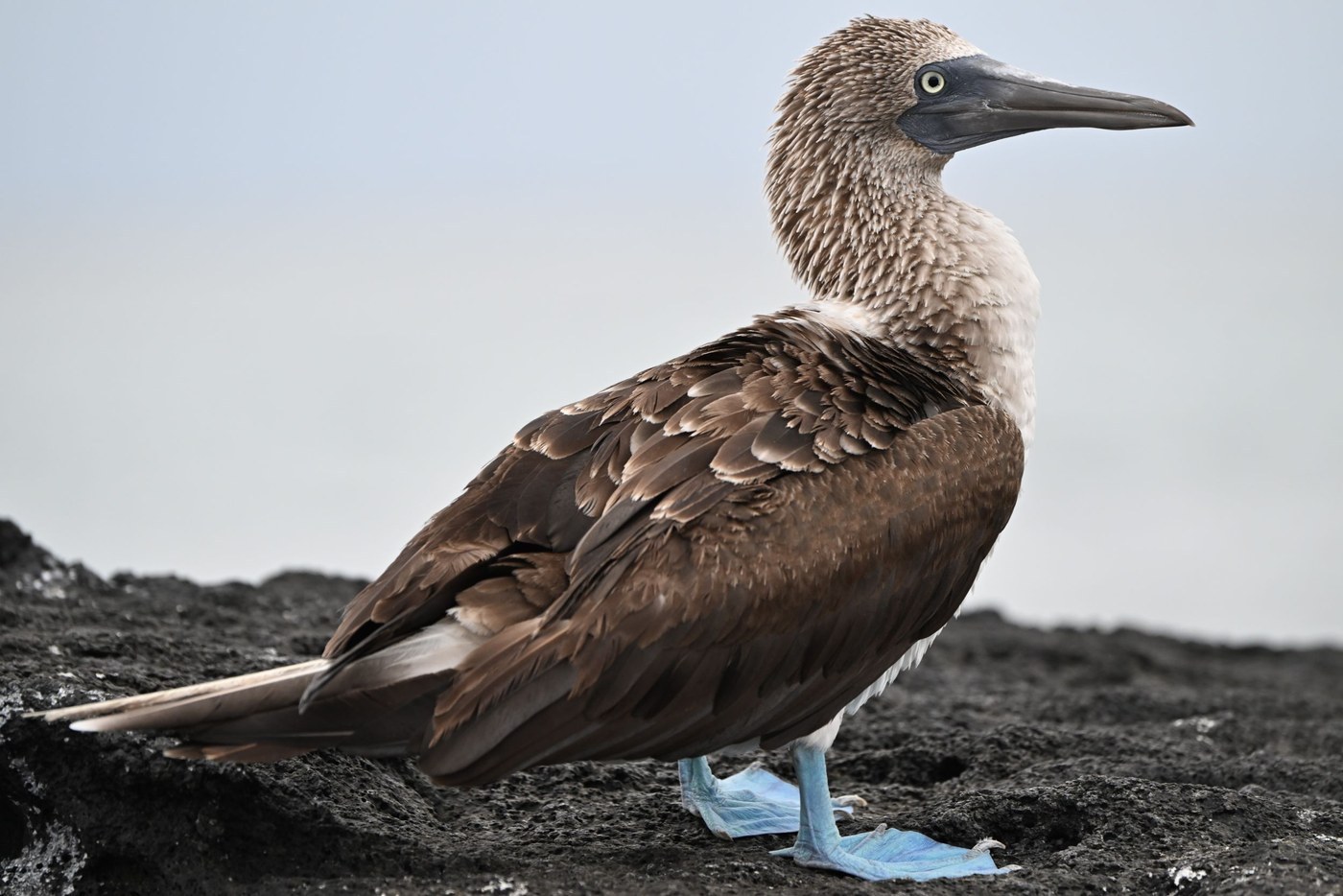
A tropical seabird best known for its bright blue feet, with brown mottled upperparts, streaked head and neck, and a clean white belly.
- Feather type
- Sturdy flight feathers and mottled body plumage
- Colours
- Brown mottled upperparts, white belly, brown-streaked head
- Bird size
- Medium-large, ~80-84 cm
Found a feather like this?
Identify any feather from a photo, free.
Overview
Overview
The Blue-footed Booby is a tropical seabird of the eastern Pacific, widely recognized for its bright blue feet used in courtship display, though its plumage is also distinctive in its own right, with a brown mottled back and wings, a streaked brown-and-white head, and clean white underparts.
It nests in colonies on rocky and sandy islands, including well-known populations in the Galápagos, and is a strong plunge-diver that often forages in coordinated groups.
Identifying the Feather
Blue-footed Booby feathers show a mottled brown-and-white pattern rather than the sharply divided tones of some other boobies.
- Upperparts: Brown feathers with pale mottling or scaling, giving a somewhat textured look rather than a solid, uniform brown.
- Head and neck: Fine brown streaking over a paler base, distinct from the sharp dark hood of the Brown Booby.
- Underparts: Clean white belly and underwing coverts.
- In flight: A pale, whitish patch on the upper back/rump area is visible between the wings, forming a rough M-shape pattern across the back when the wings are spread.
- Compared to Brown Booby: Blue-footed Booby lacks the sharp, clean demarcation line across the breast seen in Brown Booby, instead showing more gradual streaking and mottling.
Plumage & Molt
Adults show brown, scaly-mottled upperparts, a finely streaked brown-and-white head and neck, and white underparts and underwing linings, with a pale patch visible on the back in flight. Sexes look similar, though there can be subtle differences in eye pupil size used in behavioral studies rather than plumage. Juveniles are more uniformly brownish with less defined head streaking, gradually acquiring the adult pattern over a couple of years.
Habitat & Range
Blue-footed Boobies breed on rocky and sandy islands along the Pacific coast from the Gulf of California south to Peru, with a well-known population in the Galápagos Islands. They forage over nearshore and offshore tropical and subtropical waters, generally remaining within relatively short distances of their breeding colonies year-round.
Behavior & Field Notes
This booby feeds by plunge-diving from moderate heights, often foraging in coordinated groups that follow schools of small fish close to the surface. Nesting occurs on bare ground in colonies, with elaborate foot-based courtship displays preceding egg-laying, and typically two eggs are laid with siblicide sometimes reducing brood size under poor conditions. Calls differ between the sexes, with males giving thin whistles and females giving harsher honking notes.
Frequently asked questions
What feather pattern is typical of a Blue-footed Booby?
Mottled or scaly brown upperparts combined with finely streaked brown-and-white head feathers and clean white underparts.
How does a Blue-footed Booby feather differ from a Brown Booby feather?
Blue-footed Booby shows more gradual streaking and mottling rather than the sharp, clean line dividing dark chest from white belly seen in Brown Booby.
Are juvenile Blue-footed Booby feathers different from adults?
Yes, juveniles appear more uniformly brownish with less distinct head streaking, developing the adult pattern gradually over roughly two years.
Where would a Blue-footed Booby feather likely be found?
Along the Pacific coast from the Gulf of California to Peru, including well-known colonies in the Galápagos Islands.
Blue-footed Booby guides
In-depth guides for identifying and understanding Blue-footed Booby.
Other feathers you may enjoy

Western Gull
Body, flight, and tail feathers
Glaucous Gull
Body, flight, and tail feathers

American Herring Gull
Body, flight, and tail feathers

Great Black-backed Gull
Body, flight, and tail feathers

Common Gull
Body, flight, and tail feathers
Iceland Gull
Body, flight, and tail feathers

Ring-billed Gull
Body, flight, and tail feathers

Glaucous-winged Gull
Body, flight, and tail feathers

Herring Gull
Body, flight, and tail feathers

Lesser Black-backed Gull
Body, flight, and tail feathers

California Gull
Body, flight, and tail feathers
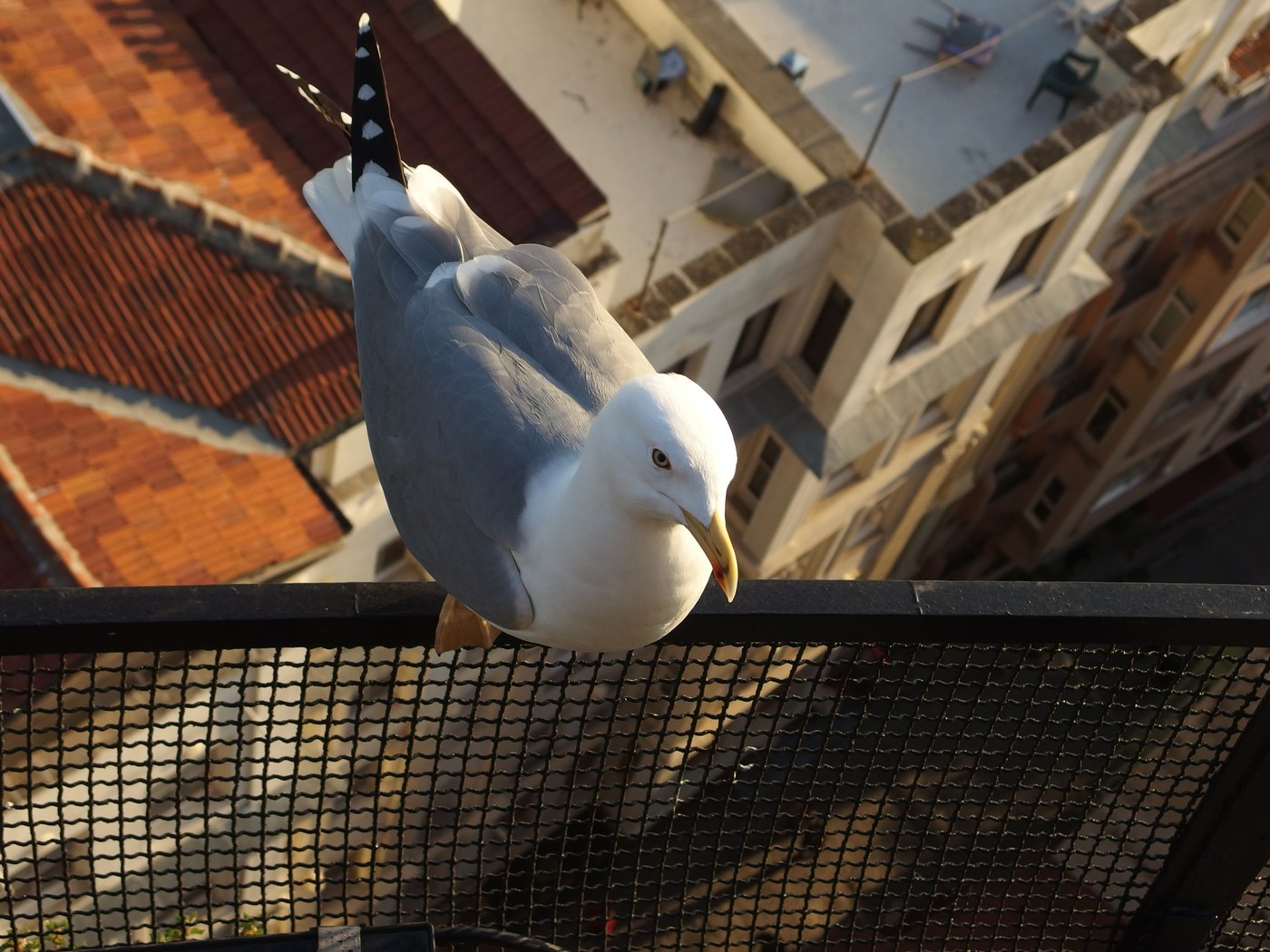
Yellow-legged Gull
Body, wing covert, and flight feathers