
Blue-headed Vireo
Vireo solitarius
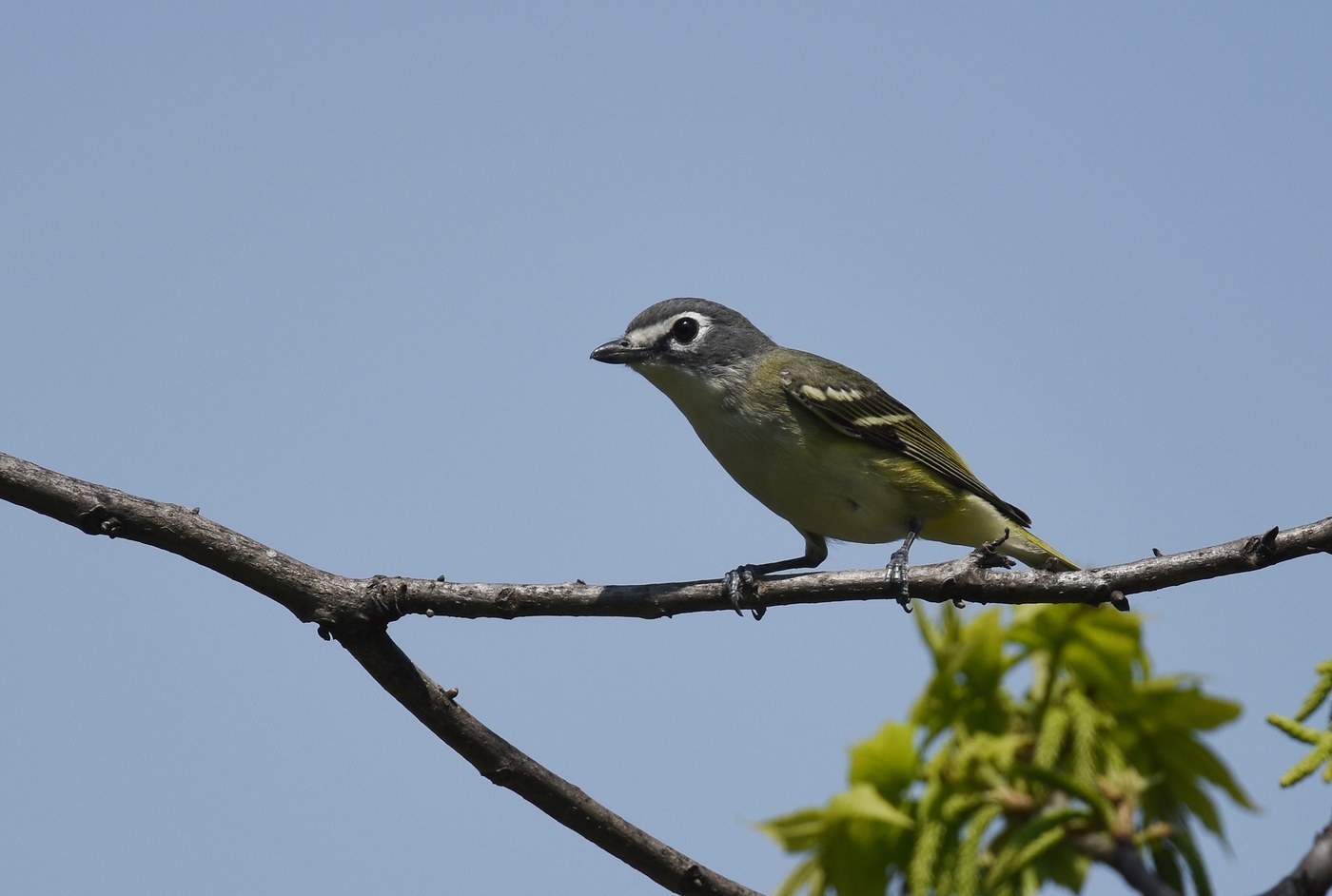
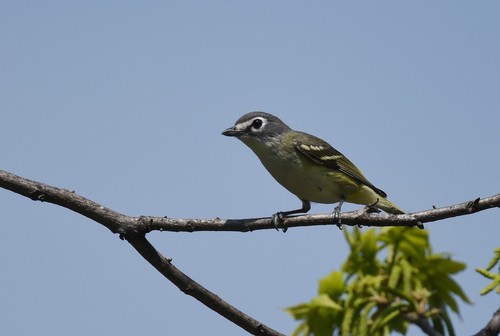
The Blue-headed Vireo shows a contrasting blue-gray head, bold white spectacles, and white wing bars, making it one of the more readily identified vireos.
- Feather type
- Blue-gray head feathers; bold white spectacle feathers; two white wing-bar feathers
- Colours
- Blue-gray head, bold white spectacles, olive-green back, white underparts with yellowish flanks
- Bird size
- Sparrow-sized, ~14 cm
Found a feather like this?
Identify any feather from a photo, free.
Overview
Overview
The Blue-headed Vireo breeds in coniferous and mixed forests across eastern Canada and the northeastern and Appalachian United States, wintering in the southeastern U.S. and into Mexico and Central America. It is part of a closely related group with Cassin's and Plumbeous Vireos, formerly considered a single species collectively known as the Solitary Vireo.
Its bold white spectacles and contrasting blue-gray head set it apart from plainer vireos, while comparison with Cassin's and Plumbeous Vireos requires attention to overall color saturation.
Identifying the Feather
Recognizing the Feathers
- Head feathers: blue-gray, contrasting sharply with the back
- Face feathers: bold white spectacles formed by a white eyering connected to white lores
- Back feathers: olive-green, unstreaked
- Underpart feathers: white with a yellowish wash on the flanks
- Wing feathers: dark with two crisp white wing bars, often edged with yellowish-green
The sharp contrast between the blue-gray head and olive-green back, combined with bold white spectacles, distinguishes this species from the more uniformly gray Plumbeous Vireo and the intermediate Cassin's Vireo.
Plumage & Molt
Plumage
Sexes are similar, both showing a blue-gray head, olive-green back, bold white spectacles, and white underparts with yellowish flanks. Immatures are similar but with slightly duller head color. There is no strong seasonal plumage variation, with a single complete molt occurring after breeding.
Habitat & Range
Habitat & Range
This vireo breeds in coniferous and mixed forest across eastern Canada, the northeastern United States, and the Appalachian Mountains. It winters in the southeastern United States, Mexico, and parts of Central America, being a relatively short- to medium-distance migrant compared to many other vireos.
Behavior & Field Notes
Behavior & Field Notes
Blue-headed Vireos forage deliberately in mid-story and canopy foliage, often pausing between movements in a manner typical of vireos. Nests are cup-shaped and suspended from a forked branch, usually in conifers or mixed woodland. Its song consists of short, slow, deliberate phrases with pauses between them, distinguishing its cadence from the more continuous Red-eyed Vireo.
Frequently asked questions
How can I tell Blue-headed Vireo feathers from Plumbeous Vireo feathers?
Blue-headed Vireo shows a clear contrast between a blue-gray head and an olive-green back, while Plumbeous Vireo is more uniformly gray overall with little to no olive or yellow tones.
What about Cassin's Vireo?
Cassin's Vireo is intermediate between the two, showing a duller, less contrasting head-to-back transition and a lighter yellow wash than Blue-headed Vireo.
What is the most useful facial feature for identification?
The bold white spectacles, formed by a white eyering joined to white lores, are a strong and consistent field mark in this species.
Where does this species spend the breeding season?
In coniferous and mixed forests across eastern Canada, the northeastern United States, and the Appalachian Mountains.
Blue-headed Vireo guides
In-depth guides for identifying and understanding Blue-headed Vireo.
Other feathers you may enjoy

Yellow-breasted Bunting
Contour and flight feathers, chestnut-and-yellow breeding pattern
Sedge Wren
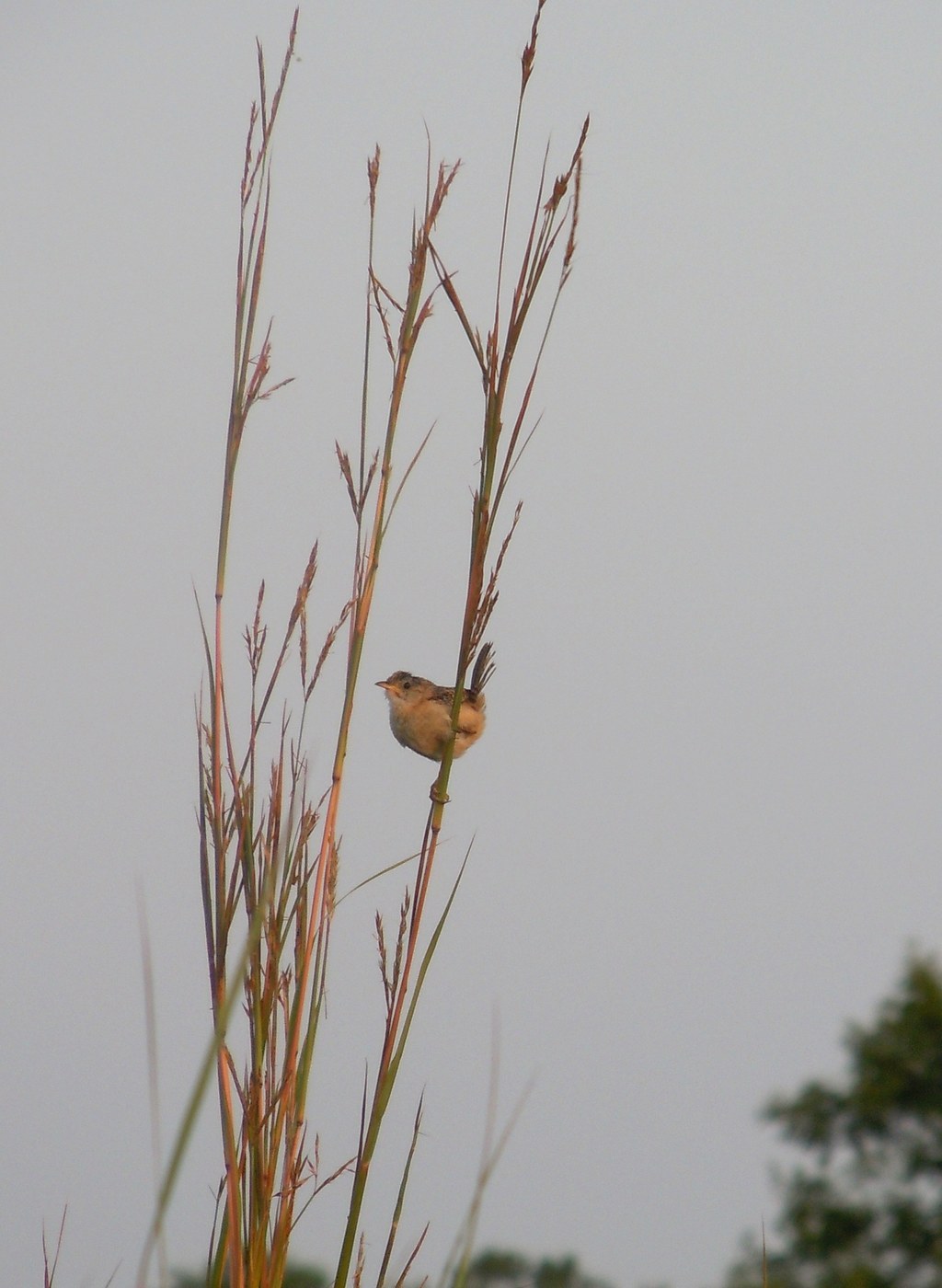
Tiny streaked crown and back feathers

Yellow-winged Cacique
Glossy black body feathers, yellow wing patch, shaggy crest

Yellow Warbler
Small contour and flight feathers
Yellow-throated Warbler
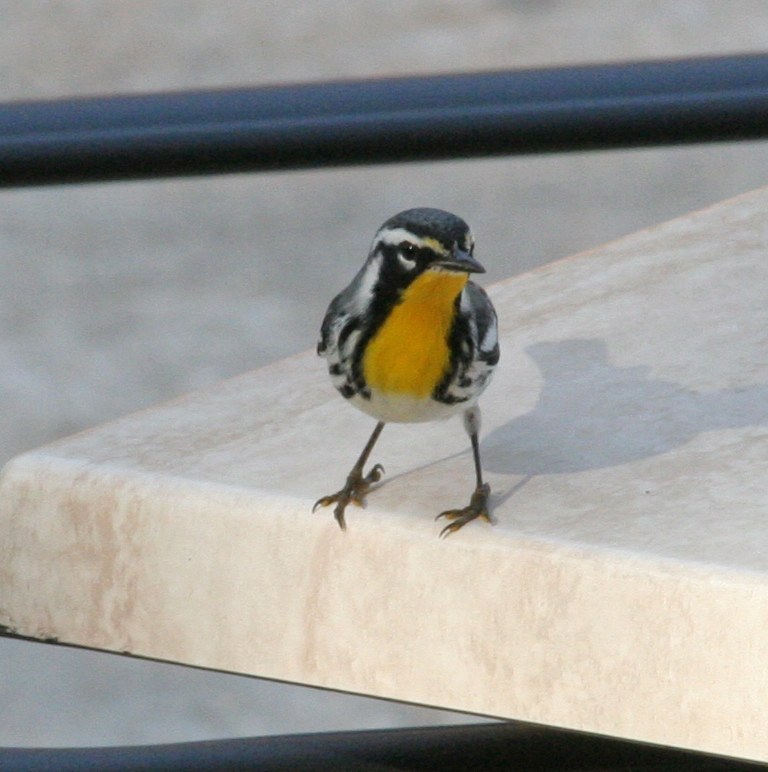
Small contour and flight feathers
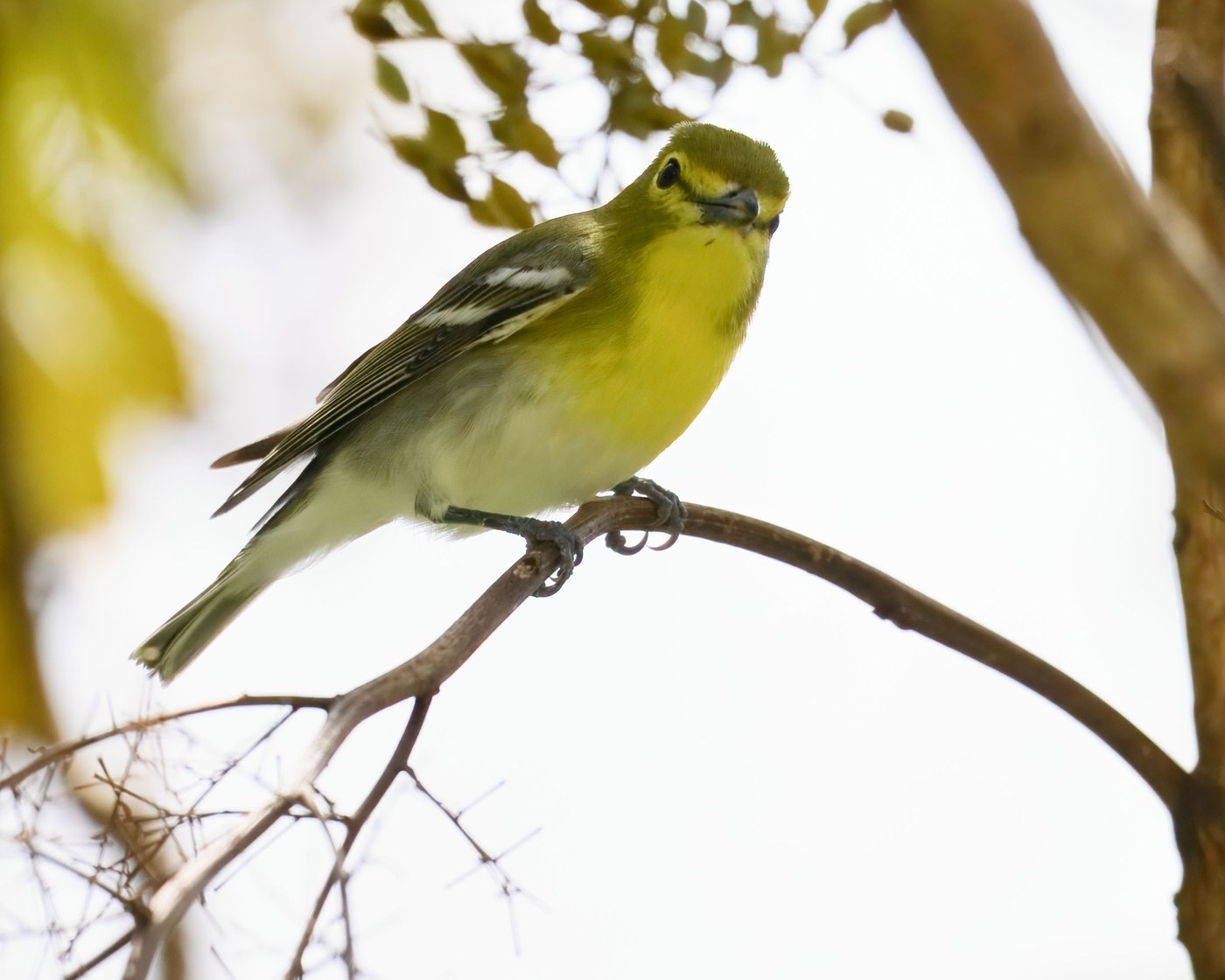
Yellow-throated Vireo
Bright yellow throat and spectacle feathers; olive-green back feathers; two white wing-bar feathers

Yellow-rumped Warbler
Small contour and flight feathers
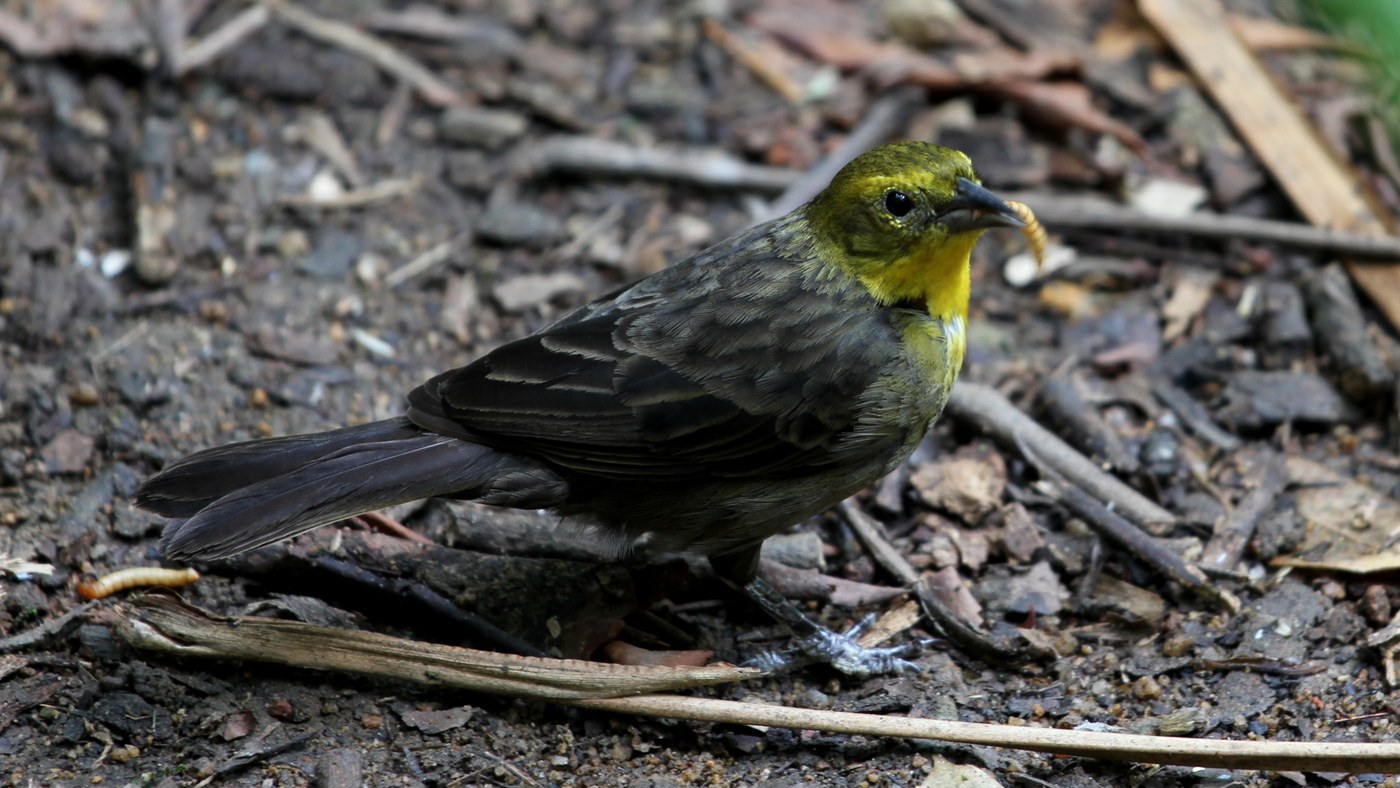
Yellow-hooded Blackbird
Contrasting hood and body feathers
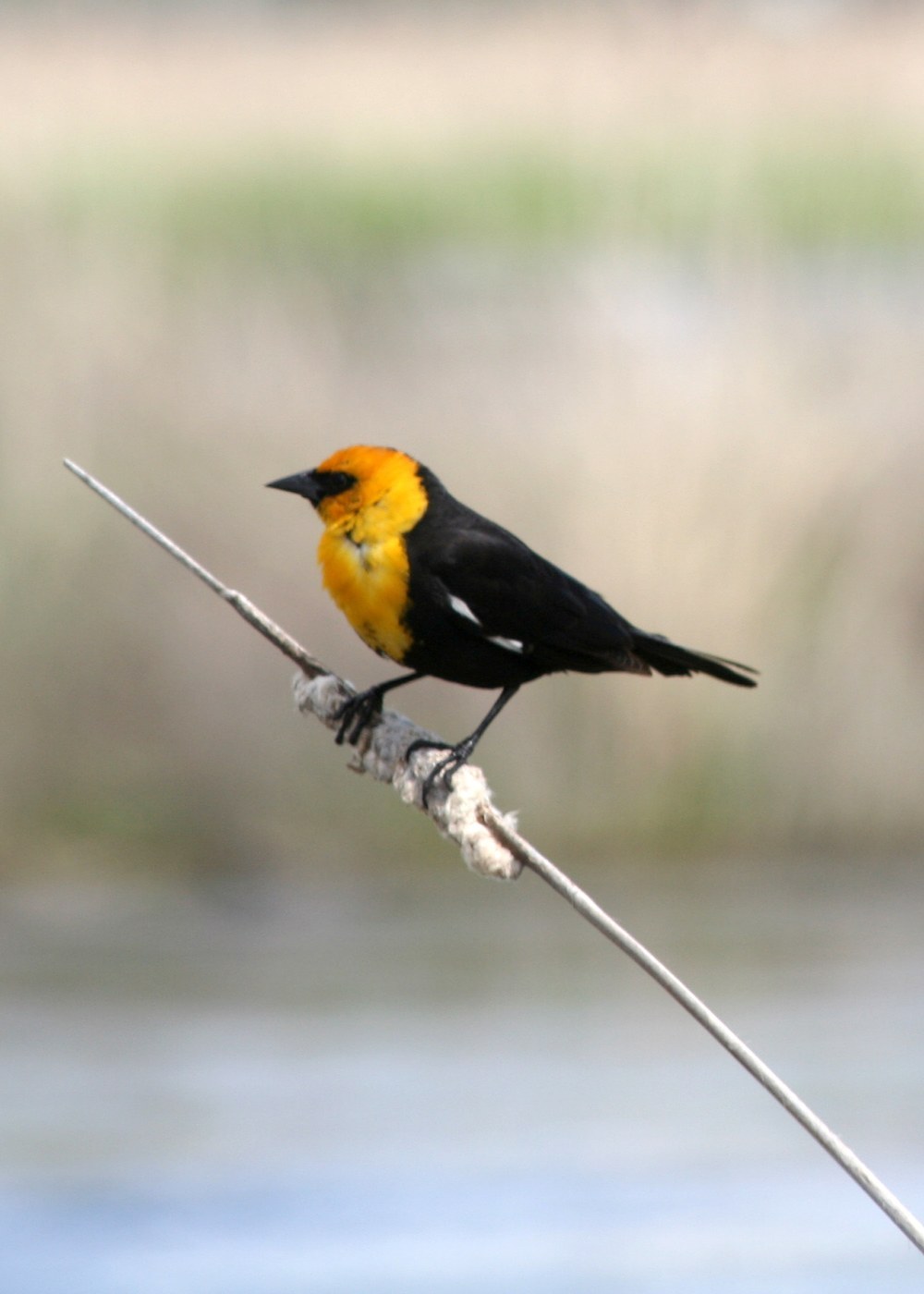
Yellow-headed Blackbird
Glossy black body plumage with a bright yellow head and breast

Yellow-eyed Junco
Contour and flight feathers

Yellow-fronted Canary
Small, smooth body plumage

Yellow-breasted Greenfinch
Compact, smooth body plumage