

Blue-winged Teal
Spatula discors
A small, long-distance migrant dabbling duck with a pale blue wing patch shared by both sexes, and males showing a bold white facial crescent on a slate-grey head.
- Feather type
- Pale blue upperwing covert feathers; green speculum feathers; small dabbling-duck contour feathers
- Colours
- Slate-grey head with white facial crescent, mottled brown body (male); mottled brown overall (female)
- Bird size
- Small dabbling duck, ~37-41 cm
Found a feather like this?
Identify any feather from a photo, free.
Overview
The Blue-winged Teal is a small dabbling duck breeding widely across the prairie regions of North America and wintering as far south as South America, making it one of the longest-distance migrants among North American ducks.
Breeding males show a slate-grey head with a bold white crescent in front of the eye, above a mottled brown body with black-spotted flanks, while both sexes share a pale blue patch on the upper wing coverts that is a hallmark of this species and its close relatives.
Feathers can be identified by their small size relative to most dabbling ducks, the shared pale blue wing patch, and, in males, the distinctive white facial crescent feathers against a slate-grey head.
Identifying the Feather
Size and shape
- Small dabbling-duck contour and flight feathers, notably smaller than Mallard or Gadwall feathers
- Pale blue upperwing covert feathers, similar to those of Shoveler and Cinnamon Teal but smaller
Color and pattern
- Male head feathers slate-grey with a bold white crescent-shaped patch in front of the eye
- Male body feathers mottled brown with dark spotting on the flanks, a small white patch near the base of the tail
- Female body feathers mottled brown overall, plainer-faced than the male
- Speculum feathers green, bordered by a white band, adjacent to the pale blue covert patch shared by both sexes
Distinguishing from similar species
- Overall smaller than Northern Shoveler, which shares the blue wing patch but is a notably larger, bulkier duck
- Compare with Cinnamon Teal: male Blue-winged Teal has a distinct white facial crescent and mottled brown body, while male Cinnamon Teal is uniformly deep rufous-red with no facial crescent
- Female Blue-winged and Cinnamon Teal are very similar and difficult to separate reliably from feathers alone
Plumage & Molt
Breeding males show a slate-grey head with a white facial crescent, mottled brown body with dark flank spotting, and a small white patch near the tail base. Females are mottled brown overall, closely resembling female Cinnamon Teal. Males undergo a notably early eclipse molt, resuming a female-like appearance for part of the year. All undergo a flightless period during wing molt.
Habitat & Range
Breeds widely across the prairie pothole region and other wetlands of North America, favoring shallow marshes and ponds. It is one of the earliest ducks to migrate south in autumn and one of the latest to return in spring, wintering from the southern United States through Mexico, Central America, and into South America. It is strongly migratory.
Behavior & Field Notes
Feeds by dabbling in shallow water for seeds, aquatic invertebrates, and vegetation, often in small, tight flocks. Nests on the ground in grassy cover near water. Voice includes soft, high-pitched calls, generally quieter than larger dabbling ducks. Its long migratory journeys mean feathers of this species can turn up across a very broad range spanning two continents.
Frequently asked questions
How can I tell a Blue-winged Teal feather from a Cinnamon Teal feather?
Male Blue-winged Teal has a slate-grey head with a white facial crescent and a mottled brown body, while male Cinnamon Teal is uniformly deep rufous-red with no facial crescent; females of the two species are very similar and hard to separate.
What is distinctive about this species' wing feathers?
Both sexes show a pale blue patch on the upperwing coverts next to a green speculum, similar to the pattern seen in Northern Shoveler and Cinnamon Teal but on a smaller body.
How far does the Blue-winged Teal migrate?
It is one of the longest-distance migrant ducks in the Americas, with some individuals wintering as far south as South America.
Is this one of the smaller dabbling ducks?
Yes, it is among the smallest common North American dabbling ducks, noticeably smaller than a Mallard or Gadwall.
Blue-winged Teal guides
In-depth guides for identifying and understanding Blue-winged Teal.

Blue-winged Teal identified by the community
Real feathers identified with Feather Identifier.

Other feathers you may enjoy

Mallard
Wing (speculum), body, and tail feathers

Spectacled Eider
Large sea-duck body feathers with distinctive eye-ring patches

Canada Goose
Body and flight feathers
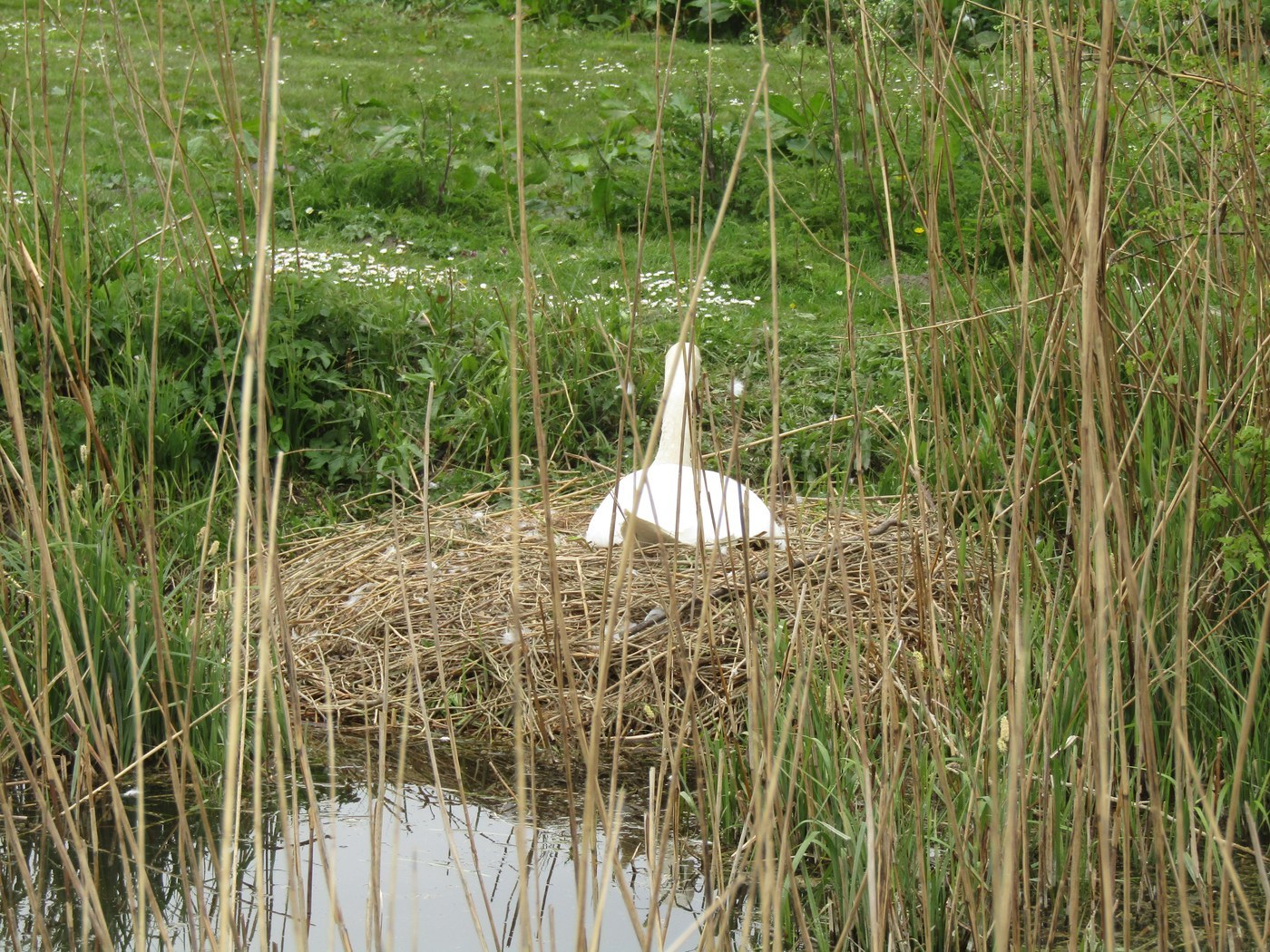
Mute Swan
Body (contour) and flight feathers

Wood Duck
Iridescent crest feathers; ornate scapular and flank feathers; white teardrop facial feathers (female)
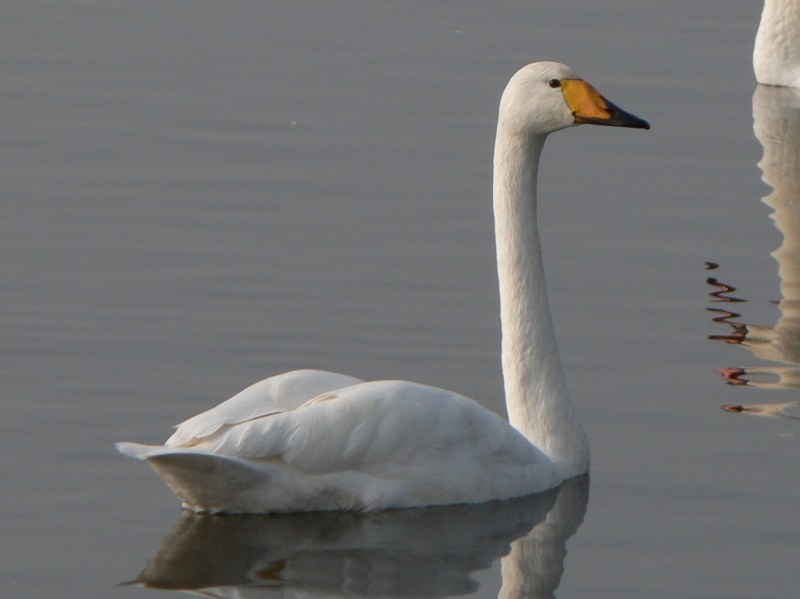
Whooper Swan
Contour and flight feathers

White-winged Scoter
Large sea-duck body feathers with a white wing patch

Ruddy Duck
Stiff tail feathers and compact body plumage

Ross's Goose
Contour and flight feathers

White-cheeked Pintail
Contour and elongated tail feathers

Torrent Duck
Dense, sleek contour feathers; stiff, pointed tail feathers used for bracing against rocks

Tundra Swan
Contour and flight feathers