
Boreal Chickadee
Poecile hudsonicus
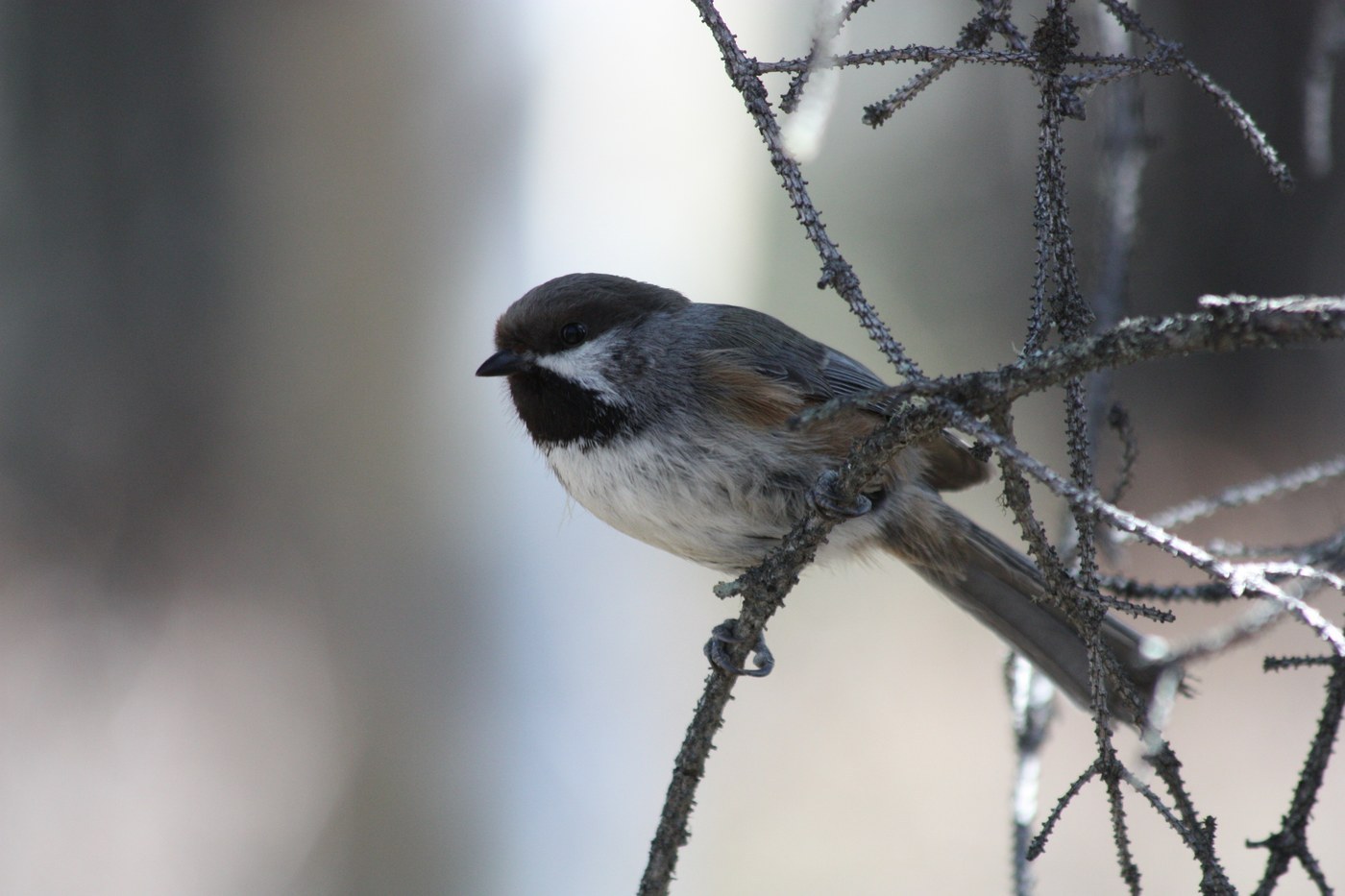
The Boreal Chickadee is a hardy northern chickadee with a dull brown cap and rusty flanks, adapted to survive harsh winters deep in the spruce-fir forests of the far north.
- Feather type
- Soft, loose body plumage typical of chickadees
- Colours
- Brownish-gray cap, gray-brown back, rusty-buff flanks
- Bird size
- Small chickadee, ~13-14 cm
Found a feather like this?
Identify any feather from a photo, free.
Overview
Overview
The Boreal Chickadee is a small, hardy songbird of the northern coniferous forest, distinguished from its more familiar relatives by its dull brown (rather than black) cap and warm rusty-brown flanks. It is a non-migratory species that caches food to survive the long boreal winters.
- Found across the boreal forest belt of Canada and Alaska
- Dull-capped counterpart to the Black-capped Chickadee
- Rarely seen far south of the boreal zone
Identifying the Feather
Feather Identification
Boreal Chickadee feathers are soft, fluffy, and adapted for insulation in cold climates.
- Cap feathers: Brownish-gray to dull chocolate-brown, lacking the crisp black of related chickadees
- Back and wing feathers: Grayish-brown, unmarked and soft-edged, with little contrast between feather tracts
- Flank feathers: Warm rusty-buff, often the most distinctive feature on a shed feather
- Throat feathers: Blackish, forming a small bib
- Compared to the Black-capped Chickadee, Boreal Chickadee feathers are duller and browner overall, without the glossy black cap or crisp white cheek contrast
Plumage & Molt
Plumage, Sex & Age Differences
The sexes look alike in the Boreal Chickadee, both showing a dull brown cap, grayish nape, whitish cheek patch, and rusty flanks. Juveniles resemble adults but appear slightly softer and less richly colored, especially on the flanks. The species has a single annual molt after breeding, replacing worn plumage before the onset of winter.
Habitat & Range
Habitat & Range
This species is a permanent resident of boreal spruce, fir, and mixed coniferous forests across Canada and Alaska, with its range extending into the northernmost forested parts of the contiguous United States. It generally stays within dense conifer stands year-round and rarely wanders far south, though occasional irruptions bring it slightly beyond its usual range in poor food years.
Behavior & Field Notes
Behavior, Voice & Field Notes
Boreal Chickadees forage actively through conifer branches for insects, spiders, and seeds, often caching food in bark crevices to retrieve later in winter. Their voice is a hoarse, nasal 'tsick-a-day-day,' huskier and slower than the clear call of the Black-capped Chickadee. They nest in cavities excavated in dead or decaying wood and remain in small flocks outside the breeding season.
Frequently asked questions
How is a Boreal Chickadee feather different from a Black-capped Chickadee feather?
Boreal Chickadee feathers show a dull brown cap and rusty flanks, while Black-capped Chickadee feathers have a glossy black cap and cleaner white-and-gray tones.
What color are Boreal Chickadee flank feathers?
They are a warm rusty-buff, one of the species' most distinctive features.
Do Boreal Chickadees migrate?
No, they are non-migratory residents of the boreal forest, though they may irrupt slightly south in low food years.
Where would you find Boreal Chickadee feathers?
In spruce and fir forests across Canada and Alaska, rarely far from dense conifer cover.
Boreal Chickadee guides
In-depth guides for identifying and understanding Boreal Chickadee.
Other feathers you may enjoy

Yellow-breasted Bunting
Contour and flight feathers, chestnut-and-yellow breeding pattern
Sedge Wren
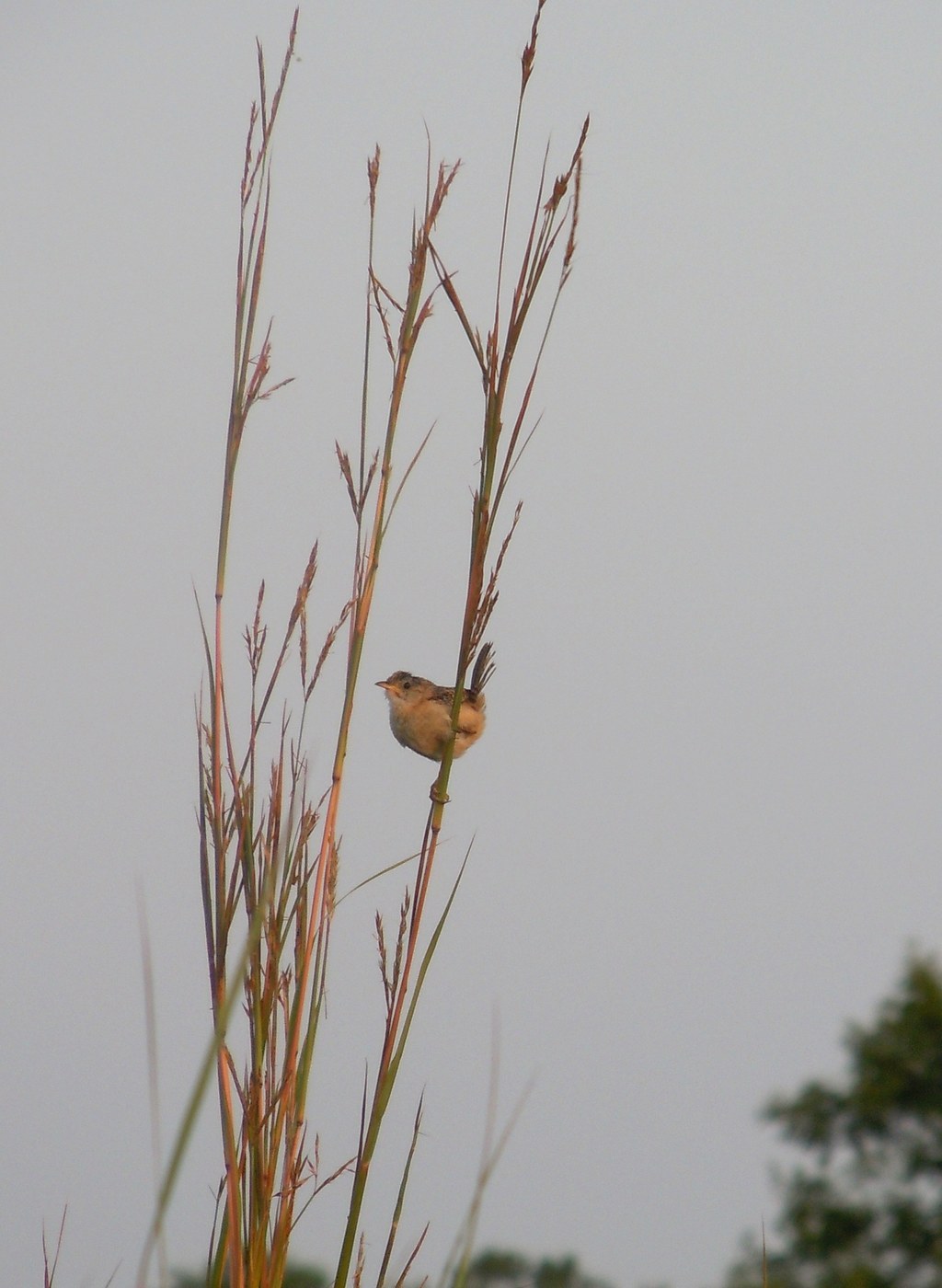
Tiny streaked crown and back feathers

Yellow-winged Cacique
Glossy black body feathers, yellow wing patch, shaggy crest

Yellow Warbler
Small contour and flight feathers
Yellow-throated Warbler
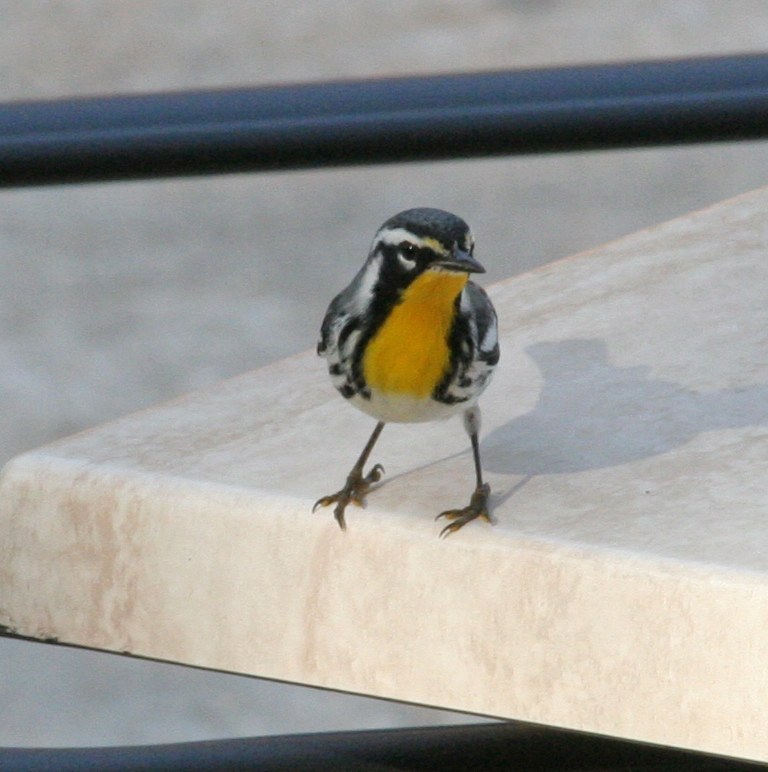
Small contour and flight feathers
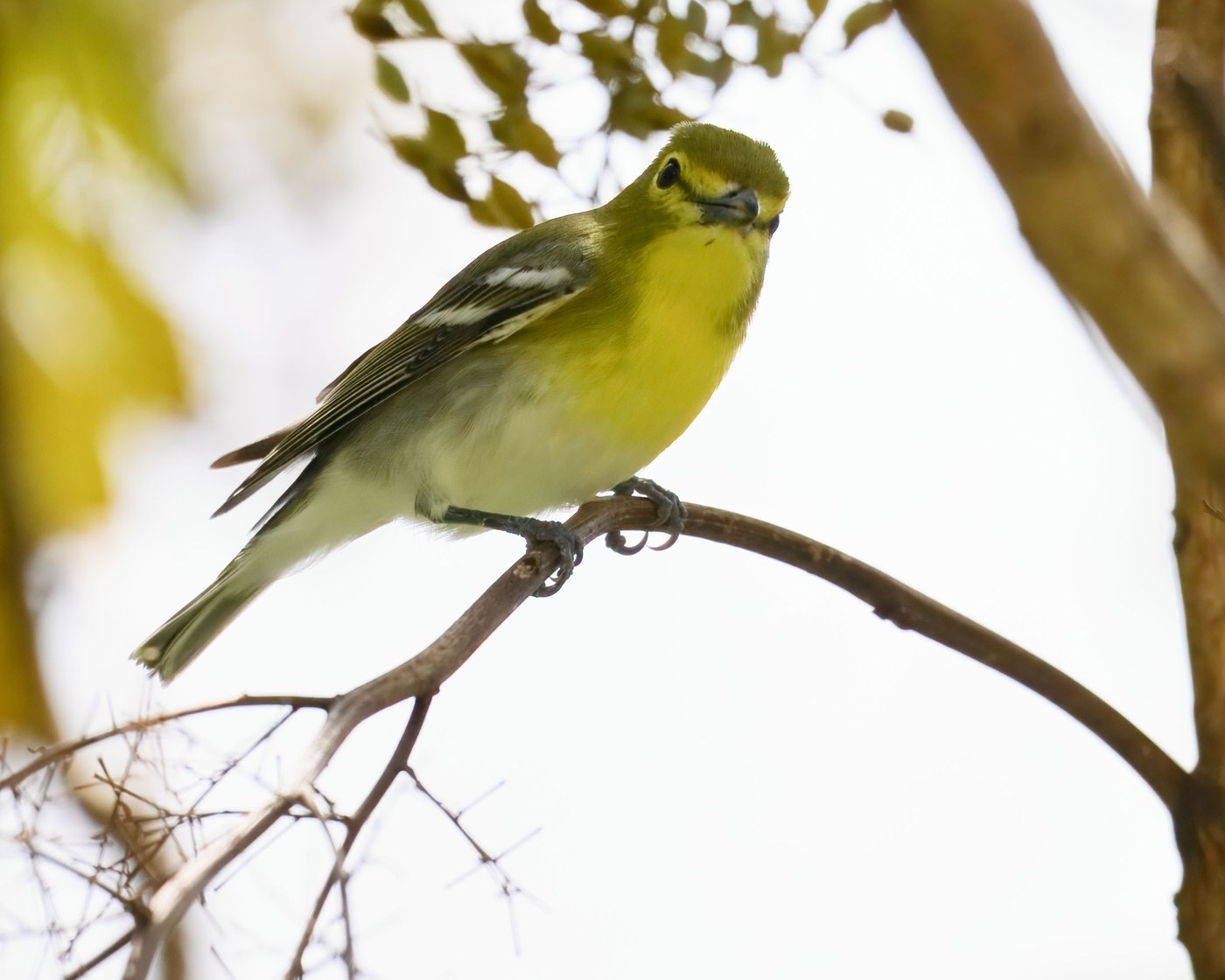
Yellow-throated Vireo
Bright yellow throat and spectacle feathers; olive-green back feathers; two white wing-bar feathers

Yellow-rumped Warbler
Small contour and flight feathers
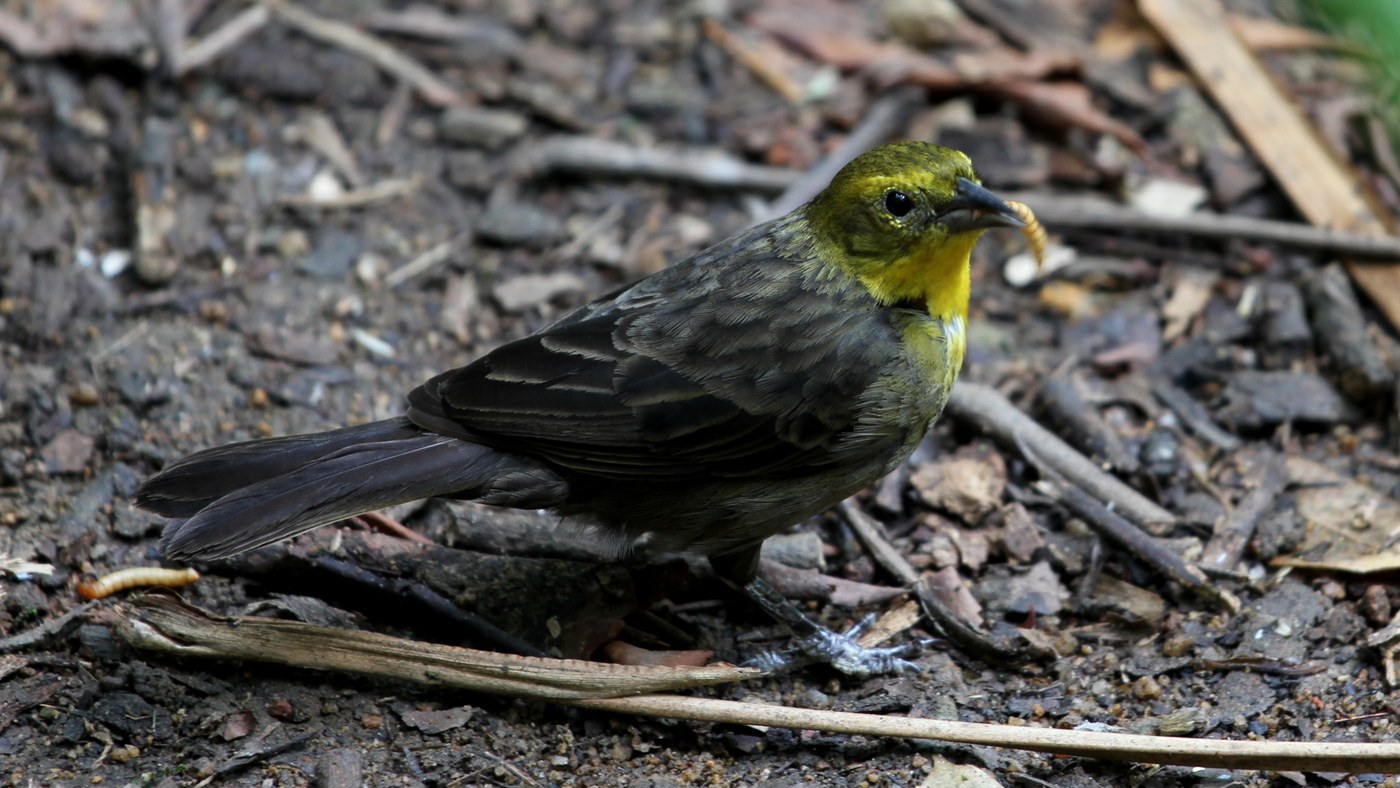
Yellow-hooded Blackbird
Contrasting hood and body feathers
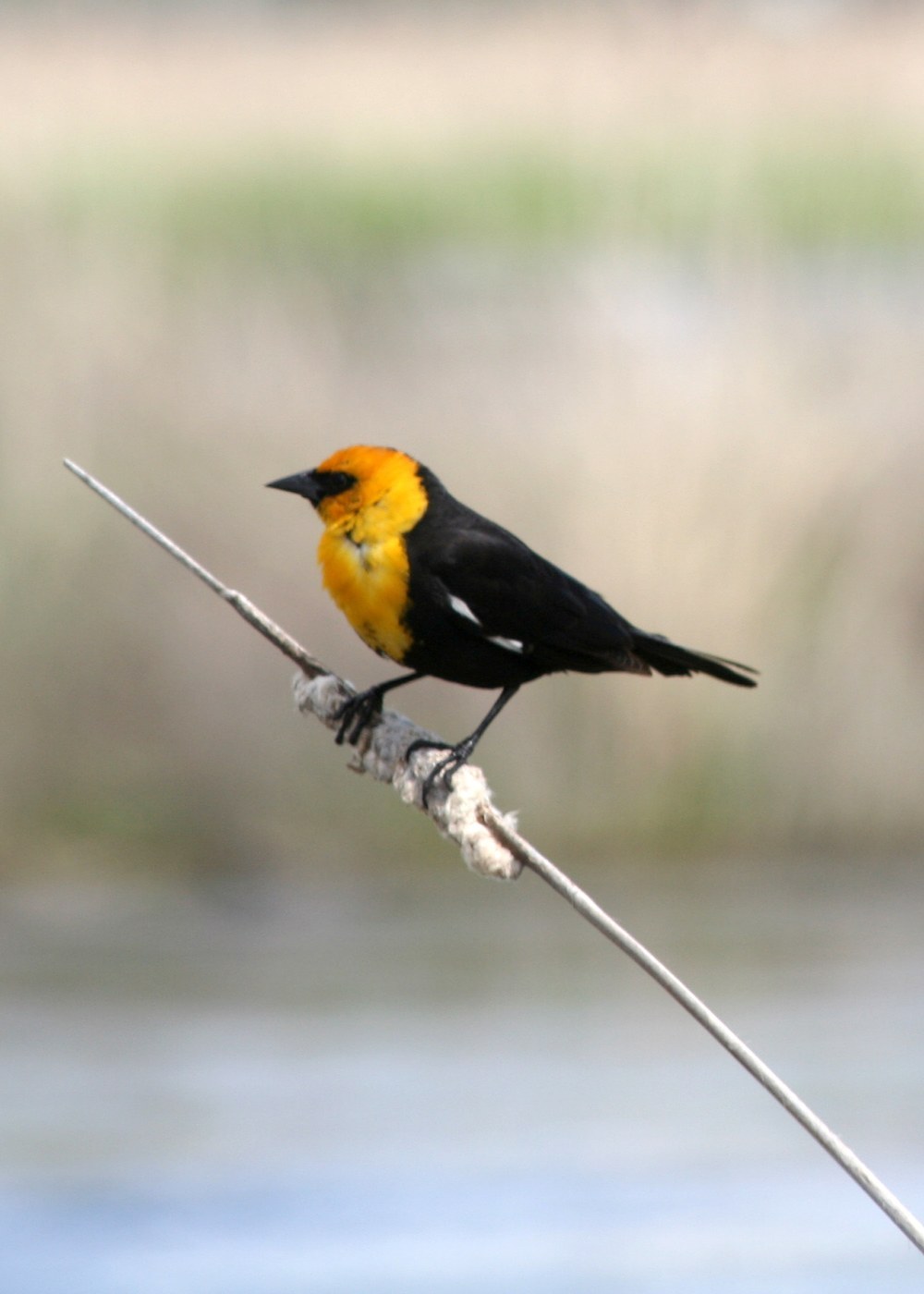
Yellow-headed Blackbird
Glossy black body plumage with a bright yellow head and breast

Yellow-eyed Junco
Contour and flight feathers

Yellow-fronted Canary
Small, smooth body plumage

Yellow-breasted Greenfinch
Compact, smooth body plumage