

Brant
Branta bernicla
The Brant is a small, dark sea goose marked by a black head, neck, and breast broken by a fine white necklace, closely tied to coastal estuaries and tidal flats.
- Feather type
- Small, dark goose body and neck feathers
- Colours
- Black head, neck, and breast with a white neck flecking, gray-brown body
- Bird size
- Small, ~56-66 cm
Found a feather like this?
Identify any feather from a photo, free.
Overview
Overview
The Brant is a small, strongly coastal goose that breeds on high-arctic tundra and winters almost exclusively along ocean estuaries, bays, and tidal flats. Adults show an overall dark appearance, with a black head, neck, and breast interrupted by a small patch of fine white streaking on the sides of the neck, resembling a partial necklace. The body is grayish-brown, and the white undertail coverts provide a contrasting flash, particularly visible when the bird is swimming or in flight.
Identifying the Feather
Feather Identification
- Neck marking: A small patch of fine white streaking on the sides of the neck forms a partial necklace against otherwise solid black neck feathering, a key identification feature distinguishing Brant from other dark geese.
- Overall body tone: A grayish-brown body contrasts moderately with the black head, neck, and breast, giving an overall darker impression than larger geese like the Canada Goose.
- Undertail coverts: Bright white undertail coverts create a visible contrast at the rear of the bird, useful when viewed from behind or in flight.
- Size and structure: A notably smaller, more compact body than the Canada Goose, without a white cheek patch, helping to separate it from similarly patterned geese.
- Wing and flight feathers: Dark overall wing feathering with no strong contrasting patches, consistent with the bird's generally dark, low-contrast plumage.
Plumage & Molt
Plumage Notes
Adults show a black head, neck, and breast, a small white neck-side patch, grayish-brown body, and white undertail coverts. There is relatively little seasonal plumage variation compared to some other waterfowl. The species undergoes a complete post-breeding molt, becoming flightless for a period while wing feathers regrow, timed to overlap with the flightless stage of goslings. Juveniles resemble adults closely, sometimes showing paler wing covert edges that wear away over their first year.
Habitat & Range
Habitat & Range
Brant breed on high-arctic tundra across North America and Eurasia, nesting on the ground near coastal wetlands. Outside the breeding season, the species is almost entirely coastal, wintering along estuaries, bays, and tidal flats where it feeds extensively on submerged aquatic vegetation. The species is strongly migratory, undertaking long coastal and overland movements between arctic breeding grounds and temperate wintering estuaries.
Behavior & Field Notes
Behavior & Field Notes
Brant are highly social, forming large flocks in coastal estuaries and bays, often feeding together on submerged vegetation in shallow tidal waters. They are strong fliers, undertaking long migratory routes that can include extended nonstop flights over open water. Nesting occurs on the ground near arctic coastal wetlands, with both parents involved in defending the nest and goslings from predators. Calls consist of a distinctive low, guttural rolling note, quite different from the higher-pitched calls of Cackling Geese or the deep honks of Canada Geese.
Frequently asked questions
What is the key feather feature that identifies a Brant?
A small patch of fine white streaking on the sides of the neck, forming a partial necklace against otherwise solid black neck feathering.
How does the Brant differ from the Canada Goose in plumage?
The Brant lacks the white cheek patch of the Canada Goose and instead shows a smaller white neck-side patch, along with an overall darker, more uniformly gray-brown body.
Where is the Brant typically found?
Almost exclusively in coastal habitats such as estuaries, bays, and tidal flats, rarely venturing far inland.
What does the Brant's call sound like?
A distinctive low, guttural rolling note, different from the higher calls of Cackling Geese or the deep honks of Canada Geese.
Brant guides
In-depth guides for identifying and understanding Brant.

Other feathers you may enjoy

Mallard
Wing (speculum), body, and tail feathers

Spectacled Eider
Large sea-duck body feathers with distinctive eye-ring patches

Canada Goose
Body and flight feathers
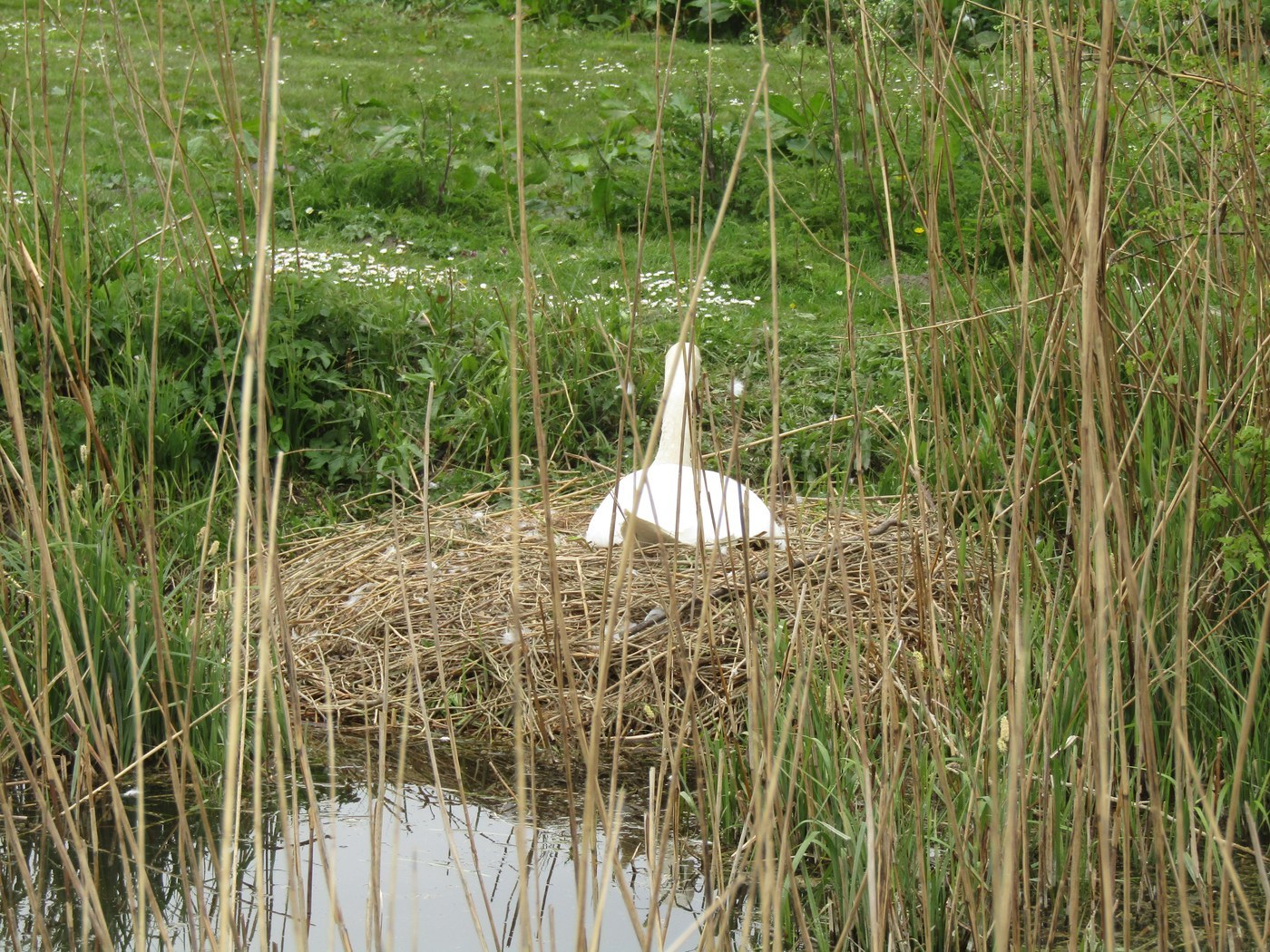
Mute Swan
Body (contour) and flight feathers

Wood Duck
Iridescent crest feathers; ornate scapular and flank feathers; white teardrop facial feathers (female)
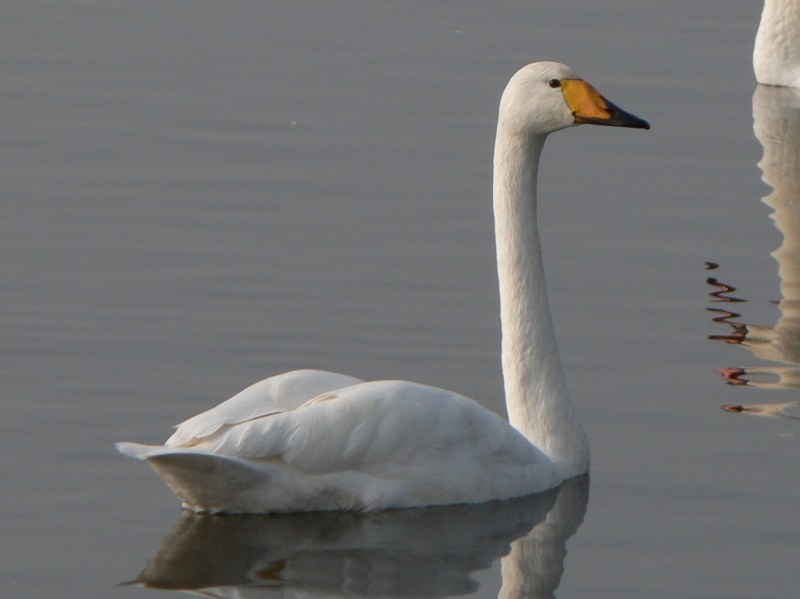
Whooper Swan
Contour and flight feathers

White-winged Scoter
Large sea-duck body feathers with a white wing patch

Ruddy Duck
Stiff tail feathers and compact body plumage

Ross's Goose
Contour and flight feathers

White-cheeked Pintail
Contour and elongated tail feathers

Torrent Duck
Dense, sleek contour feathers; stiff, pointed tail feathers used for bracing against rocks

Tundra Swan
Contour and flight feathers