

Brown Booby
Sula leucogaster
A widespread tropical seabird with a sharp, clean line dividing its dark chocolate-brown chest and upperparts from bright white underparts.
- Feather type
- Sturdy flight feathers with a sharply divided body pattern
- Colours
- Dark chocolate-brown upperparts and chest, clean white belly and underwing
- Bird size
- Medium-large, ~64-74 cm
Found a feather like this?
Identify any feather from a photo, free.
Overview
Overview
The Brown Booby is the most widely distributed booby species, found across tropical and subtropical oceans worldwide. It shows a distinctive two-tone plumage pattern, with dark chocolate-brown covering the head, chest, and upperparts sharply cut off from clean white on the lower belly and underwing.
This crisp demarcation line across the breast is one of the most useful identification features among the booby species, making Brown Booby relatively easy to distinguish from its close relatives.
Identifying the Feather
Brown Booby feathers show one of the sharpest color divisions among the booby species.
- Upperparts and chest: Uniform dark chocolate-brown, extending down over the head, neck, back, wings, and upper breast without mottling.
- Underparts: Bright white lower belly and underwing coverts, with a crisp, clean line separating the brown chest from the white belly.
- Flight feathers: Dark brown, consistent with the rest of the upperparts.
- Compared to Blue-footed and Masked Booby: The sharp brown-to-white demarcation line across the breast is more clean-edged than the gradual streaking of Blue-footed Booby, and unlike Masked Booby, Brown Booby's dark coloring covers the head and chest rather than being restricted to a facial mask and flight feathers.
Plumage & Molt
Adults show a uniform dark chocolate-brown head, neck, chest, back, and upperwing, sharply demarcated from white lower underparts and underwing coverts. Sexes look similar, with some subtle differences in facial skin color. Juveniles are more uniformly brownish overall, lacking the crisp adult demarcation line, and gradually develop the sharp two-tone pattern with maturity.
Habitat & Range
Brown Boobies breed on tropical and subtropical islands across the Atlantic, Pacific, and Indian Oceans, nesting on the ground on rocky or sandy islets. They forage over nearshore and offshore waters and are generally less pelagic than some other seabirds, often remaining within sight of their breeding islands or nearby coastlines throughout the year.
Behavior & Field Notes
This booby feeds by plunge-diving from low to moderate heights, often foraging alone or in small groups close to shore, and readily catches flying fish in the air as well as diving for schooling prey. Nesting occurs on bare ground or low vegetation, with typically two eggs laid, though usually only one chick survives to fledging. Calls include harsh honking and quacking notes given at breeding colonies, differing somewhat between the sexes.
Frequently asked questions
What is the clearest identification feature of a Brown Booby feather?
A sharp, clean line separating dark chocolate-brown chest feathers from bright white belly feathers, more crisp than in most other boobies.
How does a Brown Booby feather differ from a Masked Booby feather?
Brown Booby has dark brown covering the head and chest, while Masked Booby is mostly white with dark coloring restricted to the flight feathers, tail, and a facial mask.
Are juvenile Brown Booby feathers different from adults?
Yes, juveniles look more uniformly brownish without the sharp adult demarcation line, which develops gradually with maturity.
Where would a Brown Booby feather likely be found?
Near tropical and subtropical island breeding colonies worldwide, or along adjacent coastlines where the species forages close to shore.
Brown Booby guides
In-depth guides for identifying and understanding Brown Booby.

Other feathers you may enjoy

Western Gull
Body, flight, and tail feathers
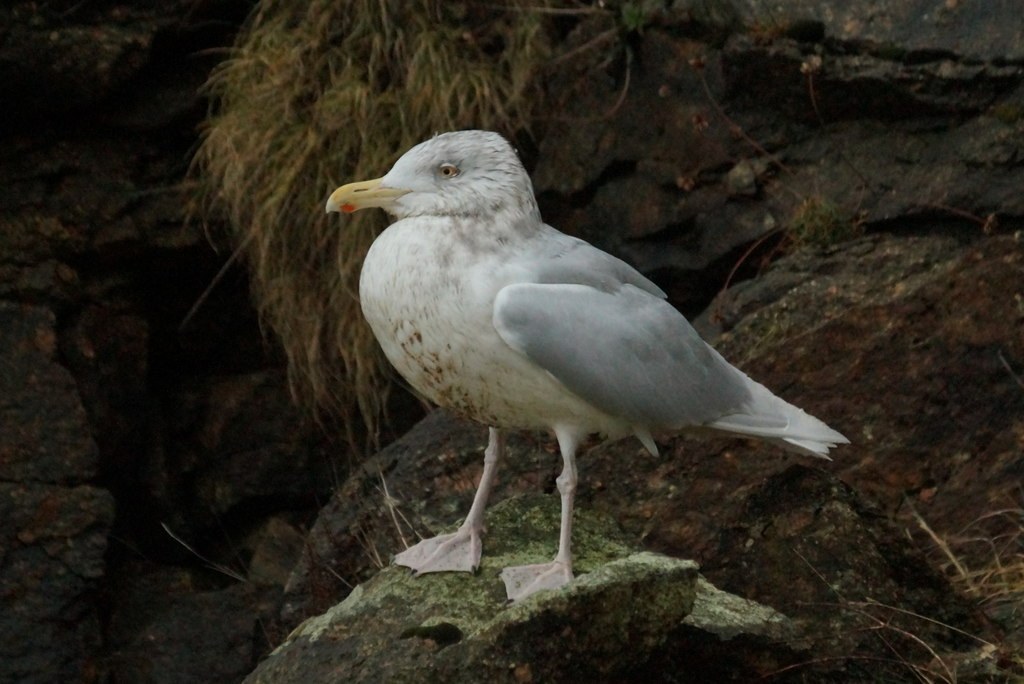
Glaucous Gull
Body, flight, and tail feathers

American Herring Gull
Body, flight, and tail feathers

Great Black-backed Gull
Body, flight, and tail feathers

Common Gull
Body, flight, and tail feathers
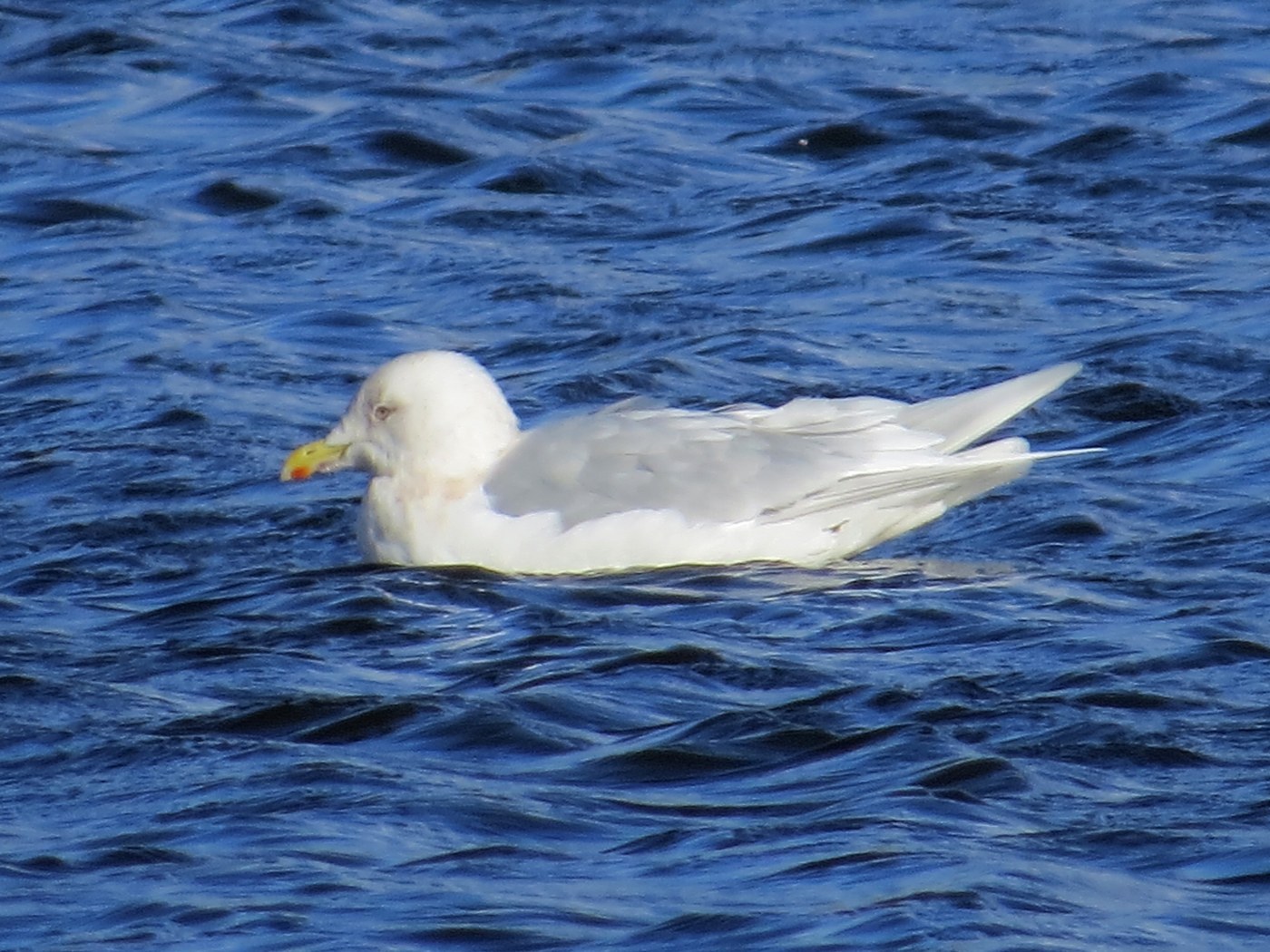
Iceland Gull
Body, flight, and tail feathers

Ring-billed Gull
Body, flight, and tail feathers

Glaucous-winged Gull
Body, flight, and tail feathers

Herring Gull
Body, flight, and tail feathers

Lesser Black-backed Gull
Body, flight, and tail feathers

California Gull
Body, flight, and tail feathers
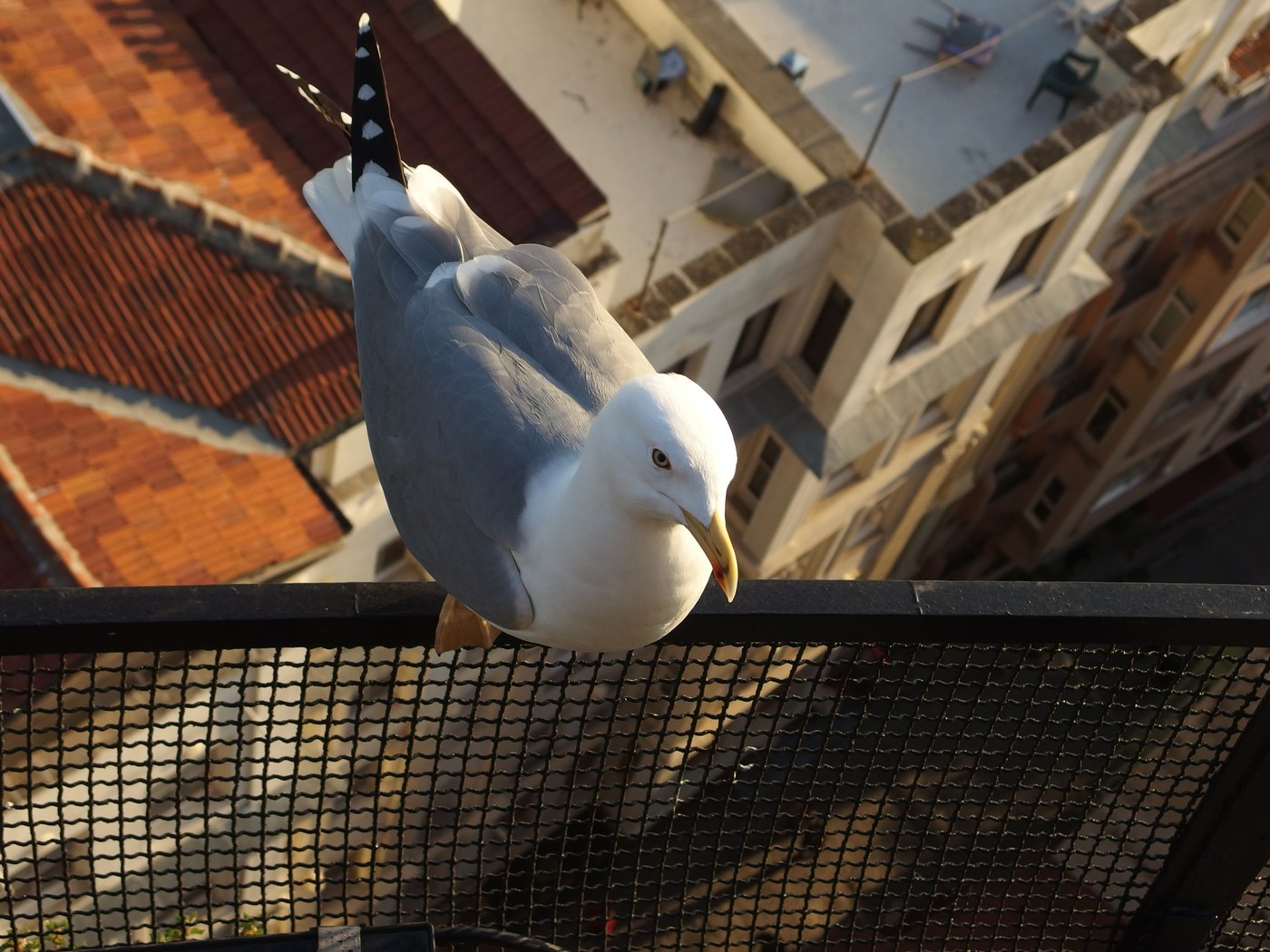
Yellow-legged Gull
Body, wing covert, and flight feathers