

Brown-fronted Woodpecker
Dendrocoptes auriceps
A small Himalayan woodpecker with a brown forehead patch and finely barred black-and-white back, sharing similarities with related pied woodpeckers at lower elevations.
- Feather type
- Contour and flight feathers
- Colours
- Brown forehead, black-and-white barred back, streaked flanks
- Bird size
- Small woodpecker, ~18-20 cm
Found a feather like this?
Identify any feather from a photo, free.
Overview
The Brown-fronted Woodpecker inhabits Himalayan foothill forest and open woodland, where its brown forehead feathers and neatly barred back are useful identification features. It occupies a somewhat higher elevation range than some related pied woodpeckers found in the plains below.
Its overall pattern is similar to other small pied woodpeckers, making close attention to the forehead and flank pattern important for confirming identification.
Identifying the Feather
- Forehead feathers are brown, contrasting with the black crown behind them
- Back and wing feathers show crisp black-and-white barring
- Males show a red patch on the rear crown, absent in females
- Flank feathers are streaked, adding to the overall busy pattern of the underparts
- Tail feathers are black with white markings near the tip, stiffened for trunk bracing
Plumage & Molt
Males show a red patch on the rear crown behind the brown forehead; females lack red on the head. Juveniles are duller with less defined streaking on the flanks. A single molt follows the breeding season.
Habitat & Range
- Found along the Himalayan foothills, from Pakistan and northern India east through Nepal
- Favors broadleaf and mixed forest as well as more open wooded country at foothill elevations
- Resident, with limited seasonal elevational movement
Behavior & Field Notes
This species forages on trunks and branches for insects, often at middle elevations within its Himalayan range. It gives sharp calls and drums to advertise territory, particularly in spring. Nest cavities are excavated in dead wood within foothill forest.
Frequently asked questions
What does the forehead feather pattern indicate?
A brown forehead patch, contrasting with the black crown behind it, is a key identification feature of this species.
How can males be separated from females?
Males show a red patch on the rear crown; females lack any red on the head.
Where in the Himalayas is it found?
Along the foothills from Pakistan and northern India east through Nepal, generally at moderate elevations.
Are the flanks barred or streaked?
Streaked, adding to the overall patterned appearance of the underparts alongside the barred back.
Brown-fronted Woodpecker guides
In-depth guides for identifying and understanding Brown-fronted Woodpecker.

Other feathers you may enjoy

Ivory-billed Woodpecker
Very large flight feathers with a solid white trailing patch

Great Slaty Woodpecker
Massive, uniformly colored contour feathers

Yellow-tufted Woodpecker
Black body feathers with bright yellow forehead tufts

Magellanic Woodpecker
Very large, glossy contour feathers with a recurved crest

Yellow-bellied Sapsucker
Black-and-white patterned back and facial-stripe feathers
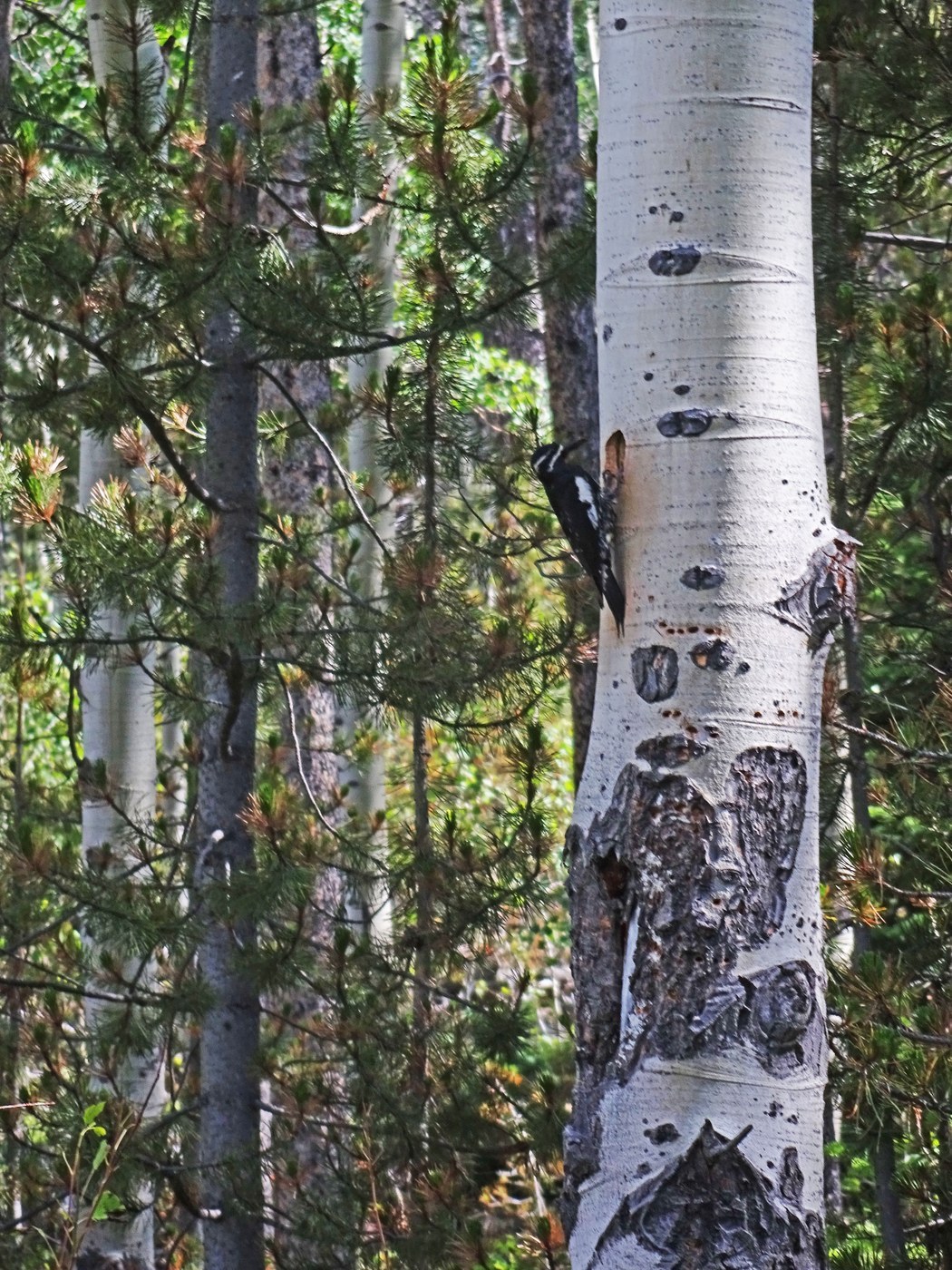
Williamson's Sapsucker
Strongly sexually dimorphic body feathers, glossy black or finely barred brown

Yellow-crowned Woodpecker
Contour and flight feathers

White Woodpecker
Mostly white body feathers with contrasting black wings and back

Red-throated Wryneck
Soft, cryptically mottled contour feathers

White-bellied Woodpecker
Large, glossy black contour and flight feathers

White-backed Woodpecker
Barred back feathers rather than a solid white patch
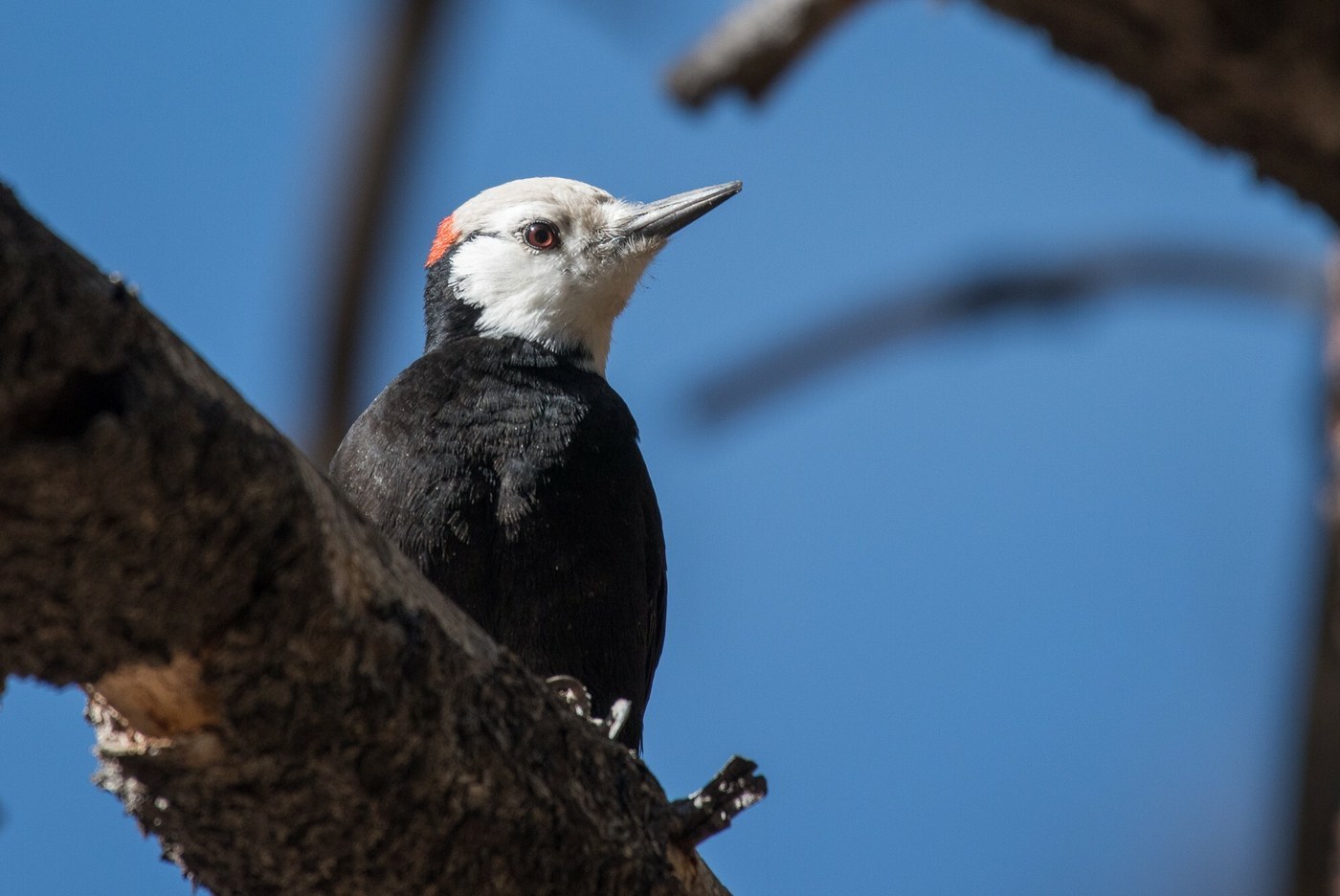
White-headed Woodpecker
Solid black body feathers with an entirely white head