

Brown Noddy
Anous stolidus
A dark, tropical seabird related to terns, easily told by its uniform chocolate-brown plumage set off by a pale gray-white cap and a long, wedge-shaped tail.
- Feather type
- Contour, flight, and long wedge-shaped tail feathers
- Colours
- Dark chocolate-brown body with a pale silvery-gray cap
- Bird size
- Tern-sized, ~38-40 cm
Found a feather like this?
Identify any feather from a photo, free.
Overview
The Brown Noddy is the largest and most widespread of the noddies, a group of dark-plumaged relatives of terns found on tropical islands and reefs worldwide. Its somber brown coloration and habit of resting on boats and buoys, rather than diving dramatically, give it a distinct character among seabirds.
Identifying the Feather
- Body feathers are a rich, uniform dark brown with little to no pattern across the back, wings, and underparts
- The crown and nape feathers are pale ash-gray to silvery-white, forming a distinct cap that fades gradually into the brown of the neck
- Tail feathers are notably long and wedge-shaped rather than forked, tapering to a point
- Flight feathers are dark brown above and below, without the pale wing panels or dark wingtips seen in many terns
- Feathers overall have a slightly worn, matte texture typical of birds that spend long periods resting on water and structures
Plumage & Molt
- Adults are dark brown overall year-round with a contrasting pale gray-white cap, showing little seasonal change
- Juveniles are darker and duller, with a less defined, more mottled cap that whitens with age
- Sexes are alike in plumage
- Molt is protracted and can occur outside a strict seasonal window given the species' tropical, less strictly seasonal breeding cycle
Habitat & Range
Brown Noddies breed colonially on tropical and subtropical islands, atolls, and cliffs across the Atlantic, Pacific, and Indian Oceans, nesting on bare ground, rocky ledges, or low vegetation. Outside the breeding season they range widely over open, warm ocean waters, often far from land, and are frequently seen resting on floating debris, buoys, or ships.
Behavior & Field Notes
This species feeds by hovering and dipping to snatch small fish and squid from the surface, often in association with schools of predatory fish that drive prey upward, and it readily follows fishing vessels. It nests in dense colonies, laying a single egg in a scrape, low shrub, or crevice depending on the site. Its voice is a low, guttural, croaking call, quite different from the sharp cries of typical terns.
Frequently asked questions
What color are Brown Noddy feathers?
They are a uniform dark chocolate-brown across the body and wings, with a pale silvery-gray cap on the head that stands out clearly against the darker plumage.
Why is the tail shape different from a tern's tail?
The Brown Noddy has a long, wedge-shaped tail that tapers to a point, rather than the deeply forked tail typical of most true terns.
Do young Brown Noddies look different from adults?
Juveniles are darker and duller overall with a less crisply defined cap, which becomes paler and more sharply set off from the brown body as the bird matures.
Brown Noddy guides
In-depth guides for identifying and understanding Brown Noddy.

Other feathers you may enjoy

Western Gull
Body, flight, and tail feathers
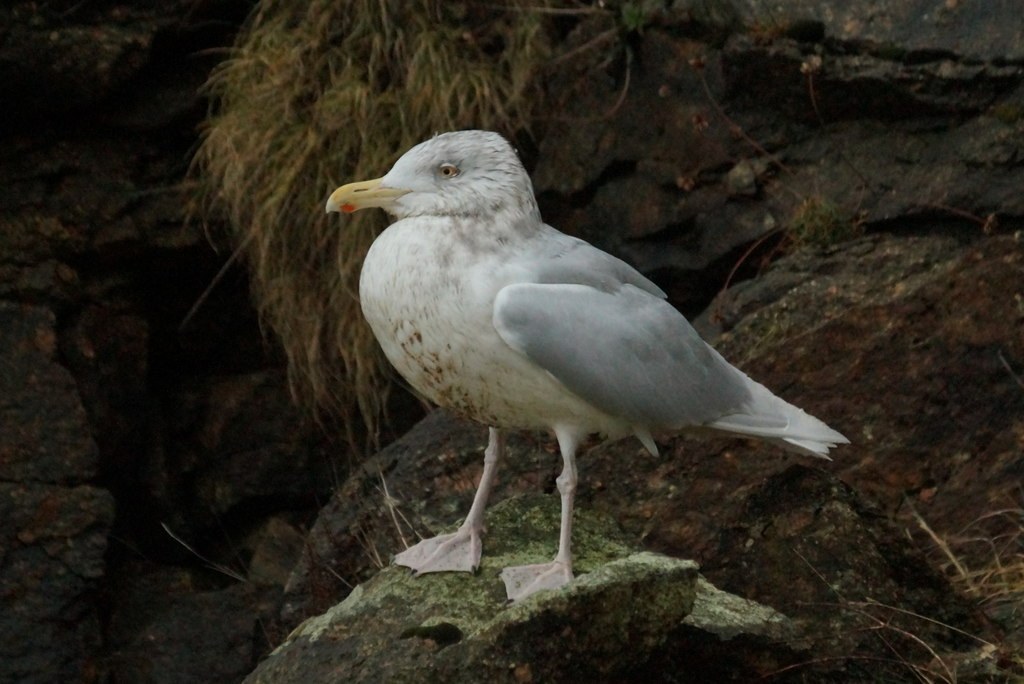
Glaucous Gull
Body, flight, and tail feathers

American Herring Gull
Body, flight, and tail feathers

Great Black-backed Gull
Body, flight, and tail feathers

Common Gull
Body, flight, and tail feathers
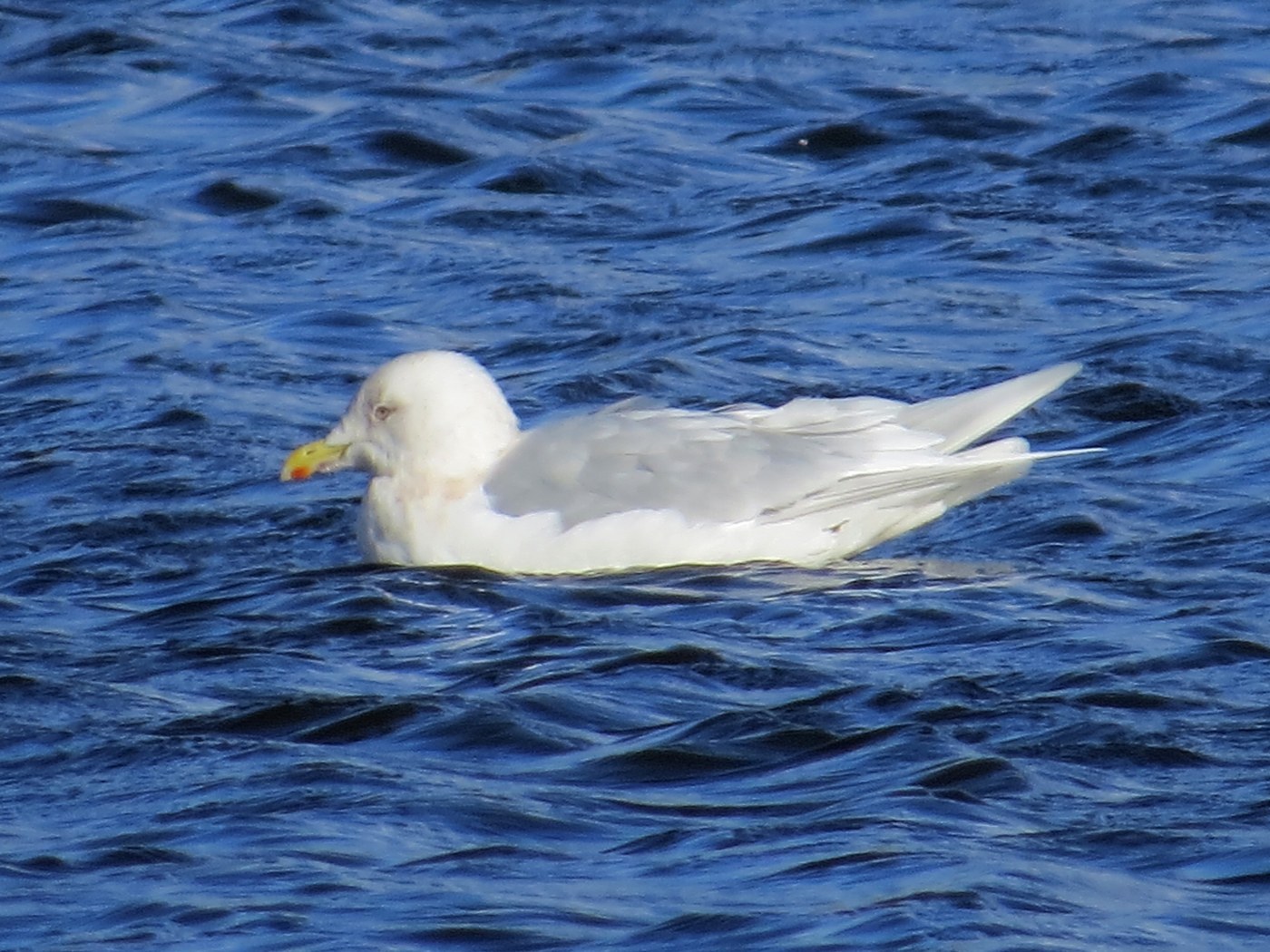
Iceland Gull
Body, flight, and tail feathers

Ring-billed Gull
Body, flight, and tail feathers

Glaucous-winged Gull
Body, flight, and tail feathers

Herring Gull
Body, flight, and tail feathers

Lesser Black-backed Gull
Body, flight, and tail feathers

California Gull
Body, flight, and tail feathers
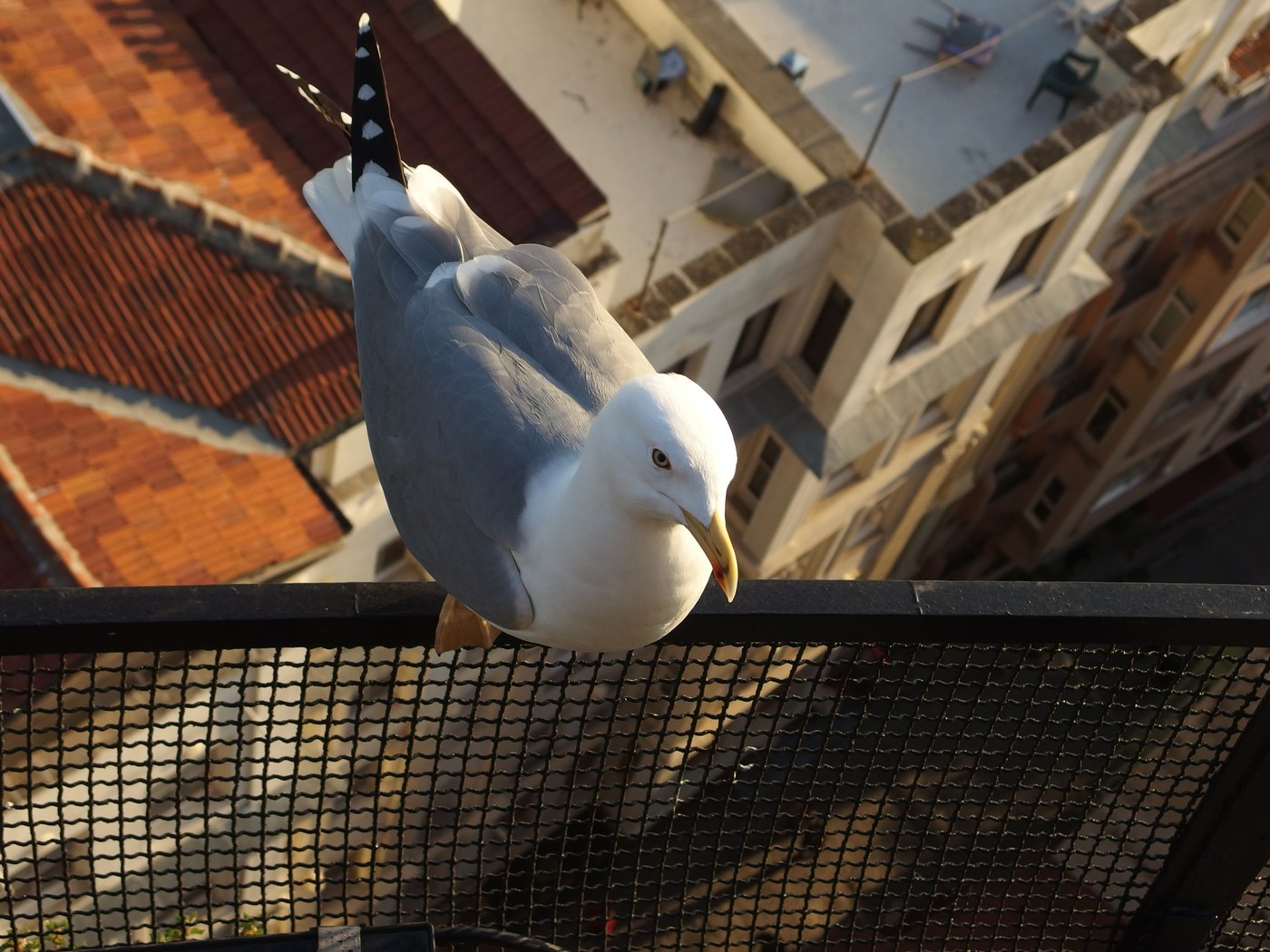
Yellow-legged Gull
Body, wing covert, and flight feathers