

Campo Flicker
Colaptes campestris
A grassland flicker of central South America with a bold white face and black chest patch, usually seen foraging on open ground rather than tree trunks.
- Feather type
- Strongly barred body plumage with a bold facial pattern
- Colours
- Black-and-buff barred back, black chest patch, white face
- Bird size
- Pigeon-sized, ~30 cm
Found a feather like this?
Identify any feather from a photo, free.
Overview
The Campo Flicker takes its name from the open campo grasslands of Brazil, Paraguay, Uruguay, and Argentina where it is common. Like other terrestrial flickers, it walks across open ground hunting for ants rather than clinging to bark.
Its bold facial pattern - a whitish face set against dark crown and black bib - combined with heavy black-and-buff barring across the back, makes it one of the more strikingly patterned flickers in its range.
Identifying the Feather
- Back and wings: heavy black bars over a buffy-tan ground, giving a strongly barred look at rest and in flight
- Face: pale whitish, contrasting with a darker crown
- Chest: solid black patch below the throat, a shared flicker family trait
- Underparts: buffy with dark spotting or barring
- Vs. Green-barred Woodpecker: Campo Flicker shows a paler, whiter face and more open barring, versus the olive-green tone of Green-barred Woodpecker's back
Plumage & Molt
Males typically show a red malar stripe or nape mark that females lack, while both sexes share the same barred back and pale face. Juveniles are duller with looser barring. The species undergoes a single complete molt annually outside the breeding season.
Habitat & Range
Common across open grassland, pasture, and scattered-tree savanna in central South America, from southern Brazil through Uruguay, Paraguay, and northern Argentina. It is a non-migratory resident, sometimes found near termite mounds which it also uses for nesting.
Behavior & Field Notes
Forages mainly on open ground, walking with an upright stance while probing for ants and other ground insects, and often perches on fence posts or low mounds rather than tree trunks. It nests in cavities excavated in dead trees, fence posts, or large termite mounds. Calls include loud, repeated chattering notes given both perched and in flight.
Frequently asked questions
What is distinctive about the Campo Flicker's face?
It shows a pale whitish face that contrasts with a darker crown, one of the more boldly marked facial patterns among South American flickers.
Does the Campo Flicker nest in termite mounds?
Yes, in addition to dead trees and posts, it is known to excavate nest cavities in large termite mounds found across its grassland range.
Is this a ground-feeding woodpecker?
Yes, it feeds mainly on open ground for ants and other insects rather than foraging on tree bark like most woodpeckers.
How can you separate male and female Campo Flickers?
Males usually show a red facial or nape mark that is absent or replaced with a duller mark in females.
Campo Flicker guides
In-depth guides for identifying and understanding Campo Flicker.

Other feathers you may enjoy

Ivory-billed Woodpecker
Very large flight feathers with a solid white trailing patch

Great Slaty Woodpecker
Massive, uniformly colored contour feathers

Yellow-tufted Woodpecker
Black body feathers with bright yellow forehead tufts

Magellanic Woodpecker
Very large, glossy contour feathers with a recurved crest

Yellow-bellied Sapsucker
Black-and-white patterned back and facial-stripe feathers
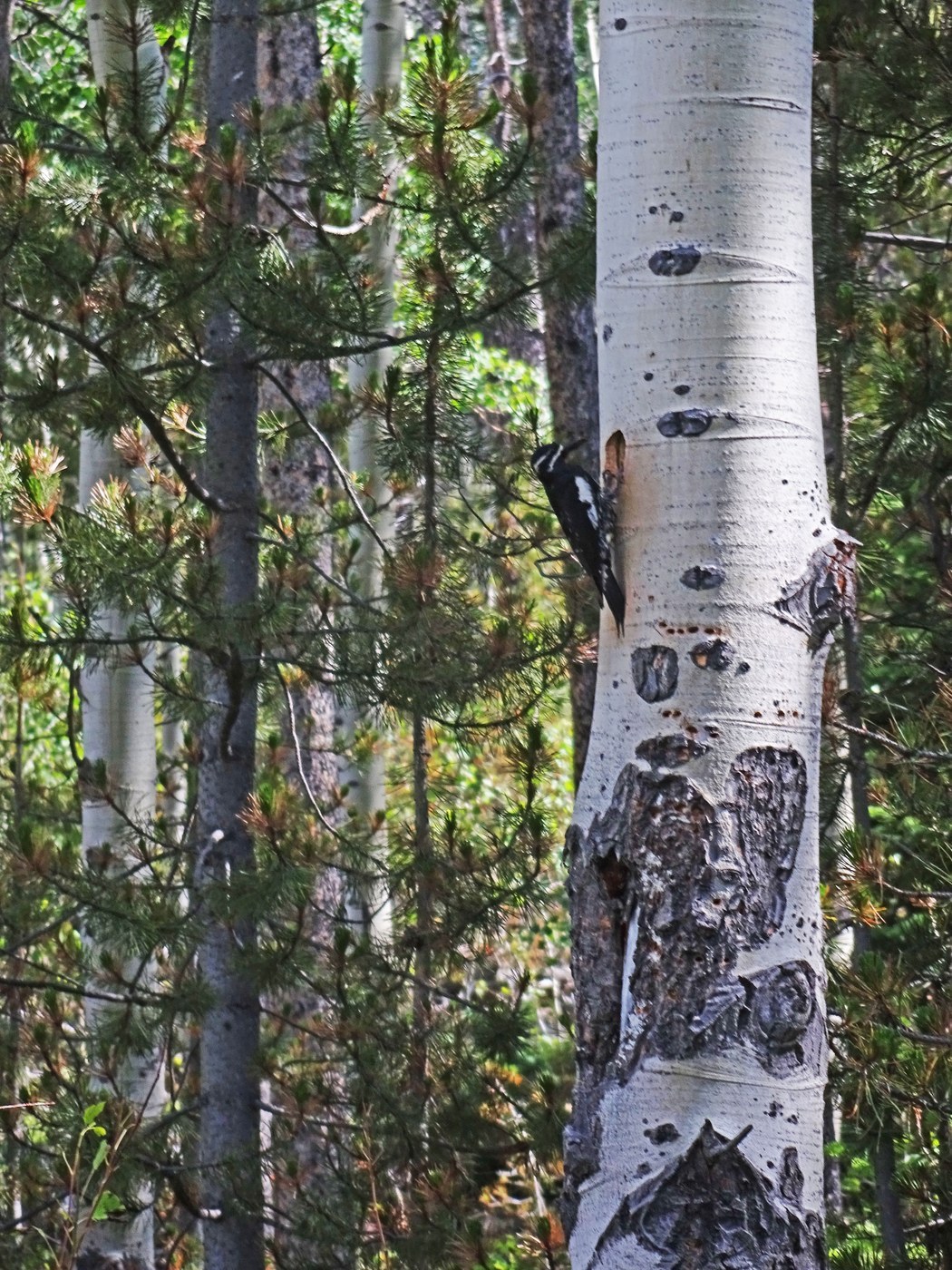
Williamson's Sapsucker
Strongly sexually dimorphic body feathers, glossy black or finely barred brown

Yellow-crowned Woodpecker
Contour and flight feathers

White Woodpecker
Mostly white body feathers with contrasting black wings and back

Red-throated Wryneck
Soft, cryptically mottled contour feathers

White-bellied Woodpecker
Large, glossy black contour and flight feathers

White-backed Woodpecker
Barred back feathers rather than a solid white patch
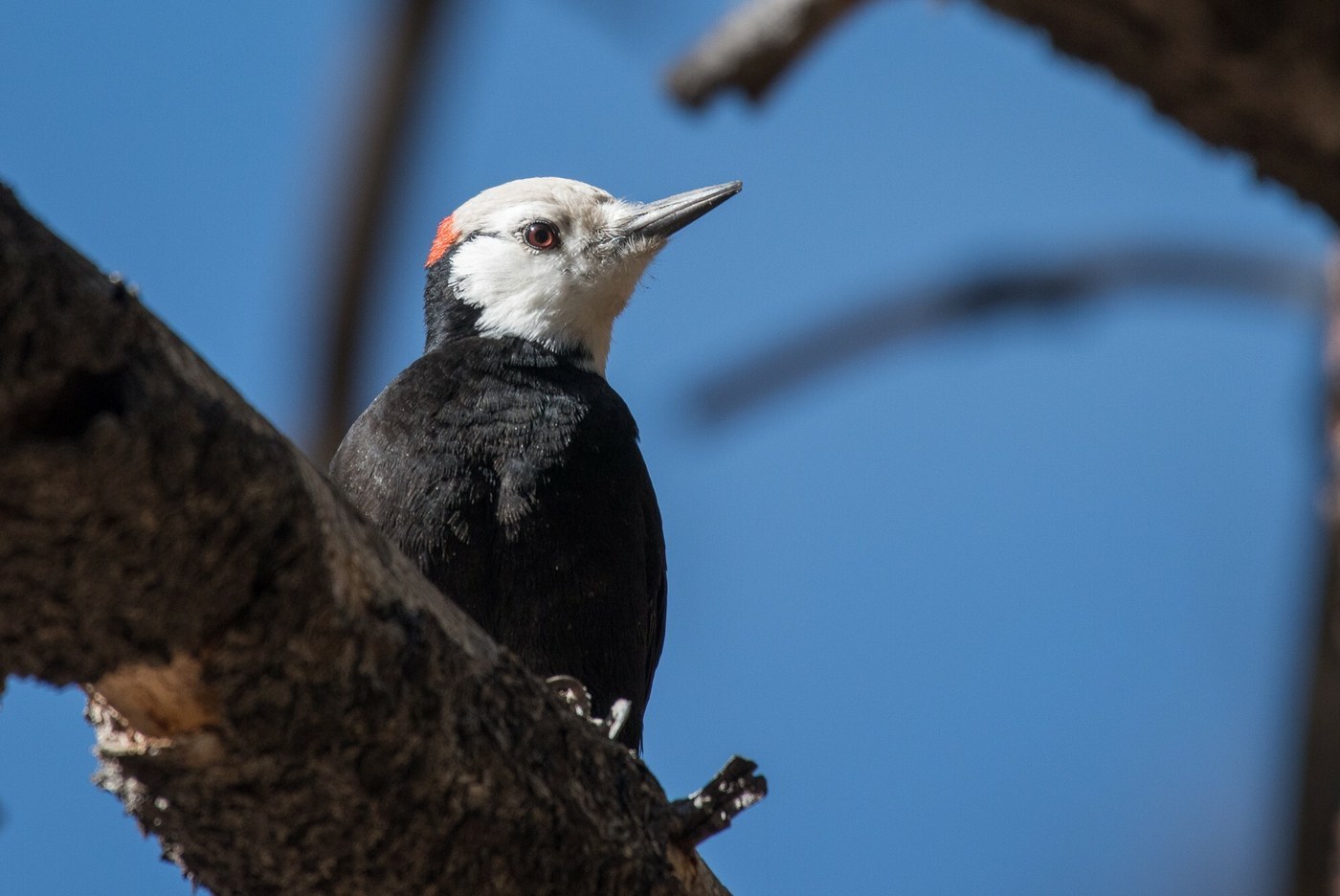
White-headed Woodpecker
Solid black body feathers with an entirely white head