

Cape Canary
Serinus canicollis
A common southern African finch showing a bright yellow face and underparts set off by a distinctive pale gray collar across the nape.
- Feather type
- Small, dense contour feathers; short pointed wings
- Colours
- Yellow face and underparts, gray nape collar, olive-green back
- Bird size
- Sparrow-sized, ~13 cm
Found a feather like this?
Identify any feather from a photo, free.
Overview
Overview
The Cape Canary is a familiar finch across much of southern Africa, found in fynbos, grassland, forest edge, and increasingly in gardens and agricultural land. It is a highly vocal, gregarious species, often forming large flocks outside the breeding season. The gray collar across the nape is a distinctive feature separating it from other yellow African canaries.
Identifying the Feather
Feather Identification
- Face and underparts are bright yellow, brightest on the forehead and throat
- A pale gray band or collar crosses the nape, a key diagnostic feature separating this species from similar yellow canaries
- Back and wings are olive-green, with darker flight feathers showing pale edges
- Tail feathers are dark olive with paler edges
- Females and juveniles are duller, with a less vivid yellow face and reduced contrast in the gray collar
- Distinguished from Yellow Canary and other Crithagra/Serinus species by the combination of gray nape collar with yellow face and underparts
Plumage & Molt
Plumage Notes
Adults show bright yellow faces and underparts, olive-green upperparts, and a distinctive pale gray nape collar, more pronounced in males. Females and juveniles are duller overall, with less vivid yellow and a less defined collar. A single annual molt follows breeding, with juveniles gradually attaining adult coloration.
Habitat & Range
Habitat & Range
Widespread across South Africa, Lesotho, Eswatini, and adjacent regions, occupying fynbos, grassland, forest edge, and increasingly urban gardens and farmland. It is largely resident, though some populations make local movements related to food availability and breeding.
Behavior & Field Notes
Behavior & Field Notes
Cape Canaries forage in flocks on the ground and in low vegetation, feeding on seeds of grasses and various plants, and are frequent visitors to gardens with seed-bearing plants or feeders. Nests are built in shrubs or trees. The song is a pleasant, varied warbling typical of canaries, often delivered from an exposed perch. It is one of the more familiar and readily observed finches across much of its southern African range.
Frequently asked questions
What is the diagnostic feather feature of the Cape Canary?
A pale gray collar across the nape combined with a bright yellow face and underparts and olive-green upperparts.
Where does the Cape Canary live?
In fynbos, grassland, forest edge, and gardens across South Africa and neighboring countries in southern Africa.
Do males and females look different?
Males show brighter yellow and a more defined gray collar, while females and juveniles are duller overall.
Is the Cape Canary migratory?
It is mostly resident, with only local movements related to food and breeding rather than true migration.
Cape Canary guides
In-depth guides for identifying and understanding Cape Canary.

Other feathers you may enjoy

Yellow-breasted Bunting
Contour and flight feathers, chestnut-and-yellow breeding pattern
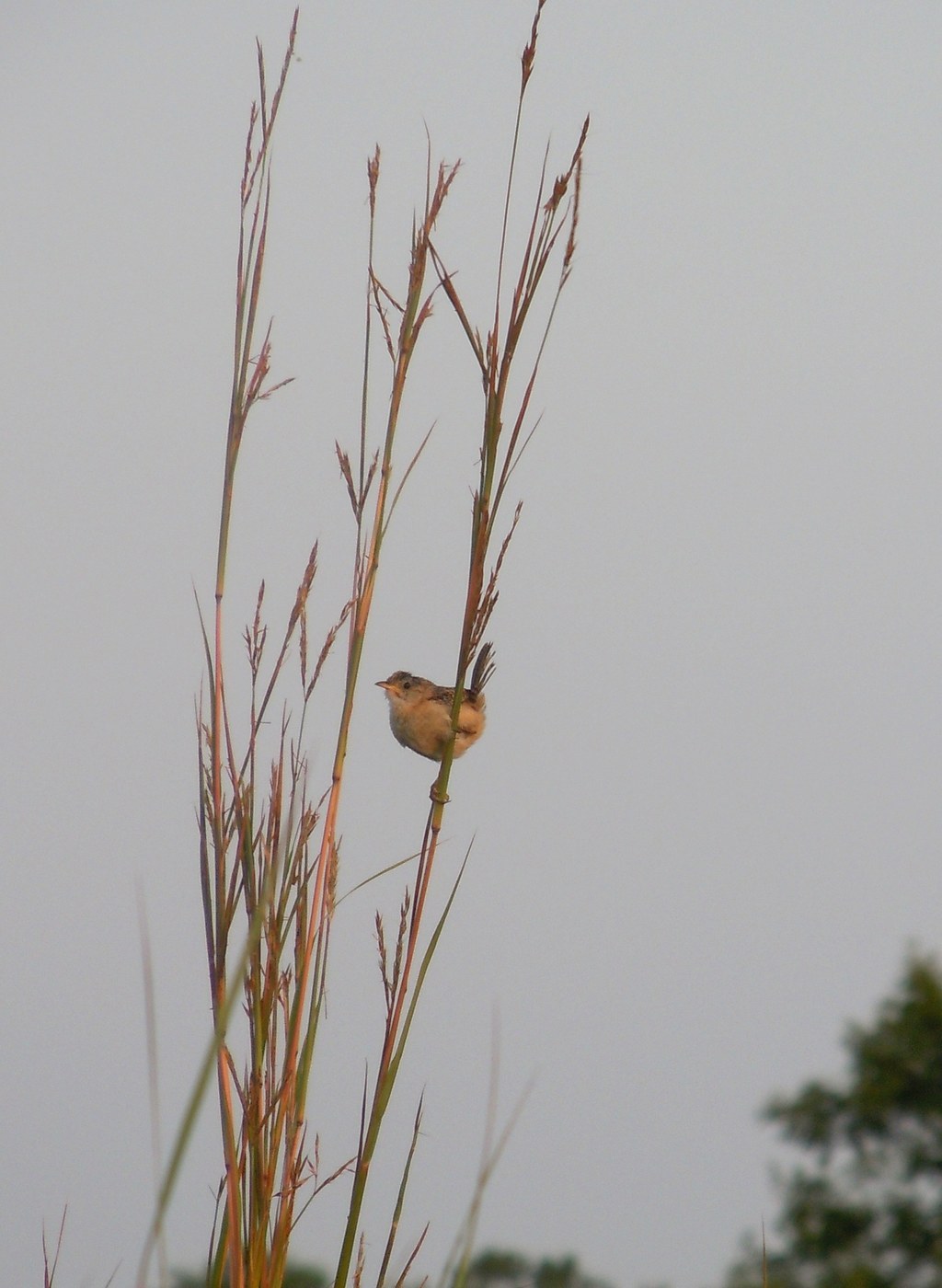
Sedge Wren
Tiny streaked crown and back feathers

Yellow-winged Cacique
Glossy black body feathers, yellow wing patch, shaggy crest

Yellow Warbler
Small contour and flight feathers
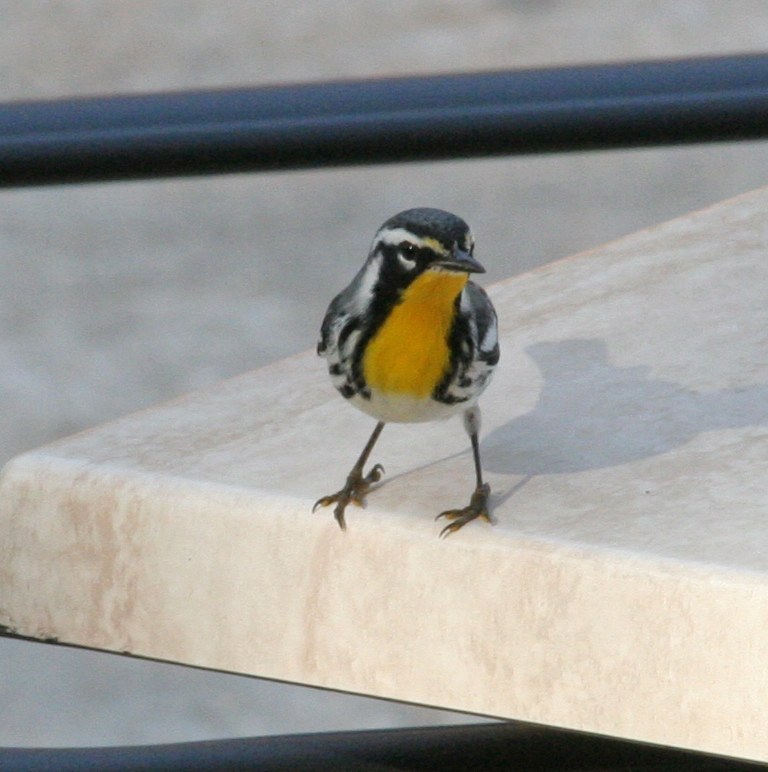
Yellow-throated Warbler
Small contour and flight feathers
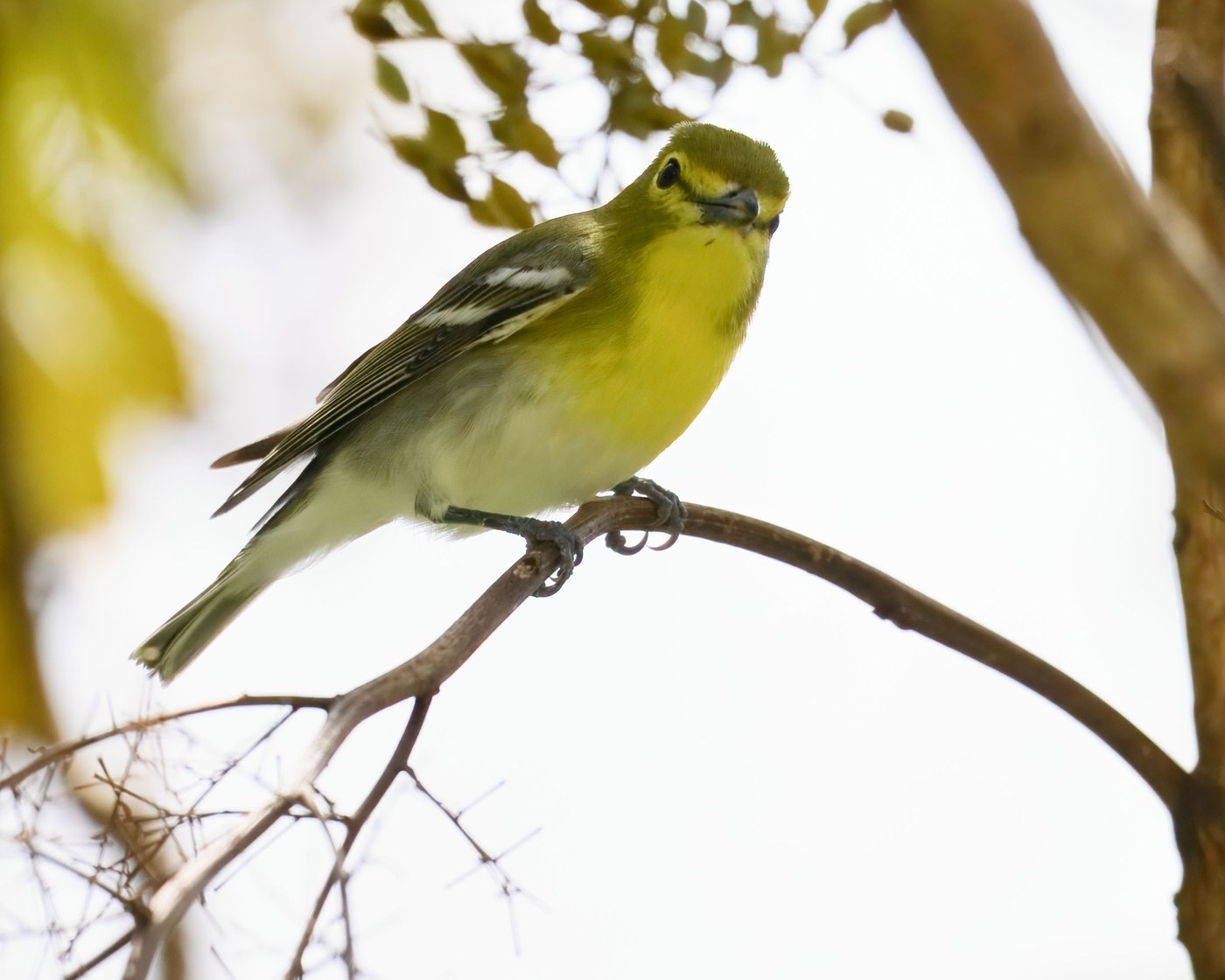
Yellow-throated Vireo
Bright yellow throat and spectacle feathers; olive-green back feathers; two white wing-bar feathers

Yellow-rumped Warbler
Small contour and flight feathers
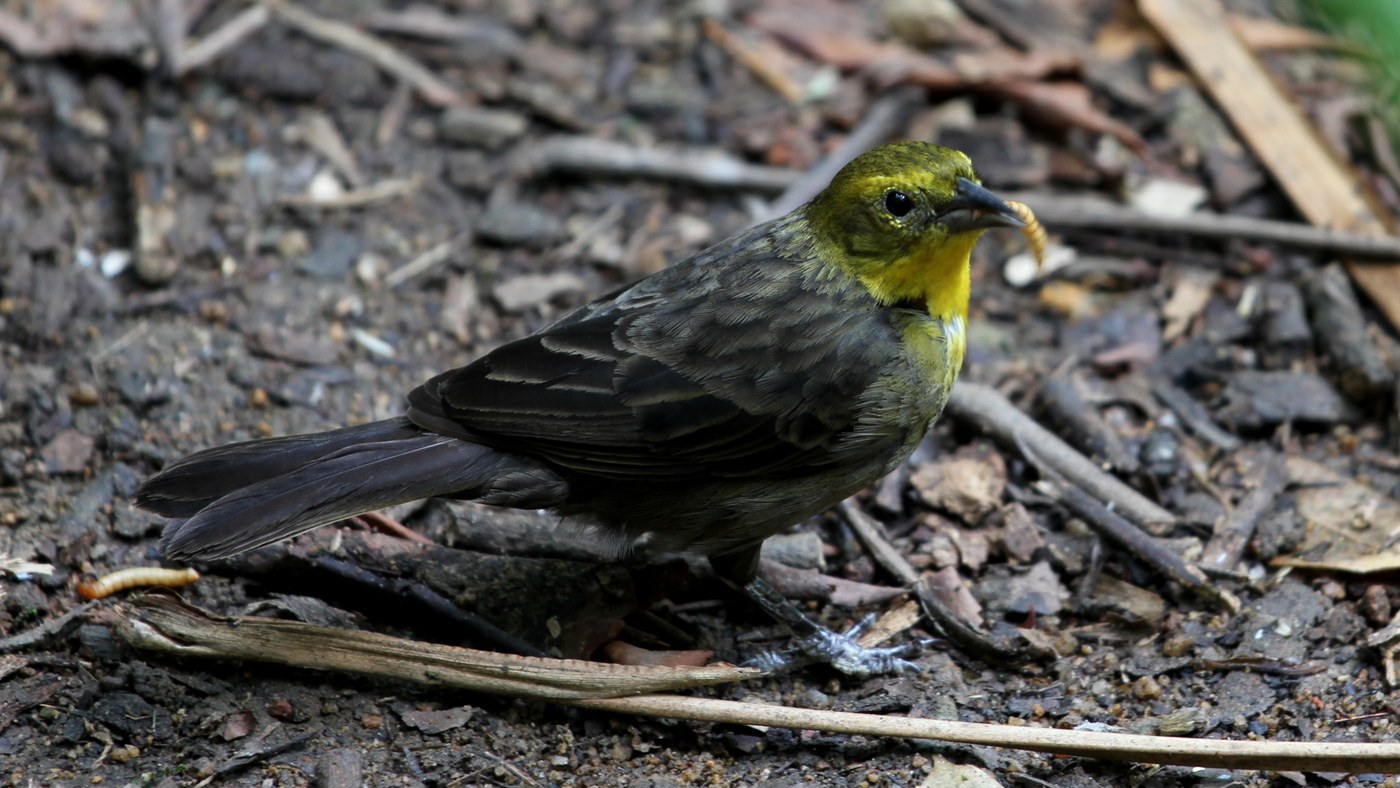
Yellow-hooded Blackbird
Contrasting hood and body feathers
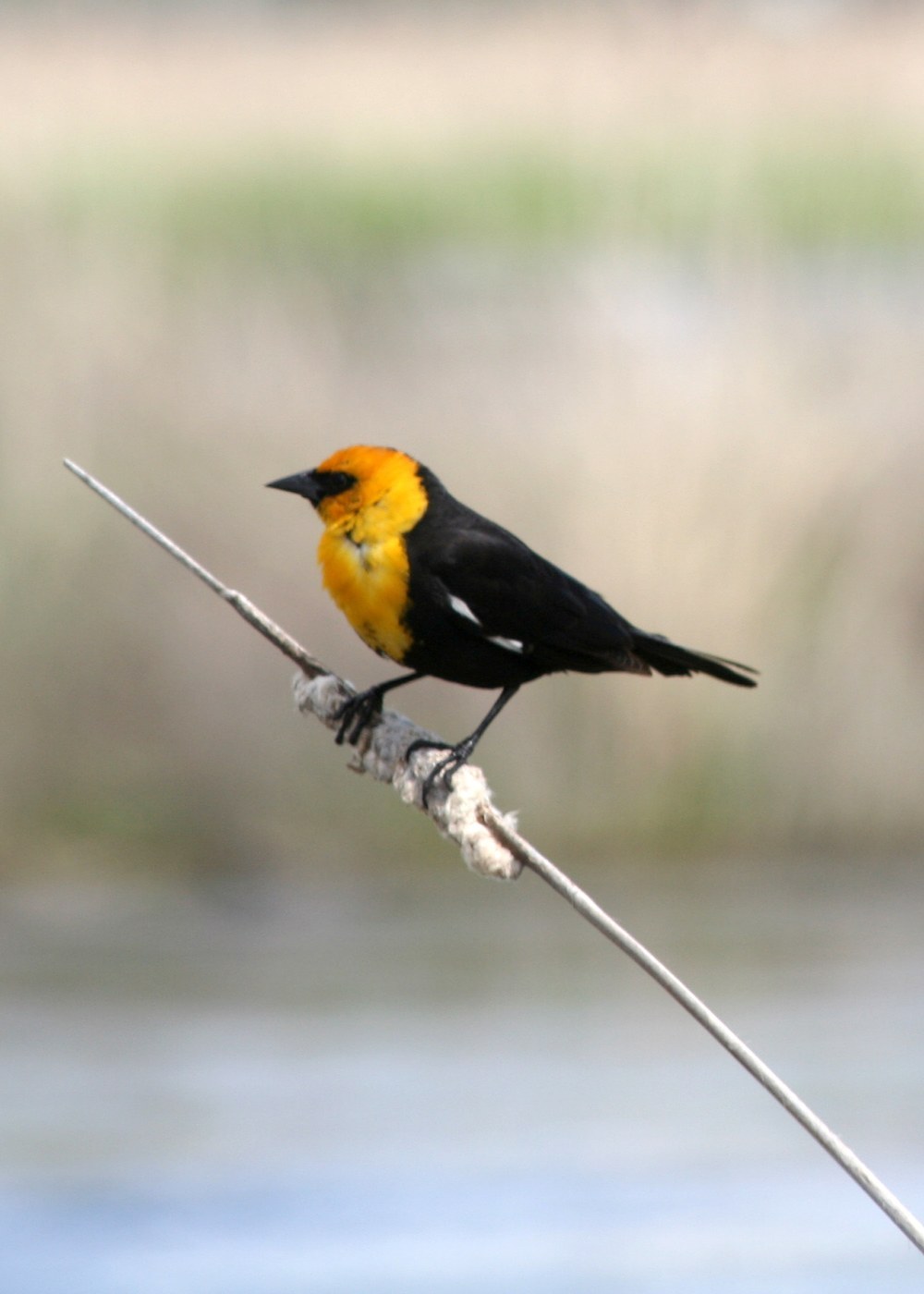
Yellow-headed Blackbird
Glossy black body plumage with a bright yellow head and breast

Yellow-eyed Junco
Contour and flight feathers

Yellow-fronted Canary
Small, smooth body plumage

Yellow-breasted Greenfinch
Compact, smooth body plumage