

Carolina Wren
Thryothorus ludovicianus
A chunky, warm rufous wren of southeastern thickets whose barred tail feathers and loud, ringing song make it one of the most conspicuous small birds around brushy yards.
- Feather type
- Contour, tail, and short rounded flight feathers
- Colours
- Warm rufous-brown, buff, dark barring
- Bird size
- Small, ~14 cm
Found a feather like this?
Identify any feather from a photo, free.
Overview
The Carolina Wren is a stocky, energetic wren found year-round in the southeastern and eastern-central United States. Its feathers are a rich, warm rufous-brown above with a bold whitish eyebrow stripe, and the tail is proportionally long and often held cocked upward. Because the species is nonmigratory and lives close to human dwellings, its feathers are frequently found in gardens, wood piles, and porch corners.
Identifying the Feather
Size and Shape
Feathers are small and rounded, with the tail feathers showing a distinctly barred pattern and a slightly graduated shape typical of wrens.
Color and Pattern
- Back and crown feathers: warm rufous-brown, unbarred
- Tail and wing feathers: rufous-brown crossed with fine dark bars
- Underparts: buffy-orange, unmarked
- Faint white shaft streaks may appear on some back feathers
Distinguishing from Similar Species
Carolina Wren feathers are notably warmer and more rufous than the grayer-brown House Wren, and larger and more richly colored than the smaller Winter Wren. The bold barring on the tail combined with the deep rufous tone is a reliable combination for this species.
Plumage & Molt
Sexes look alike, both showing warm rufous-brown upperparts, a bold white eyebrow stripe, and buffy-orange underparts year-round with no distinct seasonal plumage. Juveniles resemble adults but appear slightly duller and less crisply marked. Adults undergo a complete molt in late summer after breeding, and because the species does not migrate, feather wear and replacement can be observed locally throughout the year.
Habitat & Range
Carolina Wrens inhabit dense understory, tangled thickets, brush piles, and wooded suburban yards throughout the southeastern and eastern United States, with a range that has expanded northward in recent decades. The species is a year-round resident everywhere it occurs and does not migrate, though populations can crash locally after severe winters.
Behavior & Field Notes
This wren forages low in dense cover, gleaning insects and spiders from leaf litter, bark crevices, and brush piles, and also takes small fruits and seeds seasonally. It nests in cavities, dense shrubs, or artificial nooks like flowerpots and mailboxes, often building a domed nest with a side entrance. The song is a loud, ringing "tea-kettle, tea-kettle, tea-kettle," one of the most far-carrying songs of any small songbird, and both sexes give sharp scolding calls when disturbed.
Frequently asked questions
What does a Carolina Wren feather look like?
It is small, warm rufous-brown above with fine dark barring on the tail and wings, and buffy-orange underparts.
Is the Carolina Wren feather barred or plain?
The tail and flight feathers show fine dark barring over a rufous-brown base, while back feathers are mostly plain.
Do Carolina Wrens molt in winter?
No, the complete molt occurs in late summer after breeding; winter feathers are simply the worn remains of that late-summer molt.
Where are Carolina Wren feathers most often found?
Near brush piles, dense shrubs, wood piles, and suburban gardens where the birds forage close to the ground.
Carolina Wren guides
In-depth guides for identifying and understanding Carolina Wren.

Other feathers you may enjoy

Yellow-breasted Bunting
Contour and flight feathers, chestnut-and-yellow breeding pattern
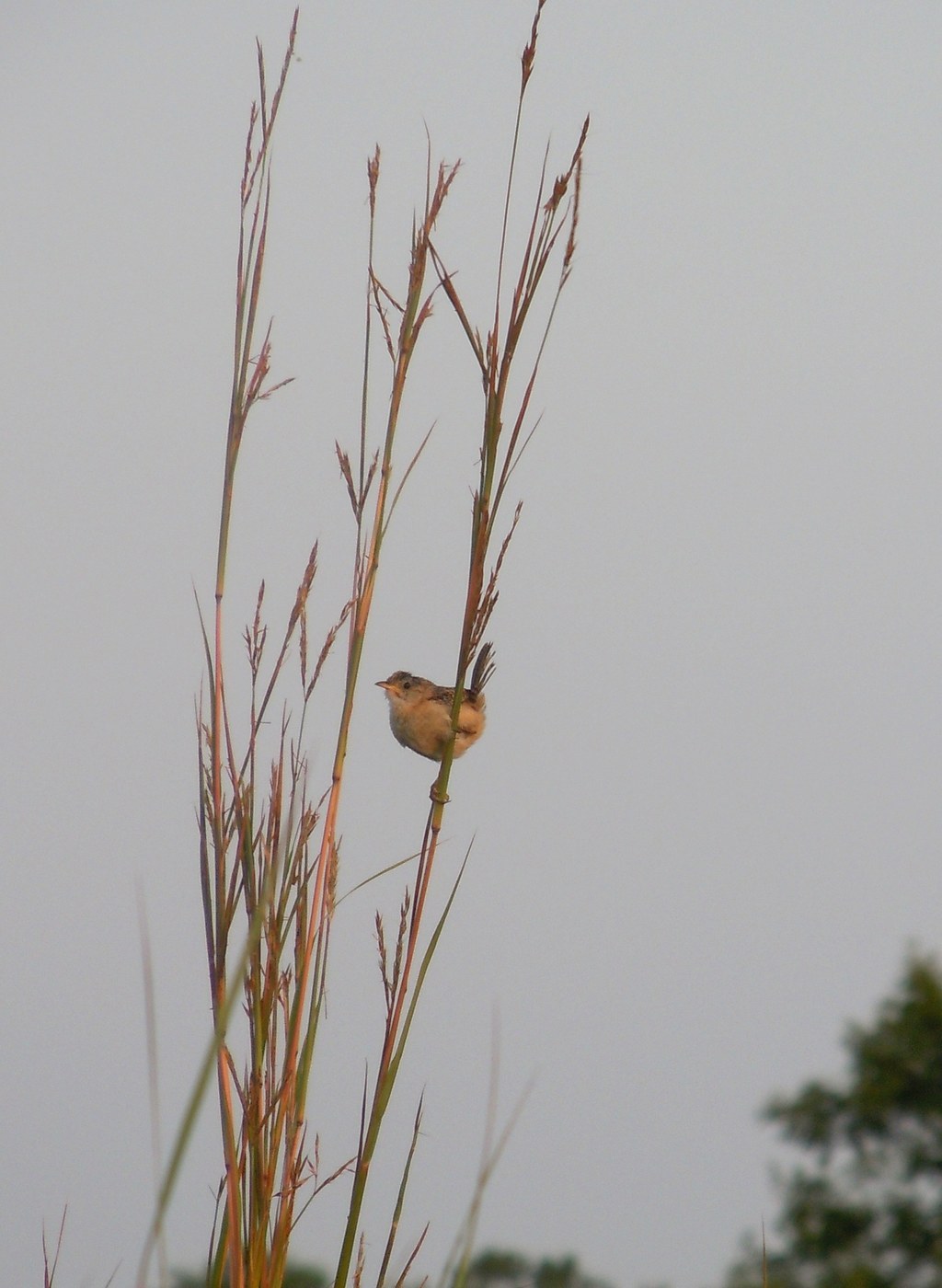
Sedge Wren
Tiny streaked crown and back feathers

Yellow-winged Cacique
Glossy black body feathers, yellow wing patch, shaggy crest

Yellow Warbler
Small contour and flight feathers
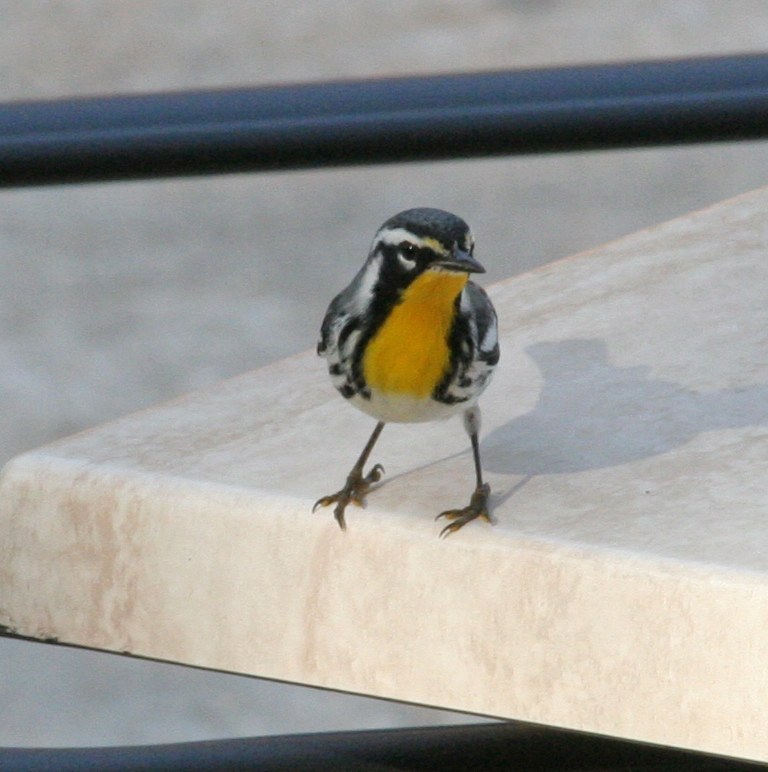
Yellow-throated Warbler
Small contour and flight feathers
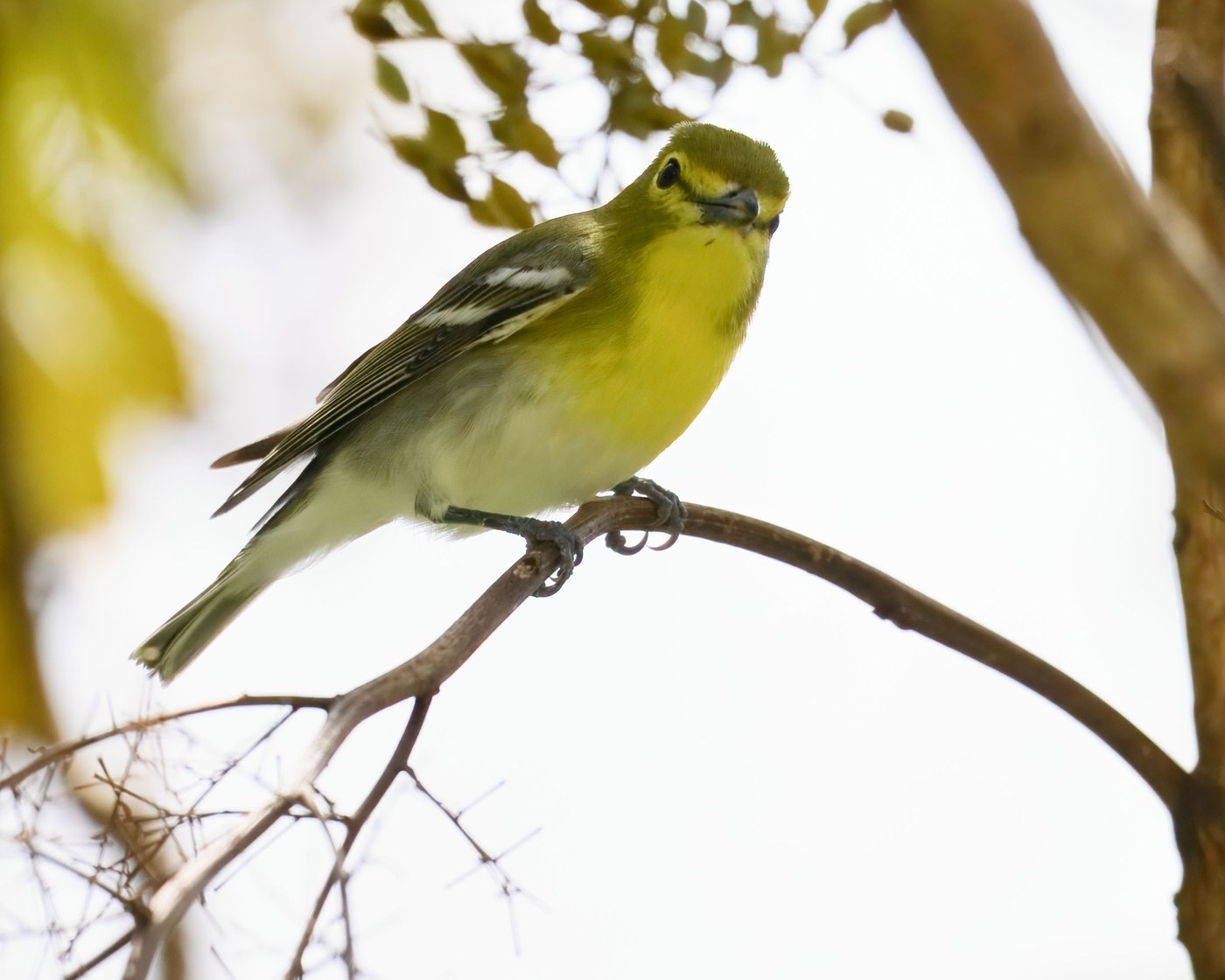
Yellow-throated Vireo
Bright yellow throat and spectacle feathers; olive-green back feathers; two white wing-bar feathers

Yellow-rumped Warbler
Small contour and flight feathers
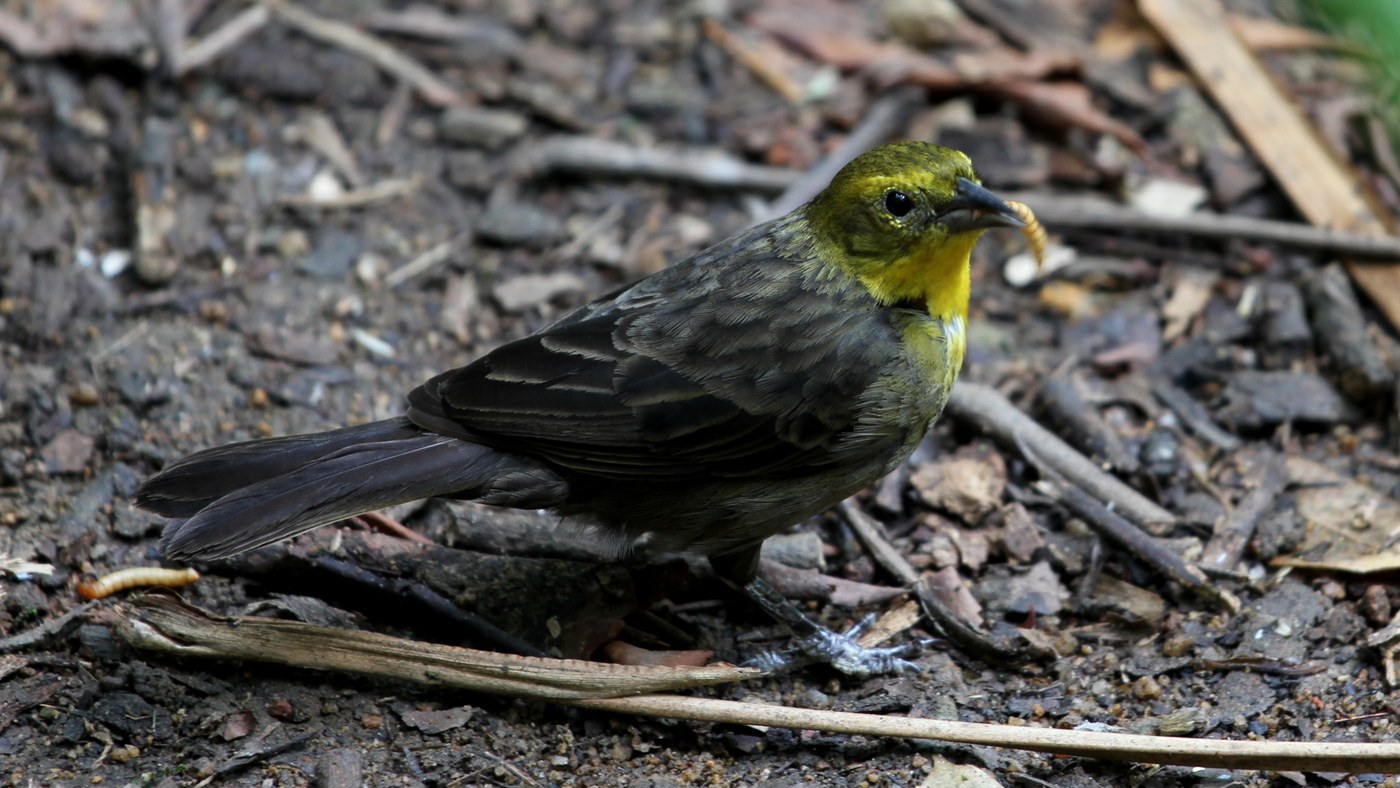
Yellow-hooded Blackbird
Contrasting hood and body feathers
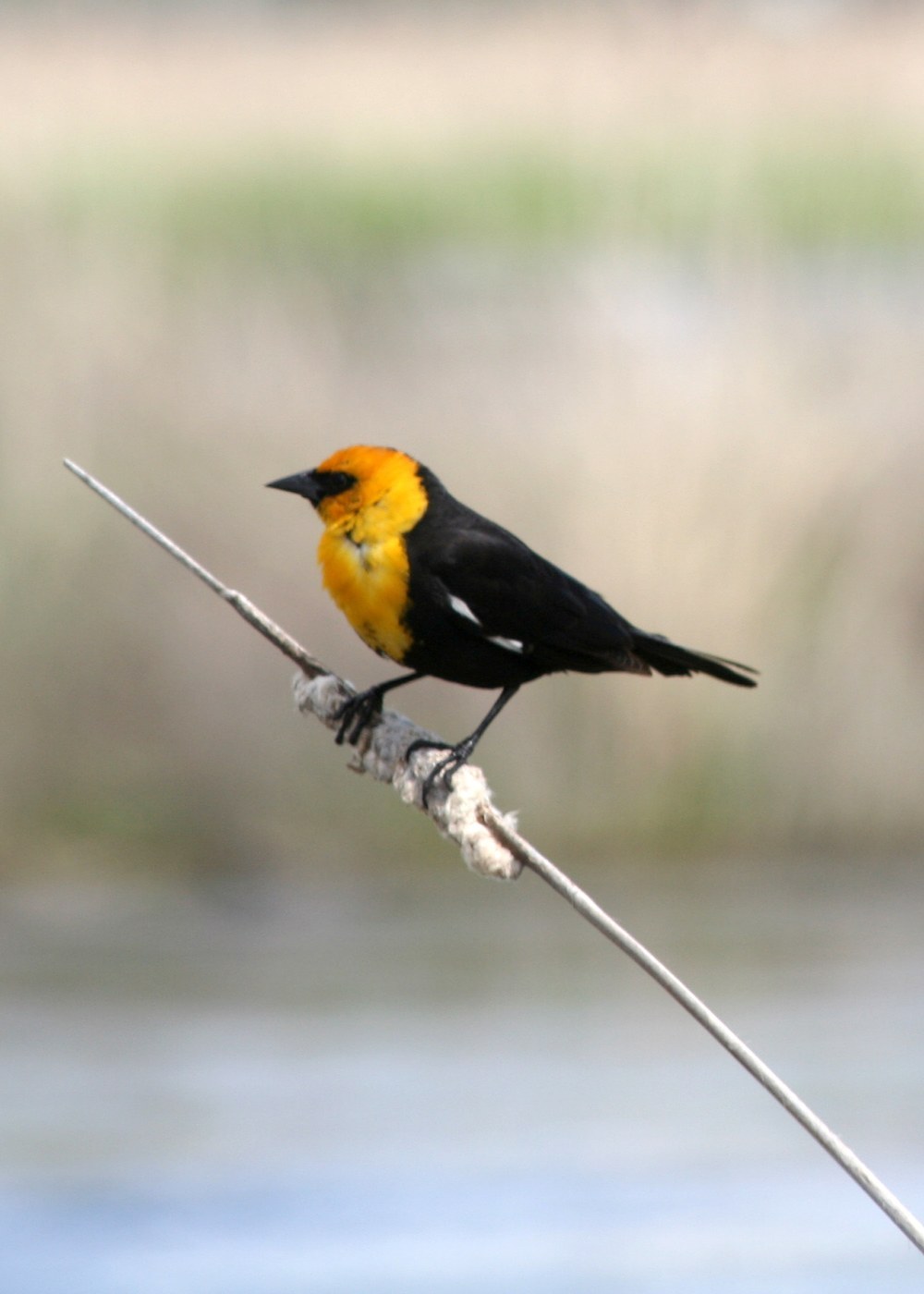
Yellow-headed Blackbird
Glossy black body plumage with a bright yellow head and breast

Yellow-eyed Junco
Contour and flight feathers

Yellow-fronted Canary
Small, smooth body plumage

Yellow-breasted Greenfinch
Compact, smooth body plumage