
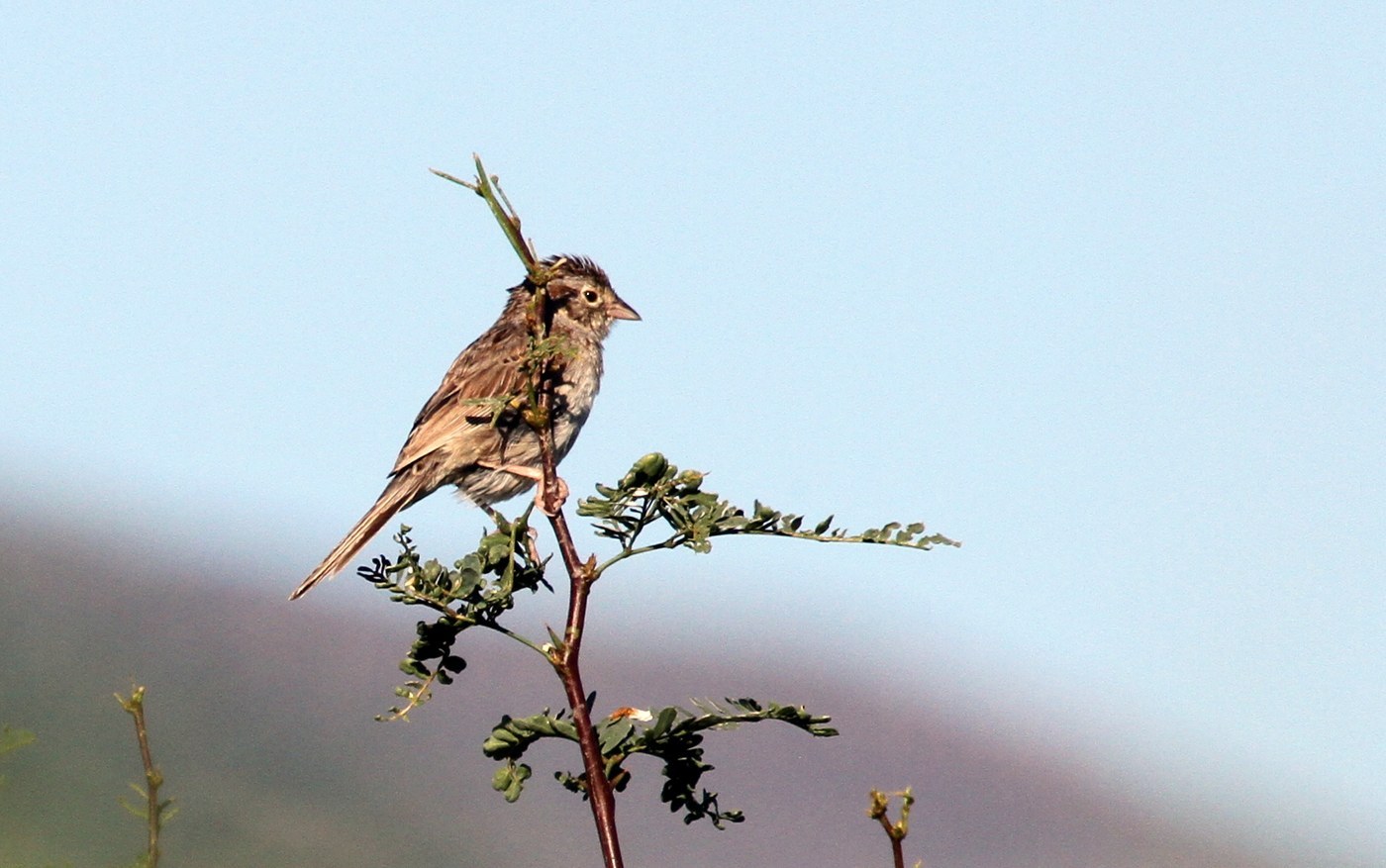
Cassin's Sparrow
Peucaea cassinii
A plain grassland sparrow best known for its distinctive skylarking display flight and musical, trilling song.
- Feather type
- Contour and flight feathers
- Colours
- Gray-brown and buff
- Bird size
- Sparrow-sized, ~15 cm
Found a feather like this?
Identify any feather from a photo, free.
Overview
Overview
Cassin's Sparrow is a plain, unobtrusively marked sparrow of desert and semi-arid grassland across the southern Great Plains and southwestern United States. Its subdued plumage makes visual identification less straightforward than its distinctive song-flight behavior, which is often the clearest way to detect the species.
Populations can fluctuate noticeably from year to year depending on rainfall and resulting grassland vegetation conditions, making the species more or less common in a given area from one season to the next.
Identifying the Feather
Feather Identification
- Crown and back feathers: plain grayish-brown with fine, subtle streaking, lacking bold pattern contrast
- Underparts: plain buffy-white, essentially unstreaked
- Tail feathers: dark brown with narrow pale tips or edges on the outer feathers, subtler than the bold white tail corners of Lark Sparrow
- Face feathers: plain, without strong facial pattern, giving an overall nondescript appearance
- Compared to other grassland sparrows: Cassin's Sparrow is notably plain and lacks the bold facial or breast markings shown by species like Lark Sparrow or Grasshopper Sparrow, making its distinctive skylarking flight display an important identification aid
Plumage & Molt
Plumage Notes
Sexes look alike, both showing the same plain grayish-brown plumage with subtle streaking. Fresh fall plumage following the post-breeding molt can appear slightly richer and more patterned, while breeding-season birds may look more worn and plain. Juveniles show finer overall streaking across the underparts, differing subtly from the plainer adult pattern, before completing their first fall molt. A single complete molt follows breeding in adults, with the plain overall appearance changing only modestly with wear and season compared to more boldly patterned sparrow species.
Habitat & Range
Habitat & Range
Cassin's Sparrows breed across desert and semi-arid grassland habitat of the southern Great Plains and southwestern United States, favoring areas with a mix of grass cover and scattered low shrubs. Populations shift southward in winter into similar habitat in Mexico, though some birds may remain resident in parts of the range under favorable conditions. The species' abundance in a given area often tracks rainfall patterns, with wetter years producing denser grass growth that supports higher breeding numbers.
Behavior & Field Notes
Behavior & Field Notes
Cassin's Sparrows forage on the ground within grass and low shrub cover, feeding on seeds and invertebrate food, and are often more easily detected by their display flight than by sight while foraging. During the breeding season, males perform a distinctive skylarking flight, rising from a perch and fluttering while singing before dropping back down. The song given during this display flight is a series of clear, musical whistled notes followed by a trill, quite different in delivery from the song of many other sparrows. Nests are built on the ground, well hidden within grass cover.
Frequently asked questions
What is the most reliable way to detect Cassin's Sparrow?
Its distinctive skylarking display flight, in which males rise from a perch and flutter while singing before dropping back down, is often more noticeable than its plain plumage.
Why does this species vary in abundance from year to year?
Population numbers often track rainfall patterns, with wetter years producing denser grass growth that supports greater breeding activity and higher local numbers.
How does its plumage compare to other grassland sparrows?
It is notably plain, lacking the bold facial or breast markings seen in species like Lark Sparrow or Grasshopper Sparrow, making behavior an important identification aid.
What habitat does Cassin's Sparrow prefer?
Desert and semi-arid grassland with a mix of grass cover and scattered low shrubs across the southern Great Plains and southwestern United States.
Cassin's Sparrow guides
In-depth guides for identifying and understanding Cassin's Sparrow.
Other feathers you may enjoy

Yellow-breasted Bunting
Contour and flight feathers, chestnut-and-yellow breeding pattern
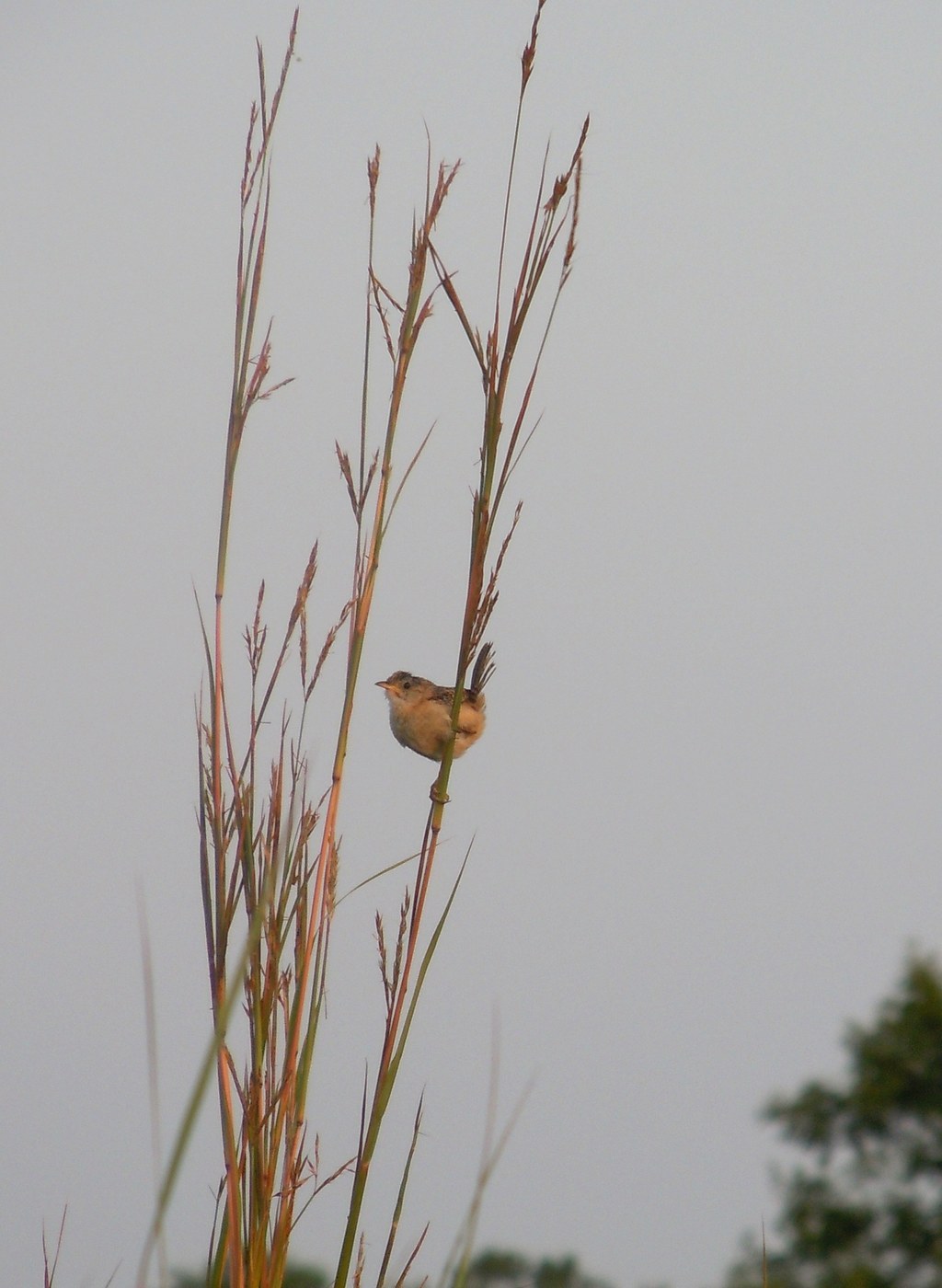
Sedge Wren
Tiny streaked crown and back feathers

Yellow-winged Cacique
Glossy black body feathers, yellow wing patch, shaggy crest

Yellow Warbler
Small contour and flight feathers
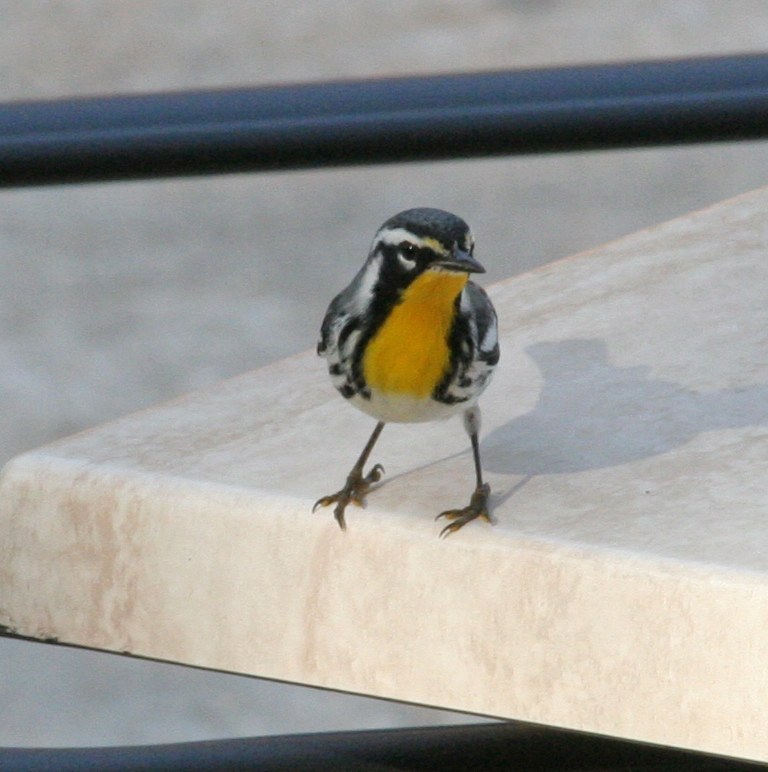
Yellow-throated Warbler
Small contour and flight feathers
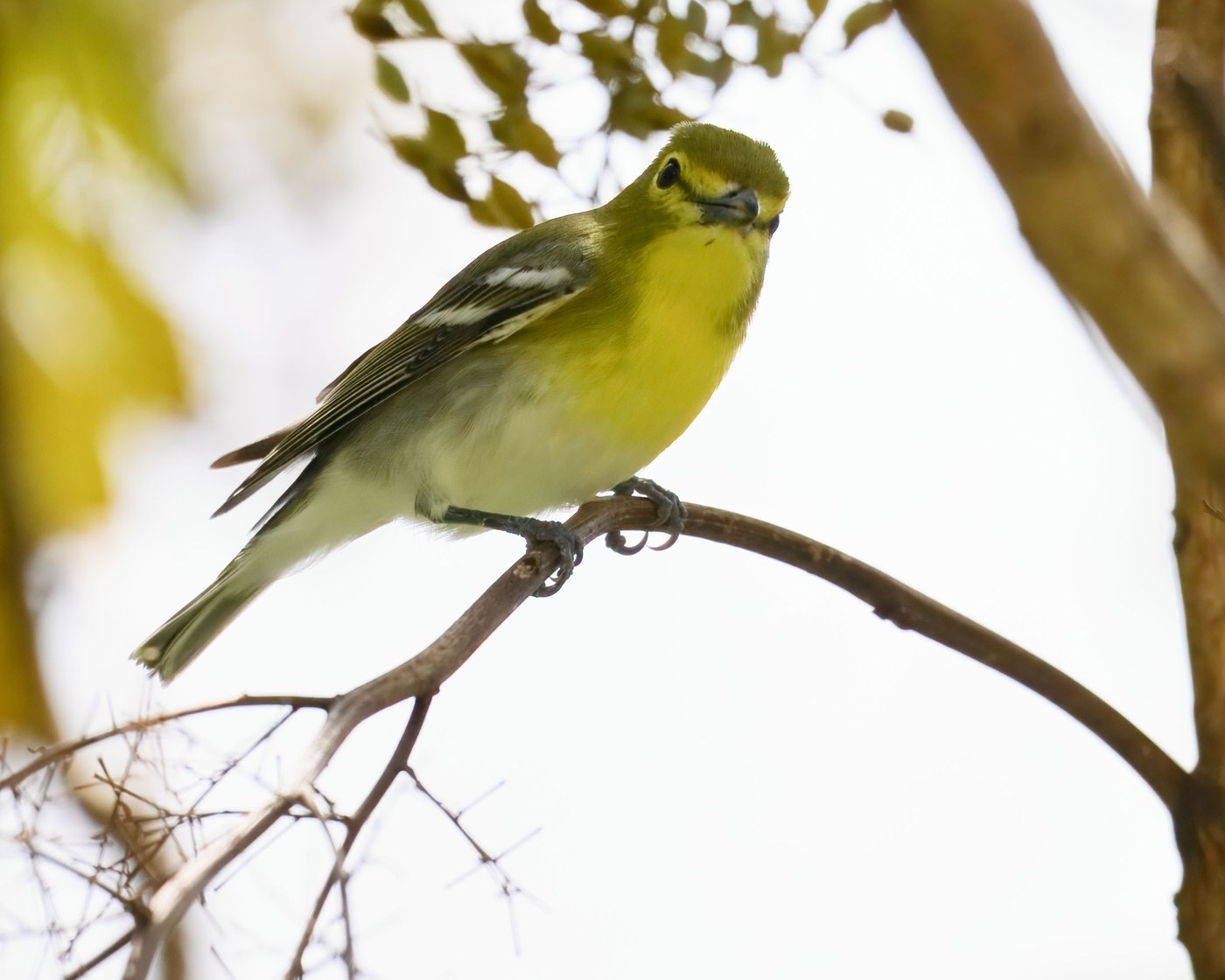
Yellow-throated Vireo
Bright yellow throat and spectacle feathers; olive-green back feathers; two white wing-bar feathers

Yellow-rumped Warbler
Small contour and flight feathers
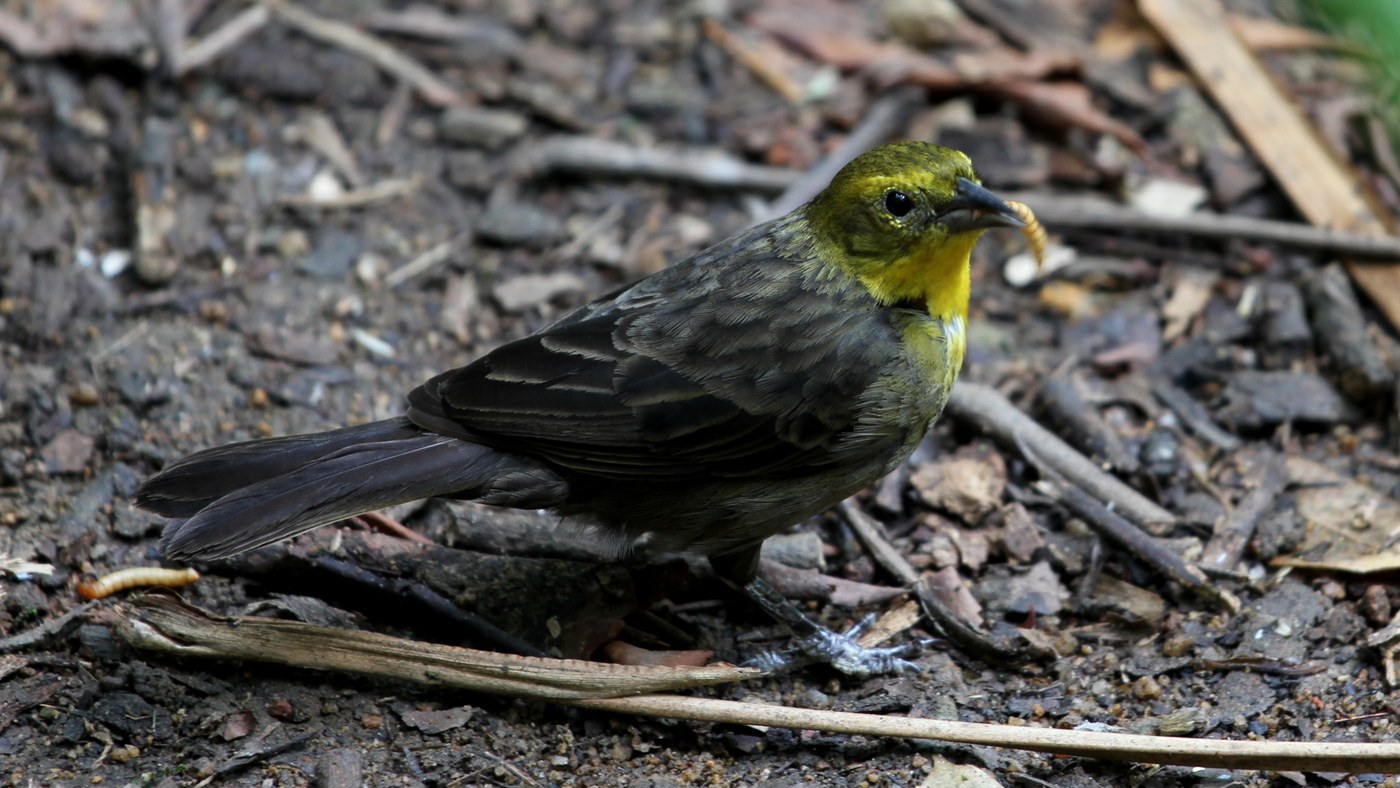
Yellow-hooded Blackbird
Contrasting hood and body feathers
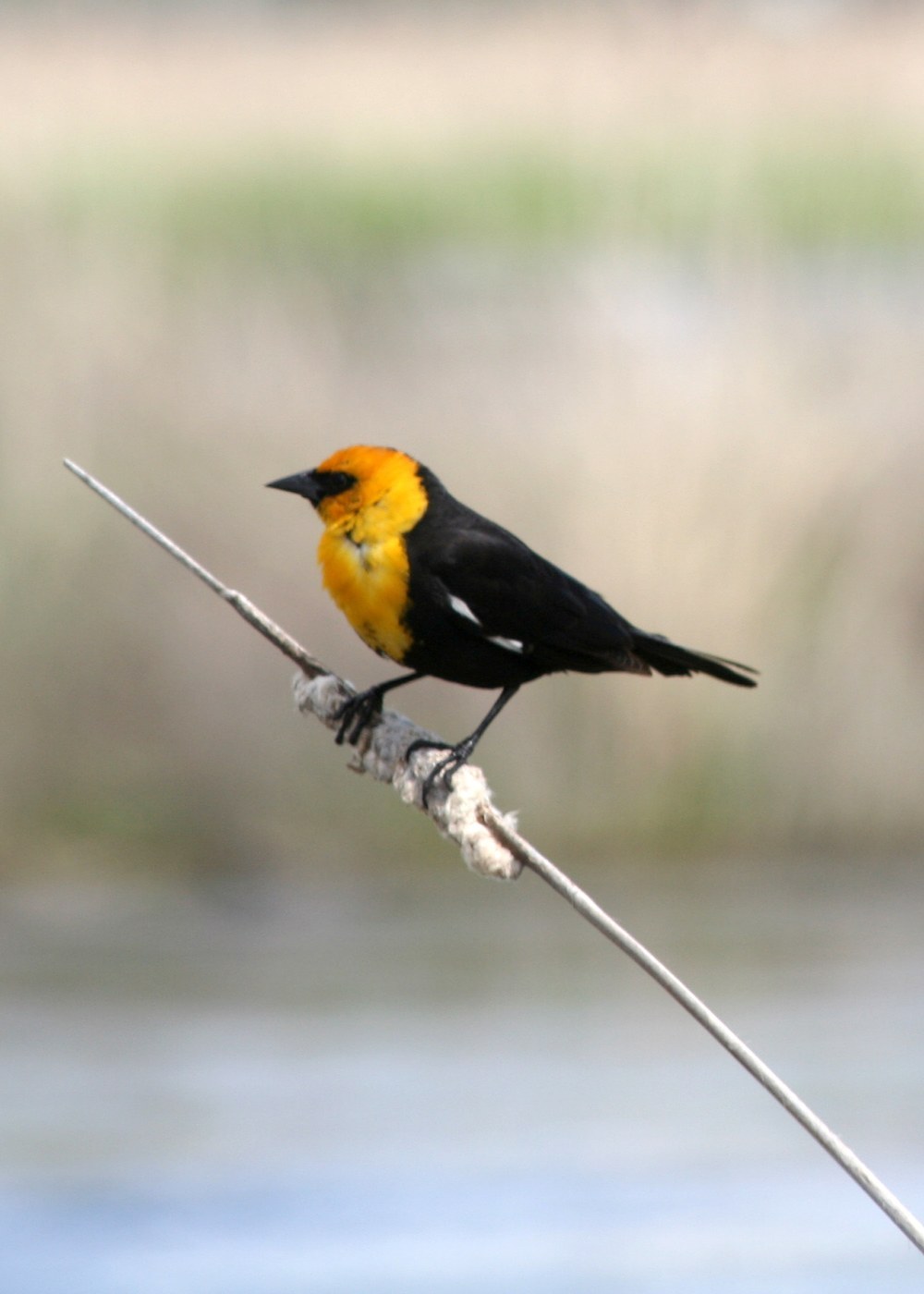
Yellow-headed Blackbird
Glossy black body plumage with a bright yellow head and breast

Yellow-eyed Junco
Contour and flight feathers

Yellow-fronted Canary
Small, smooth body plumage

Yellow-breasted Greenfinch
Compact, smooth body plumage