

Cinereous Bunting
Emberiza cineracea
A pale, ash-grey bunting of southeastern European and Middle Eastern hillsides, with a faint yellow wash on the throat and underparts.
- Feather type
- Ashy-grey body feathers with faint streaking
- Colours
- Ash-grey, pale yellow, and buff
- Bird size
- Sparrow-sized, ~16-17 cm
Found a feather like this?
Identify any feather from a photo, free.
Overview
Overview
The Cinereous Bunting breeds in a limited range across southeastern Europe, Turkey, and the Middle East, wintering in northeastern Africa. Its muted grey tones and subtle yellow wash make it one of the least colorful buntings in its family.
It favors dry, rocky, sparsely vegetated hillsides, often at some elevation.
Identifying the Feather
Feather Identification
- Head and upperparts: ashy grey, with only faint darker streaking on the back.
- Throat and underparts: pale, washed with a soft yellow tone, more evident up close.
- Wings: grey-brown with narrow pale feather edges.
- Bill: relatively stout and pale, typical of ground-foraging buntings.
The overall pale ashy tone with a subtle yellow wash, lacking any chestnut or bold black markings, separates this species from most other Emberiza buntings.
Plumage & Molt
Plumage Notes
Males in breeding condition show the cleanest ashy-grey tone with the most noticeable yellow wash on the throat. Females are duller and browner, with the yellow tinge often reduced to a faint hint.
Juveniles are more streaked and buffy overall. A single post-breeding molt occurs, after which plumage remains fairly stable through the winter months.
Habitat & Range
Habitat & Range
The breeding range is patchy, covering parts of Greece, Turkey, and the Middle East, typically in dry, rocky, sparsely wooded hillsides. The species migrates to winter in northeastern Africa.
Its restricted and scattered breeding distribution makes it a locally uncommon bunting, tied closely to specific arid hill habitats.
Behavior & Field Notes
Behavior & Field Notes
Cinereous Buntings forage on the ground among rocks and sparse vegetation for seeds and insects, often perching on rocks or low bushes to sing.
The nest is built on the ground, sheltered by rocks or low scrub. The song is a simple, unhurried series of notes. Because of its plain coloring, careful attention to the pale ashy tone and faint yellow wash is needed to separate it from other grey-toned buntings in the region.
Frequently asked questions
What is distinctive about the Cinereous Bunting's coloring?
It shows an overall ashy-grey tone with only a faint yellow wash on the throat and underparts, lacking bold chestnut or black markings.
Where is this bunting typically found?
It breeds on dry, rocky hillsides in parts of southeastern Europe, Turkey, and the Middle East, wintering in northeastern Africa.
How do females differ from males?
Females are duller and browner overall, with the yellow wash on the underparts often reduced to a faint hint compared with breeding males.
Is this a common bunting to encounter?
It has a restricted and patchy breeding distribution, making it a locally uncommon species tied to specific arid hillside habitats.
Cinereous Bunting guides
In-depth guides for identifying and understanding Cinereous Bunting.

Other feathers you may enjoy

Yellow-breasted Bunting
Contour and flight feathers, chestnut-and-yellow breeding pattern
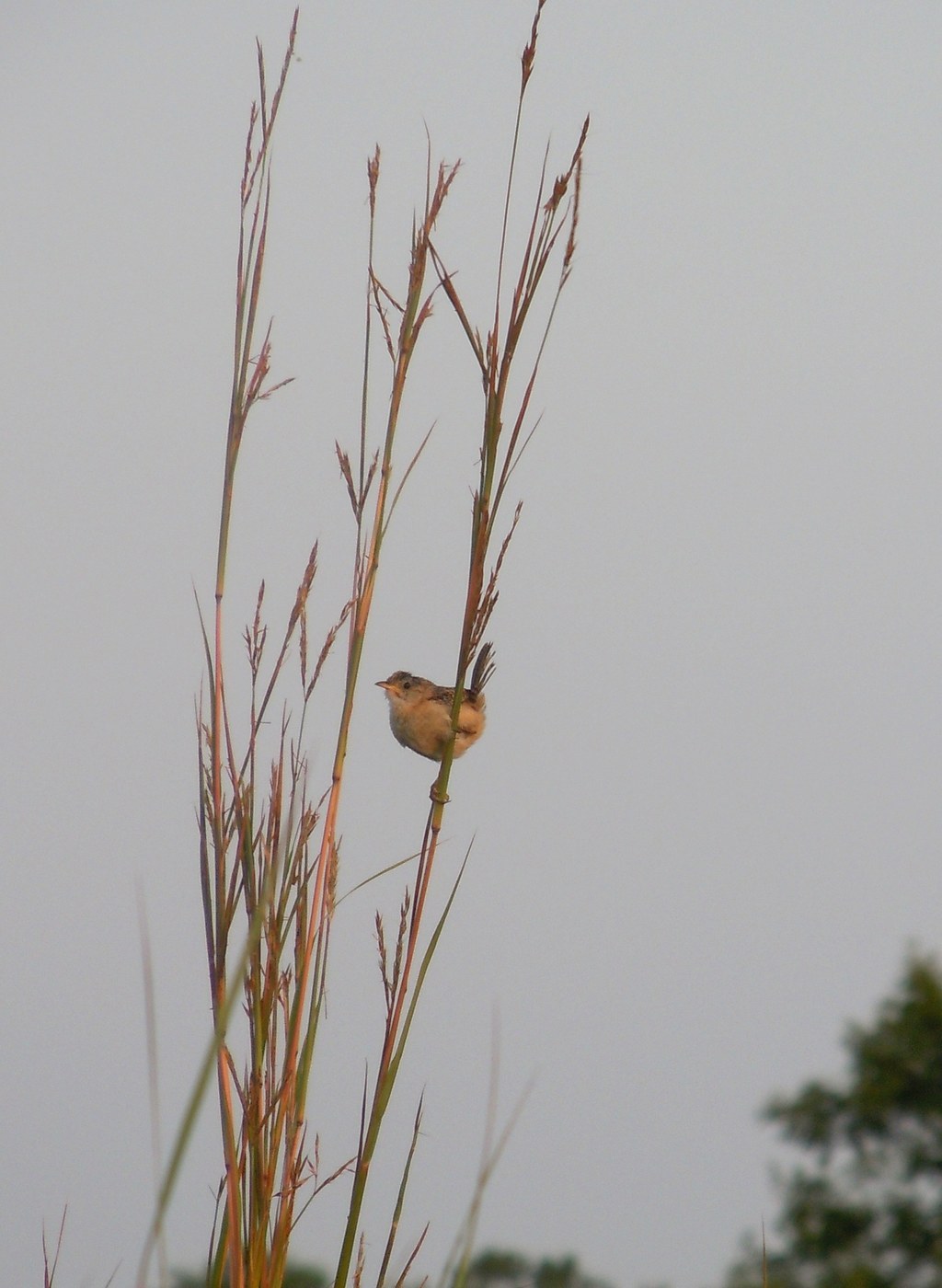
Sedge Wren
Tiny streaked crown and back feathers

Yellow-winged Cacique
Glossy black body feathers, yellow wing patch, shaggy crest

Yellow Warbler
Small contour and flight feathers
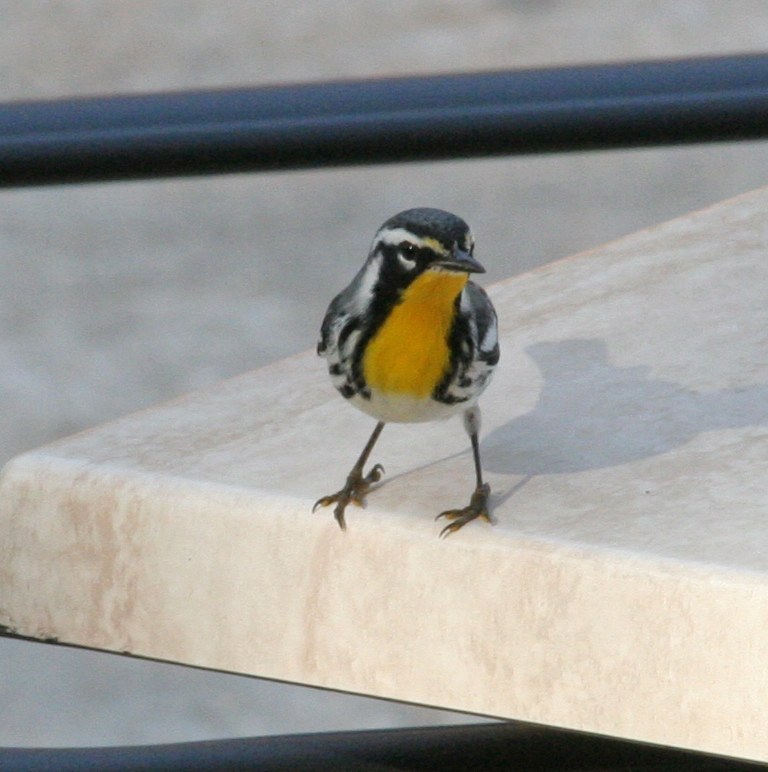
Yellow-throated Warbler
Small contour and flight feathers
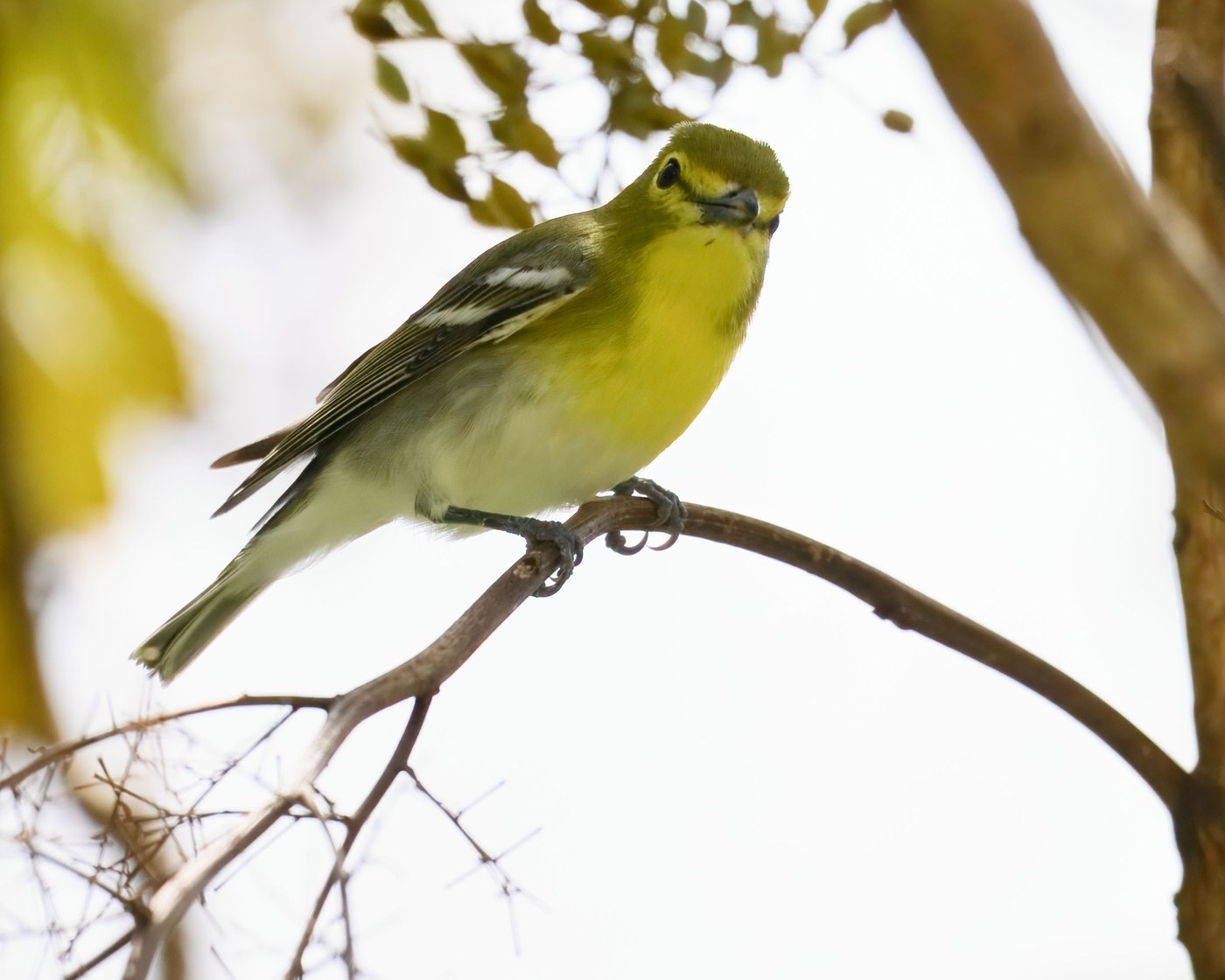
Yellow-throated Vireo
Bright yellow throat and spectacle feathers; olive-green back feathers; two white wing-bar feathers

Yellow-rumped Warbler
Small contour and flight feathers
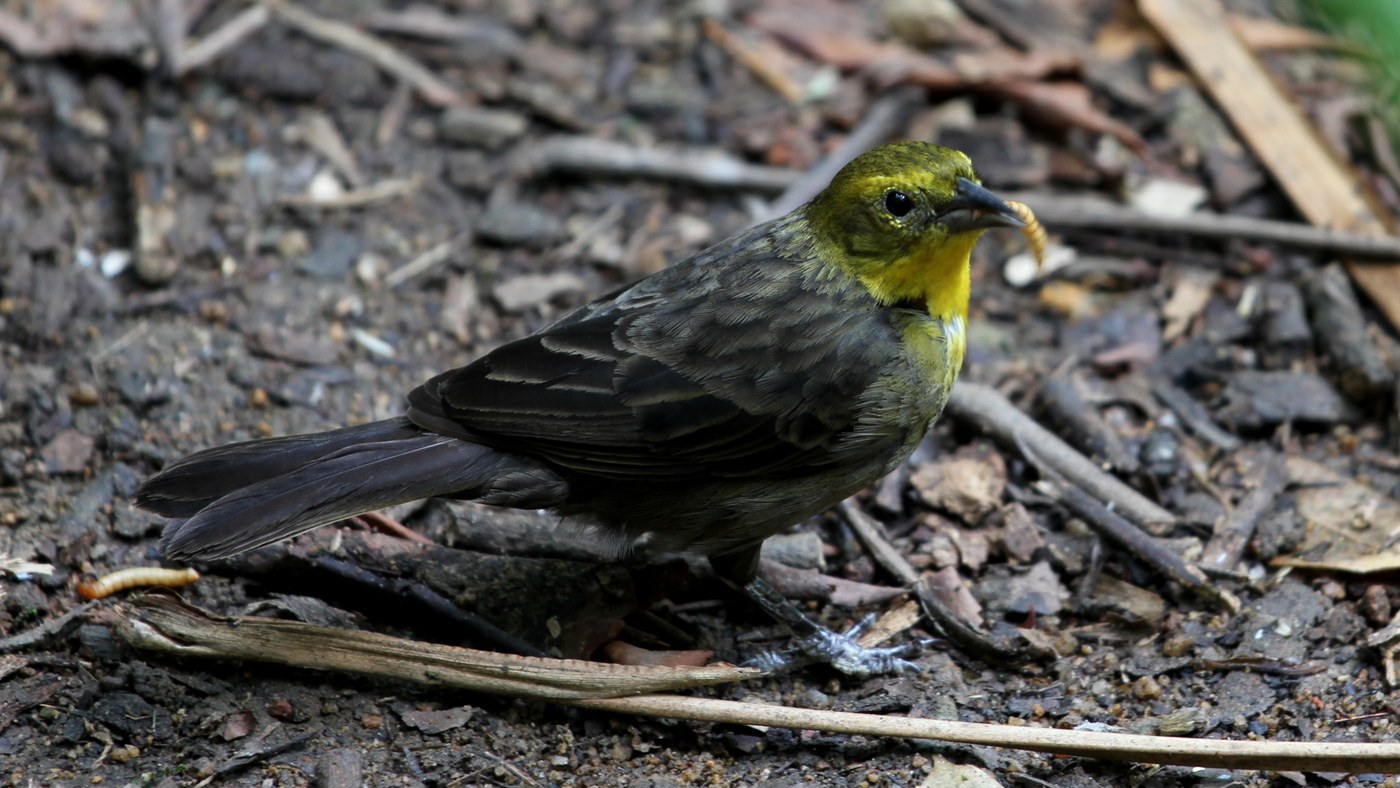
Yellow-hooded Blackbird
Contrasting hood and body feathers
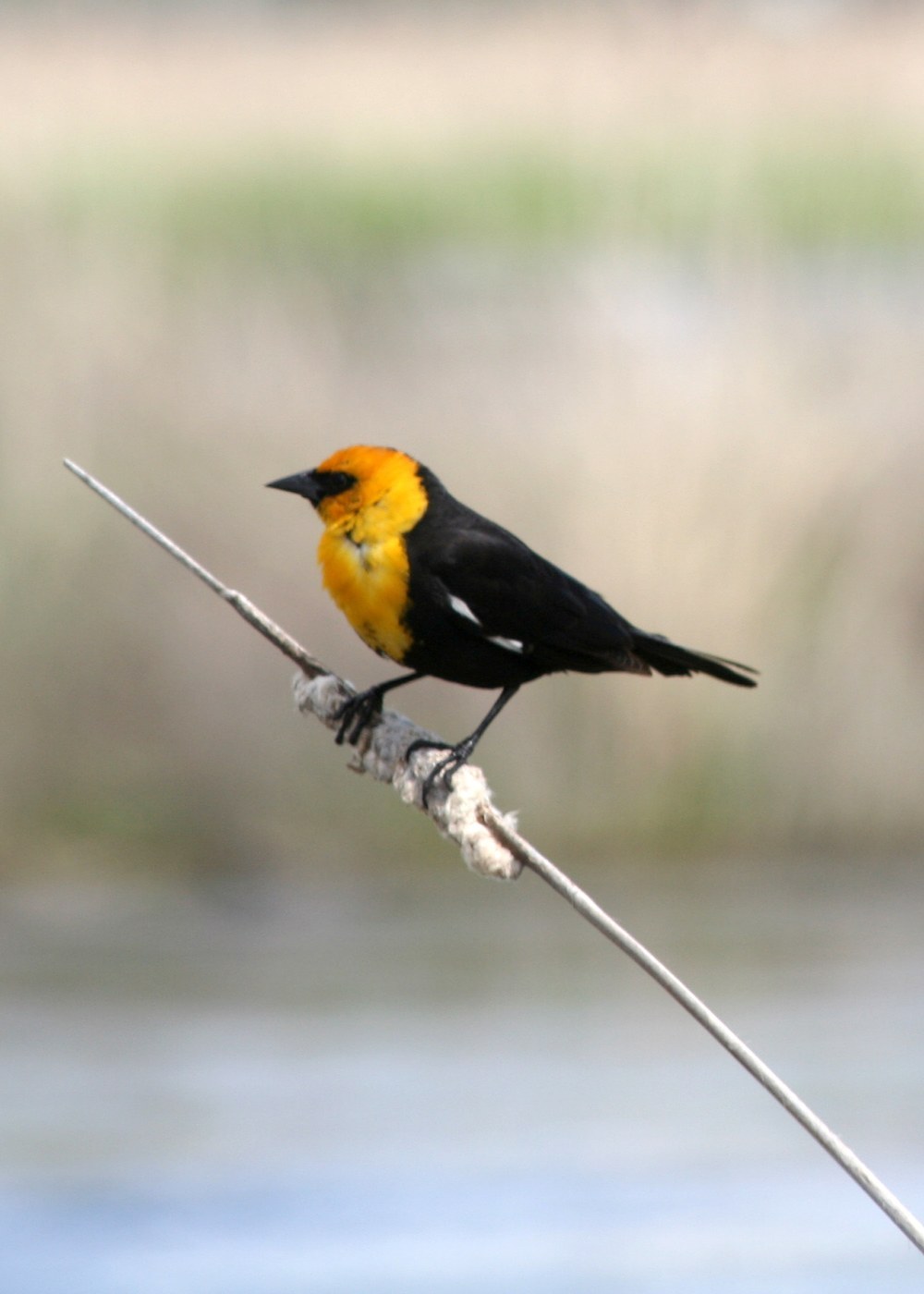
Yellow-headed Blackbird
Glossy black body plumage with a bright yellow head and breast

Yellow-eyed Junco
Contour and flight feathers

Yellow-fronted Canary
Small, smooth body plumage

Yellow-breasted Greenfinch
Compact, smooth body plumage