

Common Eider
Somateria mollissima
The Common Eider is a large, heavy-bodied sea duck whose male shows a striking white back and breast against a black belly and crown, with a distinctive sloping bill-and-head profile.
- Feather type
- Large, dense sea-duck body feathers
- Colours
- White back and breast, black belly and crown, pale green nape wash
- Bird size
- Large, ~50-71 cm, among the heaviest ducks
Found a feather like this?
Identify any feather from a photo, free.
Overview
Overview
The Common Eider is one of the largest and heaviest ducks, well adapted to cold coastal waters with exceptionally dense, insulating body feathers. Breeding males show a bold black-and-white pattern - white back, neck, and breast contrasting with a black belly, flanks, and crown - along with a pale green wash on the nape. Females are entirely cryptic brown with heavy barring, providing effective camouflage while incubating on open, exposed nesting grounds. The species' distinctive sloping forehead-to-bill profile, created partly by feathering that extends far up the bill, is a useful structural identification feature.
Identifying the Feather
Feather Identification
- Body contrast: Breeding males show a crisp white back, neck, and breast against a black belly, flanks, and crown, creating one of the most striking black-and-white patterns among sea ducks.
- Nape wash: A pale green tint on the nape adds subtle color to the otherwise white neck and upper back.
- Feathering extent on the bill: Facial feathers extend unusually far up the sides of the bill, contributing to the species' distinctive sloping head-and-bill profile.
- Female barring: Females show dense, heavy brown barring throughout the body, providing camouflage that differs from the finer vermiculations of other female ducks.
- Down feathers: The species is well known for extremely soft, dense down feathers used to line the nest, among the most insulating of any bird.
Plumage & Molt
Plumage Notes
Breeding males show a white back, neck, and breast, black belly, flanks, and crown, and a pale green nape wash. Females are barred brown throughout the year with relatively little seasonal change. Eclipse males become substantially darker and more mottled, losing much of the crisp black-and-white contrast until they regain full breeding plumage. The species undergoes a complete post-breeding molt with a flightless period. Juveniles resemble females and take a few years to acquire full adult male plumage.
Habitat & Range
Habitat & Range
Common Eiders breed along rocky and sandy coastlines across the northern reaches of the Atlantic and Pacific, often nesting colonially on islands close to the shoreline. Outside the breeding season, they remain largely coastal, foraging in nearshore and offshore waters. The species is partially migratory, with some populations moving south in winter while others remain resident where coastal waters stay ice-free.
Behavior & Field Notes
Behavior & Field Notes
Common Eiders dive to forage on invertebrates from the seafloor, often in relatively shallow nearshore waters. They nest colonially on coastal islands, with females lining nests using extremely soft down feathers plucked from their own bodies. The species is well known for this down, historically collected after nesting for its exceptional insulating qualities. Calls include a distinctive, soft crooning note given by males during courtship displays. Flight is direct and often low over the water, typically in loose lines.
Frequently asked questions
What is the most distinctive plumage feature of a male Common Eider?
A crisp white back, neck, and breast contrasting sharply with a black belly, flanks, and crown, along with a subtle pale green wash on the nape.
Why does the Common Eider have such a distinctive head-and-bill profile?
Facial feathering extends unusually far up the sides of the bill, creating a smoothly sloping profile from forehead to bill tip.
What do female Common Eiders look like?
Entirely brown with dense, heavy barring throughout the body, providing effective camouflage while nesting.
Is the Common Eider known for anything related to its feathers?
Yes, it produces extremely soft, dense down feathers that it uses to line its nest, among the most insulating down of any bird species.
Common Eider guides
In-depth guides for identifying and understanding Common Eider.

Common Eider identified by the community
Real feathers identified with Feather Identifier.


Other feathers you may enjoy

Mallard
Wing (speculum), body, and tail feathers

Spectacled Eider
Large sea-duck body feathers with distinctive eye-ring patches

Canada Goose
Body and flight feathers
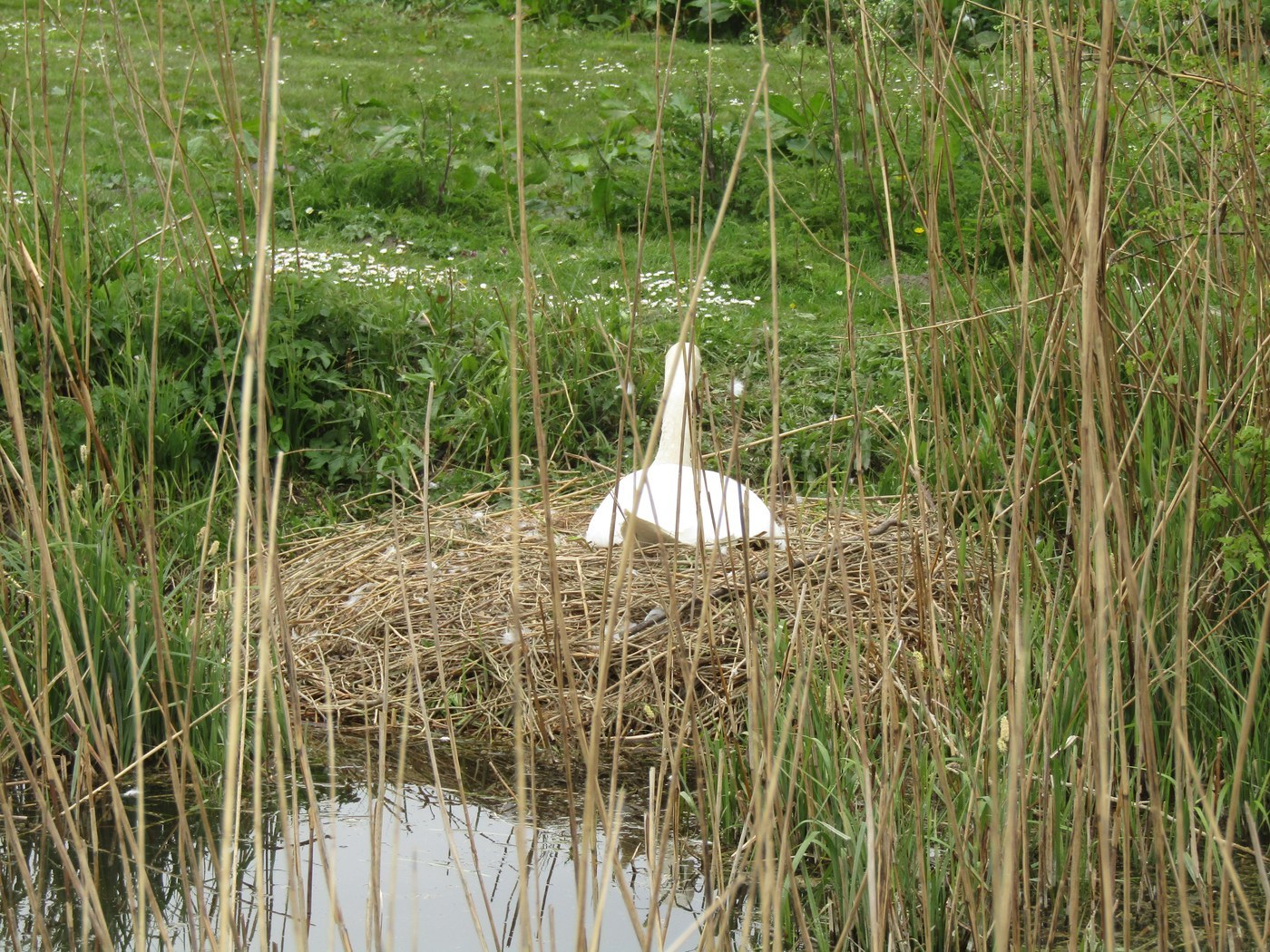
Mute Swan
Body (contour) and flight feathers

Wood Duck
Iridescent crest feathers; ornate scapular and flank feathers; white teardrop facial feathers (female)
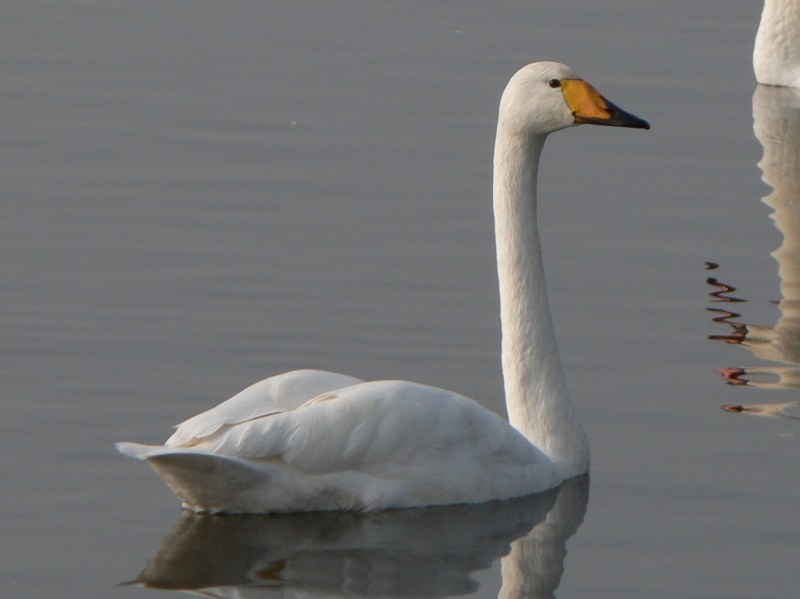
Whooper Swan
Contour and flight feathers

White-winged Scoter
Large sea-duck body feathers with a white wing patch

Ruddy Duck
Stiff tail feathers and compact body plumage

Ross's Goose
Contour and flight feathers

White-cheeked Pintail
Contour and elongated tail feathers

Torrent Duck
Dense, sleek contour feathers; stiff, pointed tail feathers used for bracing against rocks

Tundra Swan
Contour and flight feathers