

Common Flameback
Dinopium javanense
A gold-backed Southeast Asian woodpecker whose bright red rump and bold black-and-white facial stripes make its shed feathers relatively easy to place among the region's 'flamebacks.'
- Feather type
- Contour, wing, and tail feathers
- Colours
- Golden-olive back, black-and-white striped face, red rump
- Bird size
- Robin- to jay-sized, ~28-30 cm
Found a feather like this?
Identify any feather from a photo, free.
Overview
The Common Flameback is a mid-sized woodpecker of Southeast Asian lowlands, named for the warm golden sheen across its back and wing coverts. It is one of several closely related 'flameback' woodpeckers found across the region, and it typically outnumbers its relatives in gardens, plantations, and forest edge rather than deep interior forest.
Its golden back combined with a scarlet rump makes it a distinctive, easily learned species once the key field marks are known.
Identifying the Feather
- Back and wing-covert feathers are golden-olive with a faint dusky shaft streak, giving a warm metallic look in good light
- Rump feathers are bright red, a key point separating this species from the Black-rumped Flameback, whose rump is black
- Wing flight feathers show alternating black and gold barring along the vane
- Facial feathers are strongly patterned: a broad black stripe through the eye and a bold black malar stripe stand out against white cheeks
- Tail feathers are stiff and blackish, reinforced along the shaft for bracing against tree trunks
Plumage & Molt
Males show a crimson-tipped crown, while females have an all-black crown finely spotted with white, the main way to sex this species in the hand or from a clear photo of head feathers. Juveniles are duller overall, with softer, less crisply defined barring on the back and a browner wash to the head. Adults undergo a single complete molt following the breeding season.
Habitat & Range
- Resident across mainland Southeast Asia and much of the Sunda region, including Thailand, Peninsular Malaysia, Sumatra, Java, and Borneo
- Favors lowland and foothill forest edge, mangrove fringes, wooded gardens, and plantations rather than closed-canopy interior forest
- Non-migratory; pairs typically hold a home range year-round
Behavior & Field Notes
Common Flamebacks forage along trunks and larger branches, probing loose bark for wood-boring beetle larvae and ants, and will also drop to the ground to feed at ant nests. They drum in short, even bursts and give a sharp, rattling or whinnying call in flight or when alarmed. Nests are excavated as a fresh cavity in a dead trunk or large dead branch, often reused in following seasons by other cavity-nesting species once vacated.
Frequently asked questions
How can I tell a Common Flameback feather from a Black-rumped Flameback feather?
Look at rump feathers if you have them: Common Flameback shows red, while Black-rumped Flameback shows black. Golden back feathers look nearly identical between the two.
Why is the back so golden-colored?
The color comes from pigmentation in the barbs of the contour feathers covering the back and wing coverts, which gives the bird its 'goldenback' nickname.
Do male and female feathers differ?
The clearest difference is on the crown: males have red-tipped crown feathers while females have black crown feathers spotted with white.
Where would I most likely find a shed feather?
Around forest edges, mangroves, wooded gardens, and plantations in Southeast Asia, since this species avoids deep closed-canopy forest.
Common Flameback guides
In-depth guides for identifying and understanding Common Flameback.

Other feathers you may enjoy

Ivory-billed Woodpecker
Very large flight feathers with a solid white trailing patch

Great Slaty Woodpecker
Massive, uniformly colored contour feathers

Yellow-tufted Woodpecker
Black body feathers with bright yellow forehead tufts

Magellanic Woodpecker
Very large, glossy contour feathers with a recurved crest

Yellow-bellied Sapsucker
Black-and-white patterned back and facial-stripe feathers
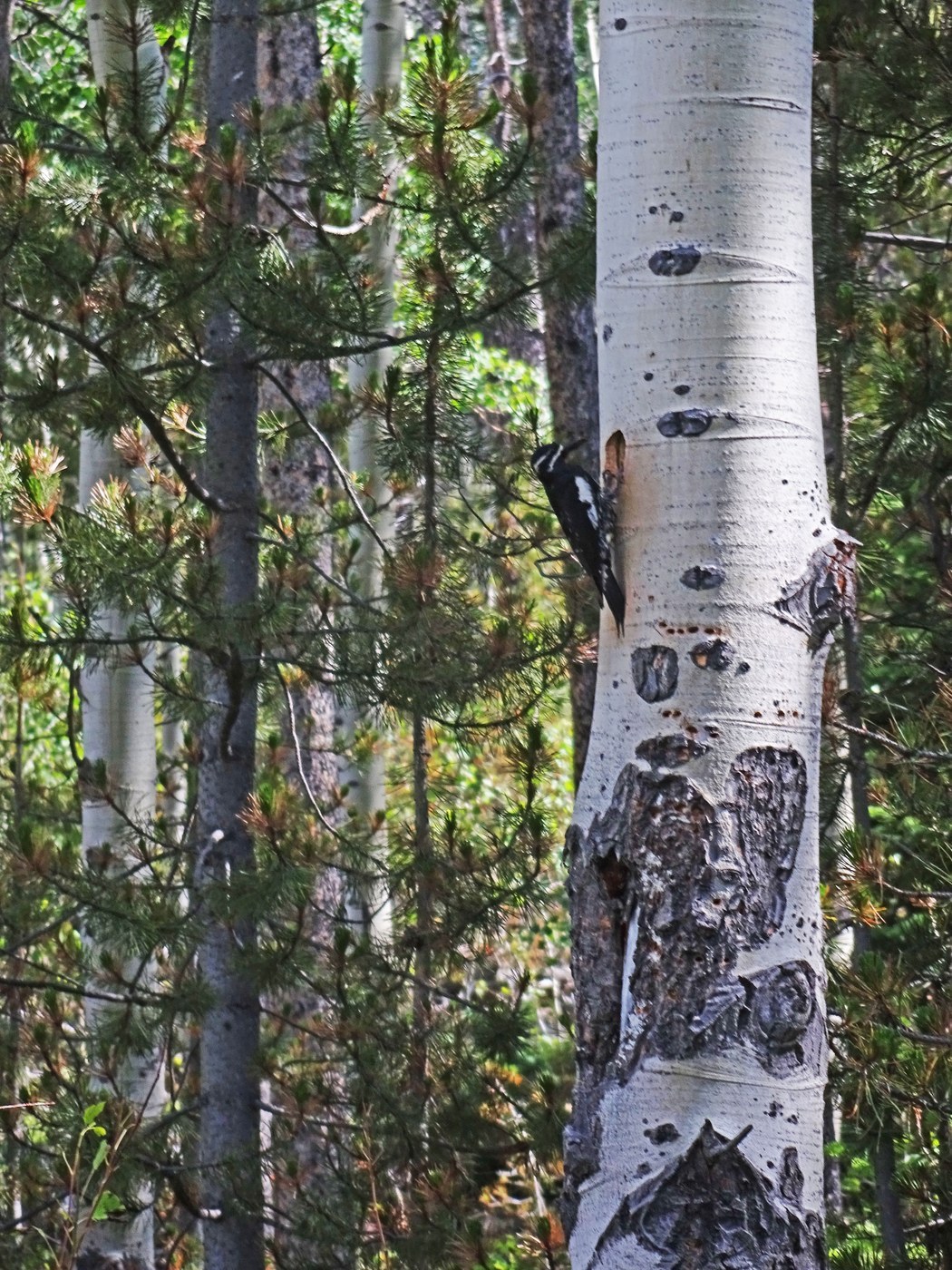
Williamson's Sapsucker
Strongly sexually dimorphic body feathers, glossy black or finely barred brown

Yellow-crowned Woodpecker
Contour and flight feathers

White Woodpecker
Mostly white body feathers with contrasting black wings and back

Red-throated Wryneck
Soft, cryptically mottled contour feathers

White-bellied Woodpecker
Large, glossy black contour and flight feathers

White-backed Woodpecker
Barred back feathers rather than a solid white patch
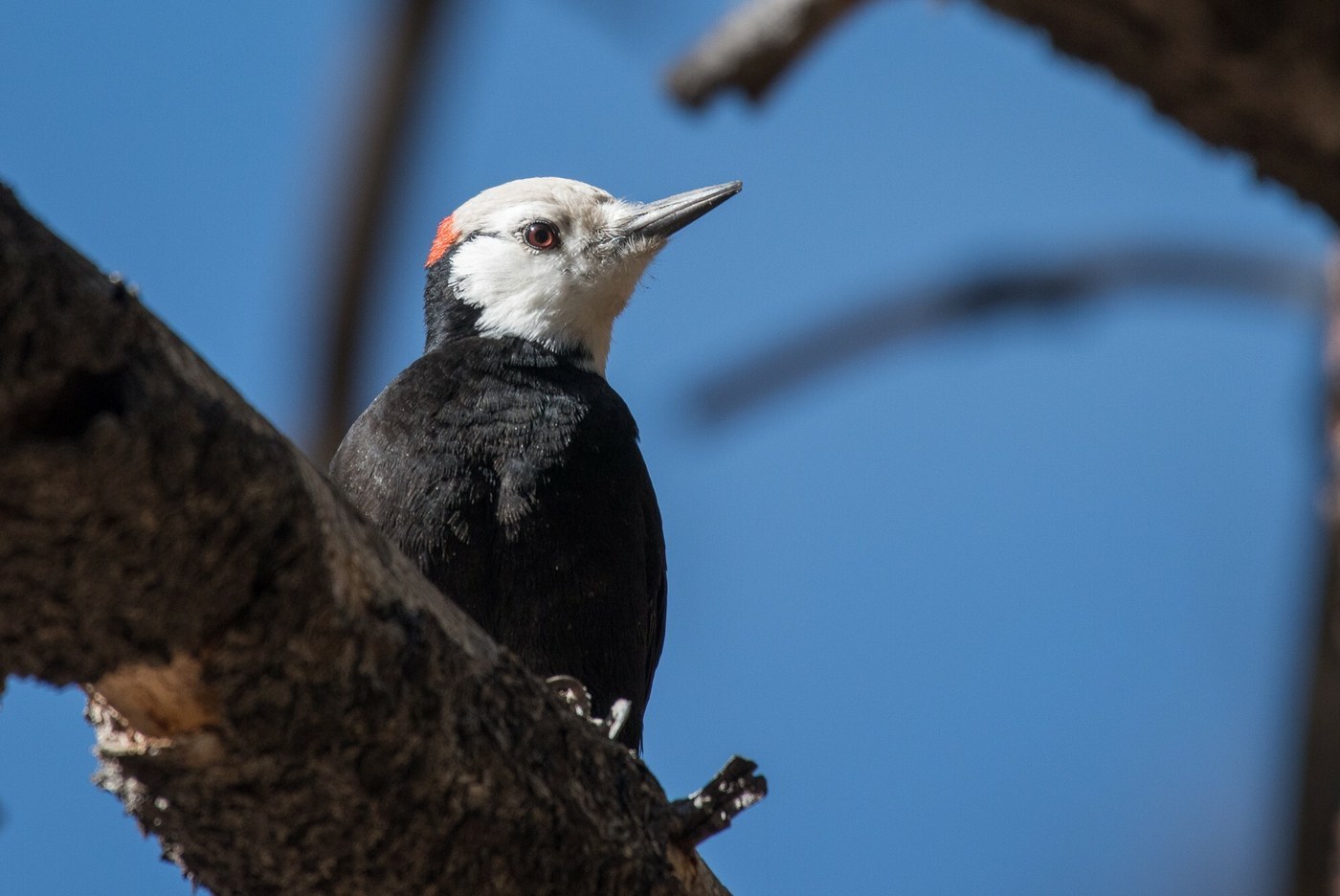
White-headed Woodpecker
Solid black body feathers with an entirely white head