

Common Goldeneye
Bucephala clangula
The Common Goldeneye is a striking black-and-white diving duck named for its piercing golden-yellow eye, with males showing a round white spot on an otherwise glossy dark green head.
- Feather type
- Diving-duck body and head feathers
- Colours
- Glossy dark green head, round white face spot, black and white body
- Bird size
- Slightly smaller than a Mallard, ~42-50 cm
Found a feather like this?
Identify any feather from a photo, free.
Overview
Overview
The Common Goldeneye is a medium-sized diving duck of northern forests, nesting in tree cavities near lakes and rivers and wintering on a wide range of open water bodies. Breeding males show a puffy, glossy dark green head marked by a single round white spot just in front of the golden eye, paired with a crisp black-and-white body. Females have a chocolate-brown head and gray body, sometimes with a white collar. The species is closely related to, and can be confused with, Barrow's Goldeneye where their ranges overlap.
Identifying the Feather
Feather Identification
- Face spot shape: Males show a round or oval white spot between the eye and bill base - a key distinction from the crescent-shaped spot of Barrow's Goldeneye.
- Head gloss: Head feathers show a green iridescence in good light, rather than the more purplish tone typical of Barrow's Goldeneye.
- Back pattern: The black back shows fewer white markings along the scapulars compared to Barrow's Goldeneye, which has bold white spur-like stripes.
- Body contrast: Bold black-and-white body feathering with a clean white breast and flanks contrasting sharply with the black back and dark head.
- Female head shape: Females show a rounded brown head with a gradually sloping forehead, differing subtly from the steeper-fronted head of female Barrow's Goldeneye.
Plumage & Molt
Plumage Notes
Breeding males combine a glossy dark green head, round white face spot, black back, and white underparts and flanks. Females have a brown head, gray body, and a pale or white neck collar that can vary in prominence. Eclipse males resemble females but often retain a darker back and traces of head gloss. The species undergoes a full molt after breeding, becoming flightless for a few weeks. Juveniles resemble females, with young males slowly developing the characteristic white face spot and body pattern over their first year or two.
Habitat & Range
Habitat & Range
Common Goldeneyes breed across the boreal forest zones of North America and Eurasia, nesting in tree cavities near lakes, ponds, and slow rivers. In winter, they move to a wide variety of open waters, including coastal bays, large rivers, and lakes that remain ice-free. The species is migratory, shifting from northern forested breeding grounds to more temperate wintering areas each year.
Behavior & Field Notes
Behavior & Field Notes
Common Goldeneyes are agile divers, foraging on aquatic invertebrates from the bottoms of lakes, rivers, and bays. Their wings produce a distinctive whistling sound in flight, which has earned the species the nickname "whistler." They nest in tree cavities, sometimes far from water, and ducklings must jump to the ground shortly after hatching to reach nearby water. Courtship displays are elaborate, involving head-throwing and neck-stretching postures accompanied by soft calls. The species is generally solitary or found in small groups outside migration.
Frequently asked questions
How do I tell a Common Goldeneye feather pattern from Barrow's Goldeneye?
Look at the white face spot shape: Common Goldeneye has a round spot, while Barrow's Goldeneye shows a crescent-shaped spot, along with differences in back markings and head gloss color.
Why is the Common Goldeneye called a 'whistler'?
Its wings produce a distinctive whistling sound in flight, unrelated to vocal calls, which gave rise to this common nickname.
What color are a Common Goldeneye's eyes?
Bright golden-yellow, which is the source of the species' name and a striking contrast against the dark head feathering.
Where does the Common Goldeneye build its nest?
It nests in tree cavities near water, often using natural hollows or old woodpecker holes rather than building an open nest.
Common Goldeneye guides
In-depth guides for identifying and understanding Common Goldeneye.

Other feathers you may enjoy

Mallard
Wing (speculum), body, and tail feathers

Spectacled Eider
Large sea-duck body feathers with distinctive eye-ring patches

Canada Goose
Body and flight feathers
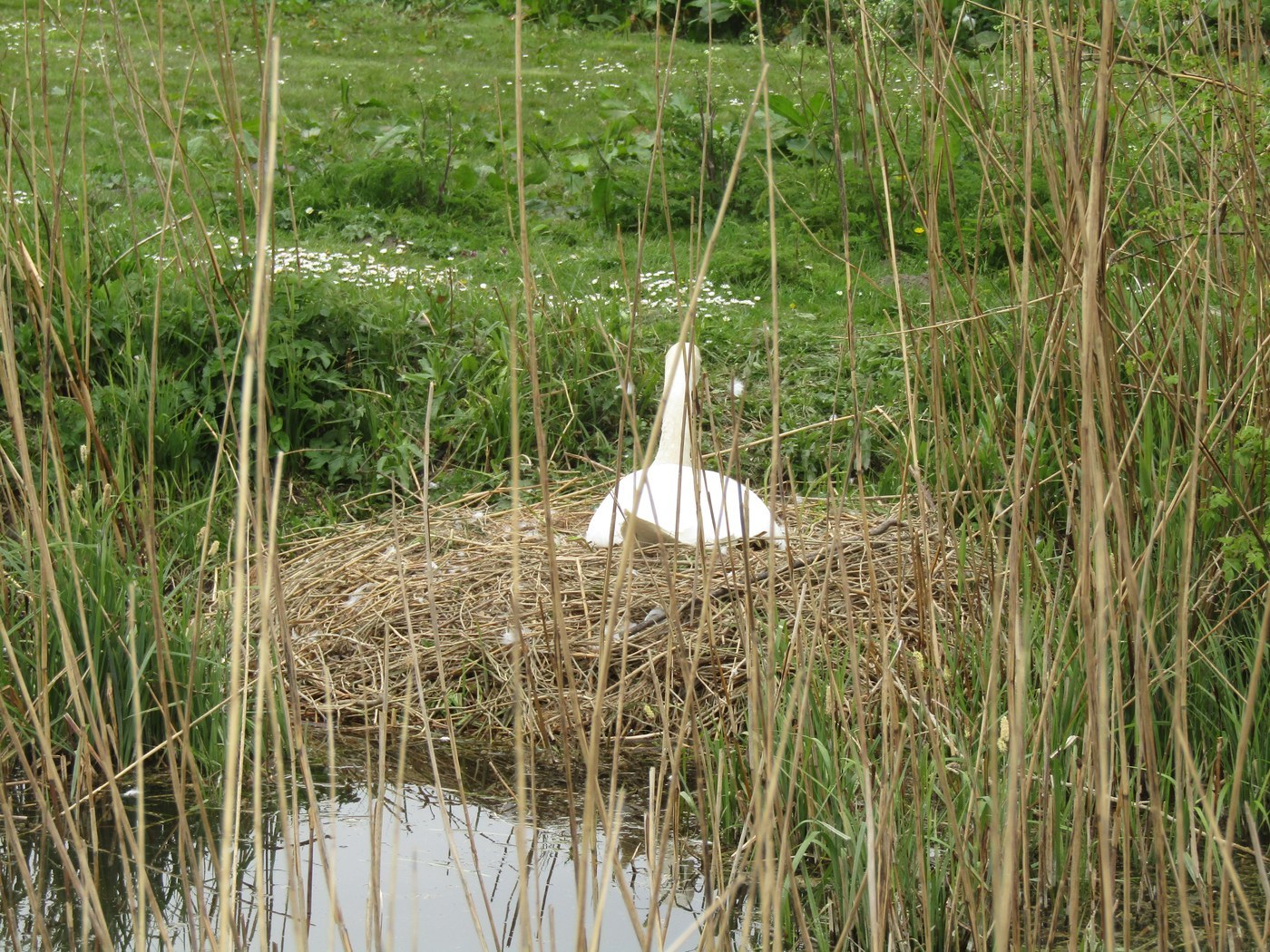
Mute Swan
Body (contour) and flight feathers

Wood Duck
Iridescent crest feathers; ornate scapular and flank feathers; white teardrop facial feathers (female)
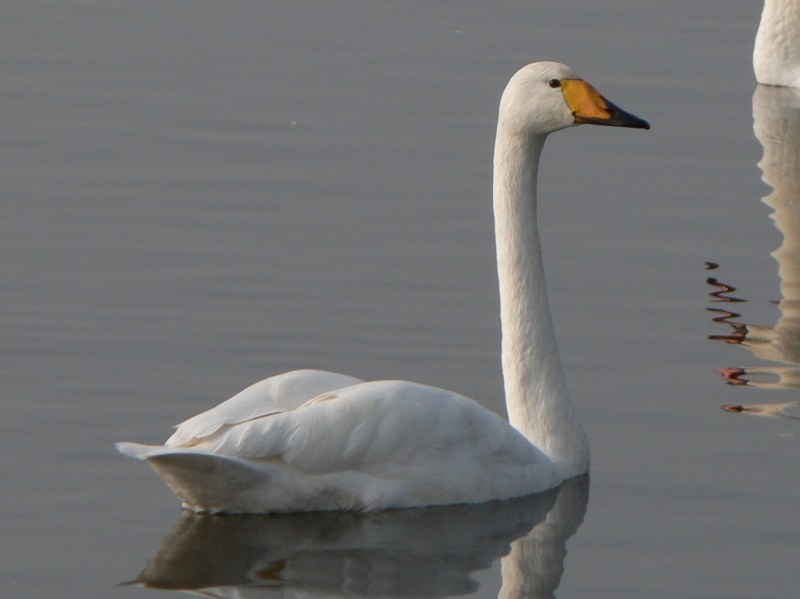
Whooper Swan
Contour and flight feathers

White-winged Scoter
Large sea-duck body feathers with a white wing patch

Ruddy Duck
Stiff tail feathers and compact body plumage

Ross's Goose
Contour and flight feathers

White-cheeked Pintail
Contour and elongated tail feathers

Torrent Duck
Dense, sleek contour feathers; stiff, pointed tail feathers used for bracing against rocks

Tundra Swan
Contour and flight feathers