

Common Murre
Uria aalge
A slender, upright seabird resembling a small penguin in posture, with chocolate-brown upperparts and clean white underparts, breeding in dense colonies on narrow sea cliffs.
- Feather type
- Contour, flight, and short tail feathers
- Colours
- Chocolate-brown to blackish-brown upperparts, white underparts
- Bird size
- Large, crow-sized and elongated, ~38-46 cm
Found a feather like this?
Identify any feather from a photo, free.
Overview
The Common Murre is one of the most numerous seabirds of the Northern Hemisphere, nesting shoulder-to-shoulder in immense colonies on narrow cliff ledges. Its slim, dagger-like bill and upright stance distinguish it from the bulkier auks, while its close relative the Thick-billed Murre shares a similar overall pattern.
Identifying the Feather
- Upperpart feathers are a warm chocolate-brown to blackish-brown, slightly paler and browner than the crisper black of Thick-billed Murre
- Underparts are clean white, with a sharp but somewhat irregular border between brown and white along the flanks
- Some individuals (the "bridled" morph) show a thin white eye-ring extending back as a fine line, visible on head feathers of certain birds
- Flight feathers are relatively narrow and pointed for an auk, supporting fast, direct flight on rapidly beating wings
- Tail feathers are short and squared, contributing to the bird's slim, elongated silhouette
Plumage & Molt
- Breeding adults show a dark brown head, neck, and upperparts contrasting with white underparts
- Non-breeding adults show white extending up onto the face and throat, with a dark line behind the eye
- Juveniles resemble non-breeding adults but with softer, less crisp demarcation between dark and light areas
- The bridled morph, showing a white eye-ring and stripe, occurs mainly in higher-latitude populations and is not a separate subspecies but a plumage variant
- Sexes are alike; a complete molt after breeding includes a flightless period as flight feathers are shed simultaneously
Habitat & Range
Common Murres breed in dense colonies on narrow ledges of steep sea cliffs around the cold-water coasts of the North Atlantic and North Pacific. Outside the breeding season they disperse over open ocean and continental shelf waters, with northern populations moving to more temperate coastal waters in winter.
Behavior & Field Notes
This species pursues fish underwater by diving from the surface and swimming with its wings, reaching considerable depths in pursuit of schooling prey. It lays a single, distinctively pointed egg directly on bare rock ledges without building a nest, an adaptation that helps prevent eggs from rolling off narrow cliffs. Its call is a low, growling "murre" sound given at dense breeding colonies.
Frequently asked questions
How do I tell a Common Murre feather from a Thick-billed Murre feather?
Common Murre upperpart feathers tend to be a warmer, browner tone with a less sharply defined border against the white underparts, while Thick-billed Murre feathers are blacker with a crisper demarcation.
What is the 'bridled' Common Murre?
It is a plumage variant, not a separate species, in which some individuals show a thin white ring around the eye extending back as a short line, more common in northern populations.
Why do Common Murres lay such oddly shaped eggs?
Their pointed, pyriform egg shape tends to roll in a tight circle rather than off the edge of the narrow cliff ledges where they nest.
Common Murre guides
In-depth guides for identifying and understanding Common Murre.

Common Murre identified by the community
Real feathers identified with Feather Identifier.


Other feathers you may enjoy

Western Gull
Body, flight, and tail feathers
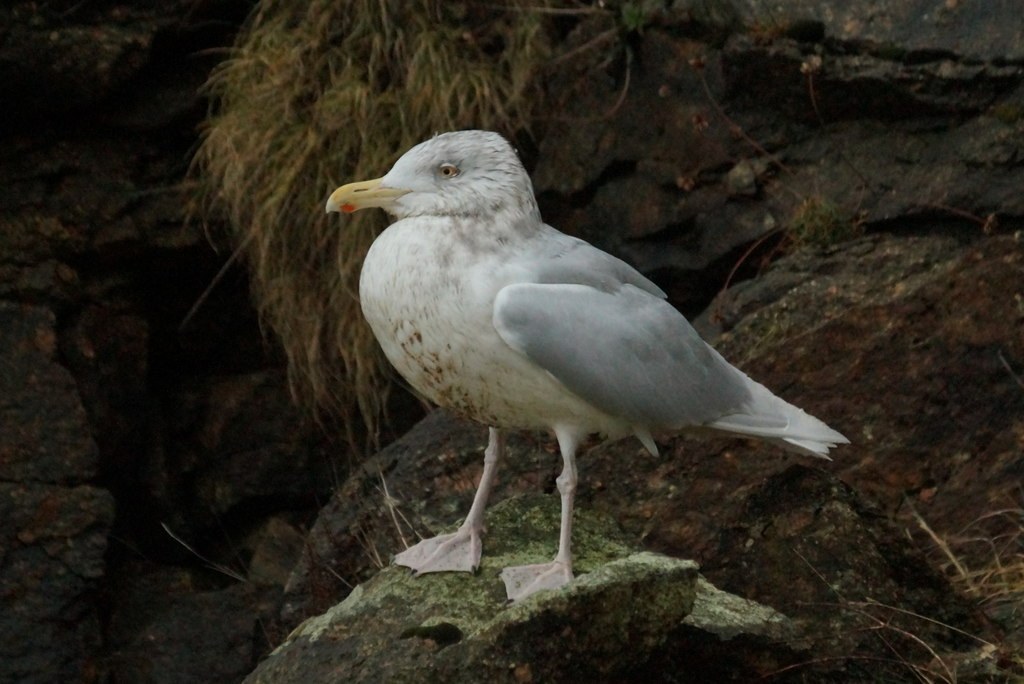
Glaucous Gull
Body, flight, and tail feathers

American Herring Gull
Body, flight, and tail feathers

Great Black-backed Gull
Body, flight, and tail feathers

Common Gull
Body, flight, and tail feathers
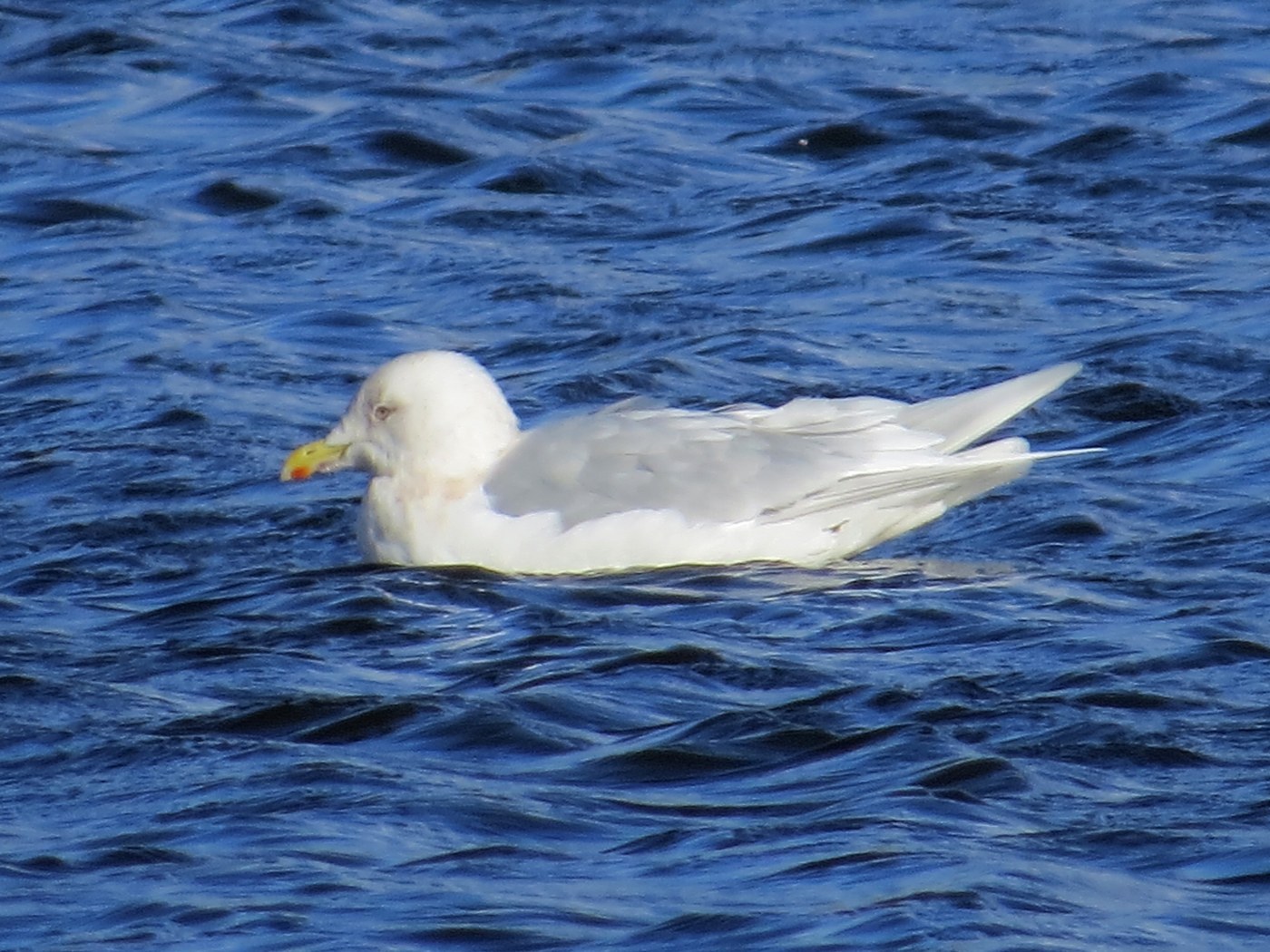
Iceland Gull
Body, flight, and tail feathers

Ring-billed Gull
Body, flight, and tail feathers

Glaucous-winged Gull
Body, flight, and tail feathers

Herring Gull
Body, flight, and tail feathers

Lesser Black-backed Gull
Body, flight, and tail feathers

California Gull
Body, flight, and tail feathers
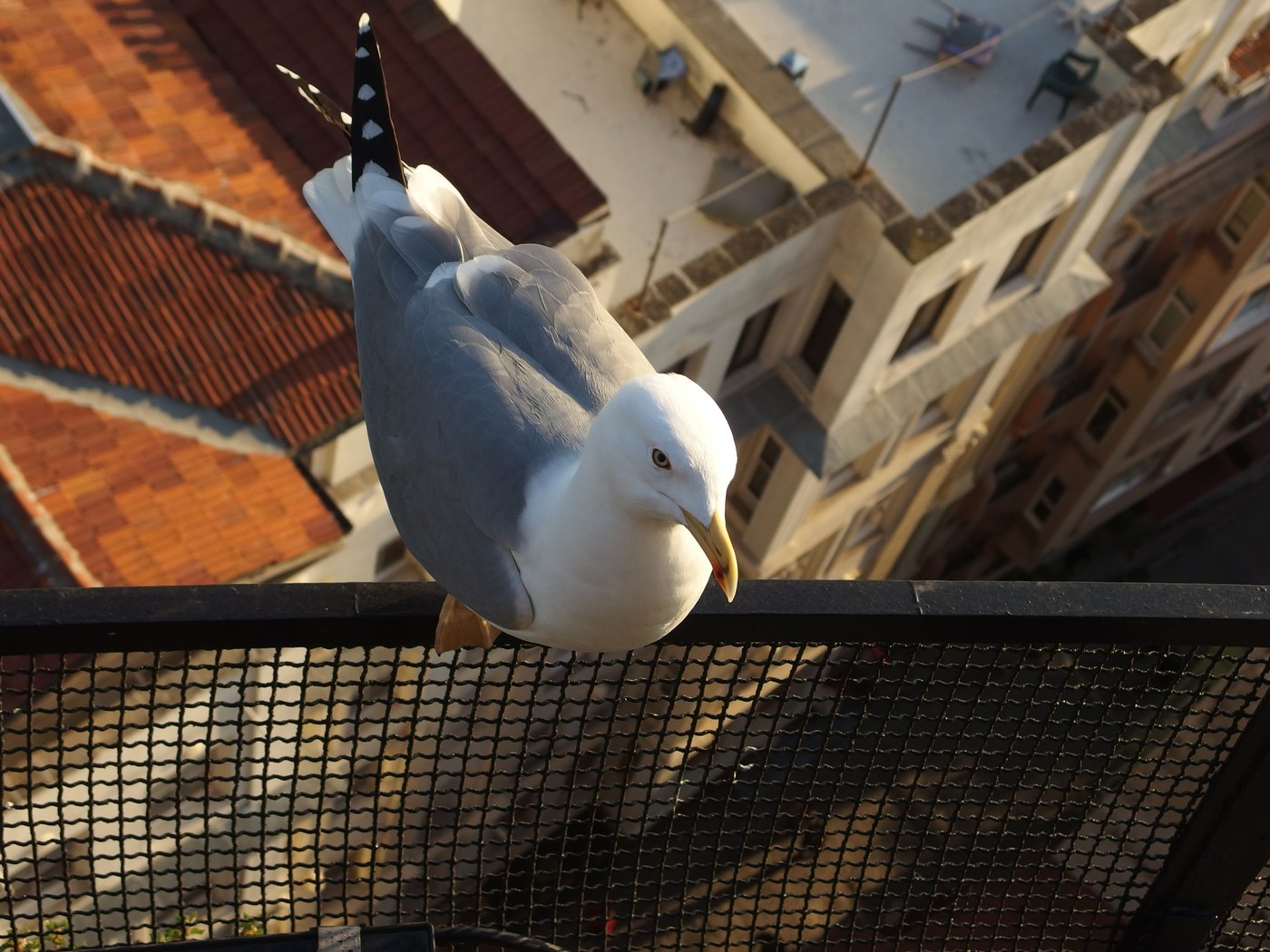
Yellow-legged Gull
Body, wing covert, and flight feathers