

Common Redpoll
Acanthis flammea
A small, hardy northern finch with a red cap and black chin, known for irruptive winter movements into temperate regions at feeders.
- Feather type
- Streaky brown feathers with a red cap patch
- Colours
- Streaked brown, red cap, black chin, pink wash
- Bird size
- Small, ~12-14 cm
Found a feather like this?
Identify any feather from a photo, free.
Overview
Overview
The Common Redpoll breeds across circumpolar arctic and subarctic regions, in birch and willow scrub at the edge of the tundra. In winter, it can move irregularly, or irrupt, into temperate regions in search of seed crops, sometimes appearing in large numbers at feeders far south of its usual range.
Its small size, streaked plumage, and bright red cap make it a recognizable winter visitor across much of the Northern Hemisphere.
Identifying the Feather
Feather Identification
- Crown: small, bright red patch (the 'poll') on the forehead.
- Chin: black patch just below the bill.
- Underparts: streaked white to buffy, with a pink wash on the breast of breeding males.
- Bill: small, conical, and yellowish, adapted for extracting seeds from catkins.
- Tail: notched, typical of many finches.
The red cap and black chin combination separates redpolls from most other small streaky finches; separating Common Redpoll from Hoary Redpoll relies on more extensive streaking and a slightly larger bill in Common Redpoll.
Plumage & Molt
Plumage Notes
Breeding males show the brightest pink wash on the breast alongside the red cap and black chin. Females lack the pink breast wash, showing more uniform streaking below.
Juveniles lack the red cap initially, acquiring it as they molt into first-winter plumage. A single annual molt follows breeding, with plumage remaining fairly stable through the winter months.
Habitat & Range
Habitat & Range
Common Redpolls breed across circumpolar arctic and subarctic regions in birch and willow scrub near the tundra edge. In winter, they move south into temperate regions of North America, Europe, and Asia, with the extent of movement varying year to year depending on seed crop abundance.
Irruptive winters can bring large numbers far south of the typical wintering range, followed by years with few or no birds observed in the same areas.
Behavior & Field Notes
Behavior & Field Notes
Common Redpolls forage in flocks on birch and alder catkins, weed seeds, and at feeders during winter, often appearing tame and approachable.
The nest is built low in arctic scrub. The call is a distinctive dry rattle or trill, often given in flight by flocking birds. The red cap, black chin, and pink-washed breast on males are the most useful features for identification, with careful comparison needed to separate this species from the paler Hoary Redpoll.
Frequently asked questions
What is the easiest way to recognize a Common Redpoll?
Look for a small red cap on the forehead, a black chin patch, and streaked underparts, with a pink wash on the breast of breeding males.
How do Common and Hoary Redpolls differ?
Common Redpoll shows more extensive streaking, especially on the flanks and rump, and a slightly larger bill, while Hoary Redpoll appears paler and frostier overall.
Why do Common Redpolls sometimes appear far south of their usual range?
They undertake irruptive winter movements tied to seed crop abundance, appearing in large numbers some years and being nearly absent in others.
What habitat does this species breed in?
It breeds in birch and willow scrub across circumpolar arctic and subarctic regions near the edge of the tundra.
Common Redpoll guides
In-depth guides for identifying and understanding Common Redpoll.

Other feathers you may enjoy

Yellow-breasted Bunting
Contour and flight feathers, chestnut-and-yellow breeding pattern
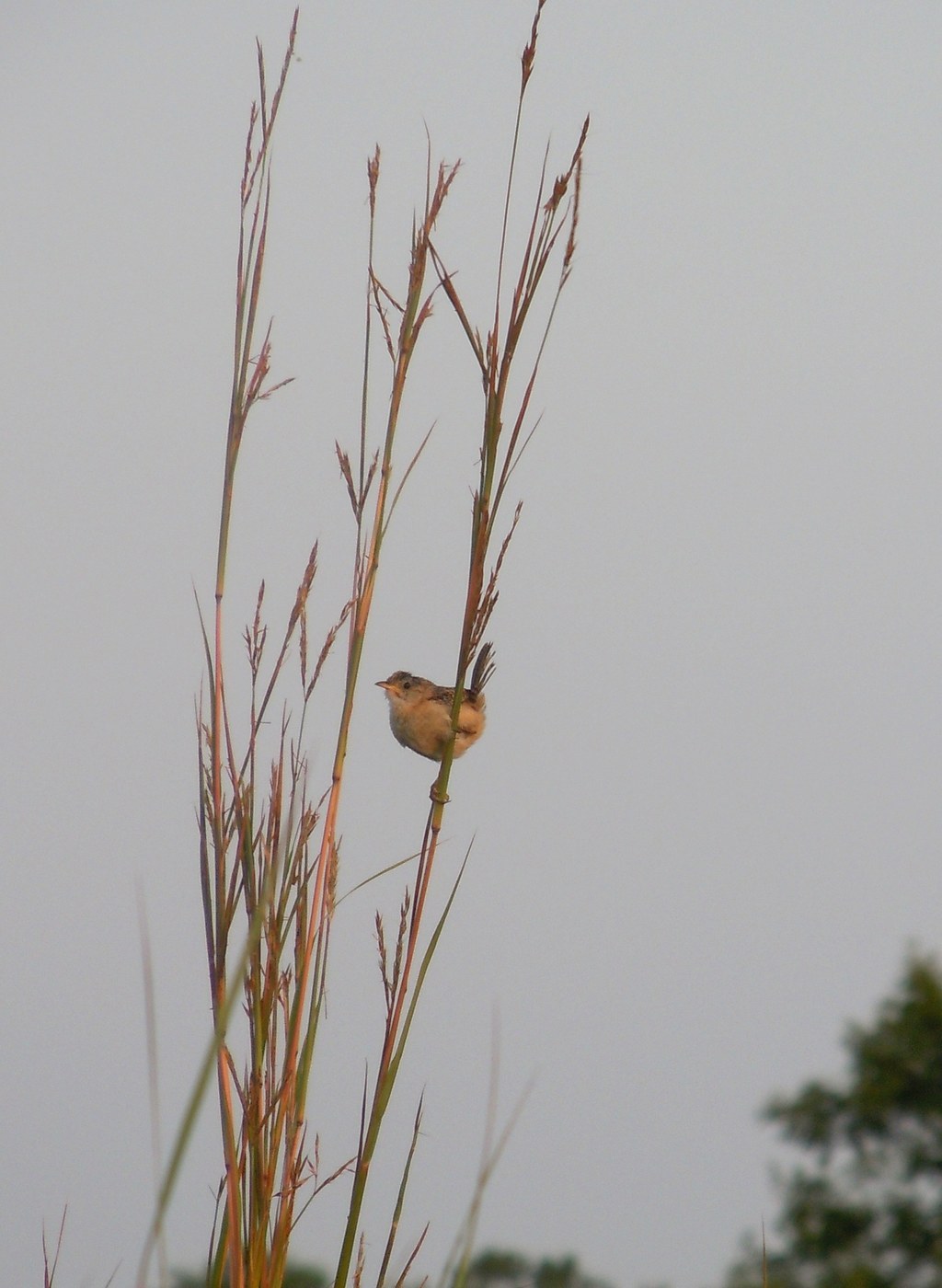
Sedge Wren
Tiny streaked crown and back feathers

Yellow-winged Cacique
Glossy black body feathers, yellow wing patch, shaggy crest

Yellow Warbler
Small contour and flight feathers
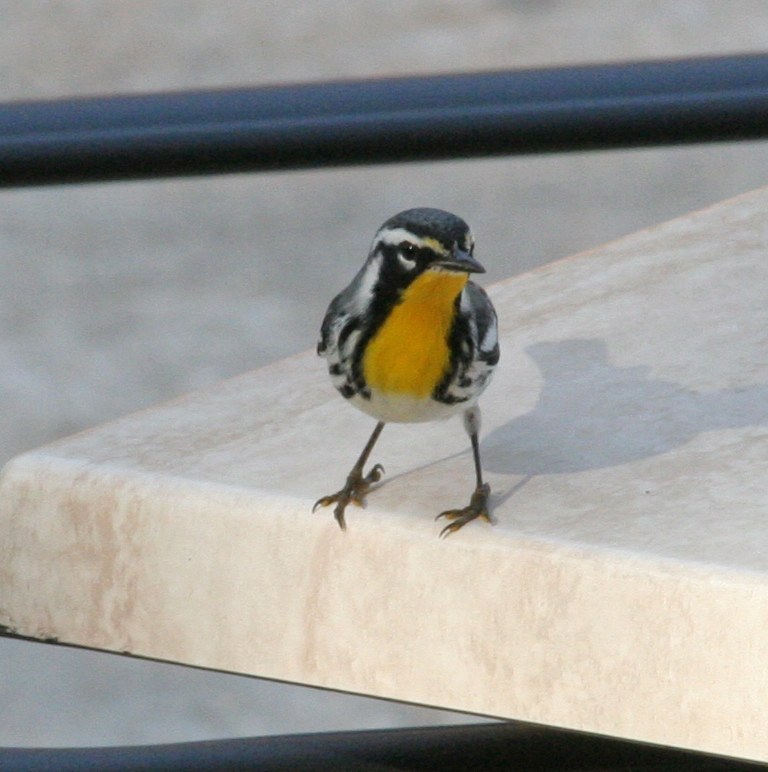
Yellow-throated Warbler
Small contour and flight feathers
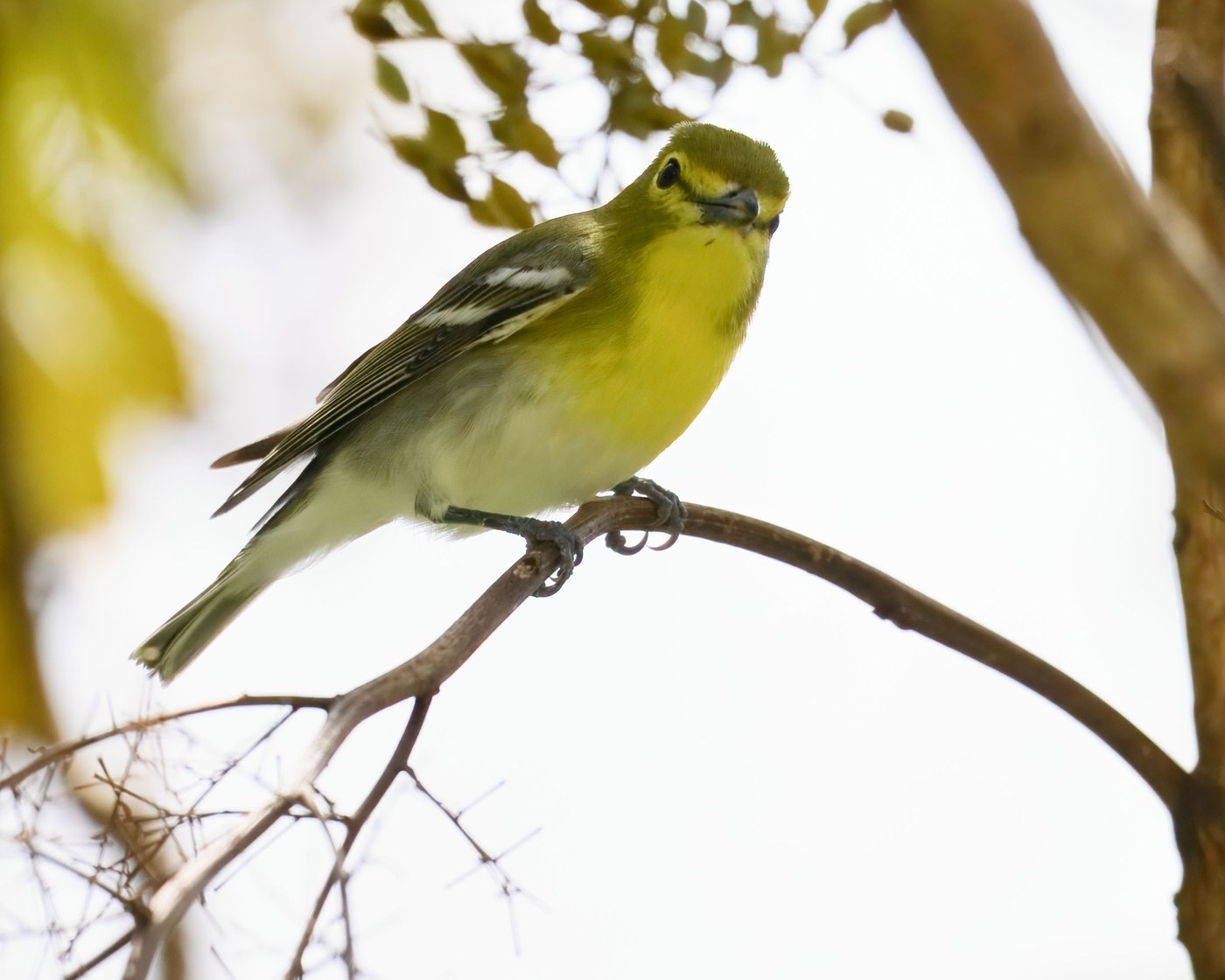
Yellow-throated Vireo
Bright yellow throat and spectacle feathers; olive-green back feathers; two white wing-bar feathers

Yellow-rumped Warbler
Small contour and flight feathers
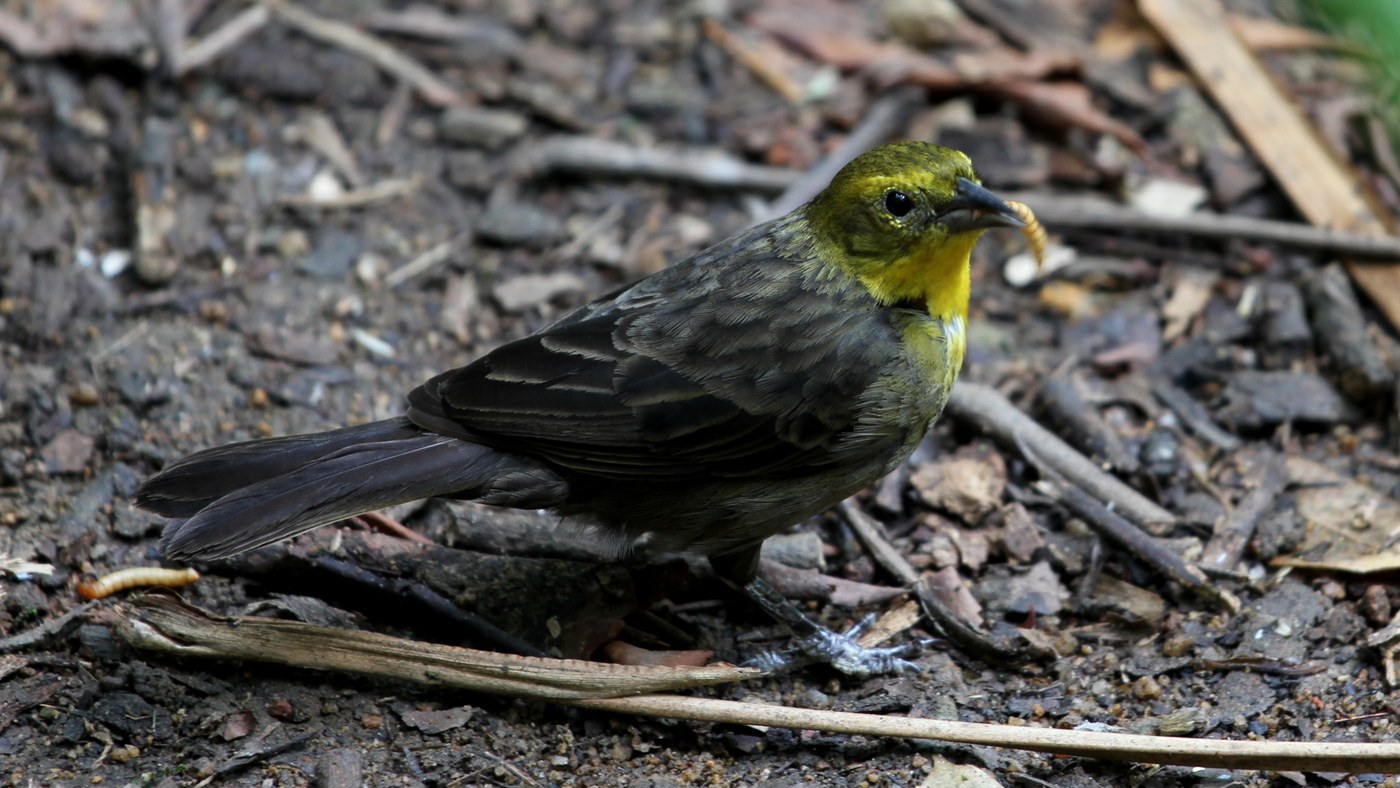
Yellow-hooded Blackbird
Contrasting hood and body feathers
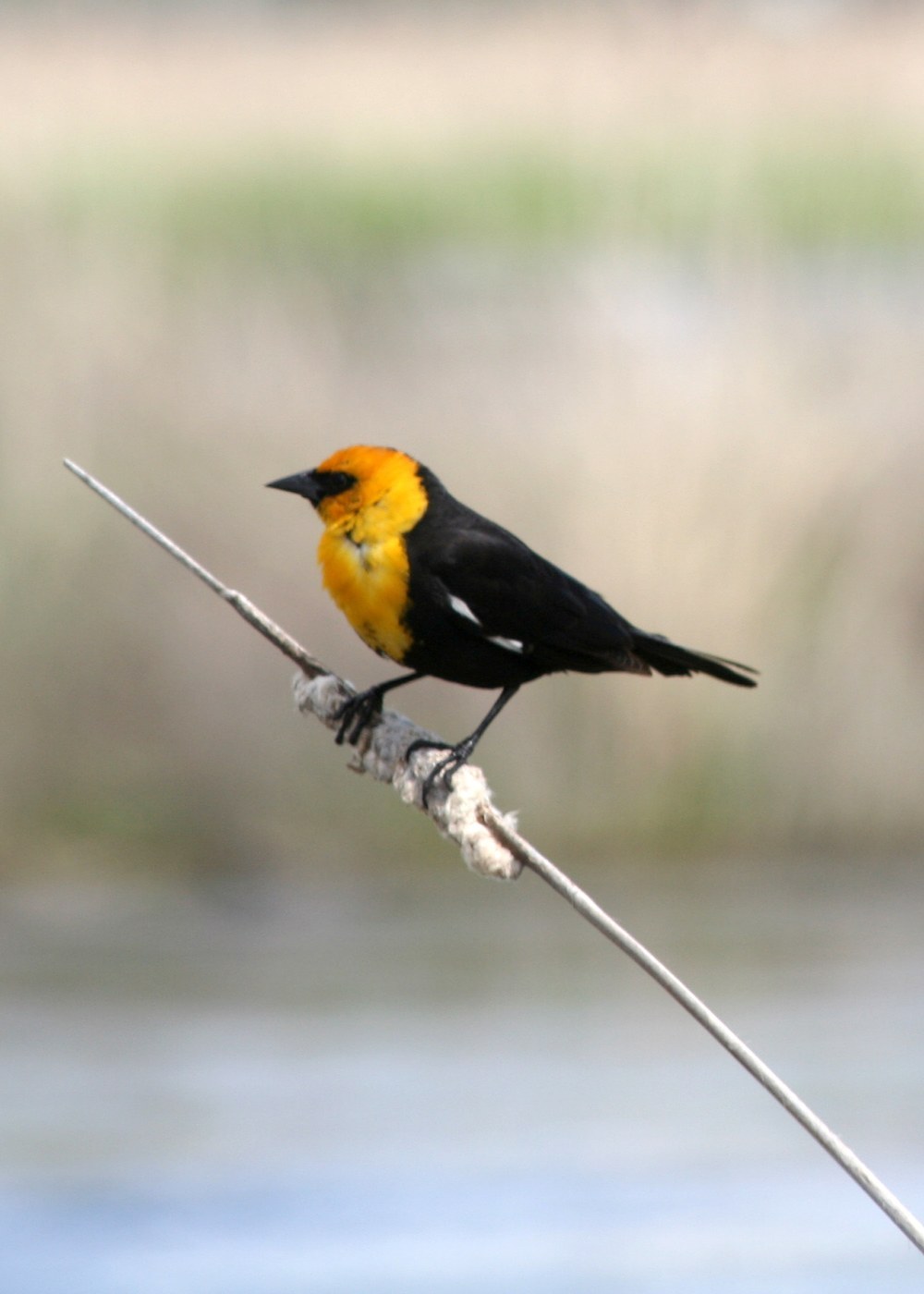
Yellow-headed Blackbird
Glossy black body plumage with a bright yellow head and breast

Yellow-eyed Junco
Contour and flight feathers

Yellow-fronted Canary
Small, smooth body plumage

Yellow-breasted Greenfinch
Compact, smooth body plumage