

Common Tern
Sterna hirundo
A widespread and familiar tern of coasts and inland waters, identified by its black cap, forked tail, red-orange bill with a black tip, and a dark wedge along the leading edge of the outer wing.
- Feather type
- Body and flight feathers
- Colours
- Pale gray upperparts, white underparts, black cap, dark wedge on outer primaries
- Bird size
- Small-medium tern, ~31-35 cm
Found a feather like this?
Identify any feather from a photo, free.
Overview
Overview
The Common Tern is one of the most widely distributed terns in the Northern Hemisphere, breeding across much of North America, Europe, and Asia along coasts, lakes, and rivers. Its combination of pale gray upperparts, white underparts, a neat black cap, and a deeply forked tail gives it a classic "sea swallow" silhouette shared with several closely related terns, requiring attention to bill color and wing pattern for confident species-level identification.
In flight, a dark, smudgy wedge develops along the leading edge of the outer primaries as the breeding season progresses, caused by wear on the darker-based outer flight feathers, a feature useful in separating this species from the very similar Arctic Tern, which shows less contrast in this area.
Identifying the Feather
Feather Identification
- Wing feathers: Outer primaries show a dark gray wedge along their outer webs that becomes more pronounced with wear over the breeding season, producing a smudgy dark triangle on the upper wingtip not matched by the more uniformly translucent primaries of Arctic Tern.
- Tail feathers: Deeply forked, white with gray outer webs on the longest streamers, shorter overall than the tail streamers of Arctic Tern relative to the wingtip in standing birds.
- Size and shape: Flight feathers are slender and pointed, consistent with agile, buoyant flight suited to plunge-diving for fish.
- Body feathers: Pale gray back and upperwing, white underparts, with a black cap extending from the forehead to the nape in breeding adults.
- Compared to similar species: Arctic Tern shows more uniformly translucent, less contrasty primaries and shorter legs; Forster's Tern shows paler, frostier primaries and a different winter head pattern with a dark eye patch rather than a full nape band.
Plumage & Molt
Plumage Details
Breeding adults show a full black cap, pale gray upperparts, white underparts often with a faint gray wash, and a red-orange bill with a black tip; legs are red-orange. In nonbreeding plumage the forehead becomes white, leaving a black band from the eye around the nape, and the bill darkens to mostly black. Juveniles show scaly brown-and-buff upperparts, a dark carpal bar across the inner wing, and a duller bill and legs, molting into a first-winter plumage resembling the nonbreeding adult but retaining some juvenile wing and back feathers into the following year. Full adult breeding plumage is generally attained by the second or third year.
Habitat & Range
Habitat & Range
Common Terns breed colonially along coasts, on barrier beaches, islands, and around large lakes and rivers across a broad swath of North America, Europe, and Asia. They are strongly migratory, with many populations undertaking long-distance movements to wintering areas along the coasts of South America, Africa, and southern Asia. Breeding sites include sandy or gravelly beaches, dredge-spoil islands, and rocky islets, often shared with other terns and gulls.
Behavior & Field Notes
Behavior & Field Notes
Common Terns forage by hovering over water and plunge-diving to catch small fish near the surface, occasionally also taking aquatic invertebrates. They nest in dense colonies, often defending nests aggressively against intruders, including humans who approach too closely. The call is a harsh, grating "kee-arr" along with sharper "kip" notes given in flight and at the colony. Careful attention to bill pattern, wing wedge contrast, and leg length helps distinguish this widespread species from the several similar terns with which it often associates, including Arctic and Forster's Terns.
Frequently asked questions
How can I distinguish Common Tern from Arctic Tern by feather appearance?
Common Tern shows a more contrasty dark wedge on the outer primaries that develops with wear, while Arctic Tern's primaries remain more uniformly translucent and pale throughout the season.
What does the nonbreeding head pattern look like?
The white forehead expands and the black cap is reduced to a band running from the eye around the back of the head, unlike the full cap seen in breeding plumage.
Where does the Common Tern spend the winter?
Many populations migrate long distances to wintering grounds along the coasts of South America, Africa, and southern Asia, depending on the breeding population of origin.
What does the Common Tern's flight and foraging behavior look like?
It typically hovers over water before plunge-diving to seize small fish near the surface, a foraging style shared with most terns.
Common Tern guides
In-depth guides for identifying and understanding Common Tern.

Other feathers you may enjoy

Western Gull
Body, flight, and tail feathers
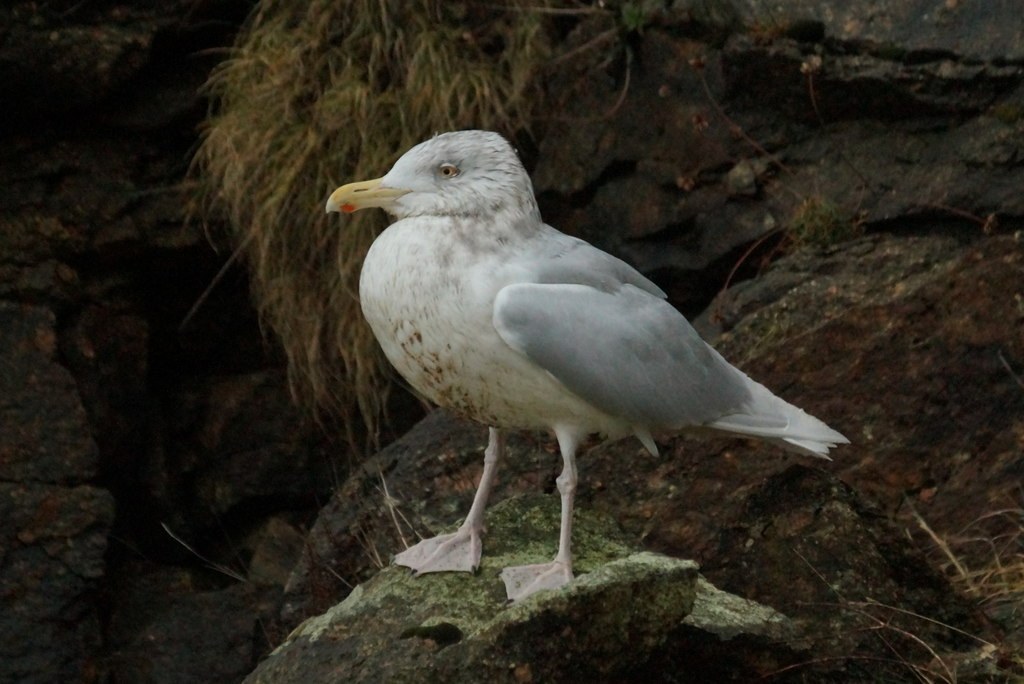
Glaucous Gull
Body, flight, and tail feathers

American Herring Gull
Body, flight, and tail feathers

Great Black-backed Gull
Body, flight, and tail feathers

Common Gull
Body, flight, and tail feathers
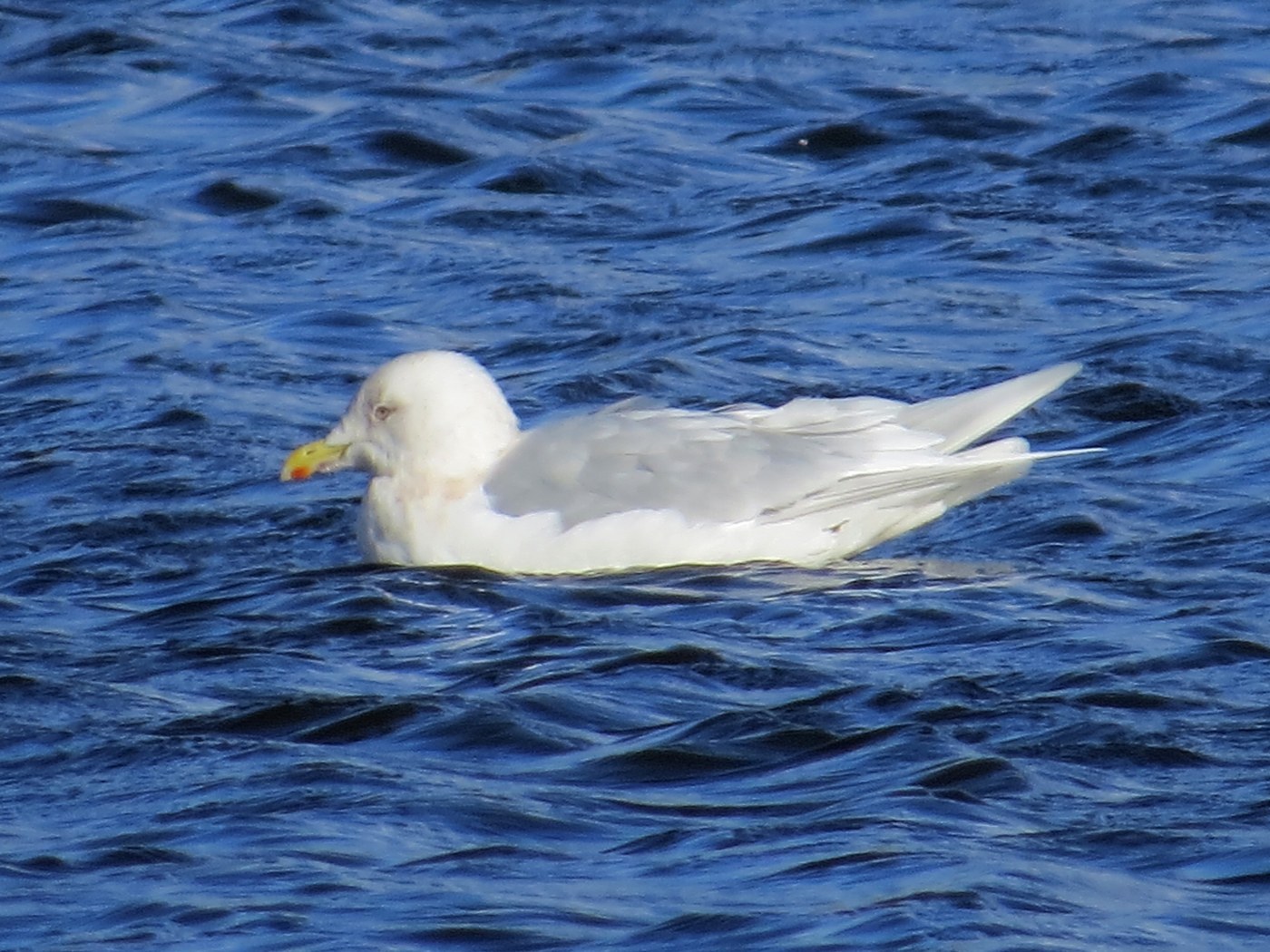
Iceland Gull
Body, flight, and tail feathers

Ring-billed Gull
Body, flight, and tail feathers

Glaucous-winged Gull
Body, flight, and tail feathers

Herring Gull
Body, flight, and tail feathers

Lesser Black-backed Gull
Body, flight, and tail feathers

California Gull
Body, flight, and tail feathers
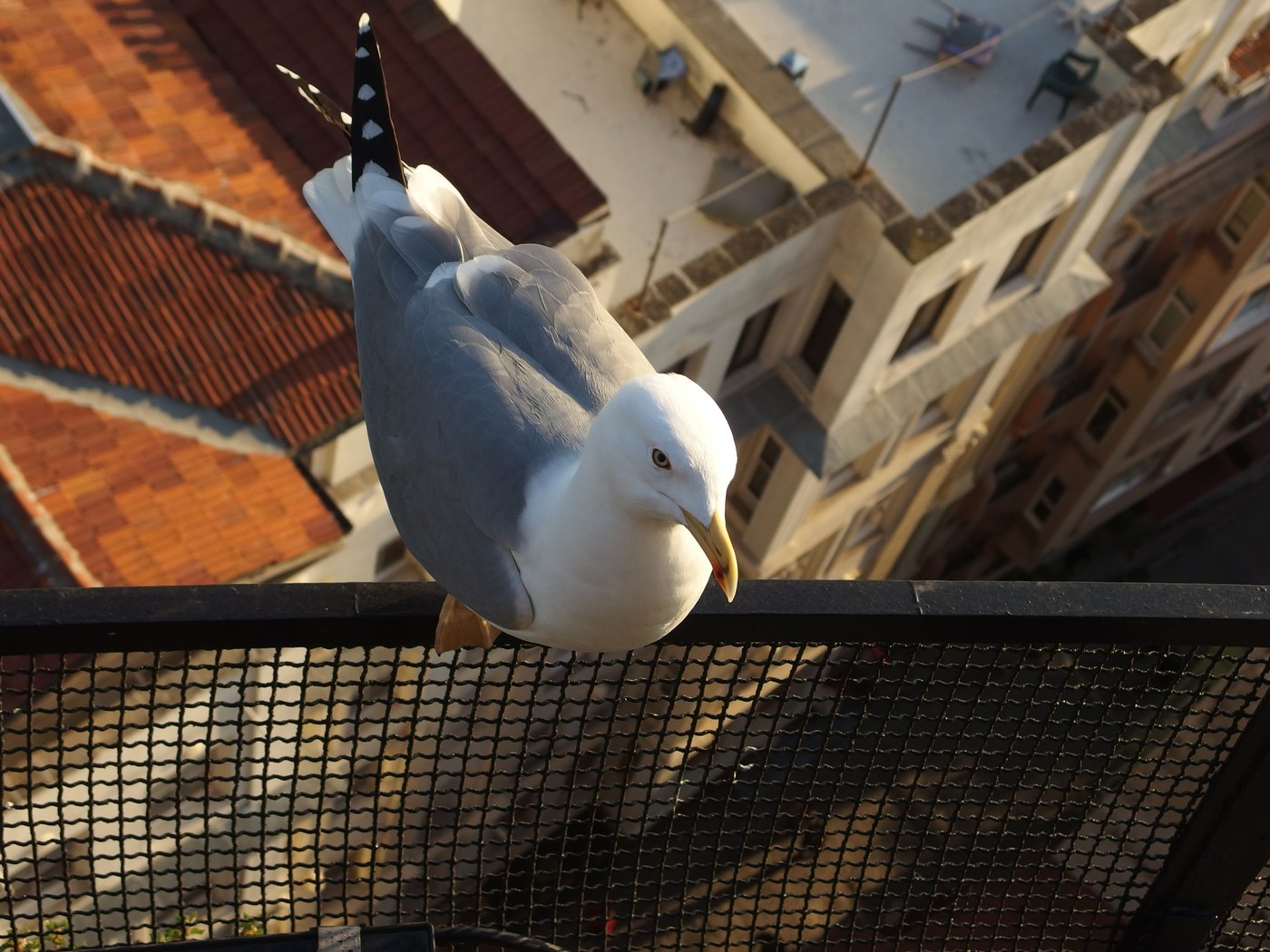
Yellow-legged Gull
Body, wing covert, and flight feathers