

Dark-eyed Junco
Junco hyemalis
A familiar winter feeder bird, the Dark-eyed Junco flashes bright white outer tail feathers against a slate-gray or brown body when it flies.
- Feather type
- Slate-gray or brown hood contour feathers depending on regional form, tail feathers with bold white outer edges
- Colours
- Slate-gray head and back (or brown-backed in some western forms) with a clean white belly and white outer tail feathers
- Bird size
- Small sparrow-like bird, ~13-17 cm
Found a feather like this?
Identify any feather from a photo, free.
Overview
The Dark-eyed Junco is one of the most abundant and familiar songbirds in North America, especially in winter when flocks descend from northern and mountain forests to visit yards, woodland edges, and feeders across much of the continent. It is sometimes nicknamed the "snowbird" for its habit of appearing in numbers just as cold weather sets in.
The species includes several regional color forms, once considered separate species, ranging from the uniformly slate-gray "Slate-colored" form of the east to the brown-backed "Oregon" and "Pink-sided" forms of the west.
Its feathers are most recognizable for the bold white outer tail feathers that flash conspicuously when the bird flies or hops, a trait shared across all regional forms.
Identifying the Feather
Size and Shape
Small, sparrow-sized contour feathers and a moderately long tail.
Color and Pattern
- Head and back feathers range from uniform slate-gray (eastern "Slate-colored" form) to gray-hooded with brown back and pinkish flanks (western forms).
- Underside feathers are clean white, contrasting sharply with the darker hood.
- Outer tail feathers are bold white, flashing prominently in flight and while hopping, and are one of the most reliable feather-level clues for this species.
Comparisons
The combination of a dark gray or brown hood, white belly, and white outer tail feathers is not closely matched by other common sparrows, most of which lack the white tail flash.
Plumage & Molt
Several regional forms exist, including Slate-colored, Oregon, Pink-sided, Gray-headed, and White-winged, differing mainly in the extent of brown on the back and flanks. Females are typically slightly duller and browner than males within each form. Juveniles show streaked plumage before molting into adult-like feathers in their first fall.
Habitat & Range
Dark-eyed Juncos breed in coniferous and mixed forests across Canada, Alaska, and western mountains. In winter, they move into a much broader range across most of the United States, favoring woodland edges, brushy areas, and bird feeders. Southern and mountain populations may be resident year-round.
Behavior & Field Notes
Juncos forage mostly on the ground, hopping and scratching for seeds and insects while flicking their tails to reveal the white outer feathers. They build a cup nest on or near the ground, often tucked into a bank or root tangle. Their song is a simple musical trill. A small gray or gray-and-brown feather with a bold white edge, found near a winter feeder, is a strong match for this species.
Frequently asked questions
What is the most reliable feather clue for a Dark-eyed Junco?
The bold white outer tail feathers, which flash when the bird flies or hops, are the most distinctive feather-level feature.
Why do Dark-eyed Junco feathers vary so much in color?
The species has several regional forms with different amounts of brown and gray, though all share the white outer tail feathers and white belly.
When are Dark-eyed Junco feathers most commonly found?
In winter across much of the United States, when large flocks move down from northern and mountain breeding areas into yards and woodland edges.
How does this species differ in feather pattern from other winter sparrows?
Its combination of a solidly dark or brown hood, clean white belly, and white-flashed tail is more contrasting than the streaked patterns of most winter sparrows.
Dark-eyed Junco guides
In-depth guides for identifying and understanding Dark-eyed Junco.

Dark-eyed Junco identified by the community
Real feathers identified with Feather Identifier.


Other feathers you may enjoy

Yellow-breasted Bunting
Contour and flight feathers, chestnut-and-yellow breeding pattern
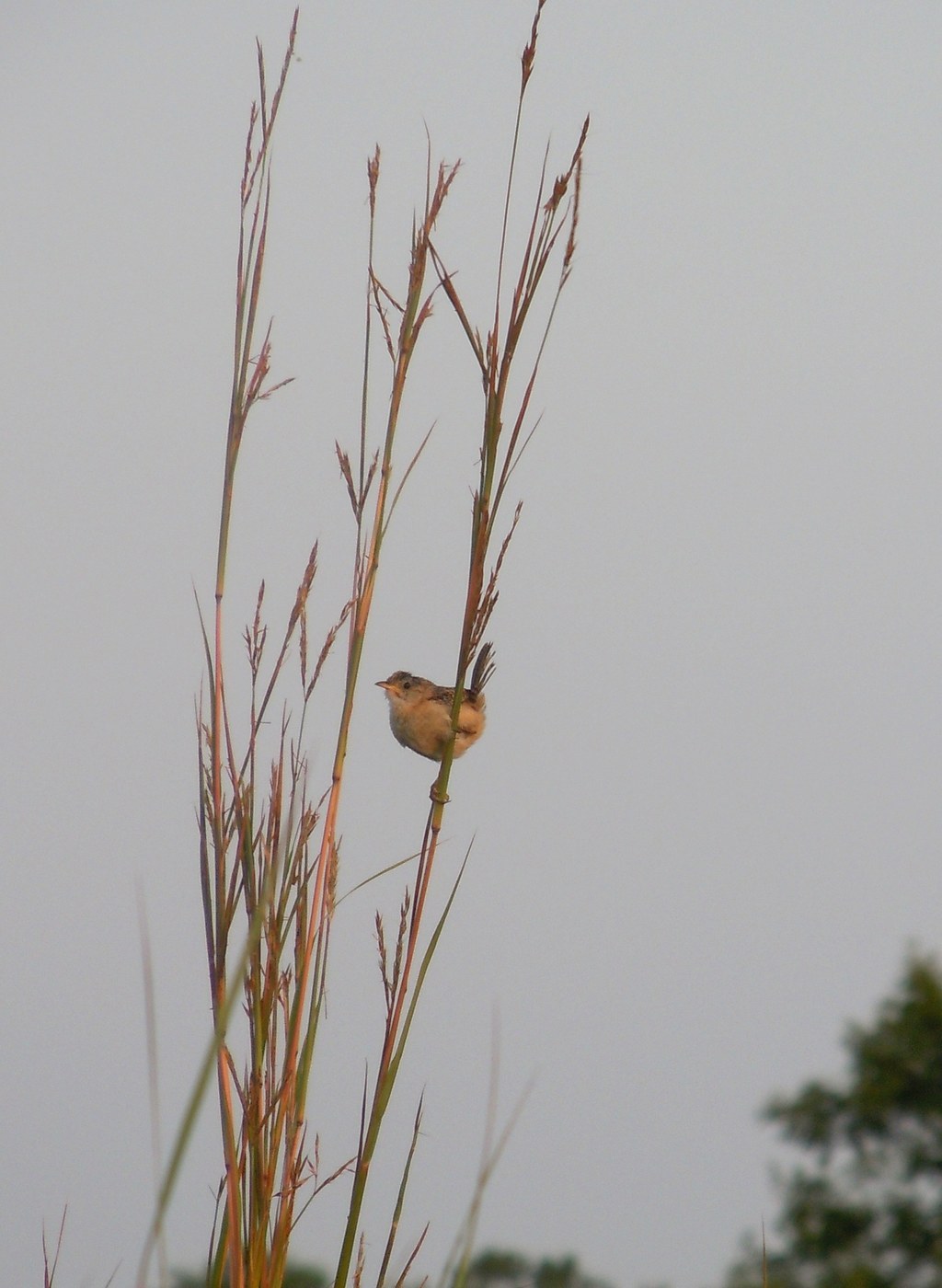
Sedge Wren
Tiny streaked crown and back feathers

Yellow-winged Cacique
Glossy black body feathers, yellow wing patch, shaggy crest

Yellow Warbler
Small contour and flight feathers
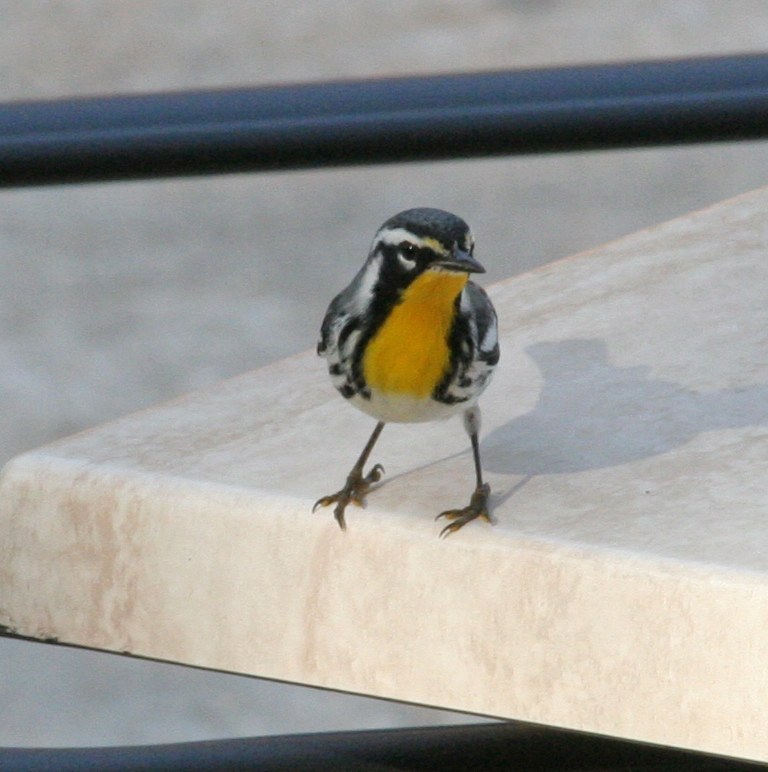
Yellow-throated Warbler
Small contour and flight feathers
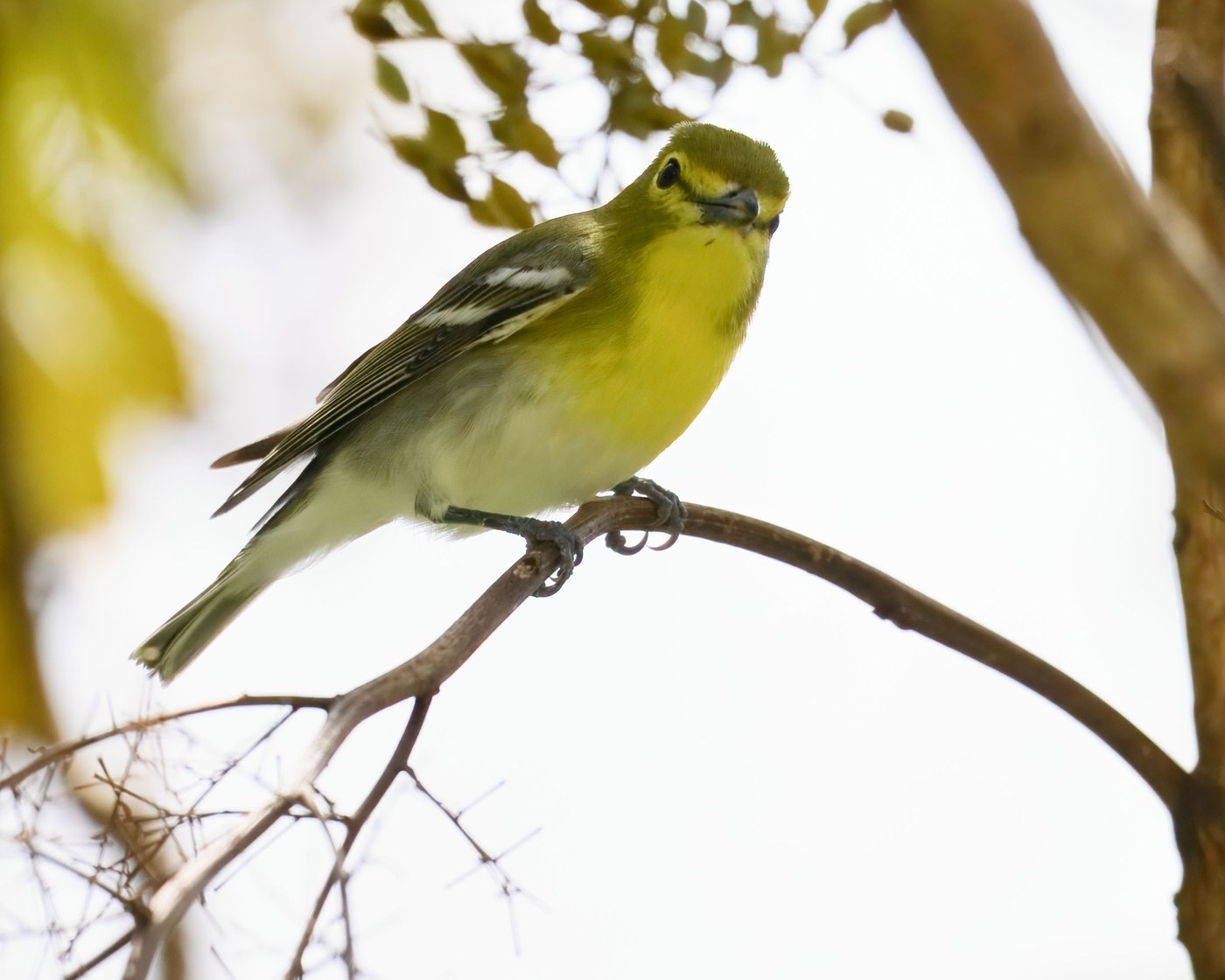
Yellow-throated Vireo
Bright yellow throat and spectacle feathers; olive-green back feathers; two white wing-bar feathers

Yellow-rumped Warbler
Small contour and flight feathers
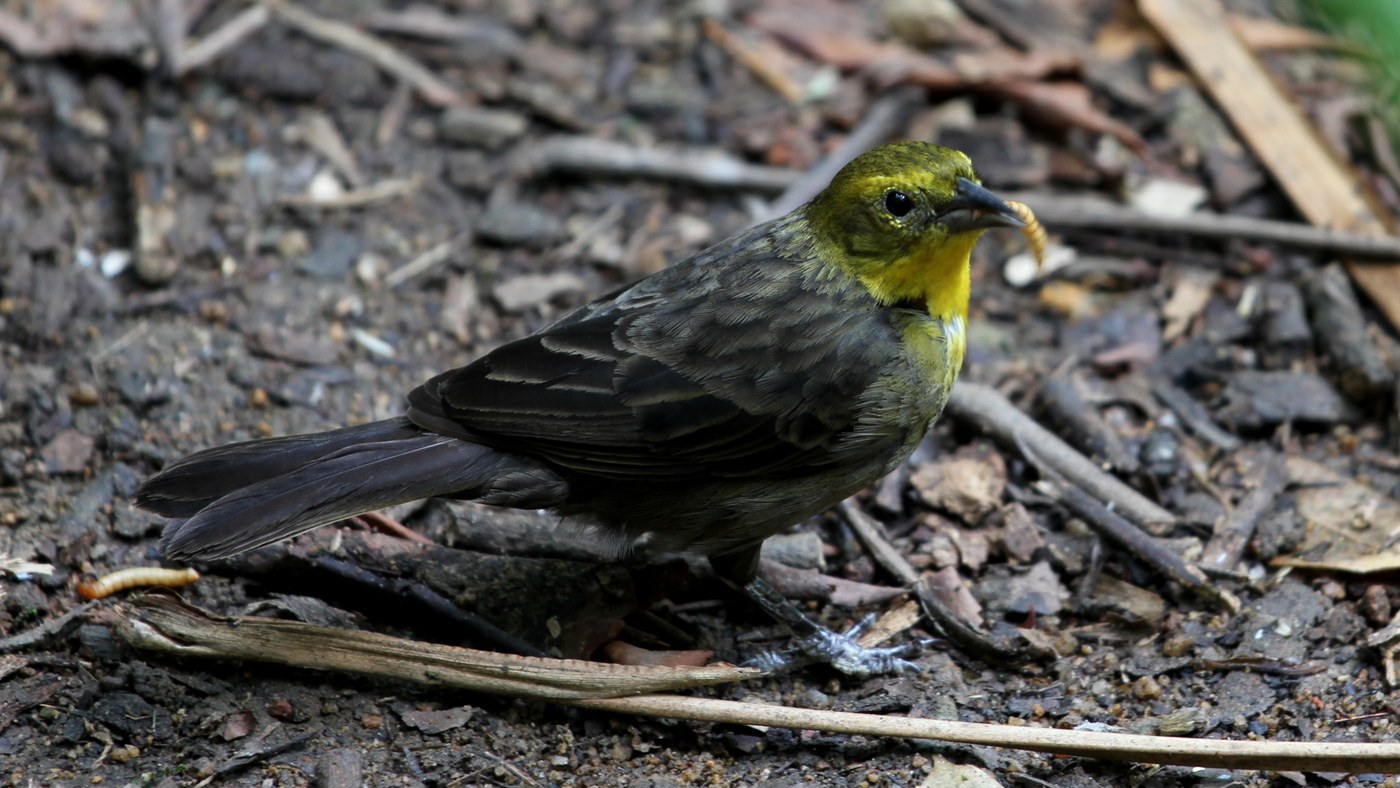
Yellow-hooded Blackbird
Contrasting hood and body feathers
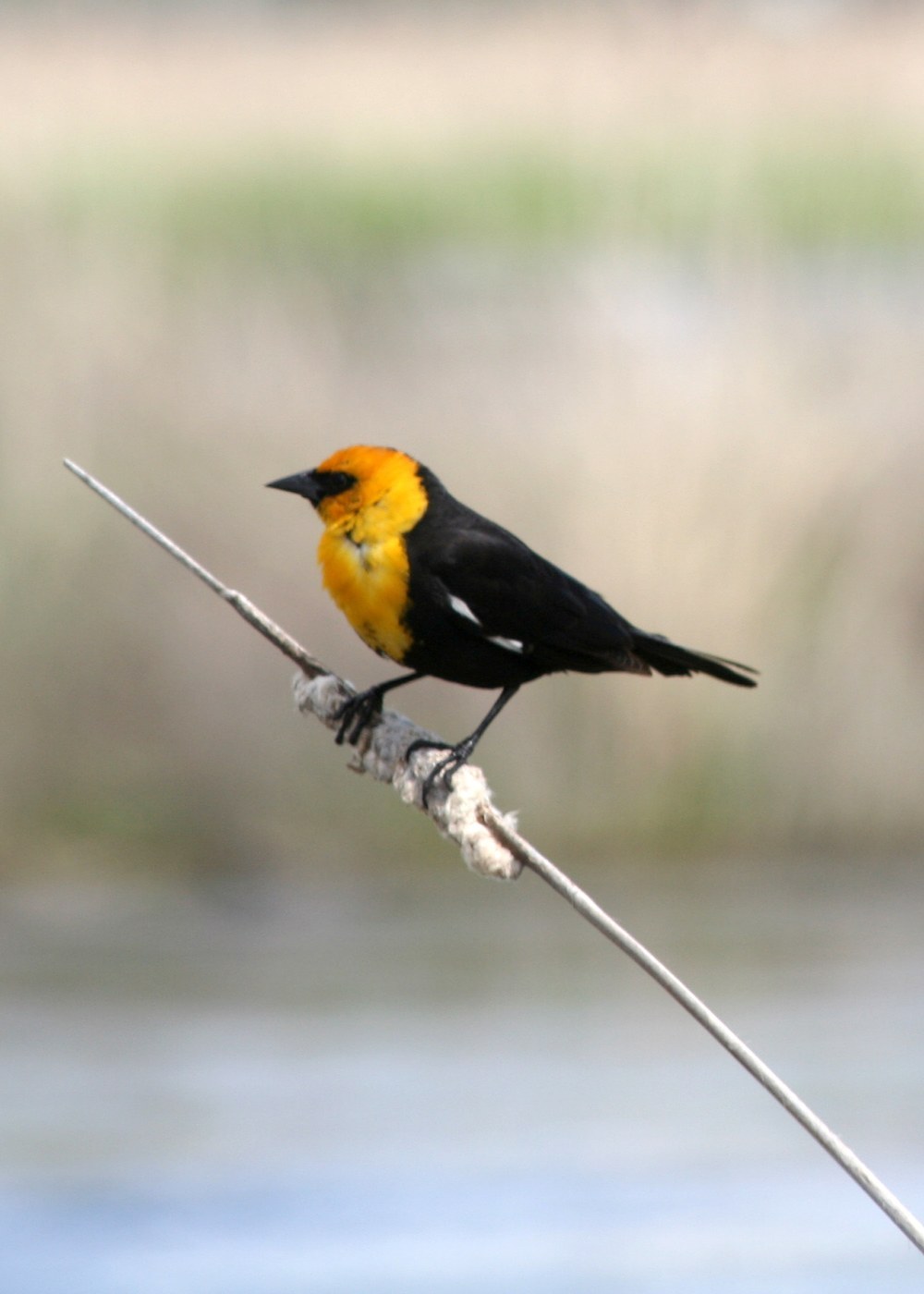
Yellow-headed Blackbird
Glossy black body plumage with a bright yellow head and breast

Yellow-eyed Junco
Contour and flight feathers

Yellow-fronted Canary
Small, smooth body plumage

Yellow-breasted Greenfinch
Compact, smooth body plumage