
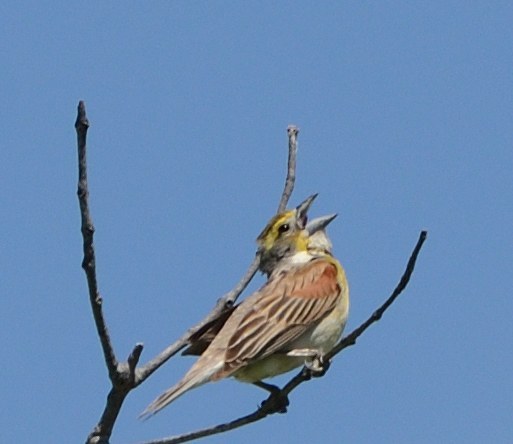
Dickcissel
Spiza americana
A prairie songbird resembling a miniature meadowlark, the male Dickcissel shows a yellow breast marked with a black V-bib and a chestnut shoulder patch.
- Feather type
- Compact contour feathers with a bold black breast bib on a yellow underside
- Colours
- Gray head, yellow breast with black V-shaped bib, chestnut shoulder patch
- Bird size
- Sparrow-sized, ~16 cm
Found a feather like this?
Identify any feather from a photo, free.
Overview
The Dickcissel is a grassland songbird of central North America's prairies and agricultural fields, often described as a scaled-down version of a meadowlark due to its similar breast pattern, though it belongs to a different family. Breeding males show a gray head, yellow breast crossed by a bold black V-shaped bib, and a chestnut patch on the shoulder (lesser coverts), a combination that makes them conspicuous when singing from fence posts and tall grass stems. Females and non-breeding birds are much plainer, streaked brown and buff without the male's bold black bib.
Identifying the Feather
Adult male feathers show a gray head and nape, a yellow throat and breast crossed by a well-defined black V or bib shape, and a reddish-chestnut patch on the wing formed by the lesser covert feathers, contrasting against otherwise grayish-brown wings and back streaked with black. The overall body size and bill shape resemble a large, thick-billed sparrow rather than a true meadowlark, despite the superficial pattern similarity. Females and non-breeding males lack the black bib, showing a plainer buffy breast with fine streaking, a duller version of the male's chestnut shoulder patch, and an overall more sparrow-like, camouflaged appearance suited to ground-level grassland life.
Plumage & Molt
Breeding males show the full gray-yellow-black-chestnut pattern, which can become slightly less crisp with feather wear by late summer before the fall molt. Non-breeding males more closely resemble females, showing reduced or absent black bib and duller overall coloring outside the breeding season. Females remain streaky brown and buff year-round with only subtle seasonal variation. Immatures resemble non-breeding females.
Habitat & Range
Dickcissels breed in tallgrass prairie, hayfields, and other agricultural grasslands across the central United States, with populations extending into adjacent regions. The species is strongly migratory, wintering in large flocks in northern South America, particularly in grassland and agricultural habitats of Venezuela and neighboring countries.
Behavior & Field Notes
This species forages on the ground and in grass and crop vegetation for seeds and invertebrates, often gathering into large, dense flocks during migration and on the wintering grounds. Males sing a distinctive, buzzy song rendered as their name suggests, from fence posts, wires, or tall grass stems, often in dense breeding aggregations where multiple males sing in close proximity. Nests are cup-shaped, built low in dense grass or crop vegetation. Population numbers can fluctuate noticeably from year to year depending on grassland habitat conditions.
Frequently asked questions
How can you identify male Dickcissel feathers?
Look for a gray head, yellow breast crossed by a bold black V-shaped bib, and a chestnut patch on the shoulder.
How do female Dickcissels differ from males?
Females lack the black bib entirely, showing a plainer, streaked buffy-brown breast and a duller chestnut shoulder patch.
Is the Dickcissel related to meadowlarks?
No, despite a superficially similar yellow breast and black bib pattern, it belongs to a different family and is closer in size to a large sparrow.
Where do Dickcissels spend the winter?
They migrate in large flocks to winter primarily in grassland and agricultural habitats of northern South America, especially Venezuela.
Dickcissel guides
In-depth guides for identifying and understanding Dickcissel.
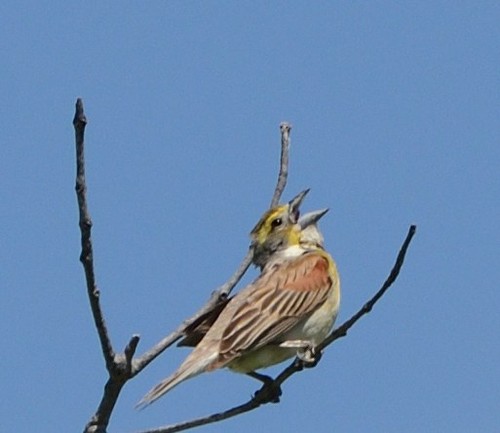
Other feathers you may enjoy

Yellow-breasted Bunting
Contour and flight feathers, chestnut-and-yellow breeding pattern
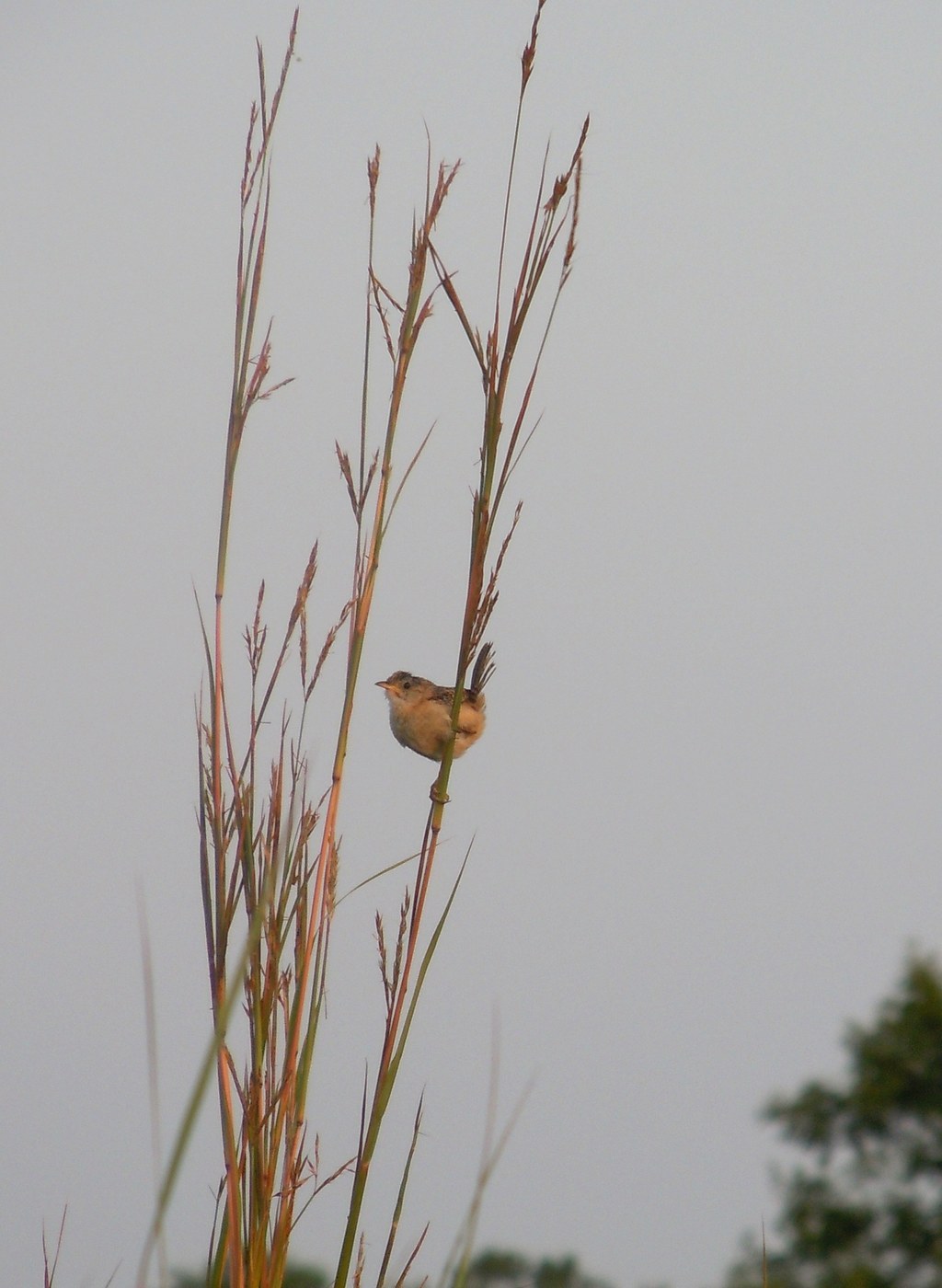
Sedge Wren
Tiny streaked crown and back feathers

Yellow-winged Cacique
Glossy black body feathers, yellow wing patch, shaggy crest

Yellow Warbler
Small contour and flight feathers
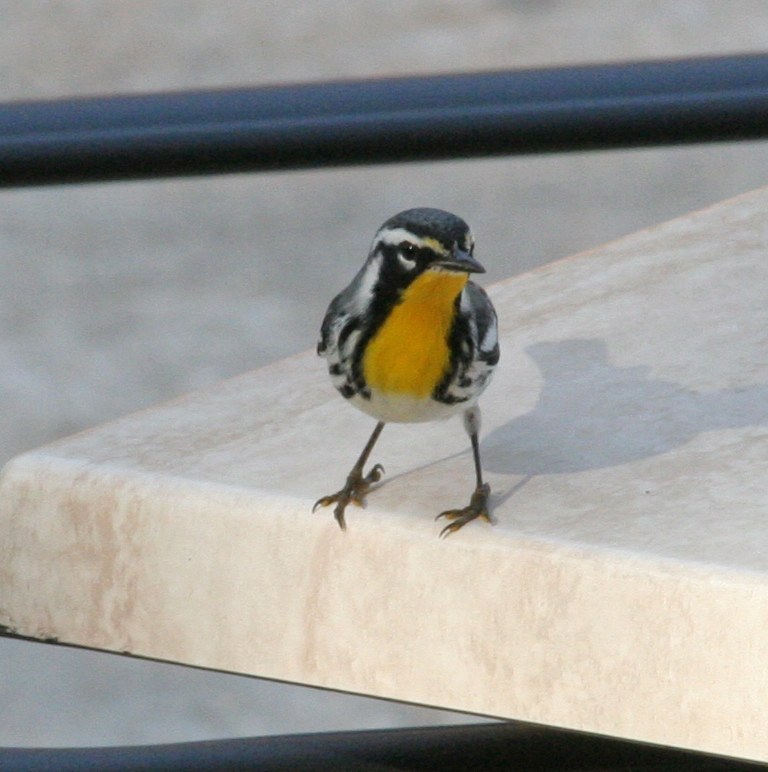
Yellow-throated Warbler
Small contour and flight feathers
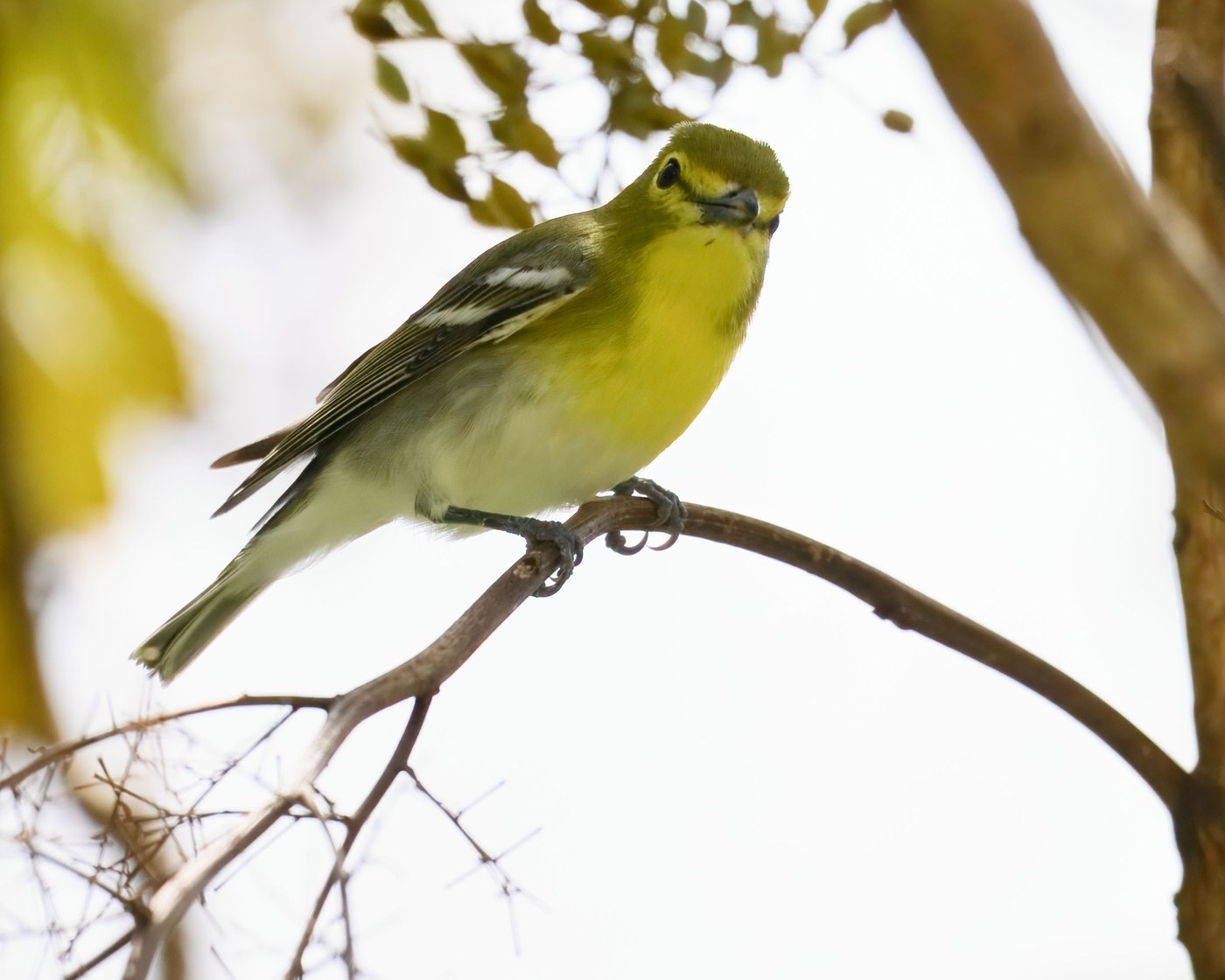
Yellow-throated Vireo
Bright yellow throat and spectacle feathers; olive-green back feathers; two white wing-bar feathers

Yellow-rumped Warbler
Small contour and flight feathers
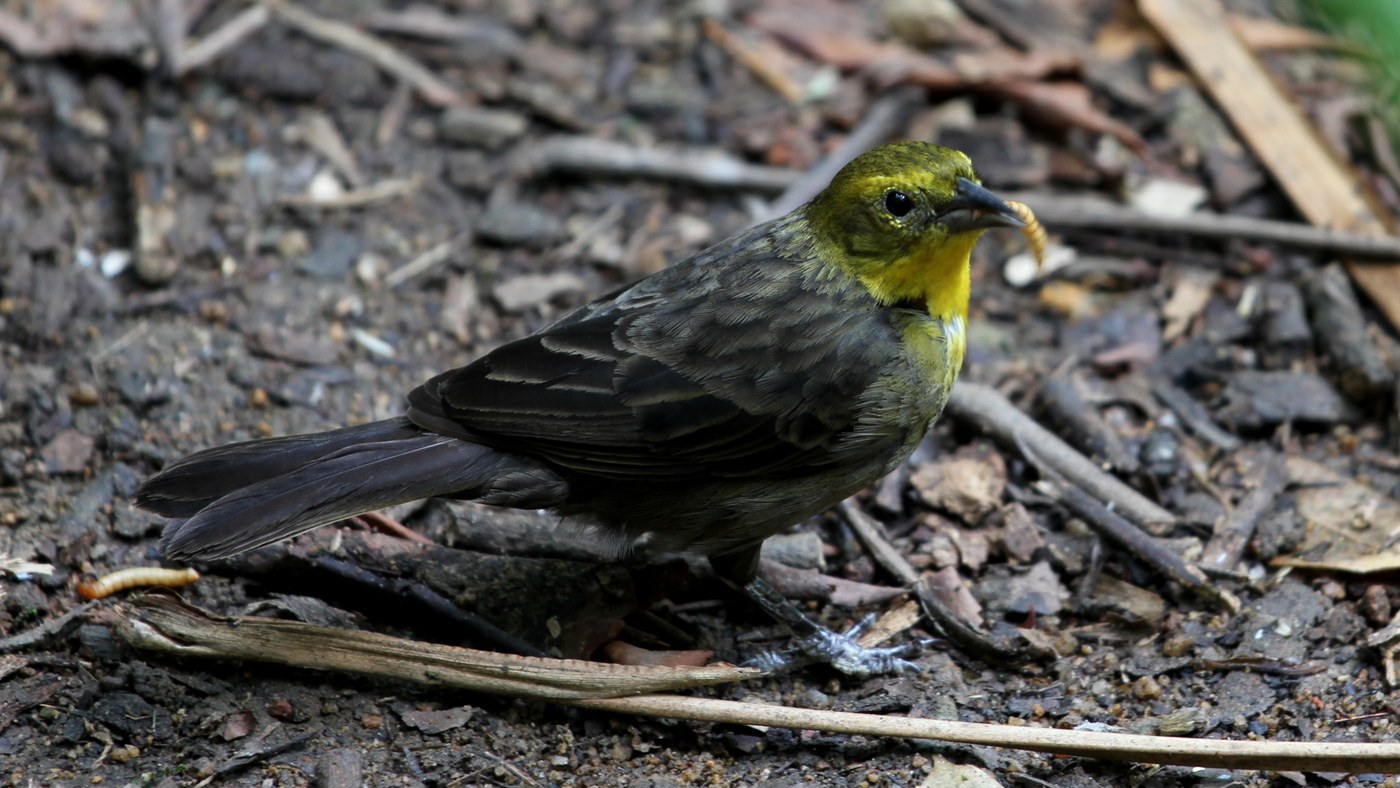
Yellow-hooded Blackbird
Contrasting hood and body feathers
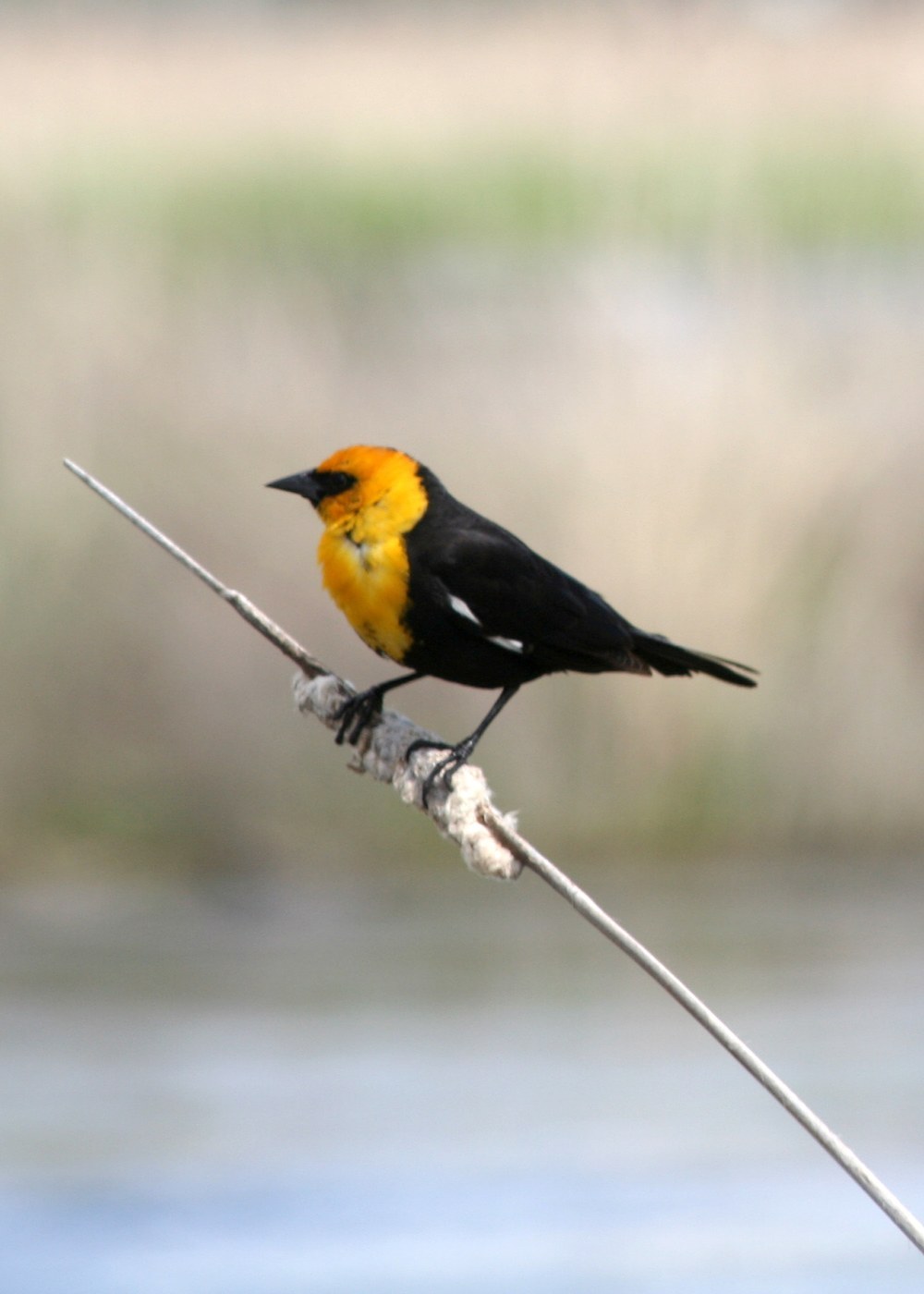
Yellow-headed Blackbird
Glossy black body plumage with a bright yellow head and breast

Yellow-eyed Junco
Contour and flight feathers

Yellow-fronted Canary
Small, smooth body plumage

Yellow-breasted Greenfinch
Compact, smooth body plumage