
Downy Woodpecker
Dryobates pubescens
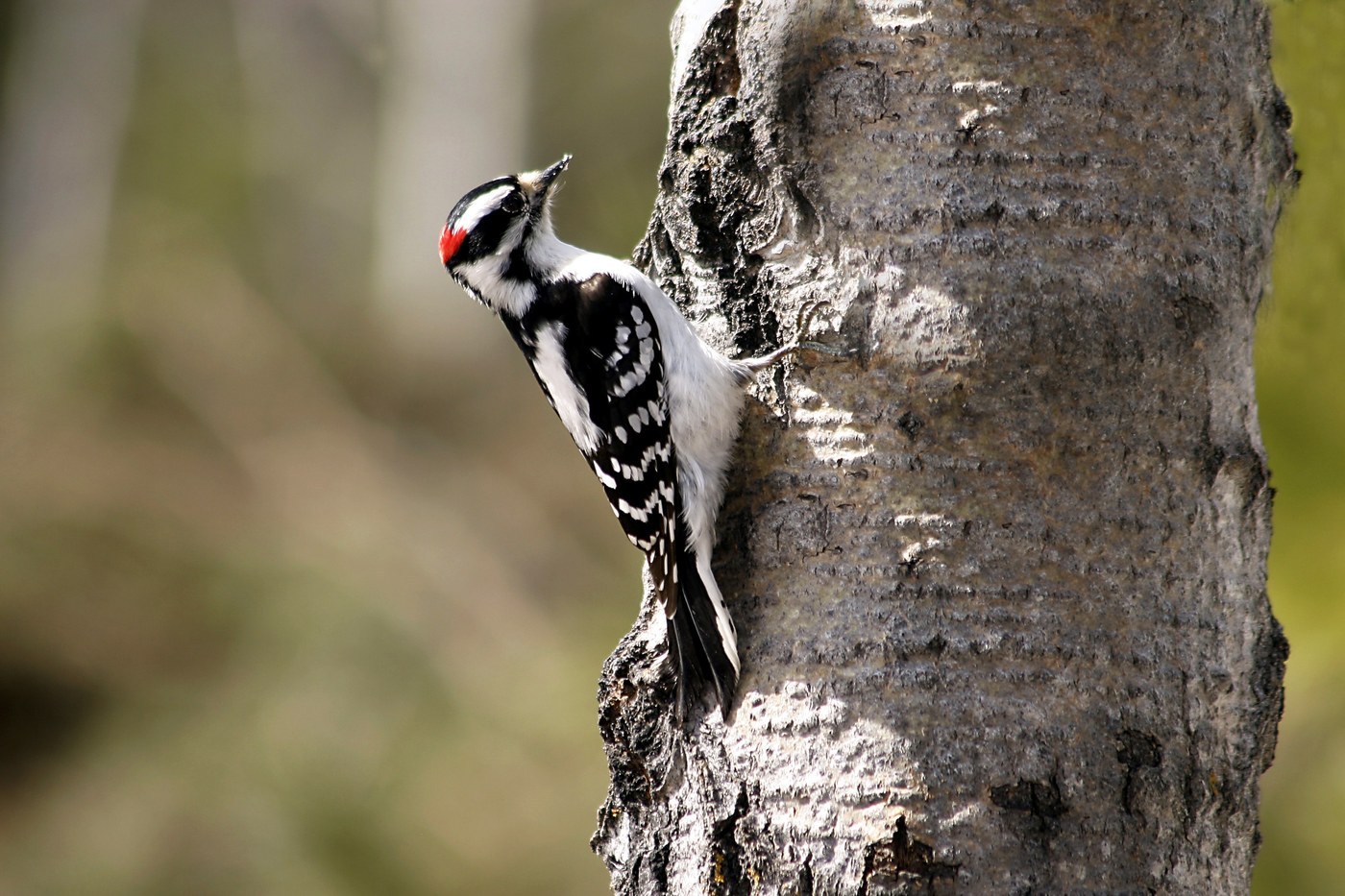
The smallest North American woodpecker, its black-and-white checkered feathers and short bill make it a common and easily identified backyard bird.
- Feather type
- Small, stiff black-and-white barred flight and tail feathers; stiffened, pointed tail feathers used for bracing against bark
- Colours
- Black-and-white checkered wings, a white stripe down the back, white underside, with a small red nape patch in males
- Bird size
- Smallest North American woodpecker, ~15-17 cm, with a short bill
Found a feather like this?
Identify any feather from a photo, free.
Overview
The Downy Woodpecker is the smallest woodpecker in North America and one of the most familiar, frequently visiting backyard feeders and suet cages across much of the continent. Its small size and short bill distinguish it from its larger look-alike, the Hairy Woodpecker.
It favors deciduous woodlands, parks, and suburban yards, where it forages on small branches and twigs that larger woodpeckers cannot easily use.
Its feathers show the classic black-and-white woodpecker pattern, with a bold white stripe down the back and small black spots on the outer tail feathers, a detail that helps separate it from the similarly patterned Hairy Woodpecker.
Identifying the Feather
Size and Shape
Small, stiff wing and tail feathers, notably shorter overall than those of the similarly patterned Hairy Woodpecker.
Color and Pattern
- Wing feathers are checkered black and white.
- A broad white stripe runs down the center of the back.
- Outer tail feathers are white with small black spots or barring, a key identifying detail.
- Males show a small red patch on the nape; females lack red entirely.
Comparisons
The Downy Woodpecker's outer tail feathers show black spotting, while the larger, longer-billed Hairy Woodpecker has plain, unspotted white outer tail feathers. Overall smaller feather size is the best first clue between the two similar species.
Plumage & Molt
Males show a small red patch on the nape that females lack. Juveniles of both sexes may show a red crown patch that is lost after the first molt. There is one complete annual molt after breeding.
Habitat & Range
Downy Woodpeckers are resident year-round across most of the United States and Canada in deciduous and mixed woodlands, parks, and suburban areas. They do not migrate.
Behavior & Field Notes
Downy Woodpeckers forage by tapping and probing bark and small branches for insects and larvae, and readily visit suet feeders. Their flight is undulating, typical of woodpeckers. Calls include a sharp "pik" and a descending whinnying call. They excavate a nest cavity in dead wood. A small, black-and-white checkered feather with spotted outer tail feathers is a good match for this common species.
Frequently asked questions
How can I tell a Downy Woodpecker feather from a Hairy Woodpecker feather?
Downy feathers are smaller overall and the outer tail feathers show black spotting, while Hairy Woodpecker outer tail feathers are plain white without spots.
Do all Downy Woodpecker feathers show red coloring?
No, only males have a small red nape patch; female feathers are entirely black and white.
What is the most reliable size clue for this species' feathers?
Downy Woodpecker feathers are notably small, matching the smallest woodpecker species in North America.
Where would I most likely find a Downy Woodpecker feather?
In deciduous woodlands, parks, and suburban yards across most of the U.S. and Canada, especially near feeders.
Downy Woodpecker guides
In-depth guides for identifying and understanding Downy Woodpecker.
Downy Woodpecker identified by the community
Real feathers identified with Feather Identifier.


Other feathers you may enjoy

Ivory-billed Woodpecker
Very large flight feathers with a solid white trailing patch

Great Slaty Woodpecker
Massive, uniformly colored contour feathers

Yellow-tufted Woodpecker
Black body feathers with bright yellow forehead tufts

Magellanic Woodpecker
Very large, glossy contour feathers with a recurved crest

Yellow-bellied Sapsucker
Black-and-white patterned back and facial-stripe feathers
Williamson's Sapsucker
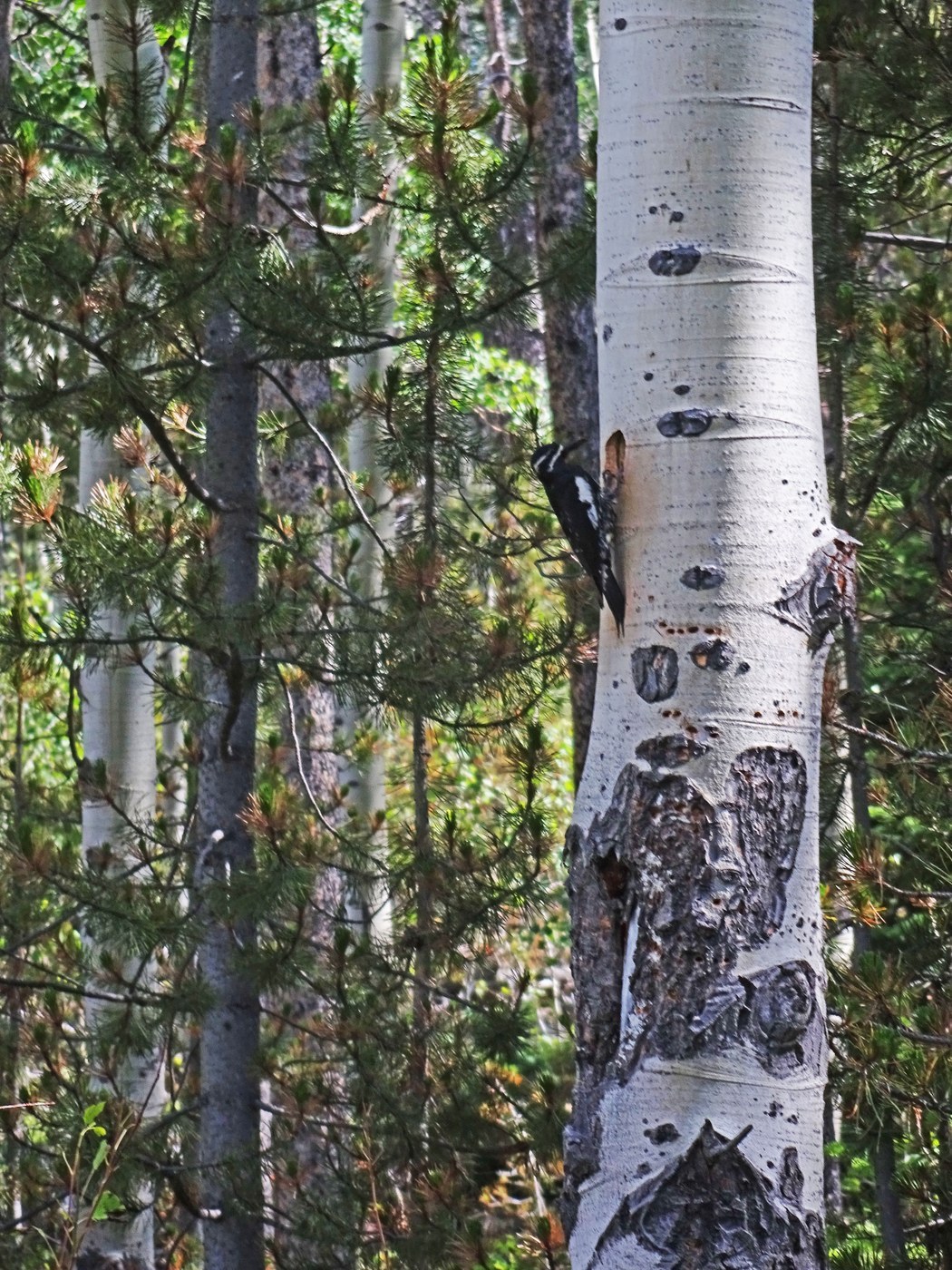
Strongly sexually dimorphic body feathers, glossy black or finely barred brown

Yellow-crowned Woodpecker
Contour and flight feathers

White Woodpecker
Mostly white body feathers with contrasting black wings and back

Red-throated Wryneck
Soft, cryptically mottled contour feathers

White-bellied Woodpecker
Large, glossy black contour and flight feathers

White-backed Woodpecker
Barred back feathers rather than a solid white patch
White-headed Woodpecker
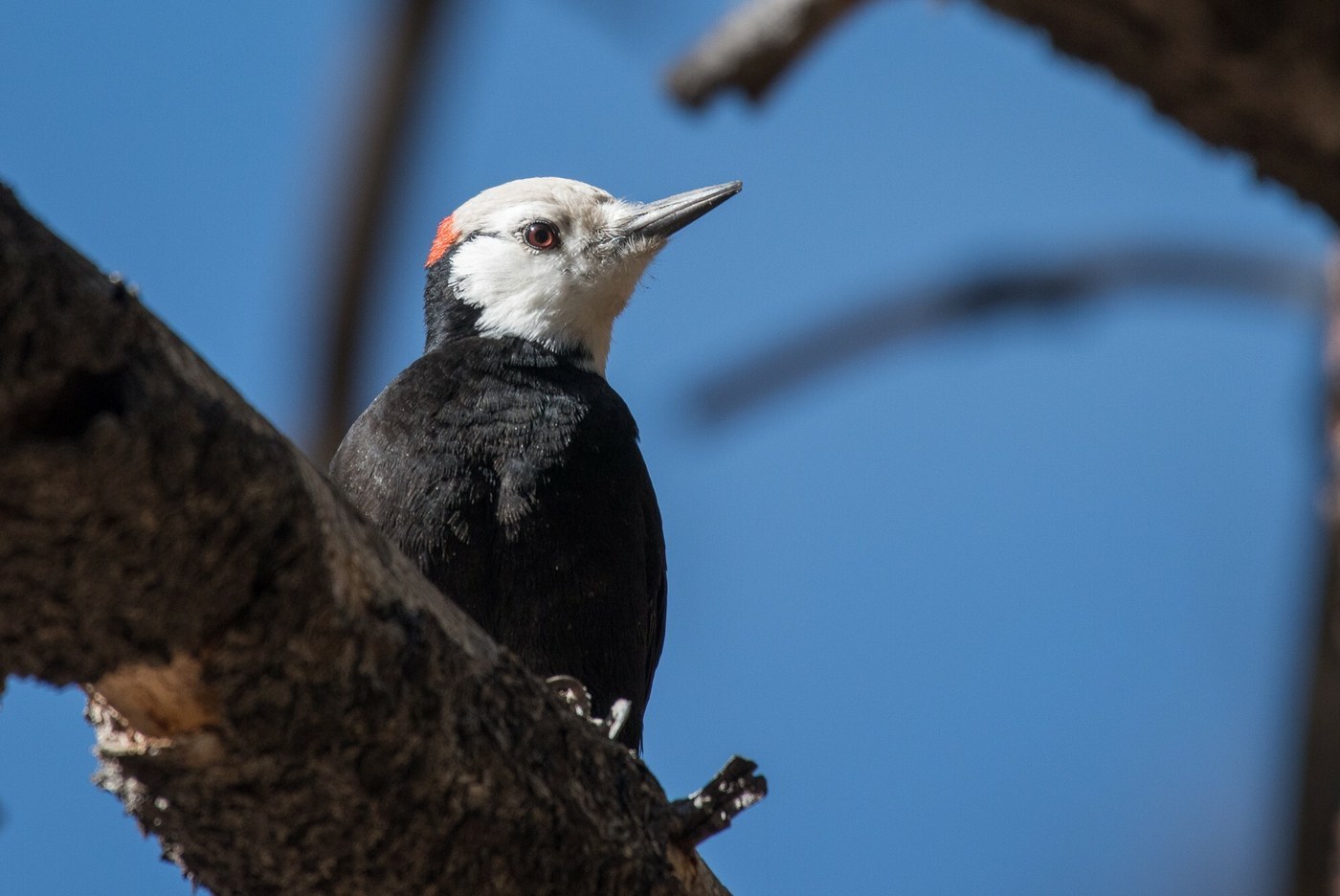
Solid black body feathers with an entirely white head