

Fernandina's Flicker
Colaptes fernandinae
An uncommon Cuban endemic flicker with subtly barred brown plumage, found in palm savanna and adjacent open woodland.
- Feather type
- Finely barred body feathers with yellow-toned flight feathers
- Colours
- Warm brown finely barred plumage, buffy face
- Bird size
- Pigeon-sized, ~33 cm
Found a feather like this?
Identify any feather from a photo, free.
Overview
Fernandina's Flicker is found only on Cuba, where it inhabits palm savanna, pine woodland edges, and adjacent open country. It is one of the more understated flickers in appearance, lacking the bold facial contrast of many relatives.
Its overall brown, finely barred plumage gives it a soft, uniform look at a distance, though close views reveal delicate dark barring across the back and crown typical of the genus.
Identifying the Feather
- Body: warm brown ground color finely barred with dark brown throughout the back, wings, and crown
- Face: buffy-brown, without strong stripes
- Flight feathers: show a yellowish tone on the underside, visible in flight
- Underparts: buffy with fine dark spotting
- Vs. Northern Flicker (in range as a rare visitor): Fernandina's Flicker is uniformly brown and finely barred overall, lacking the gray face, brown crown, and bold black bib contrast of Northern Flicker
Plumage & Molt
Sexes look similar, both finely barred brown overall, with males typically showing a small malar mark that females lack. Juveniles resemble adults but with softer, less defined barring. Molt follows the standard single annual cycle of the flicker genus.
Habitat & Range
Restricted to Cuba, favoring open palm savanna, pine forest edges, and adjacent scrubby woodland, often near royal palms used for nesting cavities. It does not migrate and is considered uncommon and local across its island range.
Behavior & Field Notes
Forages on the ground and on fallen wood for ants and other insects, in keeping with the ground-feeding habits of the flicker genus. It nests in cavities excavated in dead palm trunks. Calls are loud chattering notes similar to other flickers, though generally heard less often given its low population density.
Frequently asked questions
Where is Fernandina's Flicker found?
It is endemic to Cuba, occurring in palm savanna, pine forest edges, and adjacent open woodland, often associated with royal palms.
What does its plumage look like compared to other flickers?
It is uniformly brown with fine dark barring throughout, more subdued than the boldly patterned flickers of continental regions.
Is this species common?
It is considered uncommon and local, occurring at low densities across suitable habitat in Cuba.
Does it nest in palm trees?
Yes, it commonly excavates nest cavities in dead royal palm trunks within its savanna habitat.
Fernandina's Flicker guides
In-depth guides for identifying and understanding Fernandina's Flicker.

Other feathers you may enjoy

Ivory-billed Woodpecker
Very large flight feathers with a solid white trailing patch

Great Slaty Woodpecker
Massive, uniformly colored contour feathers

Yellow-tufted Woodpecker
Black body feathers with bright yellow forehead tufts

Magellanic Woodpecker
Very large, glossy contour feathers with a recurved crest

Yellow-bellied Sapsucker
Black-and-white patterned back and facial-stripe feathers
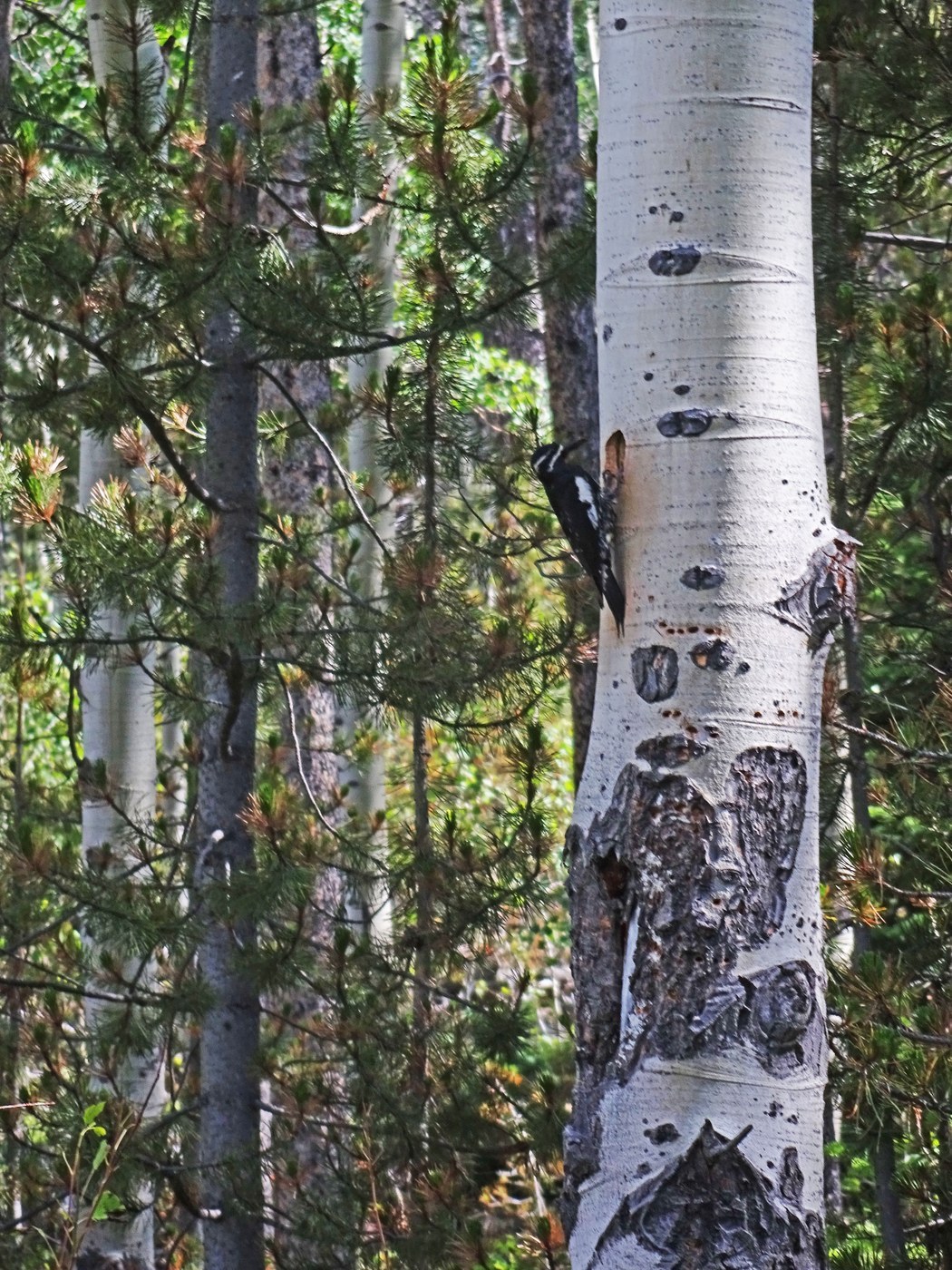
Williamson's Sapsucker
Strongly sexually dimorphic body feathers, glossy black or finely barred brown

Yellow-crowned Woodpecker
Contour and flight feathers

White Woodpecker
Mostly white body feathers with contrasting black wings and back

Red-throated Wryneck
Soft, cryptically mottled contour feathers

White-bellied Woodpecker
Large, glossy black contour and flight feathers

White-backed Woodpecker
Barred back feathers rather than a solid white patch
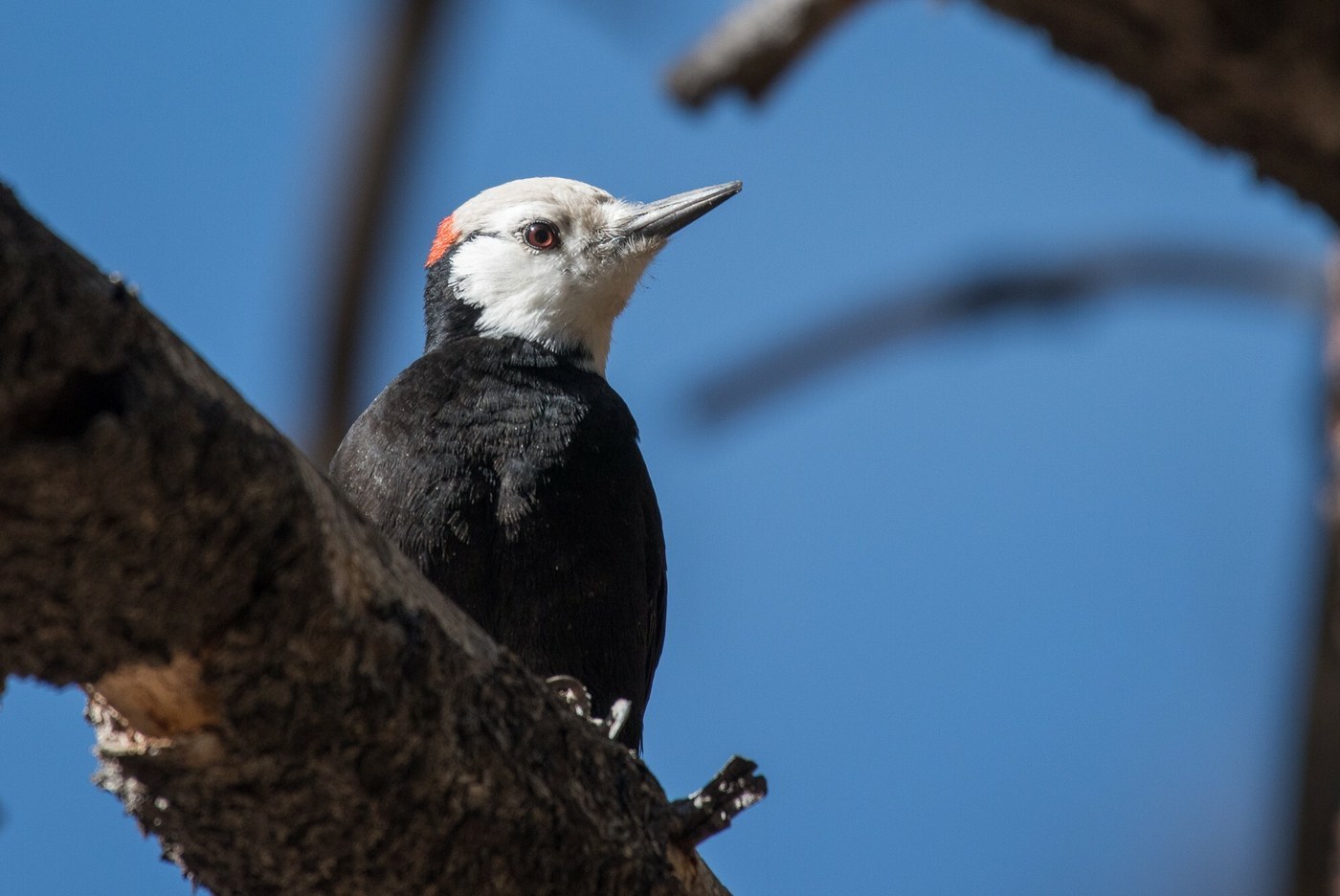
White-headed Woodpecker
Solid black body feathers with an entirely white head