

Field Sparrow
Spizella pusilla
A small, subtly marked sparrow of old fields whose soft rufous-brown and gray feathers lack bold streaking, standing out mainly for their clean, quiet coloring.
- Feather type
- Small, soft, largely unmarked contour feathers; finely streaked rufous-brown back feathers; plain gray tail feathers
- Colours
- Rusty-brown crown and back streaked with black, clean pale gray face and unstreaked breast, plain grayish tail
- Bird size
- Small sparrow, ~12-14 cm
Found a feather like this?
Identify any feather from a photo, free.
Overview
The Field Sparrow is a small, delicate sparrow of overgrown pastures and shrubby old fields, easily overlooked because of its plain gray face and lack of strong markings. It is best known for its bouncing-ball trill song rather than any bold visual feature.
Unlike many streaky sparrows, the Field Sparrow has an unmarked, clean breast, which combined with its small size and rusty cap gives it a soft, understated appearance both in the field and in its shed feathers.
Its feathers reflect this simplicity: warm rufous tones on the crown and back contrast with plain gray underparts, without the bold spotting or streaking seen in many related sparrows.
Identifying the Feather
Size and Shape
Small, soft-textured feathers typical of a compact sparrow; overall feather length is modest even for a sparrow.
Color and Pattern
- Crown and back feathers are warm rufous-brown with fine dark streaking.
- Breast and belly contour feathers are plain, unstreaked gray to buffy-white, a key difference from many streaky sparrows.
- Tail feathers are plain grayish-brown without strong pattern.
Comparisons
Compared to the Chipping Sparrow, Field Sparrow feathers show a warmer, less crisp rufous tone and lack a bold black eyeline association. Compared to the American Tree Sparrow, Field Sparrow feathers are smaller and lack any dark central breast spot.
Plumage & Molt
Sexes look alike. Juveniles show light streaking on the breast that adults lack, and can look scruffier overall. There is a single complete molt after the breeding season, with body feathers replaced again in a partial molt before spring in some individuals.
Habitat & Range
Field Sparrows breed across the eastern and central United States and southernmost Canada in overgrown fields and shrubby pastures. Northern populations migrate to winter in the southeastern U.S., while southern populations are largely resident year-round.
Behavior & Field Notes
Field Sparrows forage on the ground and in low shrubs for seeds and insects, often in loose flocks in winter. They build a low cup nest in grass or a small shrub. Their song is a clear, sweet whistle that accelerates into a trill, likened to a bouncing ping-pong ball. A soft, plain-breasted, rufous-capped feather from brushy old-field habitat is a good clue for this species.
Frequently asked questions
What breast pattern should I expect on a Field Sparrow feather?
Field Sparrow underparts are plain and unstreaked, unlike many sparrows, so breast feathers will lack bold markings.
How do Field Sparrow feathers differ from Chipping Sparrow feathers?
Field Sparrow feathers show a warmer, softer rufous tone overall, while Chipping Sparrow feathers pair a rufous cap with a crisper gray nape and black eyeline association.
Is the rufous cap color reliable for identifying a Field Sparrow feather?
It's a helpful clue when paired with small size and a plain, unstreaked underside, since several sparrows share rufous crowns.
Where are Field Sparrow feathers most likely to be found?
In overgrown fields, brushy pastures, and shrubby edges across the eastern and central United States.
Field Sparrow guides
In-depth guides for identifying and understanding Field Sparrow.

Other feathers you may enjoy

Yellow-breasted Bunting
Contour and flight feathers, chestnut-and-yellow breeding pattern
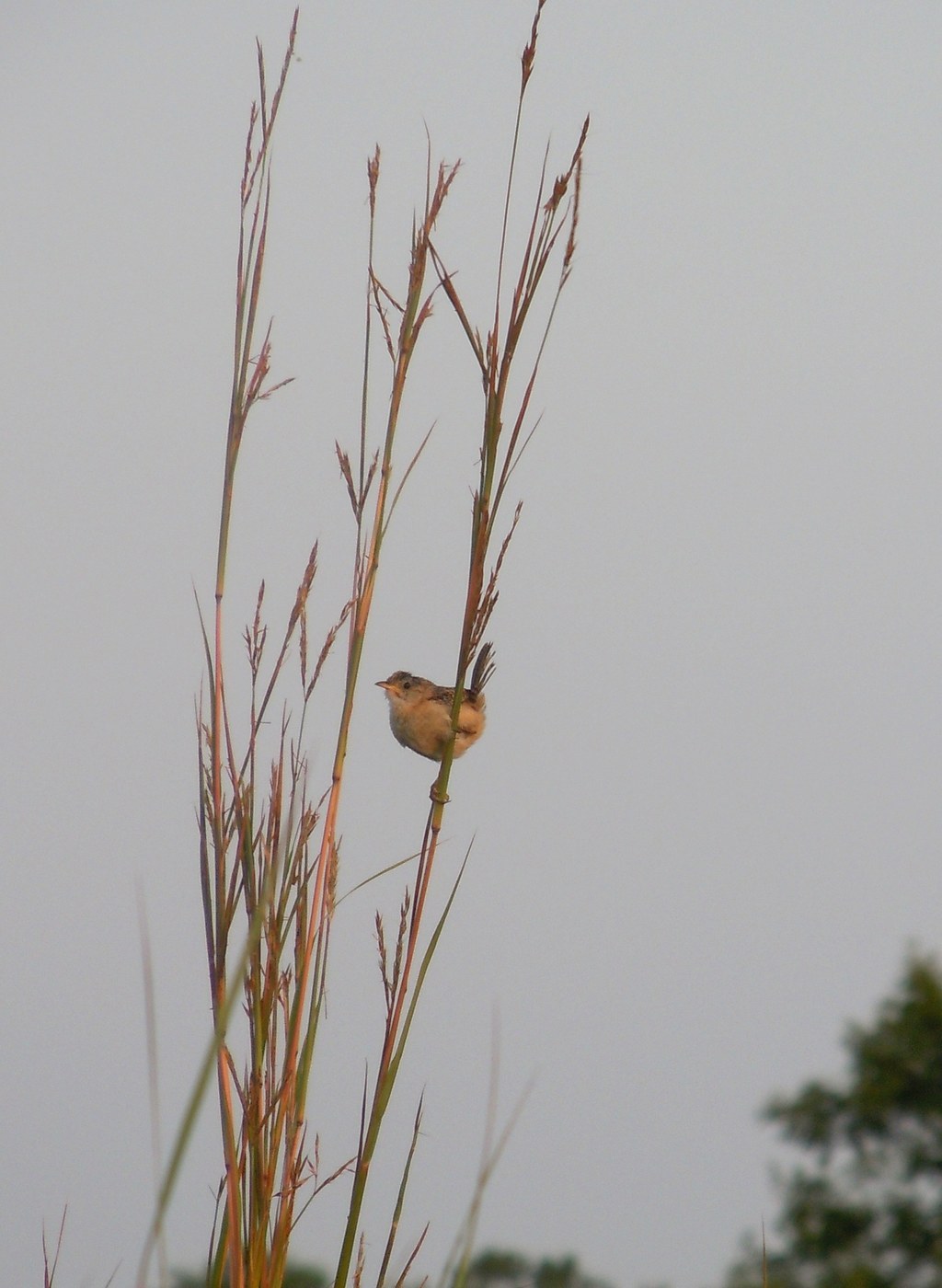
Sedge Wren
Tiny streaked crown and back feathers

Yellow-winged Cacique
Glossy black body feathers, yellow wing patch, shaggy crest

Yellow Warbler
Small contour and flight feathers
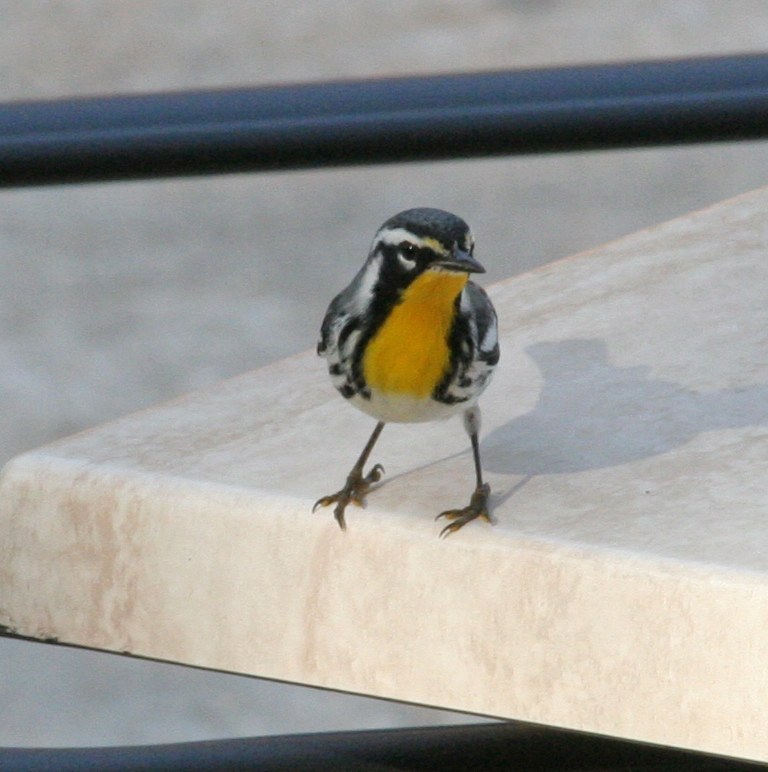
Yellow-throated Warbler
Small contour and flight feathers
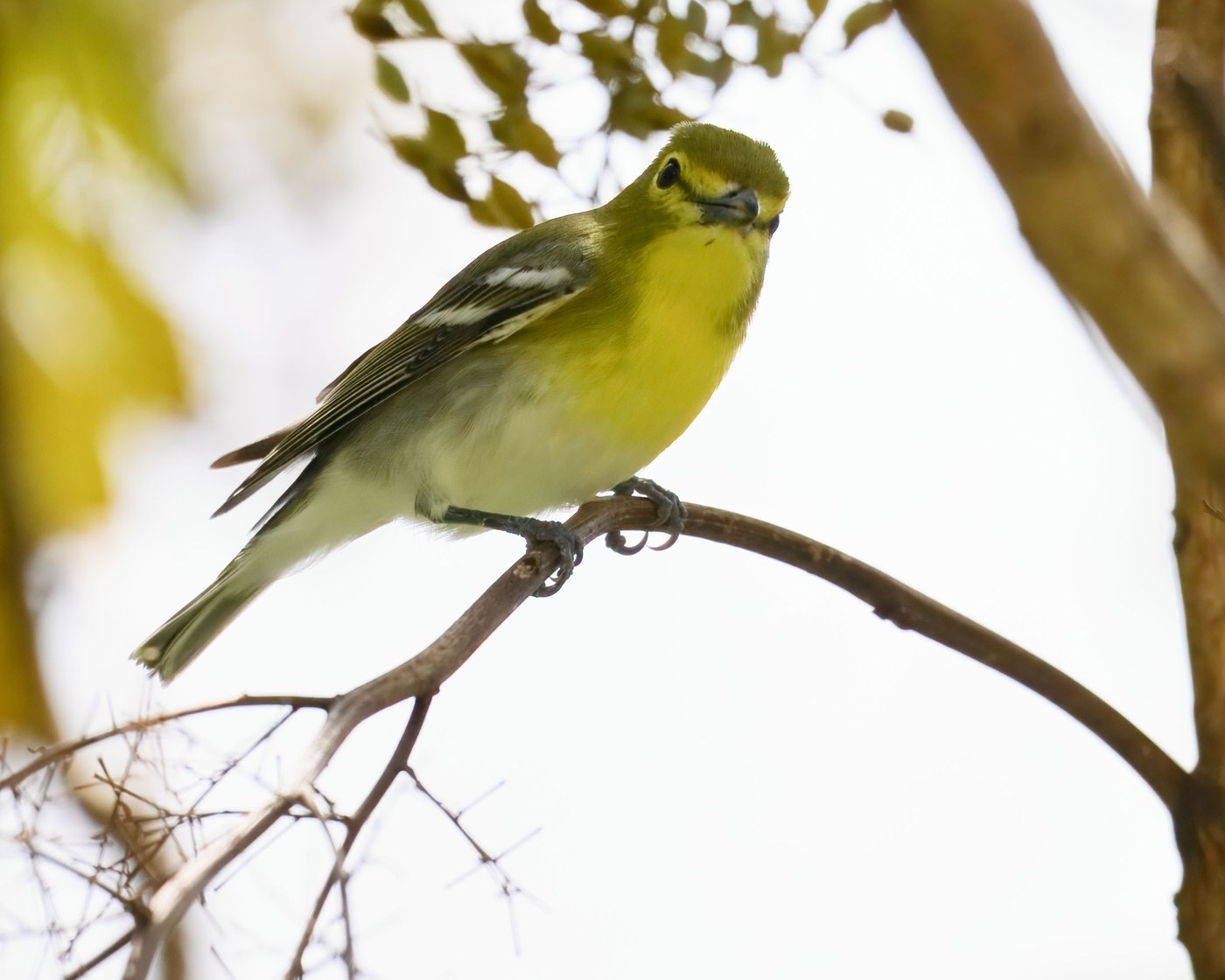
Yellow-throated Vireo
Bright yellow throat and spectacle feathers; olive-green back feathers; two white wing-bar feathers

Yellow-rumped Warbler
Small contour and flight feathers
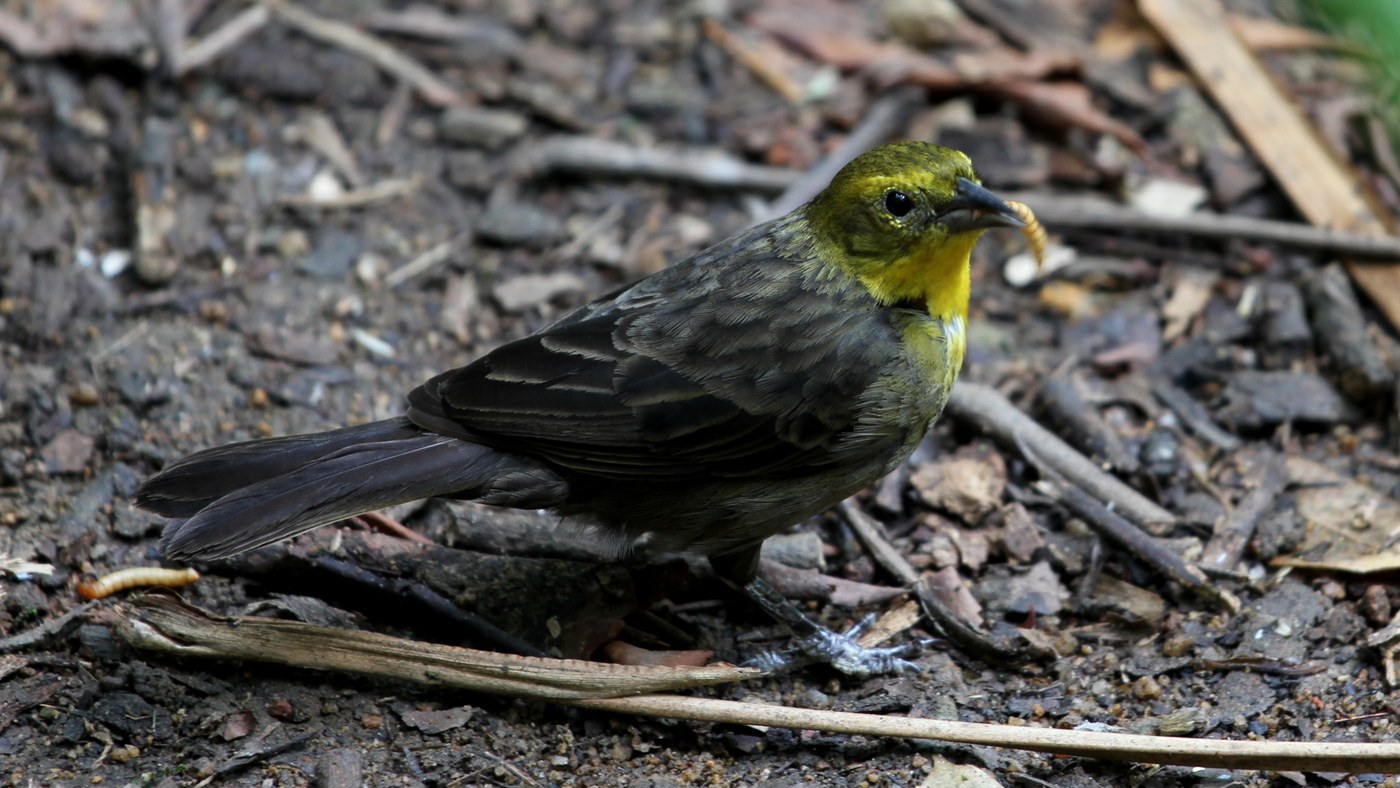
Yellow-hooded Blackbird
Contrasting hood and body feathers
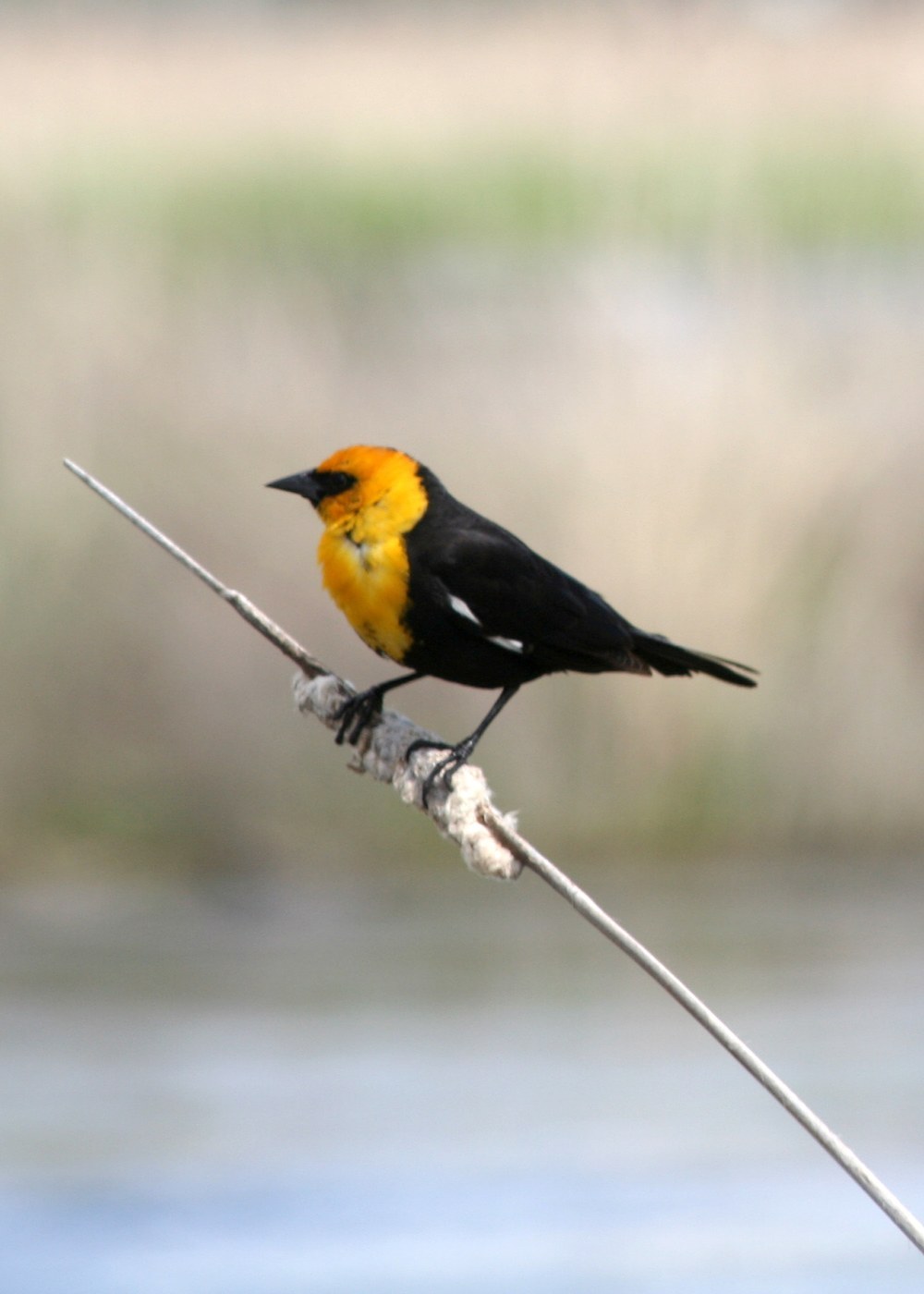
Yellow-headed Blackbird
Glossy black body plumage with a bright yellow head and breast

Yellow-eyed Junco
Contour and flight feathers

Yellow-fronted Canary
Small, smooth body plumage

Yellow-breasted Greenfinch
Compact, smooth body plumage